
Hedgehog
Hedgehog · Small pet · Malaysia
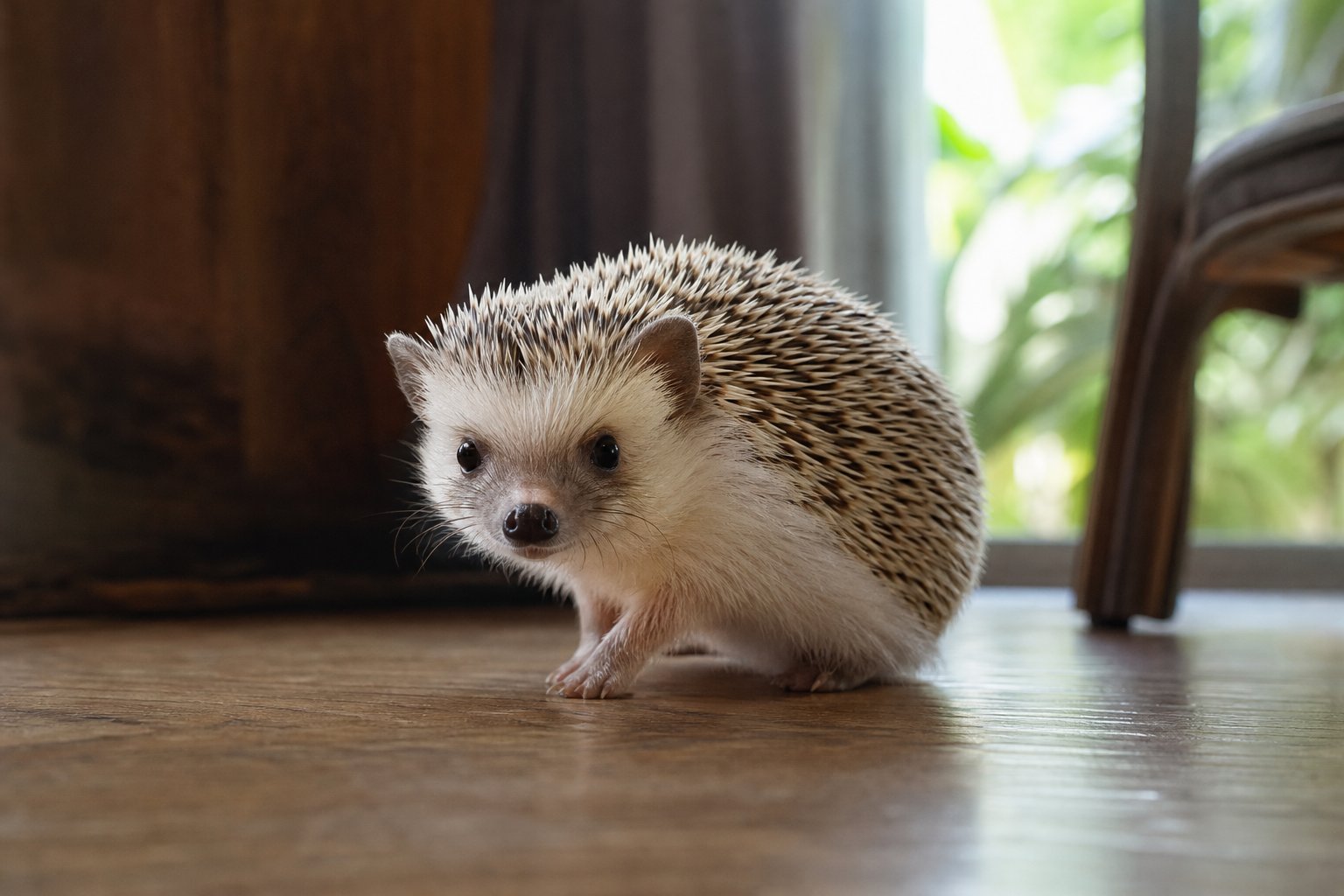
Quick answer
Hedgehogs are small, nocturnal pets suited to quiet Malaysian homes with air-conditioned or well-ventilated rooms. They need a solid-surface wheel, insect-based food with balanced calcium, gentle evening handling, and regular weight and feet checks to stay healthy in the hot, humid climate.
Quick facts
- Origin
- Africa
- Size
- Small
- Lifespan
- 4-6 years
- Weight
- Small; typically a few hundred grams as an adult
- Coat
- Quills over soft fur, with a range of natural colour patterns
- Price guidance
- Ask local breeders for a current quote; prices vary with species and age.
Personality
- Shy
- Solitary
- Nocturnal
- Curious
- Easily stressed
Hedgehogs are compact, nocturnal small animals that can make engaging pets for owners who respect their quiet, solitary nature. In Malaysia's hot and humid climate, they do best indoors in a calm, temperature-controlled space rather than in direct sun or damp areas. This guide covers temperament, daily care, diet, health and choosing a hedgehog for apartment and condo living.
Temperament: What to Expect
Hedgehogs are naturally shy, solitary and nocturnal, so they are most active in the evening and night. They are not cuddly lap pets; trust builds slowly through calm, consistent handling. When frightened they curl into a ball, puff their quills or make soft huffing sounds, which is normal defensive behaviour rather than aggression. In a Malaysian apartment or condo, a quiet corner away from busy walkways and loud appliances helps them settle. They tolerate gentle handling but generally prefer to explore on their own. Because they are easily stressed, avoid passing them between many people and keep interactions short at first. With patience, most hedgehogs become comfortable being picked up in the evening and will uncurl to sniff and forage.
Daily Life in a Malaysian Home
A hedgehog's day revolves around a secure cage, a warm dry sleeping area and a period of evening activity. In Malaysia's hot, humid climate, place the cage indoors in a well-ventilated room, away from direct sun, air-conditioner drafts and damp bathrooms. A solid-floor cage with a hide, soft bedding and a solid-surface exercise wheel supports natural behaviour. Clean the wheel and spot-clean bedding daily, since humidity encourages odour and bacteria. Hedgehogs are nocturnal, so expect most movement after dusk; a quiet household suits them well. Keep the cage away from kitchens and noisy corridors in condos. Handle gently in the evening and let the hedgehog wake naturally rather than disturbing it during the day.
Grooming and Hygiene
Hedgehogs are fairly low-maintenance groomers but still need regular checks. Their quills and skin should be inspected weekly for dryness, cuts or signs of mites, especially in humid Malaysian conditions where skin irritation can linger. Occasional foot soaks in shallow warm water help remove dried debris from the feet, and nails may need gentle trimming when they grow long. Avoid frequent full baths, as these dry the skin; spot-clean instead. Keep bedding clean and dry to reduce skin and respiratory irritation. Check the ears and eyes for discharge during handling sessions. Because hedgehogs are easily stressed, keep grooming brief and calm, and never use harsh soaps or strong fragrances around them.
Exercise and Enrichment
Hedgehogs are active foragers and need nightly exercise to stay fit and mentally engaged. A solid-surface exercise wheel is the centrepiece of their routine; avoid wire wheels that can trap feet and cause injury. Add tunnels, shallow dig boxes with safe substrate and lightweight toys they can push and explore. In a Malaysian condo, a secure playpen or a hedgehog-proofed room lets them roam safely in the evening under supervision. Keep sessions short and calm, and remove hazards such as cables, small objects and open gaps. Exercise also helps maintain a healthy weight, which matters because overweight hedgehogs struggle to curl and move comfortably. Rotate enrichment items to keep the routine interesting.
Training and Handling
Hedgehogs are not obedience pets, but they can learn to accept handling and follow simple routines. Start by letting the hedgehog sniff your hand in the evening when it is naturally awake, then gently scoop it from underneath rather than grabbing from above. Keep early sessions short and end on a calm note. Over time, most hedgehogs learn that handling is safe and uncurl more readily. Use food as a gentle reward during short, positive sessions. Avoid waking a sleeping hedgehog or forcing interaction when it is curled and huffing. In busy Malaysian households, consistent evening handling by one calm person builds trust fastest. Training is really about patience, predictability and gentle routine rather than tricks.
Diet and Feeding
A hedgehog's diet should be insect-based and balanced, with attention to the calcium-to-phosphorus ratio to support strong quills and bones. Offer a quality hedgehog-formulated food alongside safe insects, and keep treats limited. Fresh water must be available at all times. In Malaysia's warm climate, food spoils quickly, so remove uneaten fresh items after a short period and store food in a cool, dry place. Avoid fatty, salty or dairy-heavy human foods. Monitor body weight regularly, since hedgehogs easily become overweight on rich diets. Feed mainly in the evening when the hedgehog is active, and adjust portions to maintain a healthy, active body condition rather than free-feeding throughout the day.
Health and Veterinary Care
Hedgehogs hide illness well, so owners must watch for subtle changes in appetite, weight, activity and quill condition. Common concerns include skin and mite issues, dental problems, obesity and respiratory irritation linked to damp or dirty bedding. In Malaysia's humid climate, keep the cage dry and well ventilated to reduce risk. Check the feet and weight regularly, as early detection makes care easier. Access to experienced small-animal vets varies across Malaysia, so identify a suitable clinic before you need one and confirm they treat hedgehogs. Avoid self-diagnosing or using random online remedies. A calm, warm, clean environment and a balanced insect-based diet are the foundations of good health.
Mite and skin irritation
Watch for: Scratching, quill loss, flaky or crusty skin, and restlessness at night.
Care: Keep bedding clean and dry, reduce humidity around the cage, and consult a small-animal vet for safe treatment rather than using random products.
Obesity
Watch for: A rounded belly, difficulty curling, reduced activity and reluctance to use the wheel.
Care: Measure portions, limit fatty treats, encourage nightly wheel exercise and weigh the hedgehog regularly to track condition.
Dental problems
Watch for: Drooling, reduced appetite, dropping food, bad breath or pawing at the mouth.
Care: Offer appropriate insect-based food, avoid hard or sugary treats, and have a vet check the mouth if eating changes.
Respiratory irritation
Watch for: Sneezing, wheezing, nasal discharge or lethargy, especially in damp or dusty setups.
Care: Improve ventilation, keep bedding dry and dust-free, avoid drafts and strong scents, and seek vet advice if signs persist.
Choosing a Hedgehog
Before choosing a hedgehog in Malaysia, confirm you can provide a quiet, temperature-controlled indoor space, evening handling time and access to a vet experienced with small animals. Observe the hedgehog at a calm time: a healthy one should be alert, have clear eyes, clean feet and intact quills, and uncurl to explore. Ask about its diet, age and general routine. Avoid choosing purely on colour or size; temperament and health matter more. Consider whether your condo or apartment has any pet rules, and plan for the hedgehog's four to six year lifespan. Because they are nocturnal and easily stressed, they suit owners who enjoy quiet, patient companionship rather than constant interaction.
Caring in Malaysia
- Nocturnal and easily stressed: keep a quiet, warm cage with a solid-surface exercise wheel.
- Insect-based food with a balanced calcium-to-phosphorus ratio supports quills and bones.
- Handle gently in the evening; check feet and weight regularly for early health issues.
Frequently asked questions
Are hedgehogs good pets for Malaysian apartments?
Yes, hedgehogs can suit apartment and condo living because they are small, quiet and mostly active at night. They still need a secure cage, a solid-surface wheel and a calm, well-ventilated indoor spot away from direct sun and damp areas.
How often should I handle my hedgehog?
Handle your hedgehog gently in the evening, when it is naturally awake, for short sessions most days. Consistent, calm handling builds trust, while frequent daytime waking or passing the pet between many people causes stress and curling.
What should I feed a hedgehog in Malaysia?
Feed an insect-based diet with a balanced calcium-to-phosphorus ratio, plus fresh water at all times. Remove uneaten fresh food quickly in the warm climate, avoid fatty or dairy-heavy human foods, and monitor weight to prevent obesity.
Do hedgehogs need a wheel?
Yes, a solid-surface exercise wheel is essential for nightly activity and weight control. Avoid wire wheels that can trap feet. Add tunnels and safe enrichment, and let the hedgehog explore a supervised playpen in the evening.
How long do hedgehogs live?
Hedgehogs typically live around four to six years with good care. A balanced diet, clean dry housing, regular weight and feet checks, and access to an experienced small-animal vet all support a healthier, longer life.
Are hedgehogs active during the day?
No, hedgehogs are nocturnal and are most active in the evening and night. Expect them to sleep during the day, and plan handling, feeding and exercise for the evening when they naturally wake and explore.
Related breeds
Cat breed guides →
Related articles
- Hedgehog Care in Malaysia: Temperature, Substrate, Diet and Handling
Keep one hedgehog per cage, hold the enclosure at 24–29°C with a real thermometer, use paper or aspen bedding (never loose cotton), and feed an insectivore staple plus gut-loaded insects. Quilling up is normal defence, not rejection.
Related products at PetChill


Sources
Last reviewed: 2026-11-16
For health concerns, consult a licensed veterinarian in Malaysia.