
Rabbit
Rabbit · Small pet · Malaysia
Quick answer
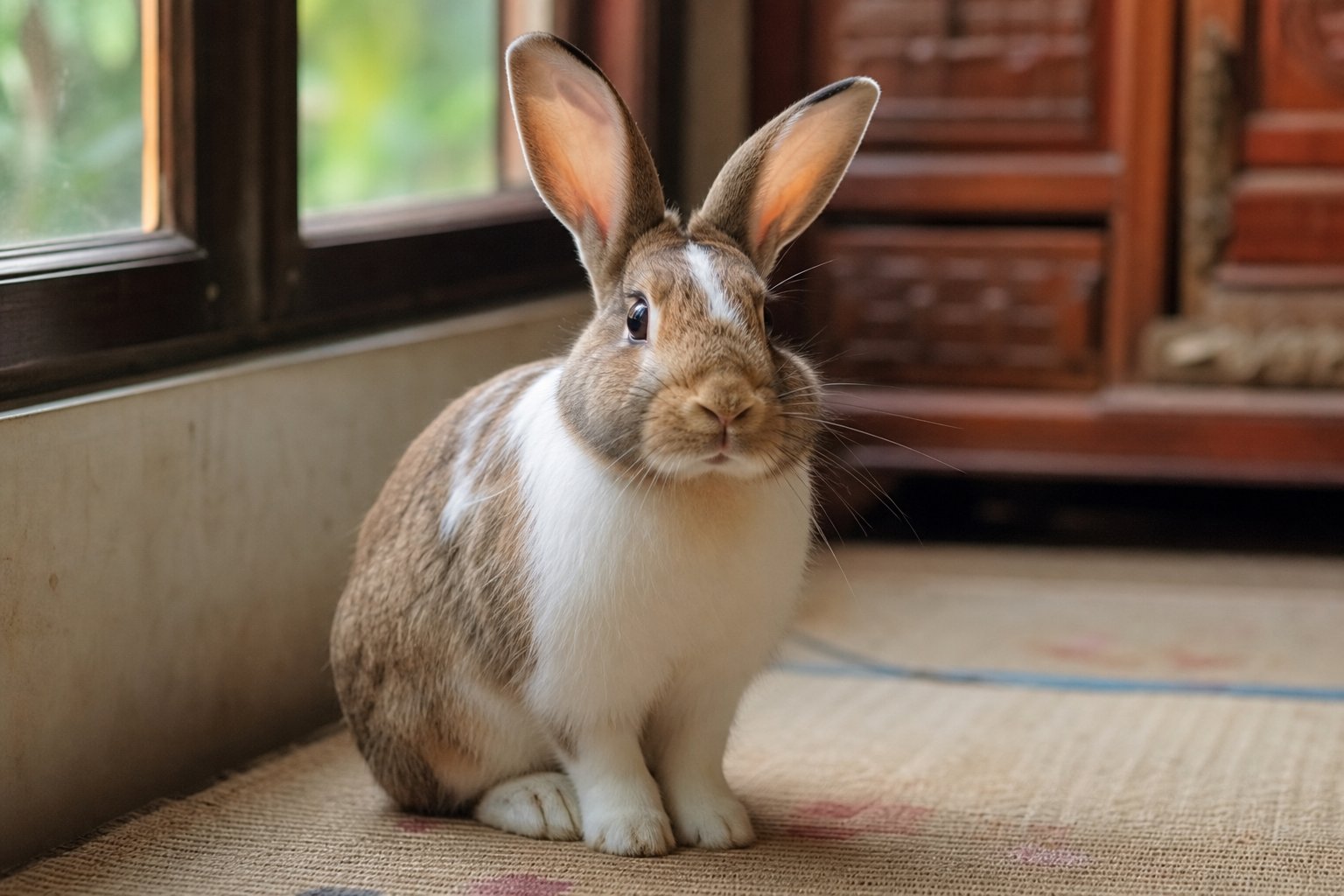
A small to medium Western European rabbit breed suited to cool, indoor Malaysian homes with unlimited timothy hay, daily exercise, companionship, and careful heat management in hot, humid weather.
Quick facts
- Origin
- Western Europe
- Size
- Small to Medium
- Lifespan
- 8-12 years
- Weight
- Small to medium breed; adult weight varies by individual
- Coat
- Coat length varies; regular brushing helps in humid weather
- Price guidance
- Ask local breeders for a current quote; prices vary with breed, age and colour.
Personality
- Curious
- Social
- Active
- Gentle
- Assertive
This guide covers a small to medium rabbit breed of Western European origin, kept as a small-animal companion in Malaysian apartments and condos. It focuses on practical care for Malaysia's hot, humid climate, where cooling, hydration and daily routine matter as much as diet and enrichment.
Temperament in a Malaysian Home
This small to medium breed is generally curious, social and active, and it usually bonds closely with owners who spend consistent time at floor level. Many are gentle but can be assertive about territory, especially around the hutch or feeding area. In Malaysian apartments, noise, visitors and sudden air-conditioner cycling can startle them, so a quiet corner helps. They are often more confident in pairs or bonded groups, and single rabbits need extra daily interaction. Expect playful bursts, digging and chewing instincts, and a calm lap rabbit only after patient handling. Temperament varies by individual and early socialisation, so meet the rabbit and observe behaviour before committing. Children should be supervised and taught slow, quiet handling.
Daily Life in a Condo or Apartment
A Malaysian indoor setup usually works best: a spacious pen or rabbit-proofed room rather than a small cage, with a hide box, litter tray and safe chew toys. Keep the enclosure away from direct sun, windows that heat up, and hot balconies. Air-conditioning or fans improve comfort, but avoid blowing cold air directly on the rabbit. Establish a predictable routine for feeding, cleaning and supervised exercise, because rabbits thrive on consistency. Daily checks include fresh water, hay refills, droppings, appetite and breathing. In humid weather, clean litter frequently to limit odour and dampness. If you live in a high-rise, secure screens and cables to prevent escapes and chewing accidents. Rabbits are social, so plan time for interaction or consider a bonded companion.
Grooming for Humid Weather
Regular grooming helps this breed manage coat condition in Malaysia's humidity. Brush a few times weekly, and more often during moulting, using a soft brush suited to the coat length. Check the rear and underbelly for matting, dampness or soiled fur, and keep the litter area dry. Nails need regular checks and trimming, and many owners book a small-animal vet or experienced groomer for this. Inspect ears and eyes gently, and keep the scent glands around the vent area clean if needed. Never bathe a rabbit unless a vet advises it, because damp fur and stress in humid weather can cause problems. Grooming sessions are also a good time to weigh your rabbit and notice changes early.
Exercise and Enrichment
Rabbits need daily out-of-enclosure exercise, not just a larger cage. Aim for supervised free time in a rabbit-proofed area, with tunnels, cardboard boxes, safe chew items and digging opportunities. Exercise supports digestion, muscle tone and mental health, and it reduces boredom-driven chewing. In Malaysian homes, schedule activity for cooler parts of the day, such as early morning or evening, and avoid hot floors or sunlit rooms. Provide a non-slip surface so the rabbit can hop and stretch safely. Rotate toys to keep interest high, and use hide-and-seek feeding games. If your rabbit is alone, add extra interactive play; bonded pairs often exercise together more actively. Always supervise cables, plants and small gaps.
Training and Handling
Rabbits respond well to calm, reward-based training using small food rewards and gentle repetition. Start with litter training by placing a tray where the rabbit naturally toilets and moving droppings into it. Teach a simple recall cue, target touching and comfortable handling, keeping sessions short and ending positively. Never punish or chase, because fear makes training harder and can damage trust. In Malaysian homes, practise handling on a cool floor and keep sessions brief in warm weather. Socialise your rabbit to household sounds, visitors and gentle grooming. If children are involved, teach quiet voices and sitting-down handling. Bonding two rabbits needs careful, supervised introductions, and a vet or experienced owner can guide the process.
Diet Basics for Malaysian Rabbits
Unlimited timothy hay is the foundation of the diet, supporting digestion and dental wear. Offer measured pellets appropriate to age and size, and fresh leafy greens introduced gradually. Always provide clean, fresh water and check bottles or bowls daily in warm weather. Avoid sudden diet changes, sugary treats, bread and human snacks. In Malaysia's heat, hay can spoil or grow mould in humidity, so store it dry and refill often. Fresh greens should be washed and dried to limit moisture. Monitor droppings and appetite, because reduced eating is a warning sign. Treats can be small pieces of safe vegetables or herbs, given sparingly. Ask a small-animal vet for portion guidance tailored to your rabbit.
Health Watch in a Hot Climate
Malaysian heat is dangerous for rabbits, so watch for fast breathing, lethargy, drooling or reluctance to move, and act quickly by moving the rabbit to a cool, shaded area and contacting a vet. Regular checks help catch dental overgrowth, nail problems and skin issues early. Weigh your rabbit periodically and note appetite, droppings and water intake. Humid conditions can worsen damp litter and skin irritation, so keep housing clean and dry. Find a small-animal vet before you need one, since not every clinic treats rabbits. Avoid self-diagnosing or using medications without veterinary advice. Routine check-ups, dental checks and nail trims support long-term health for this breed.
Dental overgrowth
Watch for: Drooling, reduced appetite, dropping food, weight loss or facial swelling.
Care: Provide unlimited hay and safe chew items, and arrange regular dental checks with a small-animal vet.
Gastrointestinal stasis
Watch for: Smaller or fewer droppings, not eating, lethargy, hunched posture or gas discomfort.
Care: Keep hay and water available, monitor droppings daily, and contact a vet promptly if appetite or output drops.
Heat stress
Watch for: Fast breathing, drooling, weakness, lying flat, or reluctance to move in warm conditions.
Care: Move the rabbit to a cool shaded area, offer water, avoid direct sun, and seek veterinary advice quickly.
Sore hocks
Watch for: Bald or reddened skin on the feet, reluctance to hop, or sensitivity when moving.
Care: Use soft, dry bedding, keep the enclosure clean, check feet regularly, and consult a vet if skin is broken.
Choosing the Right Rabbit
Before choosing, confirm you can provide daily exercise, companionship, cooling and vet access in your Malaysian home. Meet the rabbit and observe activity, breathing, eyes, ears, coat and droppings; a healthy rabbit is alert and curious. Ask about age, diet, housing history and any known health concerns, and request a vet check if possible. Consider adopting from a rescue or rehoming situation rather than buying on impulse. For apartments, plan space for a pen and rabbit-proofing, and discuss allergies with household members. Bonded pairs can be rewarding but need careful introductions. Remember this breed can live many years, so commit to routine care, heat management and enrichment for the long term.
Caring in Malaysia
- Unlimited timothy hay is the diet foundation, with measured pellets and fresh leafy greens.
- Rabbits need daily exercise space, companionship and regular nail and dental checks.
- Malaysian heat is dangerous for rabbits: keep them cool, hydrated and away from direct sun.
Frequently asked questions
Can this rabbit live in a Malaysian apartment?
Yes, with an indoor pen or rabbit-proofed room, cooling and daily exercise. Apartments work when the rabbit has space, safe flooring, a quiet retreat and protection from direct sun and hot balconies. Secure windows and cables, and keep the enclosure clean in humid weather.
How do I keep a rabbit cool in Malaysia's heat?
Keep the rabbit indoors in a shaded, ventilated area and use air-conditioning or fans indirectly. Avoid sunlit rooms and hot balconies, provide fresh water and cool floor tiles, and watch for fast breathing or drooling. Heat stress needs prompt cooling and veterinary advice.
What should I feed my rabbit daily?
Unlimited timothy hay is the foundation, with measured pellets and fresh leafy greens. Provide clean water daily and introduce new greens gradually. Store hay dry in humid weather, avoid sugary treats, and ask a small-animal vet for portions suited to your rabbit.
How much exercise does a rabbit need?
Rabbits need daily supervised exercise outside the enclosure, with space to hop, stretch and explore. Schedule activity in cooler parts of the day, use tunnels and safe chew toys, and rabbit-proof the area. Bonded pairs often exercise together, but always supervise cables and gaps.
Do rabbits need a companion?
Rabbits are social and often benefit from a bonded companion, but bonding needs careful introductions. A single rabbit needs extra daily interaction and enrichment. Consider adoption and ask a small-animal vet or experienced owner for guidance before pairing.
When should I see a vet?
See a small-animal vet promptly for reduced appetite, fewer droppings, breathing changes, drooling, lameness or heat stress signs. Find a rabbit-experienced clinic before an emergency. Regular check-ups, dental checks and nail trims help catch problems early in Malaysia's climate.
Related breeds
Cat breed guides →
Related articles
- Rabbit Care in Malaysia: Hay First, Heat Watch and the Gut Stasis Warning Signs
Rabbits need three things above all: hay available around the clock, a cool and ventilated enclosure, and immediate vet attention when eating or droppings stop. Everything else — pellets, greens, toys — is secondary.
Related products at PetChill


Sources
Last reviewed: 2026-11-16
For health concerns, consult a licensed veterinarian in Malaysia.