
Exotic Shorthair
Exotic Shorthair · Cat · Malaysia
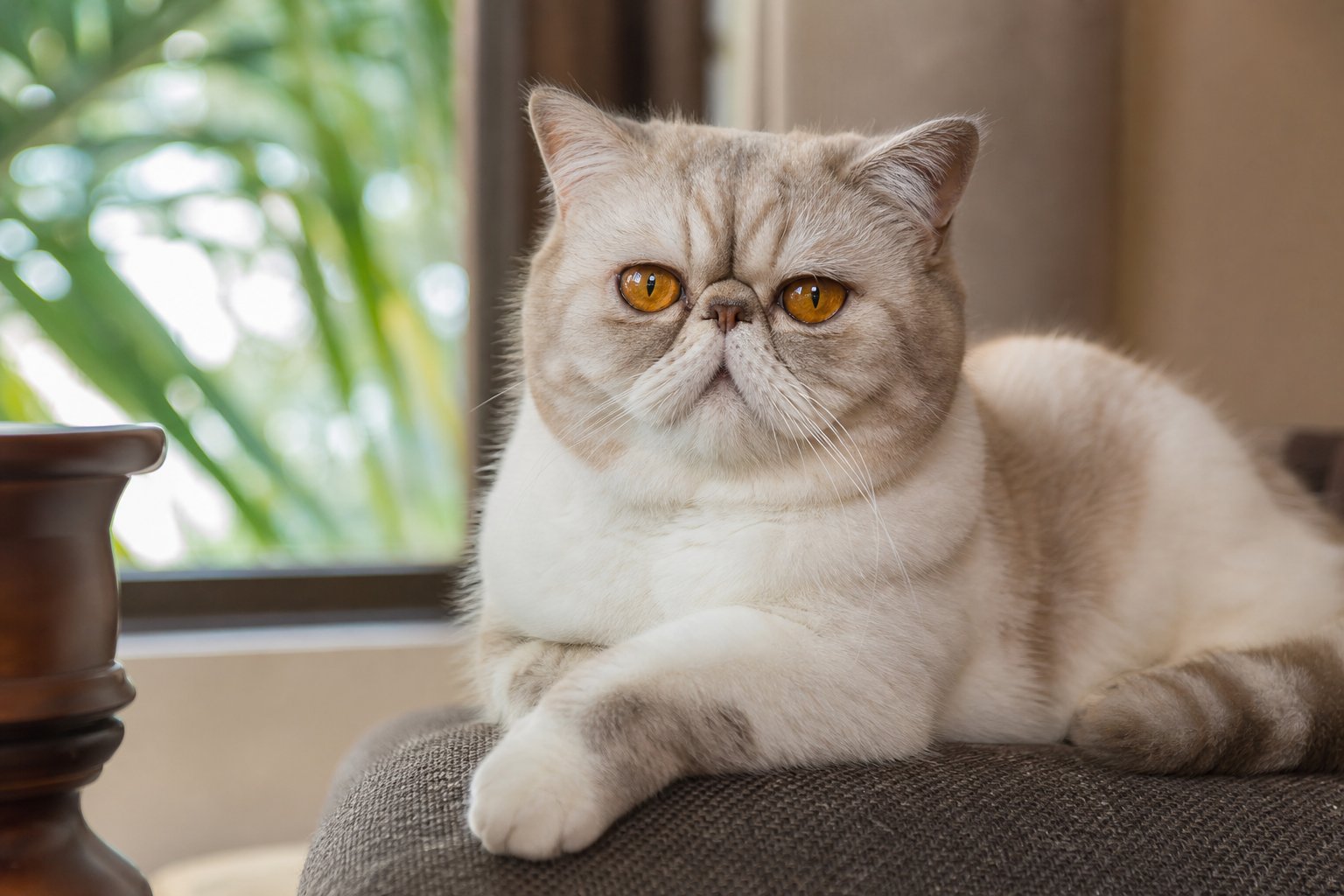
Quick answer
The Exotic Shorthair is a calm, flat-faced cat with a plush coat. In Malaysia's heat, keep it indoors in cool, ventilated rooms, groom lightly, and watch for breathing and eye issues.
Quick facts
- Origin
- United States
- Size
- Medium
- Lifespan
- 12-15 years
- Weight
- Not documented
- Coat
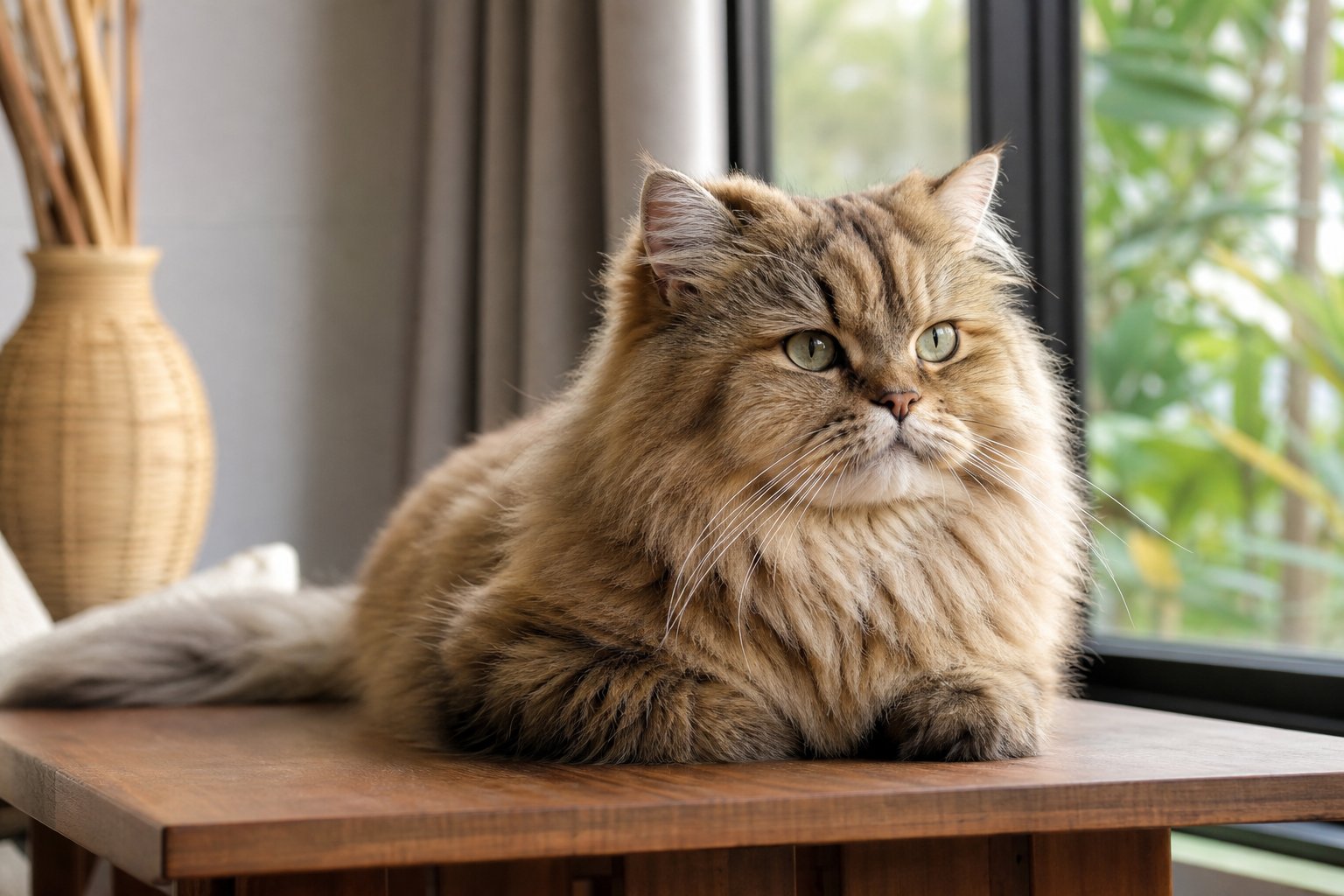
- Short, dense, plush
- Price guidance
- Ask local breeders for a current quote; prices vary with papers, colour, size and availability.
Personality
- Calm
- Affectionate
- Quiet
- Easygoing
- Companionable
The Exotic Shorthair combines a gentle, affectionate nature with a low-maintenance coat. For Malaysian owners, the main challenge is managing the tropical climate, as the breed's flat face makes overheating and breathing difficulties more likely. With indoor care and routine vet checks, they adapt well to apartment living.
Temperament: Calm and Affectionate
The Exotic Shorthair is known for a sweet, easygoing temperament that suits Malaysian households. They are quiet cats that enjoy company and often follow their owners from room to room. Unlike more active breeds, they are content to lounge nearby rather than climb curtains. They generally get along with children and other pets, making them a good fit for families in condos. Their calm nature means they rarely demand attention loudly, but they do appreciate gentle play and cuddles. Because they are not very vocal, owners should watch for subtle signs of discomfort, especially in the heat. Overall, they are companionable cats that thrive on routine and a peaceful indoor environment.
Daily Life in a Malaysian Home
In Malaysia's hot and humid climate, the Exotic Shorthair should live indoors in a cool, well-ventilated space. Air-conditioning or fans help prevent overheating, especially during the midday heat. Apartments and condos suit them well as they are not overly active. Set up a quiet corner with a soft bed away from direct sun. Fresh water must be available at all times. Avoid taking them outside during the hottest part of the day. Their flat face means they tire easily, so short play sessions are better than long, intense ones. Keep their environment clean and free of dust to support breathing. A predictable daily routine keeps them relaxed and healthy.
Grooming: Low Maintenance but Regular
The Exotic Shorthair's dense, short coat is easier to manage than that of longhaired breeds, but it still needs regular attention. Brush once or twice weekly with a soft brush to remove loose hair and reduce shedding. Their flat face requires daily care: wipe around the eyes and nose with a damp cotton pad to remove discharge and prevent staining. Because they tear easily, keep the area dry. Check ears weekly and clean gently if needed. Bathe occasionally with a cat-safe shampoo, but not too often to avoid drying the skin. In Malaysia's humidity, ensure the coat stays dry, especially around skin folds, to prevent irritation. Regular grooming also helps you spot early signs of skin or eye problems.
Exercise: Gentle and Short
Exotic Shorthairs are not highly active cats, but they still need daily exercise to maintain a healthy weight and muscle tone. In Malaysia's climate, exercise should be gentle and timed for cooler parts of the day, such as early morning or evening. Use interactive toys like feather wands or laser pointers for short sessions of five to ten minutes. Puzzle feeders can provide mental stimulation without strenuous activity. Avoid encouraging jumping from high places, as their build can make landings awkward. Because they overheat easily, never exercise them in direct sun or during the hottest hours. A few short play sessions daily, combined with a comfortable indoor environment, are enough to keep them fit and content.
Training: Patient and Positive
Exotic Shorthairs are intelligent but not particularly driven, so training should be patient and reward-based. They respond well to gentle encouragement and treats, but may lose interest if sessions are too long. Keep training short, just a few minutes at a time, and focus on basic cues like coming when called or using a litter box. They are naturally clean cats and usually take to litter training easily. Use positive reinforcement to teach them to accept grooming and eye cleaning, which are essential for their health. Avoid harsh corrections, as they are sensitive to stress. In a Malaysian home, training sessions should be held in a cool, quiet room to keep them comfortable and focused.
Diet: Balanced and Controlled
A balanced diet is important for the Exotic Shorthair, which can be prone to weight gain due to its calm nature. Choose high-quality cat food appropriate for their age and lifestyle, and measure portions to prevent overfeeding. In Malaysia's heat, ensure fresh water is always available to prevent dehydration. Some flat-faced cats have difficulty eating from deep bowls, so use shallow, wide dishes. Avoid giving human food, especially spicy or salty snacks. Treats should be occasional and small. If you notice weight gain or loss, consult a vet for advice. A consistent feeding schedule helps maintain digestive health and overall well-being. Always transition to new foods gradually to avoid stomach upset.
Health: Watchful Care
The Exotic Shorthair's flat face makes it prone to breathing difficulties, especially in Malaysia's heat and humidity. Watch for laboured breathing, worsening snoring, or refusal to eat, and see a vet quickly. Their eyes tear easily and can develop discharge or infections, so daily wiping and routine checks are important. Dental problems are also common due to the shape of their mouth, so regular dental care is advised. Inherited kidney disease has been documented in the breed, so routine blood tests at check-ups are wise. Keep them indoors in cool, ventilated rooms and avoid midday activity. Early detection of health issues greatly improves outcomes, so schedule regular vet visits.
Brachycephalic Airway Syndrome
Watch for: Laboured breathing, noisy breathing, snoring, reluctance to exercise, or open-mouth breathing, especially in heat.
Care: Keep in cool, well-ventilated rooms, avoid midday heat, use harness instead of collar, and consult a vet if breathing seems difficult.
Eye Problems (Tearing and Discharge)
Watch for: Watery eyes, discharge, staining around eyes, squinting, or redness.
Care: Wipe eyes daily with a damp cotton pad, keep face dry, and see a vet if discharge persists or changes color.
Dental Disease
Watch for: Bad breath, drooling, difficulty eating, or pawing at the mouth.
Care: Brush teeth regularly if possible, provide dental-friendly food or toys, and schedule professional dental checks with a vet.
Polycystic Kidney Disease
Watch for: Increased thirst and urination, weight loss, decreased appetite, or lethargy.
Care: Ask your vet about screening, include routine blood and urine tests at check-ups, and follow veterinary advice for kidney health.
Choosing an Exotic Shorthair in Malaysia
When choosing an Exotic Shorthair in Malaysia, look for a healthy kitten from a responsible breeder. The breed's flat face means you should ask about breathing and eye health in the parents. Meet the kitten in person if possible and observe its activity level and breathing. A healthy kitten should be curious and comfortable. Avoid kittens that seem lethargic or have visible discharge from eyes or nose. Consider adopting from a rescue group, as some Exotic Shorthairs need new homes. Ensure the kitten has been vet-checked and vaccinated. Because the breed needs a cool indoor environment, confirm your home can provide that before bringing one home. Plan for regular vet care and grooming from the start.
Caring in Malaysia
- The dense, short coat suits Malaysian weather, but flat-faced Exotics overheat easily. Keep them indoors in cool, well-ventilated rooms, avoid midday activity, and always provide fresh water and a shaded resting spot.
- Grooming is light, so brush the plush coat once or twice weekly to lift loose hair. Wipe around the eyes and nose daily, as flat faces tear easily and collect discharge.
- Watch for laboured breathing, worsening snoring, or refusal to eat in the heat, and see a vet quickly. Also check for watery eyes, dental problems and inherited kidney disease at routine check-ups.
Frequently asked questions
Do Exotic Shorthairs cope well with Malaysia's hot weather?
No, they are prone to overheating due to their flat faces. Keep them indoors in cool, well-ventilated rooms with fans or air-conditioning, avoid midday activity, and always provide fresh water and shade.
How often should I groom my Exotic Shorthair?
Brush once or twice weekly to remove loose hair. Wipe around the eyes and nose daily to prevent discharge buildup. Check ears weekly and bathe occasionally as needed.
Are Exotic Shorthairs good for apartment living in Malaysia?
Yes, their calm and quiet nature suits apartments. They are not very active and are content indoors. Just ensure the apartment stays cool and well-ventilated to prevent overheating.
What health issues should I watch for in an Exotic Shorthair?
Watch for breathing difficulties, eye discharge, dental problems, and signs of kidney disease. Regular vet check-ups and daily eye care help catch issues early.
How much exercise does an Exotic Shorthair need?
Short, gentle play sessions of five to ten minutes a few times a day are enough. Avoid strenuous activity during the heat of the day and never exercise them in direct sun.
What should I feed my Exotic Shorthair in Malaysia?
Feed a balanced, high-quality cat food in measured portions to prevent weight gain. Use shallow bowls for easier eating, and always provide fresh water to prevent dehydration in the heat.
Related breeds
Cat breed guides →
Related articles
- Exotic Shorthair Price in Malaysia: Buying, Adoption and First-Year Costs
Exotic Shorthair prices vary widely between Malaysian breeders, so get written quotes and check the paperwork. Budget well beyond the purchase price for vaccinations, neutering, facial care and a medical reserve. Adoption through shelters is the cheaper route, though purebred Exotics rarely appear.
Related products at PetChill


Sources
Last reviewed: 2026-11-16
For health concerns, consult a licensed veterinarian in Malaysia.