
Oriental Shorthair
Oriental Shorthair · Cat · Malaysia
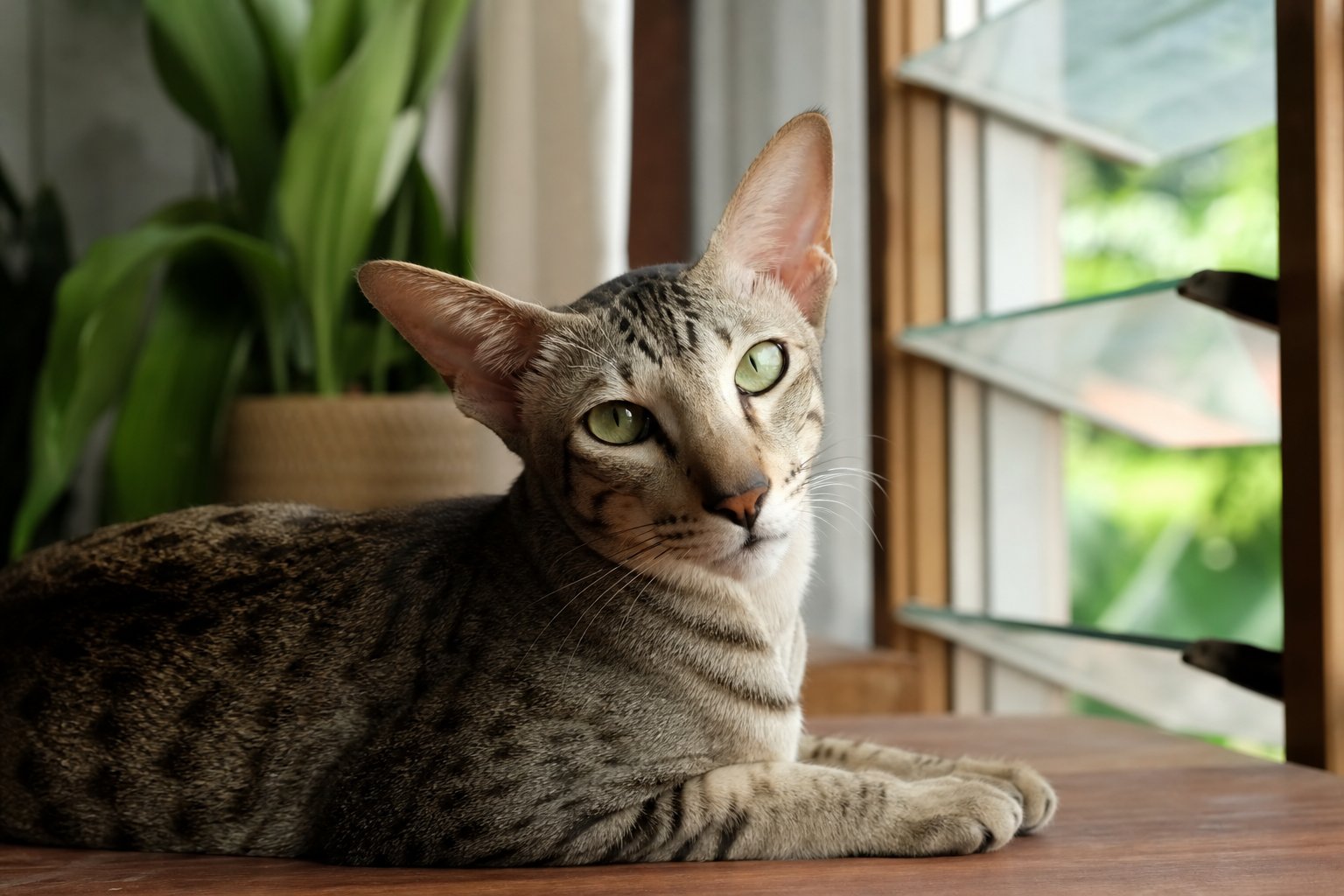
Quick answer
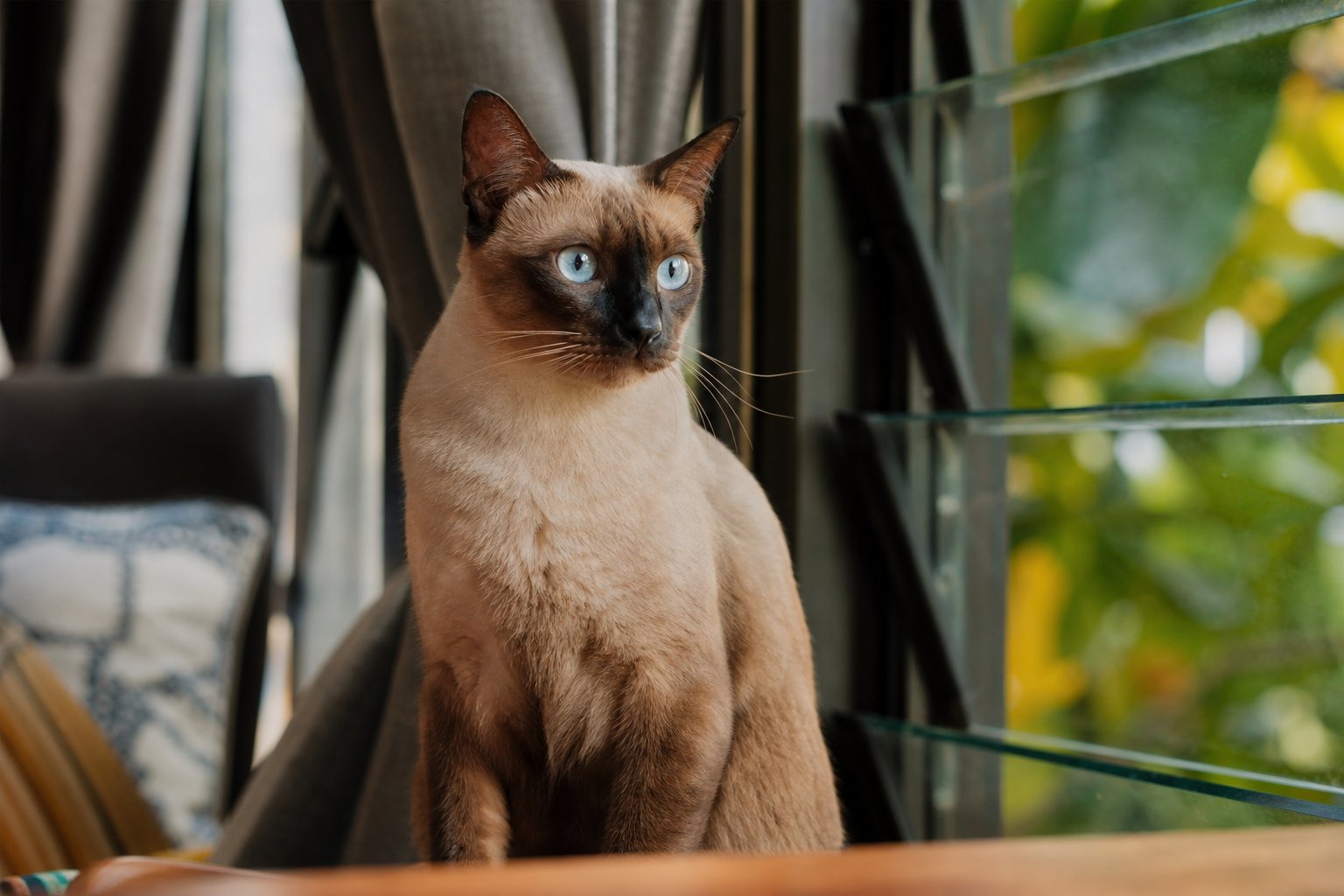
The Oriental Shorthair is a sleek, short-coated, highly social cat that suits Malaysian apartments well. It needs weekly coat wiping, daily play, dental care, and prompt vet checks for heart or dental concerns in the hot, humid climate.
Quick facts
- Origin
- England
- Size
- Medium
- Lifespan
- 12-15 years
- Weight
- Not documented
- Coat
- Short, fine, sleek coat requiring weekly wiping or brushing
- Price guidance
- Ask local breeders for a current quote; prices vary with papers, colour, size and availability.
Personality
- Social
- Talkative
- Curious
- Clever
- Affectionate
The Oriental Shorthair is an elegant, talkative cat with a fine short coat and a strong need for company. In Malaysia's hot, humid climate, its low-maintenance coat is an advantage, but indoor comfort and consistent grooming still matter. This guide covers temperament, daily care, health watch-points, and choosing a kitten or cat suited to condo living.
Temperament: A Chatty, People-Focused Companion
Oriental Shorthairs are famously sociable, curious, and talkative. They tend to follow their people from room to room, comment on everything, and dislike being left alone for long stretches. Many bond closely with one or two people and can become demanding if bored. In Malaysian apartments and condos, this means they thrive on routine interaction, vertical space, and windows with safe viewing. They are usually clever and playful into adulthood, so puzzle toys and daily conversation help prevent mischief. They are not a quiet, independent breed; expect vocal opinions and a strong need for attention. Early socialisation helps them stay relaxed with visitors, children, and other pets.
Daily Life in a Malaysian Home
Indoors is the safest place for an Oriental Shorthair in Malaysia. Air-conditioning or fans and shaded rooms help it stay comfortable in the heat, while screened windows and balcony netting prevent escapes. Because the breed is social, plan for company: a companion cat, a cat sitter, or regular play breaks reduce stress. Keep litter areas dry and well ventilated in the humidity, and refresh water often. Condo living suits this cat if you provide climbing shelves, cat trees, and window perches. Daily handling and gentle routines make vet visits and grooming easier. Watch for hiding or appetite changes, which often signal discomfort in this sensitive breed.
Grooming: Easy Coat, Careful Ears
The Oriental Shorthair's fine, short coat is simple to maintain. Wipe or brush it weekly to remove oil and loose hair, and increase to twice weekly during shedding periods. In Malaysia's humidity, keep ears clean and dry to prevent waxy build-up, and check skin folds and nail beds for irritation. Bathing is rarely needed unless the cat is soiled; use a cat-safe product and dry thoroughly. Dental care matters more than coat care for this breed: brush teeth regularly if the cat accepts it, and ask your vet about dental checks. Trim nails every few weeks and keep bedding fresh to reduce skin issues.
Exercise: Play That Works in Small Spaces
Oriental Shorthairs are active, agile cats that enjoy climbing and chasing. In a Malaysian condo, use vertical space: cat trees, wall shelves, and secured window perches give exercise without floor area. Two or three short play sessions daily with wand toys, balls, or puzzle feeders suit their clever minds. Rotate toys to prevent boredom, and consider clicker games or simple trick training for mental exercise. Avoid intense play during the hottest part of the day; early morning and evening are cooler. Because the breed is social, interactive play doubles as bonding. If your cat becomes lethargic or stops playing, treat it as a health signal and consult a vet.
Training: Cooperative, Clever, and Reward-Driven
Oriental Shorthairs respond well to positive, reward-based training. They are intelligent and often learn cues, tricks, and household routines quickly, especially when food or play rewards follow. Keep sessions short and frequent, and use a calm voice; harsh corrections damage trust with this sensitive breed. Train carrier comfort early, since vet visits are easier when the cat enters willingly. Teach name recall, stationing on a mat, and nail-trim cooperation. In Malaysian homes, train away from noisy corridors and use treats suited to the cat's diet. Because they are vocal, reward quiet behaviour if meowing becomes demanding. Consistency across household members matters more than long sessions.
Diet: Balanced Meals for an Indoor Cat
Feed a complete, balanced cat diet suited to age and activity, and measure portions to prevent weight gain in indoor condo life. Oriental Shorthairs are active but can overeat when bored, so use puzzle feeders and scheduled meals rather than free-feeding. Fresh water is essential in Malaysia's heat; some cats prefer a running fountain. Avoid giving table scraps, salty foods, or bones, and introduce any diet change gradually. Dental health links to diet, so ask your vet about textures and dental-friendly options. Keep food sealed and stored dry in the humidity, and wash bowls daily. If appetite drops or bad breath appears, seek veterinary advice promptly.
Health: Dental and Heart Watch-Points
The Oriental Shorthair is generally robust, but the breed is prone to dental issues and some genetic heart conditions. Watch for bad breath, drooling, reduced appetite, or sudden lethargic spells, and see a vet promptly. In Malaysia's humid climate, ear and skin checks are also wise. Keep vaccinations, parasite prevention, and dental checks current with a local vet you trust. Because this breed hides discomfort, note small changes in eating, play, and grooming. Avoid breeding without health screening, and ask breeders about heart and dental history. Regular check-ups support early detection, which matters for heart and dental concerns.
Dental disease
Watch for: Bad breath, drooling, reduced appetite, pawing at the mouth, or chewing on one side.
Care: Brush teeth regularly if tolerated, offer dental-friendly food or chews as advised, and arrange professional dental checks with your vet.
Genetic heart conditions
Watch for: Sudden lethargy, laboured breathing, reduced play, or fainting spells.
Care: See a vet promptly for assessment, keep routine check-ups, and ask the breeder about heart screening in the cat's lines.
Choosing an Oriental Shorthair in Malaysia
Choose an Oriental Shorthair from a responsible source that prioritises health and temperament. Ask about heart and dental history in the cat's lines, and request veterinary records rather than relying on claims. Meet the cat or kitten in person if possible, and observe energy, breathing, coat condition, and sociability. For condo living, confirm the cat is comfortable with indoor routines and household noise. Consider an adult cat if you want a known temperament. Budget for routine vet care, dental checks, and daily enrichment rather than one-off costs. Avoid impulse purchases and ensure the cat's papers and health information are clear before you commit.
Caring in Malaysia
- Its sleek, short coat suits Malaysia's heat well, but keep it indoors with fans or aircon, as it lacks thick fur to buffer strong sun and humidity.
- Grooming is easy: wipe or brush the fine short coat weekly to remove oil and loose hair, and keep ears clean to prevent waxy build-up in the humidity.
- This breed is prone to dental issues and some genetic heart conditions; watch for bad breath, drooling, reduced appetite, or sudden lethargic spells and see a vet promptly.
- notesMs
Frequently asked questions
Is the Oriental Shorthair suitable for Malaysian apartments?
Yes, it suits apartment living when kept indoors with vertical space and daily interaction. Its short coat handles humidity well, but it needs company, play, and screened windows. Condo life works best with cat trees, window perches, and a routine that prevents boredom and loneliness.
How often should I groom an Oriental Shorthair?
Groom weekly with a wipe or soft brush to remove oil and loose hair. In Malaysia's humidity, check and clean ears regularly to prevent waxy build-up. Increase brushing during shedding, and brush teeth often because dental issues are a known breed tendency.
Are Oriental Shorthairs vocal or quiet?
They are typically vocal and talkative, using meows and chirps to communicate. Expect a cat that comments on daily life and seeks conversation. Reward quiet behaviour and provide play and puzzle toys so vocal demands do not become a habit.
What health issues should I watch for?
Watch for dental problems and some genetic heart conditions. Signs include bad breath, drooling, reduced appetite, sudden lethargy, or breathing changes. See a vet promptly if these appear, and keep routine dental and health checks with a local clinic.
Can an Oriental Shorthair live with children and other pets?
Often yes, with early socialisation and gentle introductions. This sociable breed usually enjoys company, but its sensitive nature means children should be taught calm handling. Supervise interactions, provide escape spaces, and match the cat with pets that respect its space.
How much exercise does an Oriental Shorthair need?
It needs daily interactive play, ideally two or three short sessions. Use wand toys, puzzle feeders, and climbing shelves to suit condo living. Play during cooler morning or evening hours, and treat sudden loss of playfulness as a reason to consult a vet.
Related breeds
Cat breed guides →
Related articles
- Oriental Shorthair Dental Care in Malaysia: 7 Downsides to Weigh Before You Commit
Oriental Shorthairs pack a big personality into a slim body — and a small, crowded jaw that needs daily attention. Here is the honest list of seven downsides, plus a working dental plan for Malaysian owners.
- Oriental Shorthair Lifespan in Malaysia: Health Risks, Dental Care and an Age-by-Age Longevity Checklist
Oriental Shorthairs typically live 12–15 years, and 17 is achievable for indoor, lean, screened cats. Four breed-linked risks deserve early attention: HCM heart disease, dental disease, airway sensitivity, and congenital deafness in white blue-eyed cats.
Related products at PetChill


Sources
Last reviewed: 2026-11-16
For health concerns, consult a licensed veterinarian in Malaysia.