
Ragdoll
Ragdoll · Cat · Malaysia
Quick answer
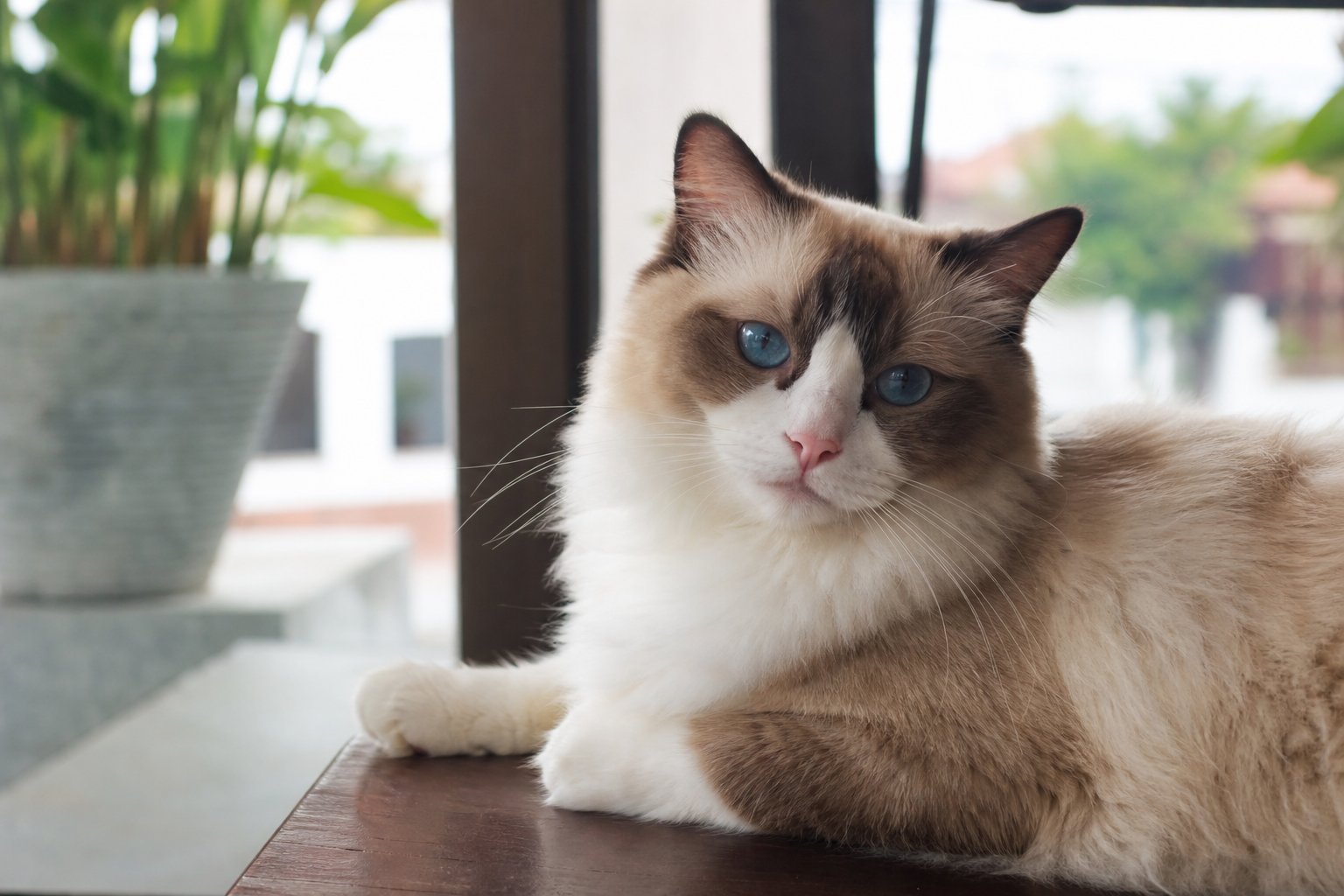
Ragdolls are calm, affectionate large cats that suit Malaysian apartments when kept strictly indoors. Brush two to three times weekly, watch weight and coat condition in the humid climate, and confirm heart and kidney screening records with the breeder.
Quick facts
- Origin
- United States
- Size
- Large
- Lifespan
- 12–15 years
- Weight
- Large breed; adults typically range roughly 4.5 to 9 kg
- Coat
- Semi-long, soft, plush coat with colourpoint patterns; needs brushing two to three times weekly
- Price guidance
- Ask local breeders for a current quote; prices vary with papers, colour, size and availability.
Personality
- Calm
- Affectionate
- Gentle
- People-oriented
- Tolerant
The Ragdoll is a large, gentle cat known for its relaxed nature and soft semi-long coat. In Malaysia's hot, humid climate and compact condo living, this breed does well indoors with consistent grooming and a cool resting spot. This guide covers temperament, daily care, health watchpoints and what to check before bringing one home.
Temperament in a Malaysian Home
Ragdolls are famously placid, people-oriented cats that tend to go limp when lifted, which is where the name comes from. They usually follow their owners from room to room and prefer company over solitude, so they suit households where someone is often home or where a second pet provides companionship. Their low-key nature makes them comfortable in apartments and condos, though they still enjoy play and climbing. They are generally tolerant and gentle with children and other pets when introductions are gradual. Because they are so calm, owners sometimes mistake quietness for contentment, so watch for subtle signs of stress such as hiding or reduced appetite, especially during hot spells or when the household routine changes.
Daily Life in a Condo or Apartment
In Malaysia, keep your Ragdoll strictly indoors to protect that pale coat from sun, dirt and street hazards, and to reduce exposure to heat and insects. Air-conditioning or a well-ventilated room with fans helps during the hottest afternoons, and several cool, elevated resting spots let the cat choose its comfort. Provide vertical space such as cat trees and window perches with shade, since condo floors are limited. Litter boxes should sit away from food and direct sun, and be scooped daily in the humid climate to control odour and bacteria. Keep a routine for meals, play and quiet time, as Ragdolls settle best with predictability. Secure windows and balconies with sturdy mesh, because a calm cat can still slip or fall.
Grooming for Humidity and Shedding
The Ragdoll's semi-long coat is soft and relatively low-maintenance compared with many longhaired breeds, but Malaysia's humidity means you should brush two to three times a week and increase to daily during shedding periods. Use a slicker brush or metal comb, working gently through the chest, armpits, belly and hindquarters where tangles form. Check the coat for matting behind the ears and under the legs, and trim nails every few weeks. Wipe the eyes and clean the ears as needed, and bathe occasionally with a cat-safe shampoo if the coat feels greasy. Drying thoroughly matters in humid weather to prevent skin irritation. Regular grooming sessions also let you check for lumps, fleas, ticks and skin changes early, which is useful in a tropical climate.
Exercise and Weight Management
Ragdolls are calm but not lazy, and they benefit from short, frequent play sessions using wand toys, feather teasers and puzzle feeders. Two or three sessions of ten to fifteen minutes daily help maintain muscle and mental stimulation, and they are easier to fit into condo life than long outdoor walks. Encourage climbing and jumping with cat trees and shelves, and rotate toys to keep interest high. Because this is a large breed prone to weight gain, especially when kept indoors with limited space, monitor body shape and waistline rather than relying on appetite alone. Avoid free-feeding dry food all day; measured meals and interactive feeders slow eating and add activity. In hot weather, schedule play for cooler mornings and evenings when the cat is more willing to move.
Training a Gentle, Cooperative Cat
Ragdolls respond well to calm, reward-based training because they are cooperative and food-motivated. Start with name recognition, coming when called, and sitting calmly for grooming, then build to harness and carrier training so vet visits are less stressful. Use short sessions of a few minutes, several times a day, and reward with treats, praise or a favourite toy. Never punish; a startled Ragdoll may become withdrawn rather than compliant. Clicker training works well for tricks such as targeting and high-fives, and it strengthens your bond. Teach household rules early, including staying off counters and away from open windows, and involve all family members so cues stay consistent. Mental work tires a calm indoor cat more effectively than extra food.
Feeding a Large Indoor Cat
Feed a complete, balanced cat food suited to your Ragdoll's life stage, and choose portion sizes based on body condition and activity rather than the packet alone. This is a large breed with a relaxed lifestyle, so measured meals twice daily help prevent gradual weight gain. Wet food supports hydration in a hot climate, and fresh water should be available in several places, refreshed often. Transition foods slowly over a week or more to avoid stomach upset. Treats should stay small and infrequent so they do not unbalance the diet. If your cat is neutered, less active, or gaining weight, ask your local vet to review the feeding plan. Avoid giving human food, especially rich or spicy dishes common in Malaysian households.
Health Watchpoints in Malaysia
Ragdolls are generally robust but have documented breed tendencies worth monitoring, including heart and kidney concerns. Ask the breeder for screening records for the parents, and continue regular veterinary checks with a local vet who knows the breed. Because the coat is long and the climate humid, watch for skin fold irritation, matting and parasite problems, and keep up flea and tick prevention as advised. Heat stress is a real risk in Malaysian weather, so provide shade, airflow and cool water, and avoid leaving the cat in hot rooms or cars. Dental care and weight control support long-term health. Report changes in appetite, thirst, breathing, litter box habits or activity promptly rather than waiting.
Hypertrophic cardiomyopathy
Watch for: Lethargy, laboured breathing, reduced appetite or sudden weakness
Care: Ask the breeder for heart screening records and arrange regular veterinary check-ups with your local vet
Polycystic kidney disease
Watch for: Increased thirst, frequent urination, weight loss or poor appetite
Care: Request kidney screening records for the parents and discuss periodic screening with your vet
Obesity and weight gain
Watch for: A thickening waistline, difficulty grooming or reluctance to jump and play
Care: Feed measured meals, limit treats and keep daily interactive play in the routine
Dental disease
Watch for: Bad breath, drooling, chewing on one side or dropping food
Care: Brush teeth where tolerated and ask your vet about dental checks at routine visits
Choosing a Ragdoll in Malaysia
Choose a breeder who lets you meet the kitten and at least one parent in a clean, well-ventilated home, and who asks questions about your household and indoor setup. Request heart and kidney screening records for the breeding cats, plus vaccination and deworming documentation, and confirm the kitten has been vet-checked. A reputable breeder will explain the coat pattern, expected adult size and grooming needs honestly, and will not rush the sale. Ask how the kittens are socialised and raised indoors, and whether they have been exposed to household noise and handling. Avoid any breeder who cannot show records or who keeps cats in poor conditions. Before bringing one home, prepare a quiet room, litter box, scratching post and carrier.
Caring in Malaysia
- Keep indoors; long coat and calm temperament suit Malaysian apartments.
- Brush two to three times a week, more during shedding.
- Ask the breeder for heart and kidney screening records.
Frequently asked questions
Are Ragdolls suitable for apartments and condos in Malaysia?
Yes, Ragdolls adapt well to apartment and condo living because they are calm and quiet indoors. They need vertical space, daily play and secure windows or balconies. Keep them strictly indoors to protect the coat and reduce heat and street risks, and provide cool, shaded resting spots during hot afternoons.
How often should I groom a Ragdoll in Malaysia's humidity?
Brush your Ragdoll two to three times a week, increasing to daily during shedding periods. Humidity can encourage matting and skin irritation, so check the chest, armpits and hindquarters each session. Dry the coat thoroughly after any bath, and use grooming time to look for fleas, ticks or skin changes.
Do Ragdolls cope well with Malaysia's hot weather?
Ragdolls can cope if kept indoors with airflow, shade and cool water. Their semi-long coat insulates but still needs management in humid conditions. Use air-conditioning or fans, avoid hot rooms and cars, and schedule play for cooler mornings or evenings. Watch for heavy panting or lethargy and cool the cat gradually if needed.
What health screening should I ask a Ragdoll breeder for?
Ask for heart and kidney screening records for the breeding cats, plus vaccination and deworming documentation. A responsible breeder will also show a veterinary health check for the kitten and let you meet the parents. Keep those records for your own vet and continue routine checks after bringing the cat home.
How much exercise does an indoor Ragdoll need?
Aim for two or three short play sessions of ten to fifteen minutes daily, plus climbing and puzzle toys. Ragdolls are calm but still need activity to maintain muscle and prevent weight gain. Interactive wand play and food puzzles work well in small spaces, especially during cooler parts of the day.
Are Ragdolls good with children and other pets?
Ragdolls are generally gentle and tolerant, making them a good fit for families with respectful children and other pets. Introductions should be gradual and supervised, and children should be taught to handle the cat calmly. Because Ragdolls are placid, watch that they are not overwhelmed or carried roughly during play.
Related breeds
Cat breed guides →
Related articles
- Ragdoll Cat Colours and Patterns: Point, Mitted and Bicolor Explained
Quick answer: a Ragdoll's look is six body colours multiplied by three patterns (point, mitted, bicolor), with an optional lynx overlay. Every Ragdoll is born near-white and colours up over one to two years. Pattern affects grooming effort only — never health or temperament.
- Ragdoll in Malaysia: The 8 Real Costs Before You Bring One Home
Quick answer: Ragdolls are gentle, tolerant and beginner-friendly, but they need 5–10 minutes of daily brushing, a bigger food and litter budget than a short-haired cat, company most of the day, tropical heat management and a plan for heart and kidney screening. Meet those five, and a Ragdoll is one of the safest long-haired picks.
Related products at PetChill




Sources
Last reviewed: 2026-11-16
For health concerns, consult a licensed veterinarian in Malaysia.