
Turkish Van
Turkish Van · Cat · Malaysia
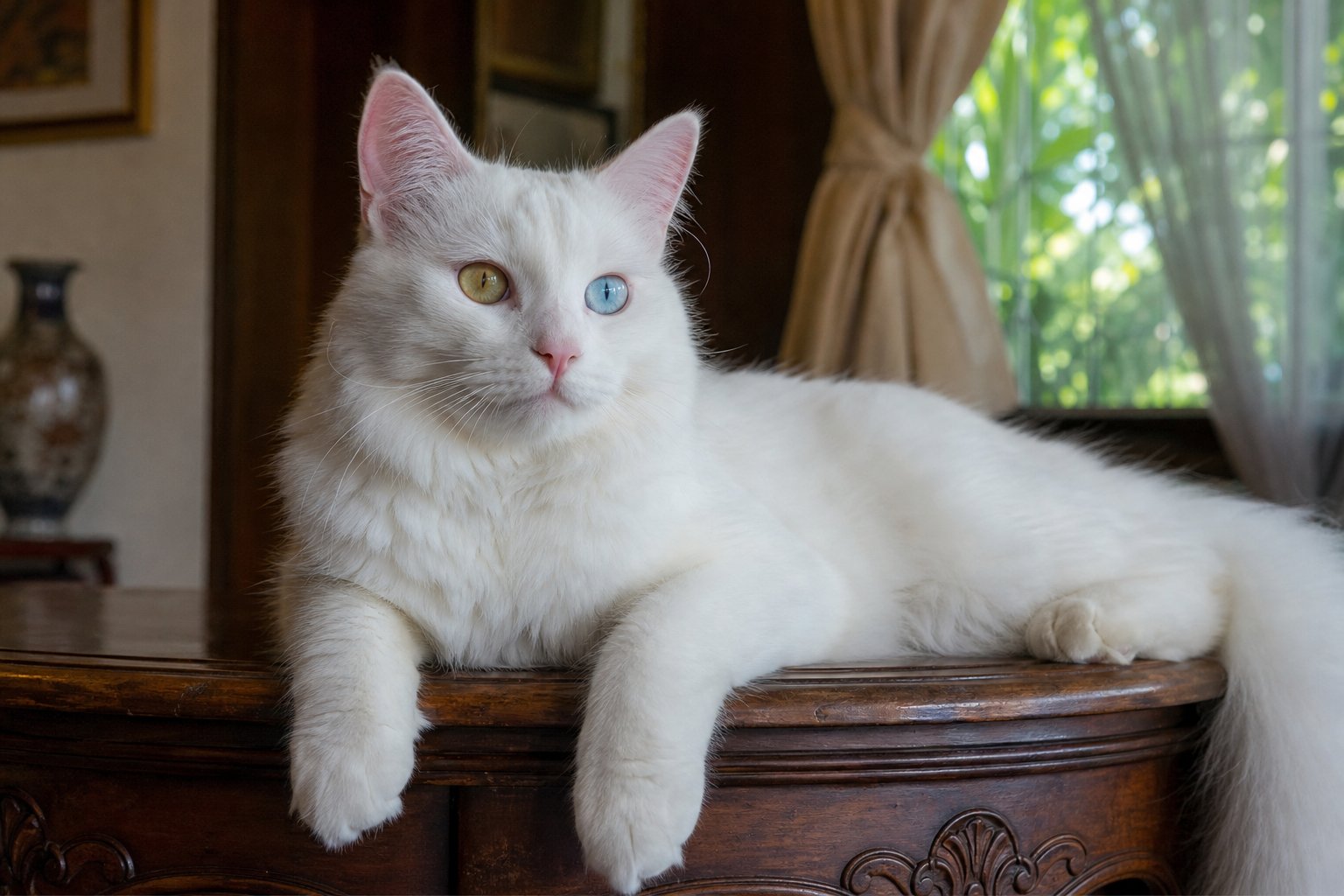
Quick answer
Turkish Vans are active, affectionate cats with a water-resistant coat. In Malaysia, they suit air-conditioned condos with vertical space, weekly combing, and interactive play. They bond closely and dislike isolation.
Quick facts
- Origin
- Türkiye
- Size
- Medium to large
- Lifespan
- 12-17 years
- Weight
- Medium to large; typically 4-9 kg
- Coat
- Semi-long, water-resistant, weekly combing needed
Personality
- Affectionate
- Active
- Intelligent
- Curious
- Sociable
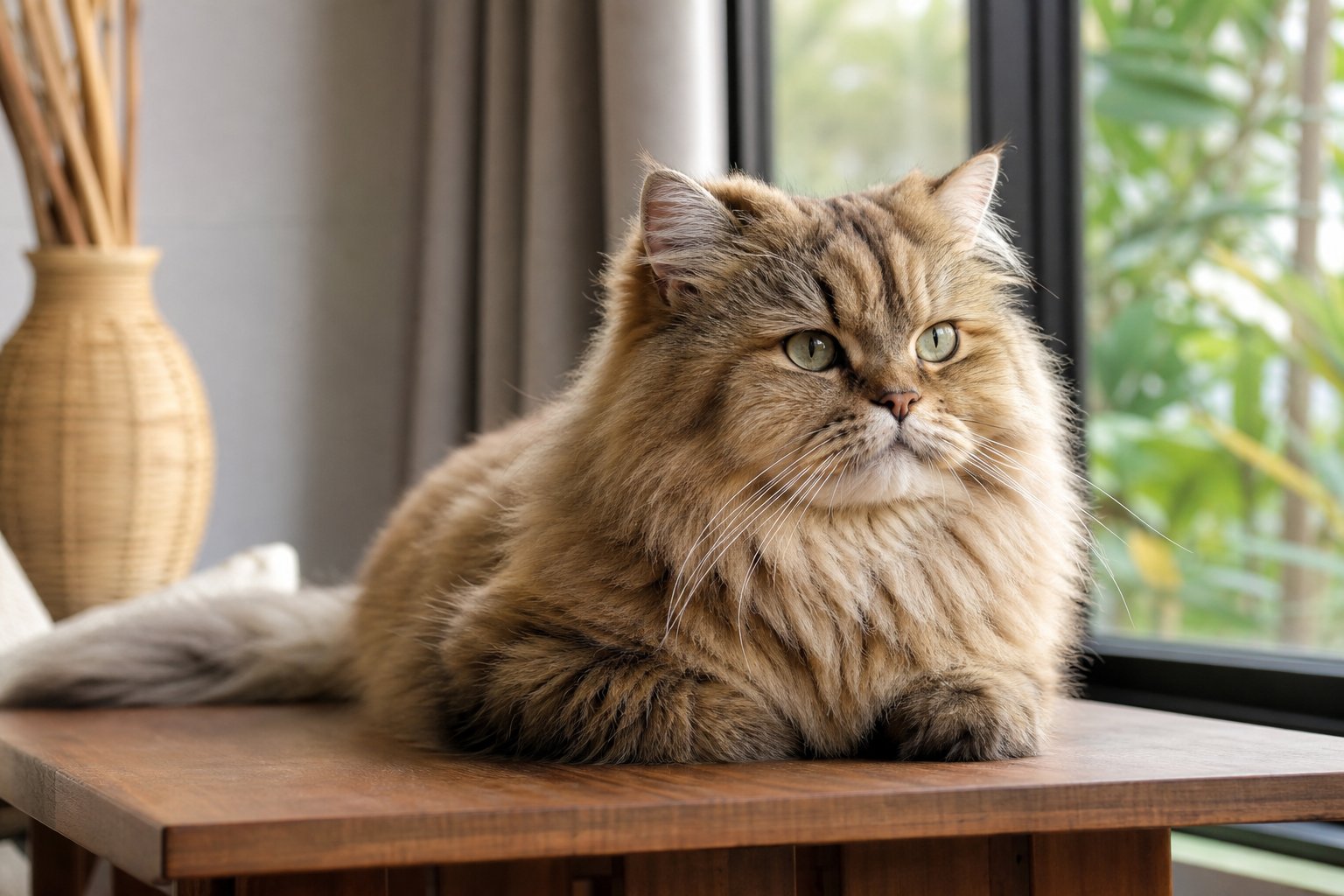
The Turkish Van is a medium-to-large cat from Türkiye, known for its semi-long water-resistant coat and lively, people-oriented nature. In Malaysia's hot, humid climate, they adapt well to indoor condo life if given climbing space and regular grooming. This guide covers practical care for owners in Malaysia.
Temperament: Affectionate and Active
Turkish Vans are famously affectionate and form strong bonds with their people. They often follow owners from room to room and dislike long periods alone. Despite their sociable nature, they are active and playful, enjoying climbing and exploring vertical spaces. In Malaysian apartments, this means they appreciate tall cat trees and shelves. They are intelligent and curious, often learning routines and opening doors. They can be vocal when seeking attention. While friendly, they may choose a favourite person. They generally tolerate children and other pets if introduced gradually. Their playful energy can turn into mischief, so provide enrichment. They are not lap cats for long stretches but enjoy close company. Their water fascination is well known, often playing with taps or shallow water.
Daily Life in a Malaysian Home
In Malaysia's hot and humid climate, Turkish Vans thrive indoors with air conditioning or good ventilation. Apartments and condos are suitable if you provide vertical space like cat trees and window perches. They enjoy watching outdoor birds but should stay inside for safety. Daily life involves interactive play sessions and companionship. They dislike being left alone for long hours, so consider a companion or scheduled check-ins. Their water-resistant coat handles humidity well, but ensure fresh water is always available. Keep litter boxes clean and away from food areas. Malaysian homes often have tiled floors, which can be slippery for active cats; provide rugs or mats. Secure windows and balconies to prevent falls. Establish a routine with feeding, play, and grooming to keep them content.
Grooming for Humidity and Shedding
The Turkish Van's semi-long, water-resistant coat needs weekly combing to prevent mats, especially in Malaysia's humid climate. During shedding season, comb more often, perhaps every other day, to remove loose hair. Use a stainless steel comb or slicker brush. Their coat repels water, so bathing is rarely needed; spot clean as necessary. Check ears weekly for dirt or redness, and clean gently with a vet-approved solution. Trim nails every few weeks if they don't wear down naturally. Dental care is important: brush teeth regularly with pet-safe toothpaste. Their water fascination means they may splash in bowls; use a shallow basin for play rather than a full bath. Dry any wet fur thoroughly to prevent skin issues in humid conditions. Regular grooming also reduces hairballs.
Exercise for Condo Living
Turkish Vans are active cats that need daily exercise to stay healthy and happy. In Malaysian condos, create vertical space with cat trees, wall shelves, and window perches. Interactive play sessions with wand toys, laser pointers, and puzzle feeders stimulate their mind and body. Aim for at least two play sessions of 10-15 minutes each day. They enjoy running water, so a shallow basin or pet fountain can provide entertainment. Rotate toys to prevent boredom. If your condo has a secure balcony, supervised outdoor time in a cat-proof enclosure can be enriching, but always prioritise safety. Avoid letting them roam freely outdoors due to traffic and predators. Exercise helps prevent obesity and boredom-related behaviours. Adjust intensity during hot afternoons; play during cooler mornings or evenings.
Training and Enrichment
Turkish Vans are intelligent and can learn basic cues like sit, come, and fetch. Use positive reinforcement with treats and praise. Short, frequent sessions work best. They may not always comply, so patience is key. Clicker training can be effective. Provide puzzle toys and food-dispensing balls to challenge their mind. They enjoy interactive games and may learn to walk on a harness if introduced gradually. In Malaysian apartments, train them to use scratching posts and stay off counters. Consistency and routine help. They are sociable, so training sessions double as bonding time. Avoid punishment, which can damage trust. Enrichment includes climbing structures, window views, and water play. Rotate toys and introduce new challenges regularly. Their curiosity means they may investigate cabinets; use childproof locks if needed.
Diet for a Healthy Weight
Turkish Vans are medium-to-large cats prone to obesity if overfed. In Malaysia, choose a high-quality cat food with animal protein as the main ingredient. Portion control is essential; follow feeding guidelines based on weight and activity level. Measure food rather than free-feeding. Wet food can help with hydration, especially in humid weather. Ensure fresh water is always available; some cats prefer running water, so a pet fountain may encourage drinking. Avoid human foods, especially toxic ones like onions, garlic, and chocolate. Treats should be limited. Consult a local vet for specific dietary advice, as individual needs vary. Monitor weight regularly and adjust portions. Senior cats may need different formulas. Keep food sealed to prevent pests in tropical climates.
Health Care in Malaysia
Turkish Vans are generally healthy, but watch for breed tendencies like hypertrophic cardiomyopathy and patellar luxation. In Malaysia's hot climate, monitor for heat stress and ensure good ventilation. Regular vet check-ups are important; establish a relationship with a local vet experienced with cats. Keep vaccinations and parasite prevention up to date, especially in humid conditions where fleas and ticks thrive. Dental care is often overlooked; brush teeth and consider professional cleanings. Grooming helps prevent skin issues. Watch for signs of illness like lethargy, appetite changes, or breathing difficulties. Senior cats need more frequent check-ups. Avoid self-diagnosing; consult a vet for any concerns. Provide a safe, stress-free environment to support overall health.
Hypertrophic Cardiomyopathy
Watch for: Lethargy, difficulty breathing, reduced appetite, or fainting.
Care: Regular vet check-ups with heart screening; manage stress and follow vet advice.
Patellar Luxation
Watch for: Limping, reluctance to jump, or abnormal gait.
Care: Keep weight healthy, provide joint-friendly surfaces, and consult vet for treatment.
Obesity
Watch for: Weight gain, reduced activity, or difficulty grooming.
Care: Portion control, regular exercise, and vet-guided diet plan.
Choosing a Turkish Van in Malaysia
When choosing a Turkish Van in Malaysia, look for a reputable breeder or adoption centre. Ask about health screening of parent cats, especially for heart and joint conditions. Meet the kitten's parents if possible to assess temperament. A healthy kitten should be active, curious, and have clean eyes, ears, and coat. Avoid kittens that seem lethargic or have discharge. Confirm vaccinations and deworming records. Consider adopting an adult cat if you prefer a known personality. Turkish Vans bond closely, so spend time interacting before deciding. Ensure your home is cat-proofed with secure windows and balconies. Be prepared for a sociable cat that dislikes long isolation. Factor in grooming and vet care costs without focusing on price. Choose a cat that suits your lifestyle and commitment level.
Caring in Malaysia
- Many Turkish Vans enjoy running water; offer a shallow basin to play in rather than a full bath.
- The water-resistant semi-long coat needs weekly combing, and more often during shedding season.
- This breed bonds closely with people: give it tall climbing space and company rather than long isolation.
Frequently asked questions
Are Turkish Vans suitable for apartments in Malaysia?
Yes, Turkish Vans can adapt to apartment living if provided with vertical space and daily play. They are active but can thrive indoors with cat trees and interactive toys. Ensure secure windows and balconies. They bond closely with owners and dislike long isolation, so companionship is important.
How often should I groom my Turkish Van in Malaysia's humidity?
Groom your Turkish Van weekly with a comb to prevent mats, and more often during shedding season. The humid climate can make the coat prone to tangles, so regular grooming is key. Check ears and nails regularly. Their water-resistant coat rarely needs bathing.
Do Turkish Vans need air conditioning in Malaysia?
Turkish Vans can tolerate Malaysia's heat but benefit from air conditioning or good ventilation. Provide cool, shaded areas and fresh water. Avoid leaving them in hot rooms. Their water-resistant coat handles humidity, but ensure they don't overheat during play.
Are Turkish Vans good with children and other pets?
Yes, Turkish Vans are generally sociable and can get along with children and other pets if introduced gradually. They are playful and affectionate but may need space. Supervise interactions with young children. Their strong bond with owners means they enjoy family company.
What health issues should I watch for in Turkish Vans?
Watch for hypertrophic cardiomyopathy, patellar luxation, and obesity. Regular vet check-ups help early detection. In Malaysia's climate, monitor for heat stress and parasites. Keep vaccinations current and maintain dental care. Consult a local vet for any concerns.
How much exercise does a Turkish Van need daily?
Turkish Vans need at least two interactive play sessions of 10-15 minutes daily, plus climbing opportunities. They are active and curious, so rotate toys and provide puzzle feeders. In hot weather, play during cooler times. Exercise prevents boredom and obesity.
Related breeds
Cat breed guides →
Related articles
- Turkish Van Cat Malaysia: Care, Grooming, Space and Health Risks for New Owners
The Turkish Van needs vertical space, daily play, weekly brushing and early screening for heart disease and deafness. Here is how to set up and care for one in a Malaysian home.
Related products at PetChill


Sources
Last reviewed: 2026-11-16
For health concerns, consult a licensed veterinarian in Malaysia.