
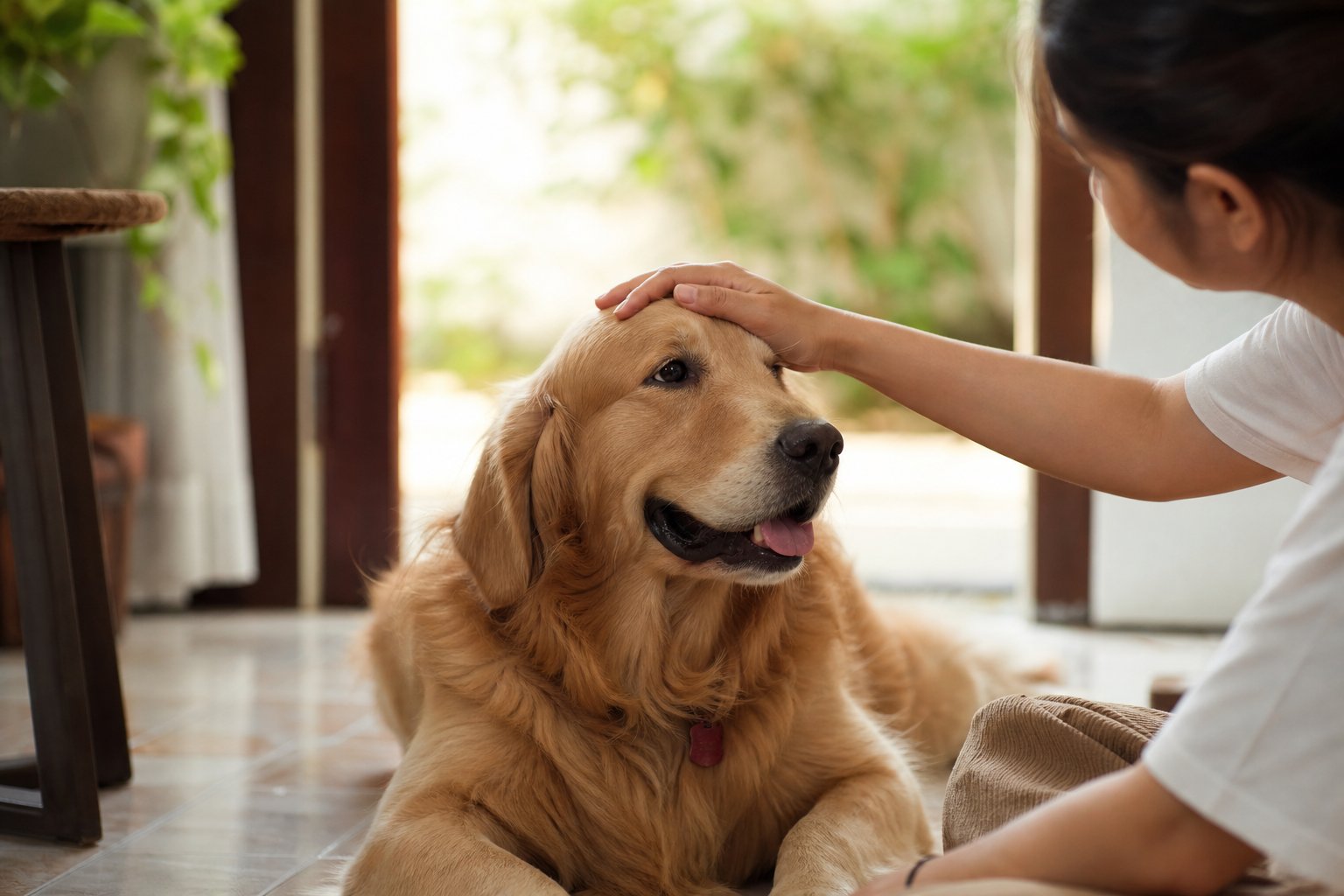
Chapter 10: Local mixed breeds and rescue dogs
Many Malaysian homes are filled with mixed-breed dogs, often called mongrels or pariah dogs. They tend to be hardy, adaptable, and well suited to our climate, with fewer genetic health issues than some purebreds. Adopting from a shelter or a family with a litter is a common way to get a dog here, and shelters usually arrange basic health checks before handover.
This chapter is about giving that kind of dog a good life in a Malaysian setting — a flat or a landed house, hot and humid weather, and the daily routines of local families. The aim is not to treat a mixed-breed dog as a "low-maintenance" pet. Hardy does not mean indestructible. It means the dog often copes well with heat and everyday conditions, but it still needs shade, clean water, exercise, training, and veterinary care like any other dog. The notes below apply to cats from local mixed backgrounds too, since many rescue cats in Malaysia share the same adaptable traits and the same basic needs.
Settling a rescue dog into a Malaysian home
A newly adopted dog, whether from a shelter or a family with a litter, usually needs a quiet first week. Set up one safe space — a corner with bedding, water within reach, and somewhere out of direct sun. In a flat, that might be a shaded balcony area or a room away from the main door; in a landed house, a covered corridor or a gated section works well. Keep the first days calm: limited visitors, short and gentle handling, and no long trips.
Watch the dog's routine rather than forcing affection. Rescue dogs often need time to trust. Feed at the same times each day, take the same short walking route, and let the dog approach you. If there are children, teach them to sit quietly and let the dog come to them. For cats, the same principle applies: a quiet room, a litter tray placed away from food, and gradual introduction to the rest of the house.
Heat and humidity matter here. Walk dogs in the early morning or after the sun has softened in the evening, not at midday. Check the pavement with the back of your hand — if it is too hot to hold, it is too hot for paws. Always carry water on walks. Never leave a dog or cat in a parked car, even briefly, and make sure indoor spaces have airflow. In apartments, fans and open windows with secure screens help; in landed homes, ensure shade is available all day, not just under one tree that moves with the sun.
Health checks, vaccination, and everyday care
Shelters usually arrange basic health checks before handover, but that is a starting point, not a full guarantee. Ask what was done and get any records in writing if possible. Then book your own visit to a veterinarian soon after adoption for a general check, to discuss vaccination and deworming schedules, and to plan sterilisation if it has not been done. Follow the vet's advice on timing — do not guess.
Tropical conditions bring their own concerns. Ticks and fleas are common, so ask your vet about parasite prevention suited to your dog's age and lifestyle. Keep an eye on ears, especially in floppy-eared dogs, and dry them gently after baths or swims. Skin issues can flare in humid weather; regular brushing helps you notice problems early. For cats, keep the litter tray clean and watch for changes in appetite or litter habits.
Grooming needs vary. Short-coated local mixed breeds often need only regular brushing and occasional baths, but double-coated dogs shed heavily and benefit from more frequent brushing, especially in hot months. Do not shave a dog down to the skin without veterinary advice — coat provides protection from sun. Trim nails when they click on the floor, and check paws for cracks or irritation.
Training, exercise, and apartment living
Mixed-breed dogs are often intelligent and quick to learn, which makes basic training worthwhile. Start with name recognition, sit, come, and loose-leash walking. Short, frequent sessions work better than long ones, especially in heat. Use treats and praise, and keep training positive. A dog that is mentally tired is usually calmer at home.
Exercise needs vary by size and energy, so observe your dog rather than following a fixed rule. A brisk morning walk and a shorter evening walk suit many apartment dogs; active dogs may need more. In flats, indoor play with toys and simple scent games help. In landed homes, a securely fenced area is useful, but never leave a dog unsupervised near an open gate. Cats benefit from vertical space — shelves or a cat tree — and short play sessions with a wand toy.
Socialisation matters. Introduce your dog gradually to other dogs, people, and everyday sounds like motorbikes and thunder. Avoid crowded places until the dog is comfortable. If your dog shows fear or aggression, seek help from a qualified trainer rather than pushing through.
Checklist for the first month
- Safe, shaded space with bedding and constant access to clean water
- Vet visit booked; vaccination, deworming, and parasite prevention discussed
- Sterilisation plan confirmed with your vet
- Collar or harness with an ID tag, and a secure leash
- Feeding routine set, with portions agreed with your vet
- Short daily walks at cooler times, water carried
- Basic training started: name, sit, come, leash manners
- Children and visitors briefed on calm, gentle handling
- Grooming routine begun: brushing, nail checks, ear checks
- Litter tray, scratching posts, and vertical space for cats
- Emergency contact details for your vet saved on your phone
Common mistakes to avoid
- Assuming a mixed-breed dog needs less care because it is "hardy"
- Skipping the post-adoption vet visit because the shelter did a basic check
- Walking at midday or on hot pavement
- Leaving a pet in a parked car, even for a few minutes
- Bathing too often, which can dry out skin in air-conditioned homes
- Shaving a double-coated dog to the skin
- Free-feeding without measuring, which makes weight hard to manage
- Letting a new rescue dog meet many people in the first week
- Punishing fear or growling instead of addressing the cause
- Leaving gates or windows unsecured in landed homes and flats
When to ask a vet
Contact a veterinarian promptly if you notice: refusal to eat or drink for more than a day; vomiting or diarrhoea that persists; laboured breathing or excessive panting that does not settle after rest; lethargy or collapse; limping or paw injuries; ear discharge, head shaking, or a bad smell; skin rashes, hair loss, or persistent scratching; signs of pain when touched; straining to urinate or defecate; or any sudden change in behaviour. For cats, also watch for hiding, reduced grooming, or changes in litter tray use. When in doubt, call the clinic and describe what you see — it is better to ask than to wait.