
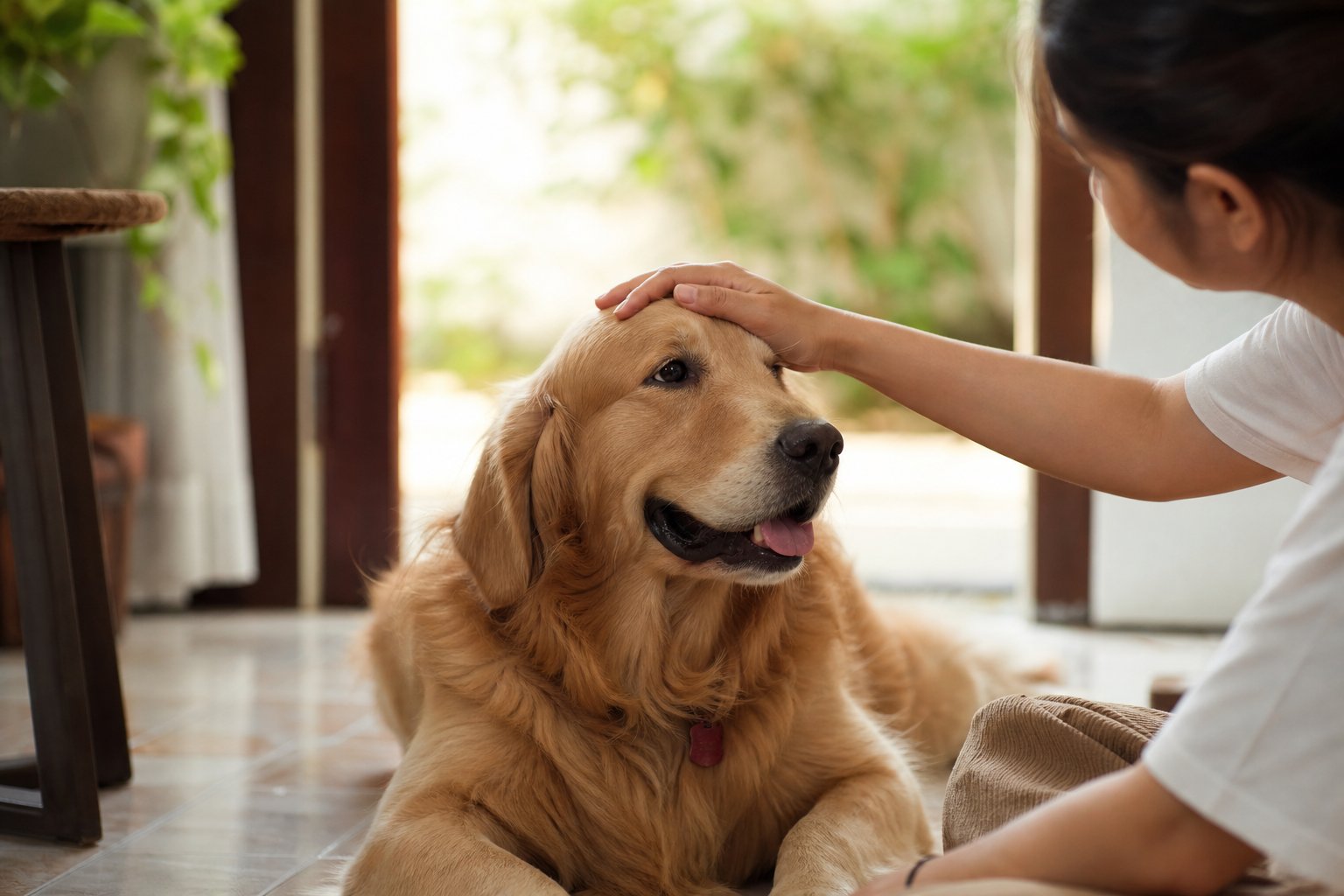
Chapter 2: Coat in a tropical climate
Chapter 2: Coat in a tropical climate
Grooming, heat and paw care for double coats and short coats.
Malaysia's heat and humidity change what coat care needs to look like. A coat that would be fine in a cooler, drier country can trap heat and moisture here, and the same humidity that makes walks uncomfortable for you can leave a dog or cat's skin damp and irritated. This chapter keeps the original practical check and local-context note, then adds detail on brushing, heat, and paw care so you can adapt the advice to your own home, climate and routine.
Brushing and coat type in heat and humidity
Double-coated breeds (think husky-types, many spitz breeds, and long-haired cats) carry a soft undercoat beneath a longer topcoat. That undercoat insulates against both cold and heat, but in a tropical climate it also holds warmth and moisture close to the skin. Regular brushing removes loose undercoat before it mats, which improves airflow and reduces the damp, tangled patches where skin problems start. Short-coated dogs and cats need less brushing but still benefit from a quick weekly pass to lift loose hair and check the skin underneath.
- Double coats: brush several times a week, more often during heavy shedding. Work in sections and reach the undercoat rather than just the surface. Never shave a double coat down to the skin unless a vet advises it for a medical reason; the topcoat helps regulate temperature and protects skin from sun.
- Short coats: a soft brush or rubber curry comb once or twice a week is usually enough. Check folds and armpits where moisture can sit.
- Long-haired cats: daily or near-daily brushing prevents mats, especially around the belly and hindquarters where cats struggle to reach.
- After rain or a swim: dry the coat thoroughly, particularly the undercoat, so damp doesn't linger against the skin.
Heat, humidity and the coat
A heavy coat plus high humidity makes it harder for a pet to cool down. Walk dogs in the cooler early morning or evening rather than midday, and watch for heavy panting, drooling, or reluctance to move. Cats cope differently and often seek cool tiled floors; make sure fresh water is always available and that there's shade or a ventilated indoor space. Never leave a pet in a parked car, even briefly. If your pet lives in an apartment, keep airflow going and avoid confining them to a hot, unventilated room or balcony during the hottest part of the day.
Grooming also helps you spot problems early: check for hot spots, rashes, ticks and fleas as you brush, since humidity and warmth favour skin irritation and parasites. Keep the coat clean but don't over-bathe, which can dry the skin; use a pet-appropriate shampoo and rinse thoroughly.
Paw care
Hot pavement and rough ground can burn or crack paw pads. Test the ground with the back of your hand before a walk; if it's too hot to hold comfortably, it's too hot for paws. Walk on grass or shaded routes where possible, and check pads and between the toes after walks for cuts, grit, or irritation. In wet weather, dry paws afterwards to prevent dampness between the toes. Keep nails trimmed so the pet stands comfortably, and trim the fur between paw pads on long-haired pets so it doesn't collect mud and moisture.
Checklist
- Brush according to coat type: several times a week for double coats, weekly for short coats, daily for long-haired cats.
- Never shave a double coat to the skin without veterinary advice.
- Dry the undercoat thoroughly after rain, swimming or bathing.
- Walk dogs in the cool parts of the day; never leave a pet in a parked car.
- Provide fresh water, shade and ventilation, especially in apartments.
- Check skin, ears and paws for irritation, ticks and fleas while grooming.
- Test pavement heat with the back of your hand before walks.
- Trim nails and paw-pad fur as needed.
Common mistakes
- Shaving a double-coated pet to "keep it cool," which can expose skin to sun and disrupt natural temperature regulation.
- Brushing only the topcoat and leaving the undercoat to mat.
- Bathing too often or not rinsing fully, leaving shampoo residue that irritates skin.
- Walking on hot pavement at midday.
- Forgetting to dry between the toes and under the coat after rain.
- Assuming a cat grooms itself well enough; long-haired cats often need help.
When to ask a vet
Seek veterinary advice if you notice persistent scratching, red or broken skin, hot spots, bald patches, a bad smell, or mats that can't be gently removed. Ask a vet before shaving a double coat for any reason, and if your pet shows signs of heat stress such as heavy panting that doesn't settle, drooling, weakness or confusion. Paw wounds that don't heal, limping, or swelling between the toes also warrant a vet visit.
-
Practical check: note one change you can make this week.
-
Local context: adapt the advice to your home, climate and routine in Malaysia.