
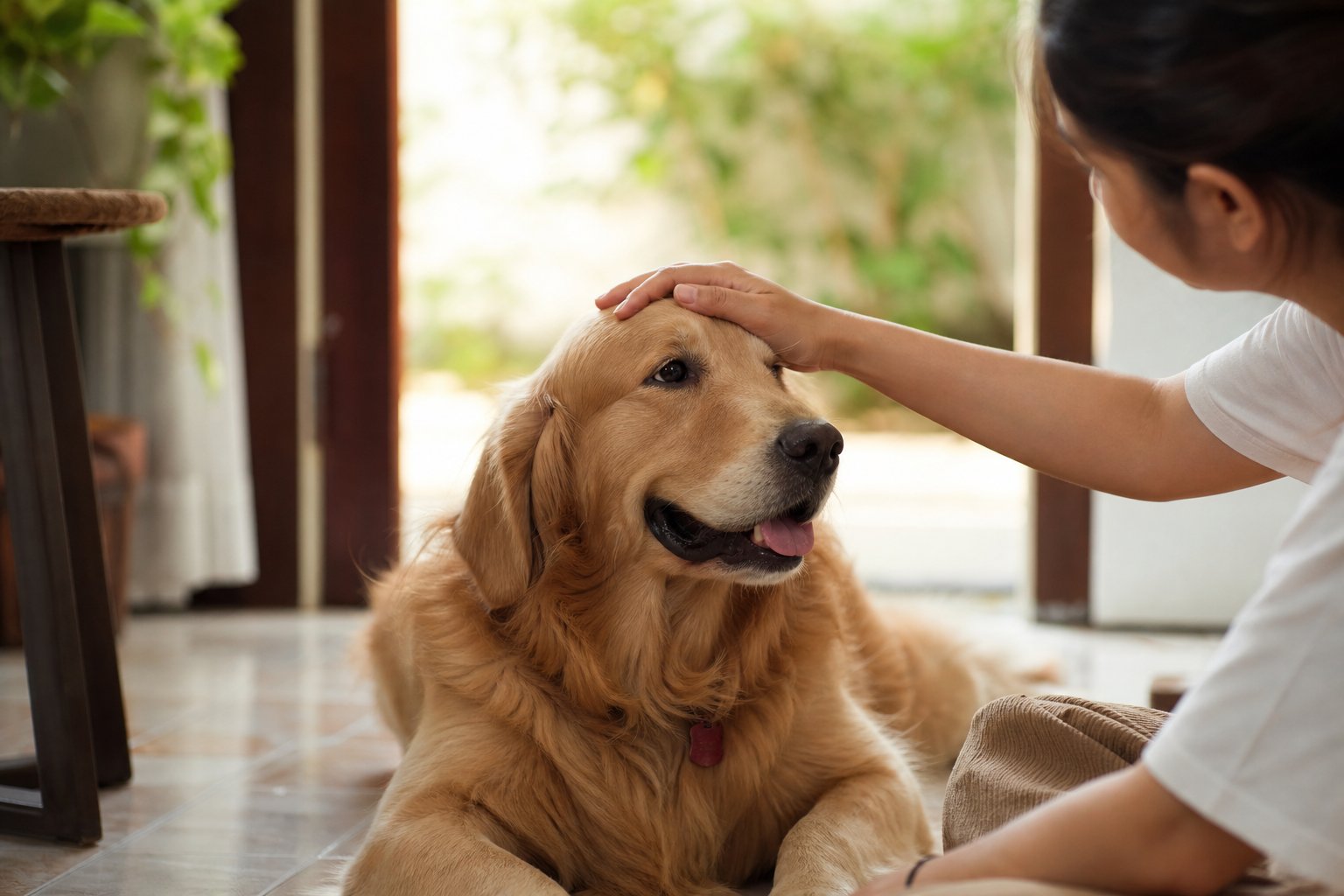
Chapter 3: Health screening
Chapter 3: Health screening
Health screening starts before your puppy or kitten comes home, and it continues through every stage of life after that. The questions you ask a breeder or shelter are the first layer of protection: they help you understand what health information exists about the animal and its parents, and they give you a baseline for the vet visit you will book in the first few days. This chapter keeps that starting point and builds on it, so the screening habit carries into your home, your climate and your daily routine in Malaysia.
Before you bring a puppy home: questions for a breeder or shelter
Ask these questions in person or in writing, and ask for documents where they exist. A responsible breeder or shelter will expect them.
- What vaccinations has the puppy had, at what age, and can I see the record?
- Has the puppy been dewormed, and on what schedule?
- Has a vet examined the puppy? Can I see the health record or a written summary?
- What health screening has been done on the parents, and are results available?
- Are there known hereditary conditions in this breed or line?
- How was the puppy raised — indoors, outdoors, in a kennel, in a foster home?
- What food is the puppy eating now, and how many times a day?
- Has the puppy had any illness, diarrhoea, coughing or skin problems so far?
- What is the return or support policy if a health problem appears soon after adoption?
Write the answers down. They become the history your vet asks for at the first check-up, and they help you spot inconsistencies. If a seller cannot or will not answer basic health questions, treat that as information in itself.
The first vet visit and what screening looks like
Book a vet appointment within the first few days of bringing the puppy home, before you introduce it to other animals or take it to busy public places. At that visit, the vet will typically check weight, body condition, eyes, ears, mouth, skin and coat, listen to the heart and lungs, feel the abdomen, and review the vaccination and deworming record. Bring your written answers from the breeder or shelter, plus any documents.
Screening is not a one-off event. It is a rhythm: routine check-ups, vaccination boosters on the schedule your vet sets, parasite prevention suited to your home, and dental checks as the animal ages. For adult dogs and cats, ask your vet what screening makes sense for your animal's age and breed — for example, whether blood or urine tests are worth doing at a certain life stage. Keep a simple health log: date, weight, appetite, stool quality, any coughing, itching or limping. Patterns you record at home make screening conversations far more useful.
Adapting screening to a Malaysian home
Malaysia's heat and humidity change what you watch for. Skin folds, ears and paws stay damp longer, so check them regularly and dry them well after baths or rain. Ticks and fleas are a year-round concern in many areas, so discuss parasite prevention with your vet rather than assuming a seasonal schedule. Mosquito-borne illness is present in Malaysia, so ask your vet about heartworm prevention and follow their advice.
Apartment living brings its own screening points. Dogs in high-rise homes may get less incidental exercise, so track weight at home and at check-ups. Cats in apartments need enrichment and regular weight checks too. Indoor air conditioning and outdoor heat both affect hydration and activity — note changes in drinking and urination. If you travel between states or take your pet on holiday, ask your vet in advance about any health documentation or preparation needed.
Checklist: this week
- Note one change you can make this week — for example, booking the first vet visit, starting a health log, or checking ears and paws after a walk.
- Write down the breeder or shelter questions and record the answers you receive.
- Gather vaccination and deworming records in one folder, paper or digital.
- Set a reminder for the next vaccination or check-up date your vet gives you.
- Check your pet's ears, skin and paws once this week and note anything unusual.
- Confirm your parasite prevention plan with your vet for your home and area.
Common mistakes
- Skipping the first vet visit because the puppy "looks fine" — many problems are not visible at a glance.
- Relying on verbal assurances instead of written vaccination and deworming records.
- Taking a new puppy to parks or pet gatherings before the vet confirms the vaccination plan.
- Stopping parasite prevention in cooler or rainy months without asking your vet.
- Ignoring small changes — a slight limp, a new itch, a softer stool — until they become obvious.
- Forgetting that cats need screening too, not just dogs.
When to ask a vet
Contact your vet promptly if you see: repeated vomiting or diarrhoea, refusal to eat for more than a day, laboured or noisy breathing, coughing that persists, unexplained weight loss, persistent scratching or hair loss, ear discharge or head shaking, limping that lasts more than a day, straining to urinate, or any sudden change in behaviour or energy. For a new puppy or kitten, call your vet the same day if it seems lethargic, won't eat, or has diarrhoea. When in doubt, ask — a phone call to your vet is cheaper and safer than waiting.