
Chapter 5: Size, lifespan, and space at home
Chapter 5: Size, lifespan, and space at home
Choosing a dog is not only about how it looks as a puppy. The size it will reach as an adult, how long it is likely to live, and the space you can realistically offer all shape daily life together. In Malaysia, these factors interact with our tropical heat, our housing styles, and our routines. Many of us live in condominiums or apartments with lifts and corridors, while others have landed property with a garden. Neither is automatically better for a dog, but each suits different sizes and temperaments. This chapter helps you match the dog's adult size to your actual living space, plan for the years ahead, and avoid common mismatches that lead to stress for both owner and dog.
Matching adult size to your real living space
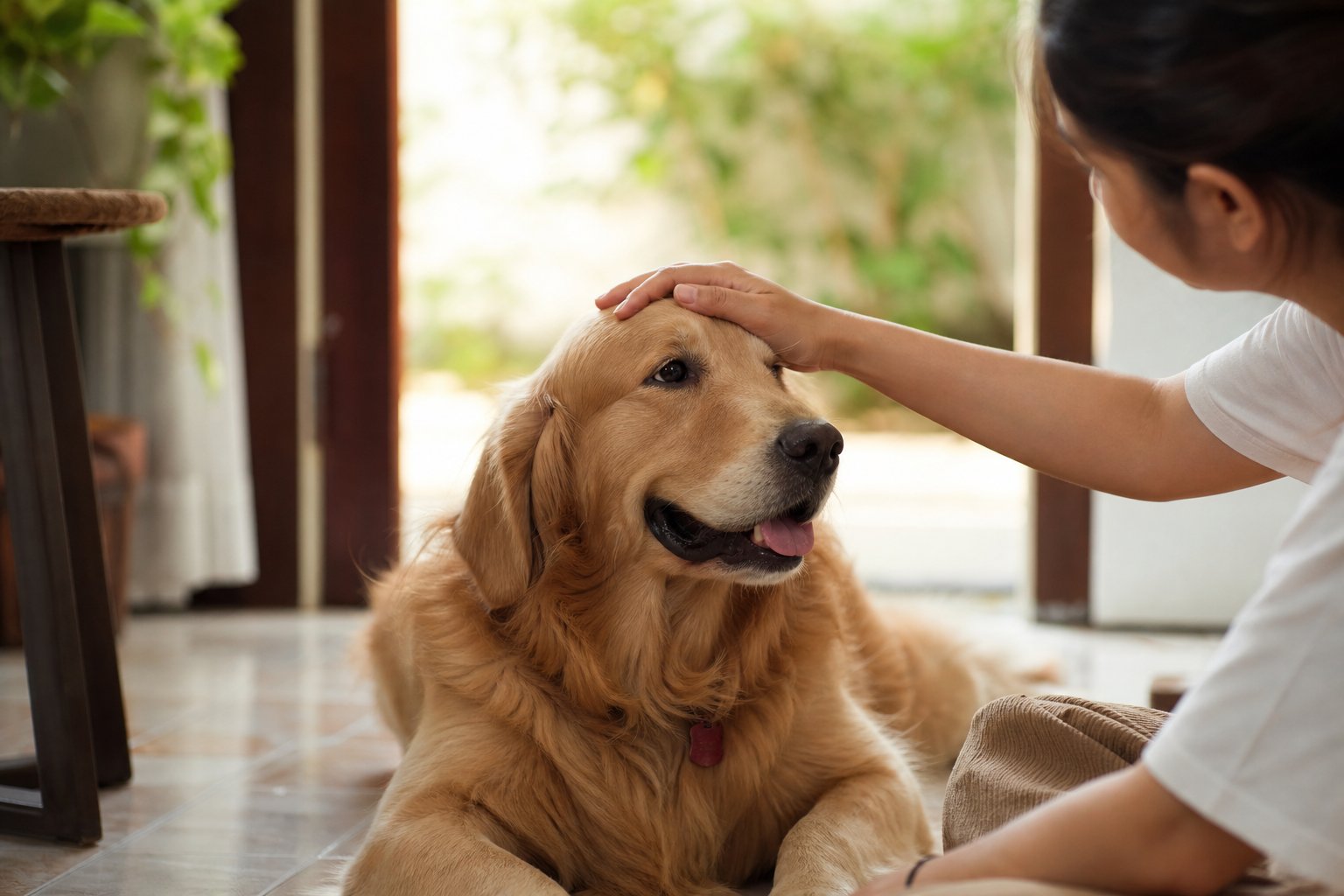
Large breeds like Labradors need room to stretch and cool floors to lie on, which matters in our heat. A big dog in a small apartment can become restless, and restlessness often turns into chewing, barking, or pacing. Before you commit, measure the spaces your dog will actually use: the sleeping corner, the feeding area, the path to the door, and the spot where it will rest during the day. Tiled floors are common in Malaysian homes and give dogs a cool surface to lie on, which large, thick-coated breeds appreciate. If your home is mostly carpeted or has limited airflow, think carefully about how a large dog will stay comfortable.
Small breeds suit condos and apartments but may struggle with stairs and narrow corridors. Tiny legs tire quickly on long staircases, and narrow corridors can feel intimidating, especially for shy dogs. If you live on an upper floor, consider whether you can carry a small dog safely when needed, and whether it can manage the walk to the lift and out of the building each day. For larger dogs, lift access matters too: a big dog that cannot comfortably share a lift, or that needs to navigate several flights of stairs, may find daily exercise harder to achieve.
Match the dog's adult size to your actual living space, including whether you have lift access and a safe area for daily exercise. "Safe area" means somewhere the dog can move, sniff, and relieve itself without traffic danger, loose dogs, or extreme heat. A nearby park, a secure compound, or a quiet route around your neighbourhood can all work, but the distance and the time of day matter in our climate. Early mornings and evenings are usually kinder than midday heat.
Lifespan and the long view
Consider how long the dog will live, as larger breeds often age faster and may need more vet visits later in life. A dog is a commitment measured in years, not months. Smaller dogs often live longer, which means more years of routine care, grooming, and companionship, while some larger breeds may show age-related changes sooner. Neither is better; they are simply different plans. Think about where you expect to be in five, ten, or fifteen years. Will you still be in the same home? Will your work routine allow the same exercise? Will you have the budget and time for more frequent health checks as the dog ages?
Planning for lifespan also means planning for changing needs. An older dog may need softer bedding, shorter walks, and easier access to water. A large dog that develops joint stiffness may struggle with stairs it managed easily as a young dog. If you live in a walk-up or a home with many steps, consider how you would support an ageing dog later. These are practical questions, not reasons to avoid dog ownership, but answering them honestly now prevents difficult surprises later.
Heat, routine, and daily comfort
Our tropical climate shapes how much space a dog really needs. A dog that gets two solid walks a day in the cooler hours may cope well in a modest apartment, while a dog left alone in a hot, stuffy room all day will struggle regardless of square footage. Shade, ventilation, and access to fresh water matter as much as floor area. Cooling mats, tiled floors, and fans can help, but they do not replace sensible routines. Avoid exercising dogs vigorously in the heat of the day, and watch for signs of overheating such as heavy panting, drooling, or reluctance to move.
Local routines also matter. Many Malaysian households have helpers, family members, or neighbours who share dog care. Make sure everyone understands the dog's size, exercise needs, and safety rules, especially around lifts, gates, and corridors. If your dog will be home alone during working hours, plan for a midday break or a comfortable, well-ventilated space where it can rest safely.
Checklist before you commit
- Measure your actual living space, including sleeping, feeding, and resting areas.
- Confirm lift access and how your dog will reach outdoor exercise areas.
- Identify a safe daily exercise spot and the times of day you will use it.
- Consider stairs and narrow corridors, and whether your dog can manage them.
- Think about the dog's expected adult size, not just its puppy size.
- Plan for the dog's likely lifespan and changing needs as it ages.
- Check ventilation, shade, and cool flooring in the areas your dog will use.
- Agree with household members on exercise, feeding, and safety routines.
- Budget time for daily walks and routine vet care, including more visits in later life.
Common mistakes
- Choosing a puppy based on looks without checking adult size.
- Assuming a small dog needs no exercise or a large dog needs a garden.
- Forgetting that stairs and narrow corridors can be difficult for some dogs.
- Ignoring heat and ventilation when planning where the dog will rest.
- Underestimating the time and cost of care as a dog ages.
- Leaving exercise to the hottest part of the day.
- Failing to agree on routines with everyone in the household.
When to ask a vet
Speak to a vet before choosing a breed or size if you are unsure about your home's suitability, especially if anyone in the household has allergies or mobility concerns. Ask a vet if your dog shows heavy panting, drooling, weakness, or reluctance to move in the heat, or if an older dog struggles with stairs, shows stiffness, or has changes in appetite or behaviour. A vet can also advise on exercise levels for large breeds, small breeds, and dogs with health conditions, and help you plan routine checks as your dog ages.