
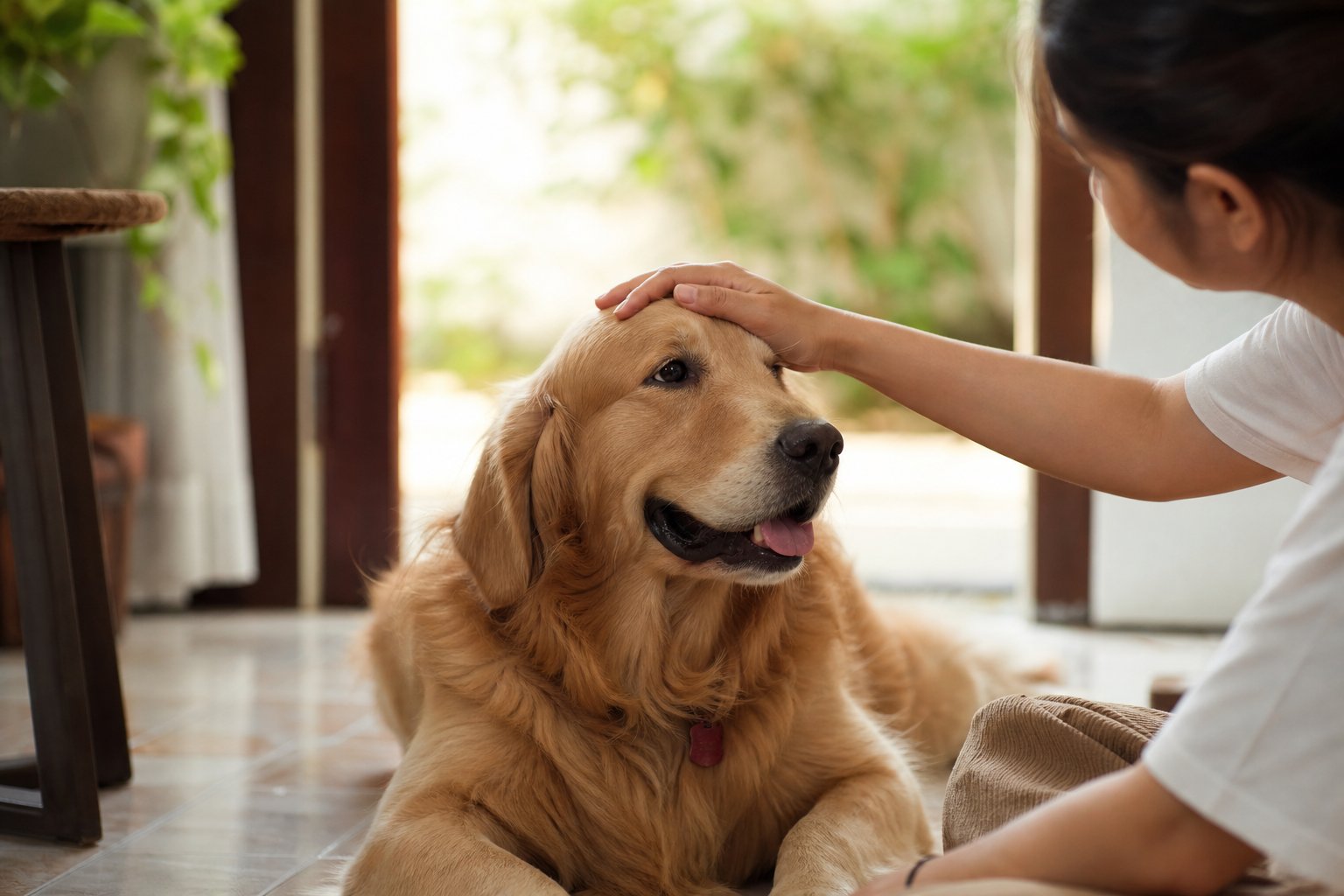
Chapter 8: Coat care and grooming commitments
Grooming is one of those pet-care jobs that never really ends. In Malaysia's heat and humidity, a coat that is left too long between sessions can mat, trap moisture and turn a small chore into a painful problem. The good news is that most of the work is simple, repetitive and easy to fold into your daily routine once you know what your pet's coat actually needs. This chapter helps you match your grooming effort to your breed, your home and your schedule, so the commitment feels manageable rather than overwhelming.
Matching the grooming routine to the coat type
Long-coated breeds like Collies and Pomeranians need brushing several times a week to prevent matting in our humidity, and they shed heavily during warm spells. Think of brushing as a maintenance habit rather than an occasional deep clean: a few minutes on most days beats a long, stressful session once a month. Work in sections, starting at the areas where mats form first — behind the ears, under the front legs, around the collar and along the back of the thighs. Use a slicker brush or comb that reaches down to the skin, not just across the top of the fur, and be gentle around tangles so you don't pull on the skin.
Double-coated breeds may struggle more in the heat, so keep them groomed but never shave double coats completely, as the fur protects against sunburn. That undercoat also helps regulate temperature, so the goal is to remove loose, dead undercoat through regular brushing and de-shedding rather than to strip the coat off. In a tropical climate, a well-brushed double coat that is free of mats and trapped moisture is far healthier than a shaved one. If your dog or cat spends time outdoors, check the coat after walks or outings for burrs, grass seeds and anything caught in the fur.
Low-shedding breeds still require professional grooming every few weeks. "Low-shedding" does not mean "low-maintenance" — coats that don't drop hair on your floor often keep growing and need regular trimming, bathing and ear and nail care to stay comfortable. If you groom at home between professional visits, keep sessions short and calm, and build up tolerance slowly, especially with puppies and kittens.
Grooming in a tropical home, apartment or condo
Humidity is the quiet enemy of a healthy coat. Damp fur close to the skin can lead to skin irritation and odour, so dry your pet thoroughly after a bath or a rainy walk, paying attention to the belly, paws, armpits and the area under the collar and harness. Airflow matters too: a pet that sits on a cool tiled floor or in front of a fan after a bath will dry faster than one shut in a steamy bathroom.
Apartment living brings its own rhythm. Without a garden to shake off dirt, indoor pets pick up less mud but more household dust, and litter or balcony time can leave debris in the coat. Keep a towel and a brush near the door so you can do a quick check after every outing. If you have a balcony, watch for your pet lying against hot surfaces or in direct sun for long stretches — a well-groomed coat helps, but shade and fresh water do the rest.
Local routines help you stay consistent. Many owners brush in the evening after dinner, when the house is cooler and the pet is calm, or do a short session before the morning walk. Whatever time you choose, anchor it to something you already do every day so it becomes automatic. Nail trims, ear checks and tooth brushing can be spread across the week rather than crammed into one long session.
Budget your time honestly
Budget your time honestly, since grooming is a lifelong commitment, not a one-off treat. Before choosing a breed, or before adding a second pet, think about the realistic weekly hours you can give to brushing, bathing, drying and trips to a groomer. A long-coated or double-coated pet in a busy household may need more frequent professional help, and that is a recurring commitment for the pet's whole life, not just the puppy or kitten stage. If your schedule changes — a new job, a move, a new baby — plan how grooming will still happen rather than letting it slide.
Grooming checklist
- Brush long-coated breeds several times a week, focusing on ears, armpits, collar area and thighs.
- Brush double-coated breeds regularly to remove loose undercoat; never shave the coat completely.
- Book professional grooming every few weeks for low-shedding breeds.
- Dry your pet thoroughly after baths and rainy walks, especially in humid weather.
- Check the coat for burrs, grass seeds and tangles after every outdoor outing.
- Trim nails, check ears and brush teeth on a rotating weekly schedule.
- Keep a towel, brush and comb near the door for quick post-walk checks.
- Review your grooming routine whenever your work or home situation changes.
Common mistakes
- Assuming a low-shedding breed needs little grooming.
- Shaving a double coat to "cool" the pet, which removes sun and temperature protection.
- Brushing only the top of the fur and missing mats close to the skin.
- Leaving a pet damp after a bath in humid weather.
- Skipping grooming during busy weeks and letting mats build up.
- Using harsh tools or pulling on tangles instead of working them out gently.
When to ask a vet
Speak to your vet if you notice skin redness, sores, a bad smell, persistent scratching, or mats that are tight against the skin and cannot be worked out gently. Also seek advice if your pet seems painful when touched, develops bald patches, or if you are unsure whether a coat problem is grooming-related or a sign of an underlying skin issue. A vet can advise on safe grooming for pets with skin conditions, older pets, or those with limited mobility.