
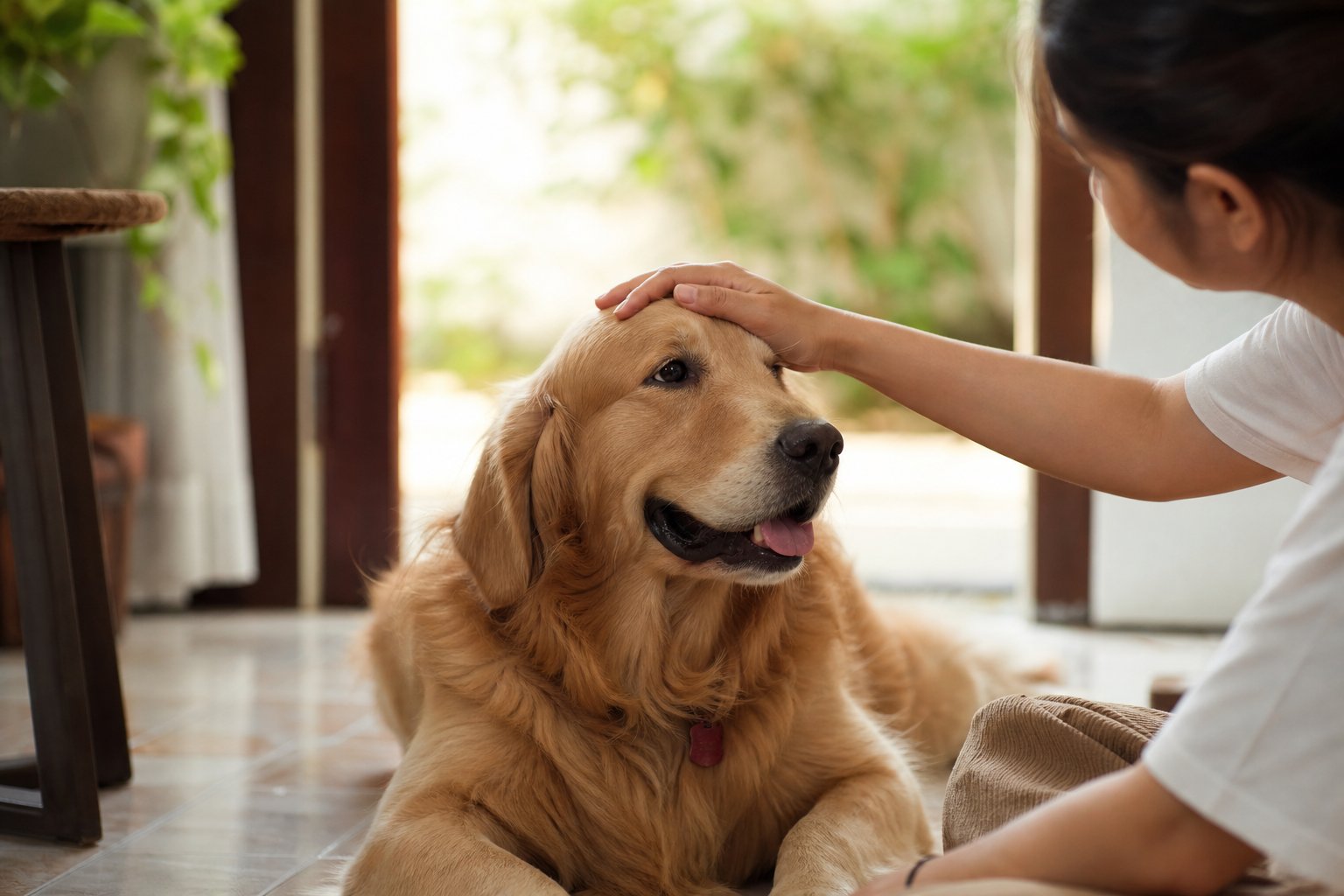
Chapter 9: Where to find your dog in Malaysia
Finding the right dog in Malaysia takes a little patience and a lot of asking the right questions. Whether you live in a high-rise apartment in the Klang Valley, a terrace house in Penang, or a home with a garden in Johor, the route you take matters — for the dog and for you. This chapter walks you through the main options, what to check before you commit, and the warning signs that should make you walk away.
Shelters and rescue groups: the first place to look
Start with shelters and rescue groups across the Klang Valley, Penang, and Johor, where mixed-breed dogs are plentiful, healthy, and often well socialised. Many of these organisations foster dogs in volunteers' homes, so you get honest feedback about how a dog behaves around people, other animals, and everyday household noise — useful information when you are choosing a companion for apartment living.
When you visit, ask how the dog has been cared for and what its daily routine looks like. Spend time with the dog away from the main kennel area if you can, and watch how it responds to you and to strangers. A good rescue will welcome these questions and will usually want to visit your home or ask detailed questions about your living space before handing a dog over. That is a sign of care, not obstruction.
In a tropical climate, pay attention to the dog's coat and skin condition, and ask whether it has been treated for ticks and fleas. Ask about its history with thunderstorms and heavy rain — many dogs here are frightened of both — and how it copes in a confined space such as a condo unit.
Reputable breeders: what "reputable" actually looks like
If you want a specific breed, seek reputable breeders who allow you to see the parents and living conditions, and who ask you questions in return. A breeder who only wants your money and never asks about your home, your routine, or who will care for the dog is a red flag.
Visit the breeding premises in person. You should be able to see the mother with her litter, and the conditions should be clean, shaded, and well ventilated — important in Malaysia's heat. Ask how often the dogs are bred and how the puppies are socialised. Ask to see health records for the parents. A breeder who hesitates, makes excuses, or offers to "send photos instead" is telling you something.
Be cautious about breeds with heavy coats. They can struggle in tropical humidity, so discuss grooming and cooling needs honestly with the breeder before you decide.
What to avoid, and how to meet a dog properly
Avoid buying from pet shops or online sellers that cannot show health records. Online listings with stock-style photos, prices pushed hard in messages, or pressure to pay a deposit before you meet the dog are common warning signs. If a seller will not let you see the dog with its mother, or will not let you visit at all, treat that as a reason to stop.
Meet the dog in person first, and make sure everyone in the household agrees before bringing it home. This includes children, elderly family members, and anyone who will share the daily care. If you rent, confirm with your landlord that dogs are permitted before you fall in love with a particular animal.
Checklist before you commit
- You have visited the shelter, rescue, or breeder in person and met the dog at least once, ideally more.
- You have seen the dog's parents or received credible information about them.
- Health records and vaccination information have been shown to you, not just promised.
- Everyone in the household has met the dog or agreed to the adoption, and is ready to share care duties.
- Your landlord or management has confirmed that dogs are allowed in your building.
- You have thought about how the dog will cope with heat, humidity, and rain, and where it will sleep and exercise.
- You have a plan for vet care, food, grooming, and daily walks that fits your routine.
- You have not been rushed or pressured into paying a deposit before meeting the dog.
Common mistakes
- Choosing a dog from a photo or a chat message without meeting it.
- Assuming a purebred dog is healthier or easier than a mixed-breed rescue — both need the same care.
- Skipping the landlord check and discovering later that dogs are not allowed.
- Bringing a dog home before the whole household has agreed, which often leads to the dog being rehomed.
- Ignoring signs of illness, skin problems, or fear during the first meeting because you have already decided.
- Paying a deposit to an online seller who cannot show health records or let you visit.
When to ask a vet
Before you finalise any adoption or purchase, arrange a vet check for the dog if the seller or rescue allows it. Ask a vet promptly if you notice persistent scratching, hair loss, lethargy, diarrhoea, coughing, or unusual fear or aggression during your visits. If a dog's health records are incomplete or unclear, have a vet review them before you commit. A short consultation now can save you worry — and expense — later.