
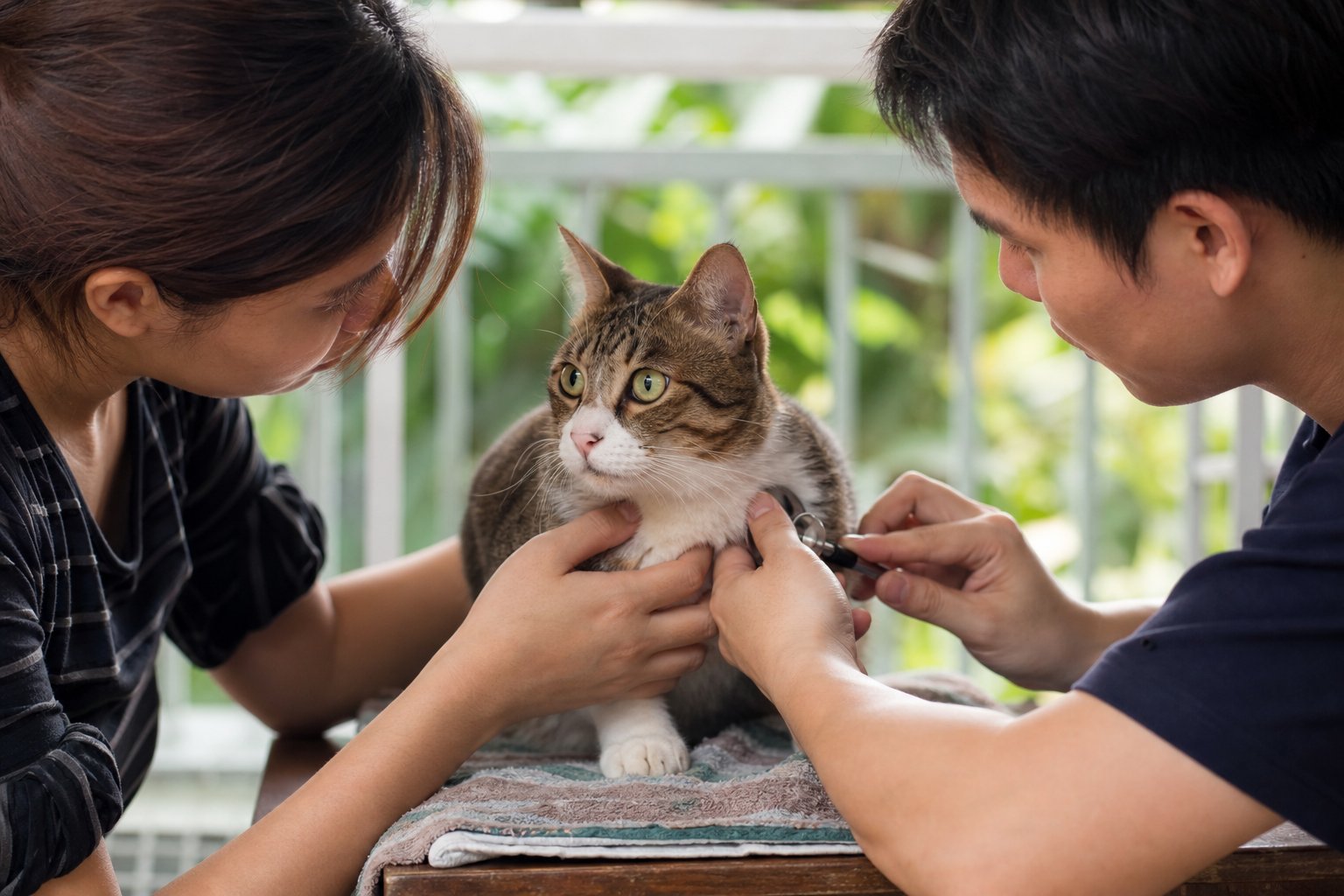
The honest answer: apple cider vinegar offers limited benefit for a pet's skin, and there is no clinical evidence that it treats fungal or parasite infections. What it can do, when diluted correctly, is rinse away surface dirt, dander and some allergens, an effect plain water and a mild pet shampoo achieve just as well. Treat it as an occasional cleaning aid your vet has agreed to, never as medicine.
What is actually in the bottle
Apple cider vinegar is fermented apple juice, and its active ingredient is acetic acid. Household bottles usually declare an acidity of roughly four to six per cent, and products marketed as concentrated or raw can be stronger. Malic acid, citric acid and trace minerals are also present, but in amounts far too small to support any health claim.
The pH matters more than the ingredient list. Vinegar sits at about pH two to three, which is strongly acidic. A dog's or cat's skin surface is close to neutral, roughly pH six to seven point five, while human skin is nearer pH five. So a vinegar rinse does not balance anything; it pulls the skin toward acid.
Dogs and cats also have a thinner epidermis than humans, plus a delicate surface layer of sebum and lipids. Repeated exposure to strong acid strips those oils, weakens the barrier, and can leave skin drier, itchier and more open to bacterial or yeast overgrowth. That is the main reason veterinary professionals discourage casual vinegar rubs.
Household uses, ranked from lower to higher risk, are: wiping the coat during a bath to reduce doggy smell; rinsing paws after a walk; dabbing the belly, armpits or lower legs where moisture collects; soaking the feet; adding vinegar to drinking water; and dropping it into the ear canal. The last two are the most dangerous. Vinegar in water can irritate the stomach and erode tooth enamel, and cats are especially sensitive. In the ear, canal skin and the eardrum are fragile, and pouring in a non-prescribed liquid can turn a simple outer-ear problem into a middle-ear one.
Six popular claims checked against the evidence
| Claim you see online | What the evidence actually shows | Verdict |
|---|---|---|
| Antibiotic and antifungal action | Lab studies show acetic acid inhibits some bacteria and yeast in a dish, but concentrations used are far stronger than a one-to-three rinse and contact times are longer | Never a substitute for prescribed antifungal or antibiotic treatment; infections need a confirmed diagnosis |
| Kills fleas and mites | No clinical evidence in pets; a diluted rinse stays on the skin a minute or two, far too short to reach eggs buried in follicles or in the environment | Use a registered flea and parasite preventive, and never interrupt an ongoing treatment course |
| Stops itching and calms allergies | No controlled studies; already inflamed or broken skin exposed to pH two to three liquid may sting and redden further | Find the cause first: allergy, parasites, infection, or even joint pain driving constant licking |
| Balances skin pH | Skin is naturally near neutral, so strong acid lowers rather than balances it | Not recommended as routine care; barrier damage outweighs any benefit |
| Improves coat colour and removes odour | No research supports coat colour change; any odour reduction comes from the rinsing and thorough drying | Mild shampoo and water are enough, and drying properly matters more than the vinegar |
| Added to drinking water for better skin | No clinical evidence; excess can cause stomach upset and vomiting, and long-term contact may erode tooth enamel | Do not add it to the water bowl; check any oral supplement with your vet first |
A pattern emerges from that table. Every piece of supportive evidence stays at laboratory-bench level, while real-world reports are mostly about irritation. The mainstream position is therefore straightforward: apple cider vinegar is not a treatment tool. At most it is a cleaning aid, on intact skin, with veterinary agreement, for a short defined period.
When it's fine, and eight situations to avoid
Three conditions must all be met before you start: skin is intact with no wounds, your vet has ruled out an underlying cause, and the vinegar is correctly diluted. Miss any one and skip it.
| Situation | Allowed? | Why |
|---|---|---|
| Intact skin, vet-approved rinse | Yes, diluted | Cleaning aid only, not treatment |
| Odour control with no skin abnormality | Yes, start at 1:10 | Rinsing and drying already work; lower concentration is safer |
| Scratched skin, open wound, weeping or crust | No | Acetic acid stings, slows healing and raises infection risk |
| Suspected fungal, bacterial or parasite infection | No | Delays diagnosis; infection can spread and pass to other pets or people |
| Ear canal, eye area, mouth or genitals | No | Mucous membranes are delicate; risk of burning, pain and eardrum damage |
| Cats | Generally not recommended | Constant grooming means swallowed vinegar; feline skin is thinner and more easily irritated |
| Puppies, kittens, seniors, pregnant or unwell pets | Not advised | Weaker skin barrier and lower tolerance; not the place to trial a remedy |
| Pet on prescribed topical medication | No | May alter absorption, wash the drug off or cause a reaction; ask your vet |
Many owners reach for vinegar because they see scratching or hair loss without knowing the cause. The list of real causes is long: food or environmental allergy, fleas or mites, fungal or bacterial infection, an endocrine condition, or even joint pain that makes a pet lick one spot all day. Each needs a completely different approach. Vinegar not only fails to help but can mask the skin's condition, making the vet's examination harder.
The local climate adds pressure. High humidity most of the year, plus heavy monsoon downpours, means fungal and bacterial problems are common and skin is already under strain. Adding strong acid on top usually makes things worse. During a Penang rainy season, the more useful moves are drying the coat completely after every walk, improving airflow around resting areas, washing bedding often, and keeping flea prevention current.
Dilution ratios and a five-step routine
| Purpose | Ratio, vinegar to water | Notes |
|---|---|---|
| First trial or sensitive skin | 1:10 | 24-hour patch test on a small area before wider use |
| Routine wipe-down or paw rinse | 1:3 | Leave one to two minutes maximum, rinse with clean water, then dry thoroughly |
| Cleaning floors, bowls or bedding, not the pet | 1:1 | Wipe with water afterwards and let surfaces dry before pets touch them |
| Straight from the bottle on skin | Never | Causes stinging, redness and possible chemical burns |
| Mixed into prescribed ointment, drops or wash | Never | Can change how the drug works; ask your vet first |
Step one: get a diagnosis first. Itching, hair loss, redness or dandruff means a vet visit before you buy vinegar. Only once infection is excluded, or the vet agrees to supportive care, should you proceed.
Step two: run a 24-hour test. Apply a small amount of the 1:10 mix to a patch of intact skin, such as a spot on the back, and watch for a full day. Redness, swelling, pain or persistent licking means stop.
Step three: mix and store correctly. Dilute with clean room-temperature drinking water in a glass or PET plastic container. Vinegar reacts with metal, so avoid metal bowls or metal-lined spray heads. Keep the mix refrigerated and use it within 24 to 48 hours; do not batch a large bottle.
Step four: rinse off and dry properly. Contact time should not exceed one to two minutes. Rinse with clean water, pat dry, then blow-dry on a low setting. Air-drying alone leaves moisture in the coat and encourages fungal growth, the opposite of what you want in humid weather.
Step five: watch and record. Check the next 48 hours for new redness, hair loss, odour or increased scratching, and note how often you used it. No more than once a week, and stop after one to two weeks. No improvement is your signal to stop and book the vet.
Three hard rules: never use concentrate or neat vinegar; never mix it with bleach or hydrogen peroxide, since irritating fumes can form; never apply it to broken skin or mucous membranes.
Five mistakes that cause problems
Mistake one: using it neat. Undiluted vinegar at pH two to three causes immediate stinging. The pet licks the area, and redness, peeling and, in severe cases, chemical burns follow. Already-scratched skin makes both pain and burns more likely.
Mistake two: treating it as medicine and delaying the vet. Ringworm and mite infections do not resolve on their own and are highly contagious. Trying vinegar for a couple of days often stretches into one to two weeks of spread, and the eventual treatment course is longer.
Mistake three: putting it in the ear. Acetic acid irritates ear-canal skin, and if the eardrum is perforated the liquid can reach the middle ear. Ear cleaning belongs to a vet-prescribed ear cleaner, not a kitchen bottle.
Mistake four: adding it to drinking water long term. It can irritate the stomach, cause vomiting and reduce appetite, and chronic contact may erode tooth enamel. Cats dislike sour tastes, so a refused bowl means less drinking overall, which is a genuine risk for feline urinary health.
Mistake five: washing more often or raising the concentration. Owners who see no quick result start increasing frequency or strength, stripping natural oils until skin is drier and itchier, a vicious cycle. Keep concentration low, keep frequency low, and log the result. One to two weeks with no improvement means stop.
Two further cautions. If your pet is on prescribed topical or oral medication, ask your vet before any vinegar rinse, since acetic acid can change absorption or add irritation. And do not stack home remedies: vinegar plus essential oils plus baking soda adds up to a much heavier skin load.
What actually keeps skin healthy
Skin health is built on diet, parasite control and a dry environment rather than any single rinse.
- Feed a complete, balanced diet suited to your pet's life stage, with adequate essential fatty acids. Prescription skin diets exist for allergy-prone dogs and cats, but these are vet-selected items and should not be started or stopped without professional advice.
- Discuss supplements such as fish oil with your vet first, particularly if your pet has a chronic condition or takes daily medication.
- Keep a strict flea and tick preventive programme all year. Parasites are a leading cause of itching in this climate.
- Dry your pet fully after every bath or rain walk, including between the toes and under the belly.
- Wash bedding frequently in hot water and keep sleeping areas ventilated and off damp floors.
- For allergy-prone pets, manage dust, mould and humidity where you can.
Prices for prescription diets, supplements and ear cleaners vary between Malaysian vets and pet retailers, so check current local pricing directly instead of trusting any figure quoted online.
When to see a vet
Stop the vinegar and contact your vet promptly if any of these appear:
- Broken skin, weeping lesions or crusts where you applied it
- Redness spreading wider within 24 hours
- Relentless scratching or licking that breaks the skin
- A new foul odour or sudden patchy hair loss
- Dullness, lethargy or a clear drop in appetite
Never apply vinegar to the ear canal, around the eyes, inside the mouth or on the genitals. Skip it entirely for puppies, kittens, senior pets, pregnant pets and pets recovering from illness. And get a diagnosis before treating: a flea allergy patch, a ringworm lesion and a yeast overgrowth can look similar to an untrained eye yet need completely different treatment. For general pet care information and animal welfare guidance, the Department of Veterinary Services Malaysia and the SPCA in Malaysia both publish useful public resources.
Frequently asked questions
What can apple cider vinegar actually do for my pet's skin? It cleans and deodorises, and that is all. Lab studies show acetic acid inhibits some bacteria and yeast, but no trial has tested it on dog or cat skin. Rinsing away surface dirt and allergens is the real benefit, and plain water with a mild shampoo does the same.
How should I dilute apple cider vinegar before using it? Never use it neat. Start at one part vinegar to ten parts clean water. If skin is intact and your vet agrees, a routine rinse may go up to one part to three. Leave one to two minutes, rinse off, dry thoroughly, then watch the skin for 48 hours.
Can apple cider vinegar cure ringworm, fleas or mites? No. Ringworm, mites and fleas need a confirmed diagnosis plus prescribed antifungal, antibiotic or registered parasite treatment. Relying on vinegar for one to two weeks lets the infection spread across the body and potentially to other pets and family members.
Is it safe to use apple cider vinegar on cats? Generally not recommended. Cats have thinner skin, different metabolism, and they groom constantly, so any vinegar ends up swallowed. At pH two to three it is quite irritating. Feline skin problems need targeted treatment, so ask your vet before trying anything.
How often can I use a vinegar rinse on my dog? No more than once a week, for one to two weeks at most, and only at a low dilution. If nothing improves in that window, stop and get a diagnosis instead of raising the strength or frequency.
When should I stop using it and see a vet? Stop immediately for open wounds or weeping crusts, redness spreading within 24 hours, relentless scratching that breaks the skin, foul odour or sudden hair loss, or any drop in energy and appetite. Ear canals, eyes, mouth and genitals are always off limits.
This article is for general information only and is not a substitute for veterinary diagnosis or treatment. Consult a licensed Malaysian veterinarian before using any home remedy on your pet.
Related reading
- Pet Skin Health Guide Malaysia: Itchy, Balding, Rash or Fungus?
- Cat Keeps Licking Wound? Malaysia Owner's Guide to Anti-Lick Solutions
- Cat Keeps Licking a Wound: Anti-Lick Solutions and Wound Care for Cat Owners in Malaysia
- Cat Wound Bandaging in Malaysia: When to Wrap, How to Do It, and When to Stop
- Black Dog Coat Turning Brown in Malaysia: Causes and a Five-Step Fix
- Cat Wound Bandaging in Malaysia: When to Wrap, When to Rush to the Vet
- Cat Wound Healing vs Infection in Malaysia: How to Tell the Difference
- Cat Wound Healing vs Infection in Malaysia: A Day-by-Day Sign Checklist
- Iodine Tincture vs Povidone-Iodine for Pet Skin: What Malaysian Owners Need to Know
- Iodine Tincture vs Povidone-Iodine for Pet Skin Cleaning in Malaysia