
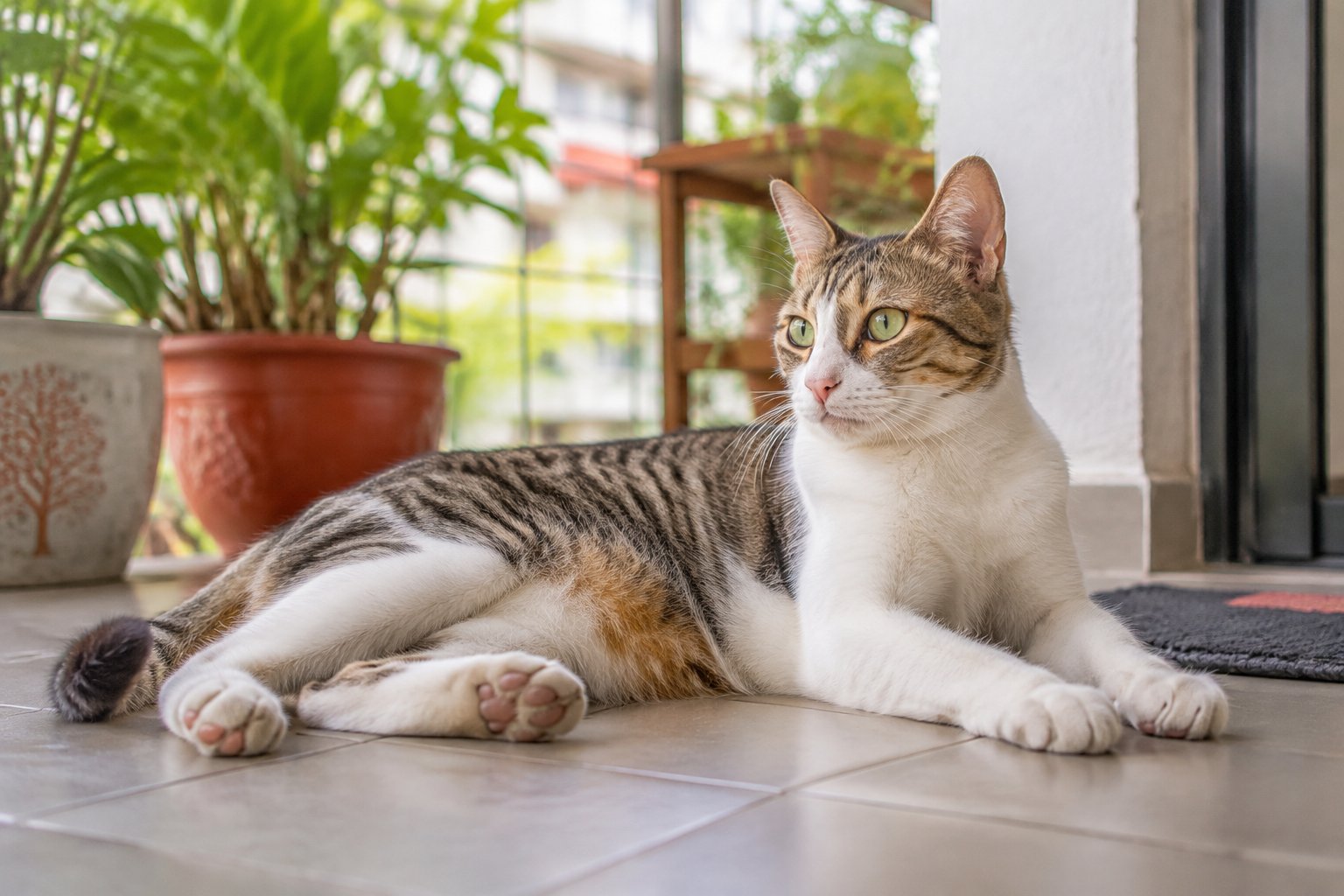
Answer-first: what really matters when moving abroad with a cat
Moving abroad with a cat from Malaysia is a paperwork-led process, not a packing-led one. The destination country's import rules come first, then Malaysia's export permit, then the airline booking, then crate training. Most owners underestimate the timeline: three to six months is common, and some destinations take longer. Start early, keep copies of every document, and confirm each step with the relevant authority rather than relying on forums.
Why destination-country rules come first
Every country sets its own import requirements for cats. Some require a rabies vaccination and a microchip; others add a rabies antibody titre test, a waiting period, or quarantine on arrival. A few are relatively straightforward, while others are strict. Because these rules are set by the destination, not by Malaysia, your first job is to contact the destination's veterinary or agriculture authority and ask for the current import requirements for a cat coming from Malaysia.
Do this before you book anything. The destination rules determine what your Malaysian veterinarian must do, when they must do it, and what documents must travel with your cat. If you book a flight first and discover a six-month waiting period later, you may lose money and delay your move.
Ask the destination authority specifically about:
- Microchip requirement and timing
- Rabies vaccination: type, timing, and whether a booster is needed
- Rabies antibody titre test: whether it is required, which laboratories are accepted, and how long after the test you must wait
- Parasite treatment: whether treatment for ticks, fleas or worms is required and when it must be given
- Import permit: whether you need to apply for one and how long it takes
- Quarantine: whether it applies, for how long, and whether it can be done at home or at a designated facility
- Health certificate: which form is accepted and how close to travel it must be issued
- Route restrictions: whether your cat must travel as cargo, in cabin, or as manifest cargo, and whether certain transit countries have their own rules
Write the answers down and keep them with your travel folder. If the rules change, you will have a record of what you were told and when.
The DVS export permit sequence
Once you know the destination rules, turn to Malaysia's export requirements. The Department of Veterinary Services (DVS) is the authority for animal export, and it provides an animal passport portal for pet travel documentation. The exact sequence depends on your destination, but the general order is:
- Confirm destination requirements with the destination authority and, where relevant, the nearest embassy or consulate.
- Visit a Malaysian veterinarian to start the health checks, vaccinations, microchip and any tests the destination requires. Ask the vet to document everything clearly.
- Apply for the DVS export permit through the official channels. Check the DVS website and the animal passport portal for the current application process, required documents and processing time. Do not rely on outdated blog posts.
- Obtain the health certificate from your veterinarian within the timeframe the destination requires. Some countries require the certificate to be issued within a few days of travel.
- Submit or present documents as instructed by DVS and the airline. Keep originals and copies.
- Collect the export permit and animal passport before departure. Confirm the name on the documents matches your cat's microchip and vaccination records.
The DVS portal is the place to check for the animal passport and related export guidance. Requirements can change, so confirm the current process directly with DVS or your veterinarian rather than assuming last year's rules still apply.
Choosing an airline and booking the flight
Airline pet policies vary widely. Some carriers allow small cats in the cabin on certain routes; others insist on cargo. Some have embargoes on snub-nosed breeds or on travel during very hot months. Because Malaysia is hot year-round, heat restrictions can affect your options.
When comparing airlines, ask:
- Does the airline accept cats on my route, and in cabin or cargo?
- What is the maximum weight for in-cabin pets, including the carrier?
- What are the carrier size and ventilation requirements?
- Are there breed restrictions or seasonal heat embargoes?
- What health documents does the airline require, and how close to departure?
- How many pets can travel per flight, and how far in advance should I book?
- What happens during transit stops, and does the transit country have its own import rules?
Book early. Pet spaces are limited, and some airlines require confirmation that the pet is accepted before you finalise your own ticket. If you are flying with a connection, check the transit country's rules too; even a short stop can trigger paperwork.
Crate acclimatisation: start weeks before travel
A cat that has never seen a travel crate will find the flight far more stressful. Start acclimatisation at least four to six weeks before departure, and longer if your cat is anxious.
A simple routine:
- Leave the crate open in a quiet room with familiar bedding inside.
- Feed meals near the crate, then inside it, so the crate predicts good things.
- Add a worn T-shirt or blanket that smells of home.
- Close the door for short periods while your cat is calm, then open it before any distress.
- Practise short car rides in the crate so motion is not new on travel day.
- Use pheromone sprays or calming aids only after checking with your veterinarian.
Never force a frightened cat into the crate. If your cat is highly anxious, ask your vet about a behavioural plan well before travel.
The timeline most owners underestimate
Most owners think about the flight first and the paperwork second. In reality, the paperwork drives the calendar. Here is a realistic planning table. Exact durations depend on your destination, so treat this as a planning guide and confirm each step with the destination authority and DVS.
| Stage | What to do | Typical timing (confirm with authorities) |
|---|---|---|
| 1. Research destination rules | Contact destination veterinary authority; list requirements | As soon as you know you are moving |
| 2. Vet visit and microchip | Health check, microchip, start vaccinations | Early, before any tests |
| 3. Rabies vaccination and any titre test | Follow destination timing; wait if required | May add weeks or months |
| 4. DVS export permit application | Apply via DVS/animal passport portal | Check current processing time |
| 5. Airline booking | Confirm pet acceptance and carrier rules | Book early; pet spaces limited |
| 6. Crate training | Daily positive sessions | At least 4–6 weeks before travel |
| 7. Health certificate | Vet issues certificate within destination window | Close to departure |
| 8. Final document check | Match microchip, names, dates, permits | Days before travel |
If your destination requires a rabies titre test with a waiting period, the timeline can stretch well beyond three months. That is why starting early is the single most useful thing you can do.
Daily routine in the weeks before the move
A calm cat travels better. In the final month, keep routines predictable and avoid unnecessary changes.
- Feeding: Keep the same food and feeding times. If you plan to change food for travel, do it gradually and only after checking with your vet.
- Litter: Keep the same litter type. Travel can disrupt toilet habits, so familiarity helps.
- Play: Short, regular play sessions reduce stress and keep weight healthy.
- Crate time: A few minutes of positive crate time daily is better than one long session.
- Health checks: Watch for appetite loss, vomiting, diarrhoea, lethargy or breathing changes. Report anything unusual to your vet before travel.
On travel day, feed a light meal at the time your vet or airline advises, provide water, and avoid sedatives unless your veterinarian has prescribed them specifically for travel.
Documents checklist
Keep a folder with originals and copies. Confirm each item with DVS and the destination authority.
- Destination import permit (if required)
- Rabies vaccination certificate
- Rabies antibody titre test result (if required)
- Microchip record
- Parasite treatment record (if required)
- Veterinary health certificate
- DVS export permit
- Animal passport
- Airline pet acceptance confirmation
- Your contact details and destination address
- A photo of your cat for identification
Check that names, microchip numbers and dates match across every document. Mismatches can cause delays at the airport.
When to see a vet
See a veterinarian promptly if your cat shows any of the following before travel:
- Loss of appetite lasting more than a day
- Vomiting or diarrhoea that does not settle
- Lethargy or hiding more than usual
- Difficulty breathing, coughing or noisy breathing
- Discharge from eyes or nose
- Sudden weight loss
- Signs of pain or reluctance to move
Travel health certificates usually require your cat to be healthy, and airlines may refuse a sick pet. If your cat is unwell, do not wait until the last minute. Your vet can advise whether travel should be postponed.
Practical Malaysian contexts
Kuala Lumpur apartment move: If you live in a Kuala Lumpur apartment, check with your building's management (JMB) about pet movement rules and lift access on moving day. Book a quiet time for crate practice and keep the crate away from corridor noise. For the flight, confirm with the airline whether in-cabin travel is allowed on your route, as many long-haul routes require cargo.
Johor terrace house with a garden: In a Johor terrace house, your cat may be used to outdoor access. Before travel, keep your cat indoors more often so it adapts to the crate and carrier. Check the crate for security and label it clearly. If you are driving to the airport, practise short car rides in the crate so the journey is less stressful.
Penang rainy season: Penang's rainy season can make outdoor crate practice difficult. Use a covered porch or indoor space and keep the crate dry. Humidity can affect your cat's breathing, so avoid exercising your cat heavily before travel and keep water available.
Comparison table: cabin versus cargo
| Factor | In-cabin | Cargo |
|---|---|---|
| Availability | Limited to small pets on some airlines/routes | More widely available |
| Carrier rules | Strict size and weight limits | Airline-approved crate required |
| Owner access | You can monitor your cat | Limited; handled by airline staff |
| Stress for cat | Often lower with owner nearby | Can be higher; depends on handling |
| Heat restrictions | May still apply | Often stricter in hot months |
| Cost | Varies by airline and route | Varies by airline, weight and route |
Ask the airline for written confirmation of your cat's acceptance and the exact carrier requirements. Do not assume a carrier that fits one airline will be accepted by another.
Common mistakes to avoid
- Booking flights before checking destination import rules
- Assuming Malaysia's export rules are the same as the destination's import rules
- Leaving the DVS export permit application too late
- Using a crate your cat has never seen
- Forgetting transit country rules
- Travelling with mismatched names or microchip numbers on documents
- Sedating a cat without veterinary advice
Final pre-flight checklist
- Destination rules confirmed in writing
- Microchip implanted and recorded
- Rabies vaccination and any titre test completed
- DVS export permit and animal passport received
- Health certificate issued within the required window
- Airline pet booking confirmed
- Crate labelled with your contact details
- Crate training completed
- Food and water plan for travel day confirmed with vet
- Copies of all documents in your carry-on
Vet disclaimer
This article is general information, not veterinary advice. Health requirements, vaccinations and fitness to travel must be assessed by a licensed veterinarian. Always confirm current export and import rules with DVS and the destination country's authority before travelling.
Related reading
- Pet Life in Malaysia: The Seven Practical Decisions Before You Get a Pet
- Bringing a Cat on a Flight from Malaysia: Cabin vs Checked Baggage, Approvals & Paperwork
- Driving to Penang With a Cat: A Practical Interstate Road Trip Guide
- 24 Hour Vet KL: How to Find Genuine Emergency Care Before You Need It
- AirAsia Pet Policy: What You Can and Cannot Fly With
- Animal Welfare Act 2015 Malaysia: What Ordinary Pet Owners Must Know
- Cat and Newborn Baby in Malaysia: A Practical Prep Guide
- Cat Carrier Car Safety in Malaysia: Securing Your Cat in Traffic
- Cat Colony Management in Malaysia: A Long-Term Caretaker's Playbook
- Cat-Proofing a Malaysian Apartment: Windows, Grilles and Balcony Nets That Actually Hold
- Cat Proof Balcony Malaysia: Weather-Proof Netting, No-Drill Fixings, JMB Approval & Inspection Routine

