
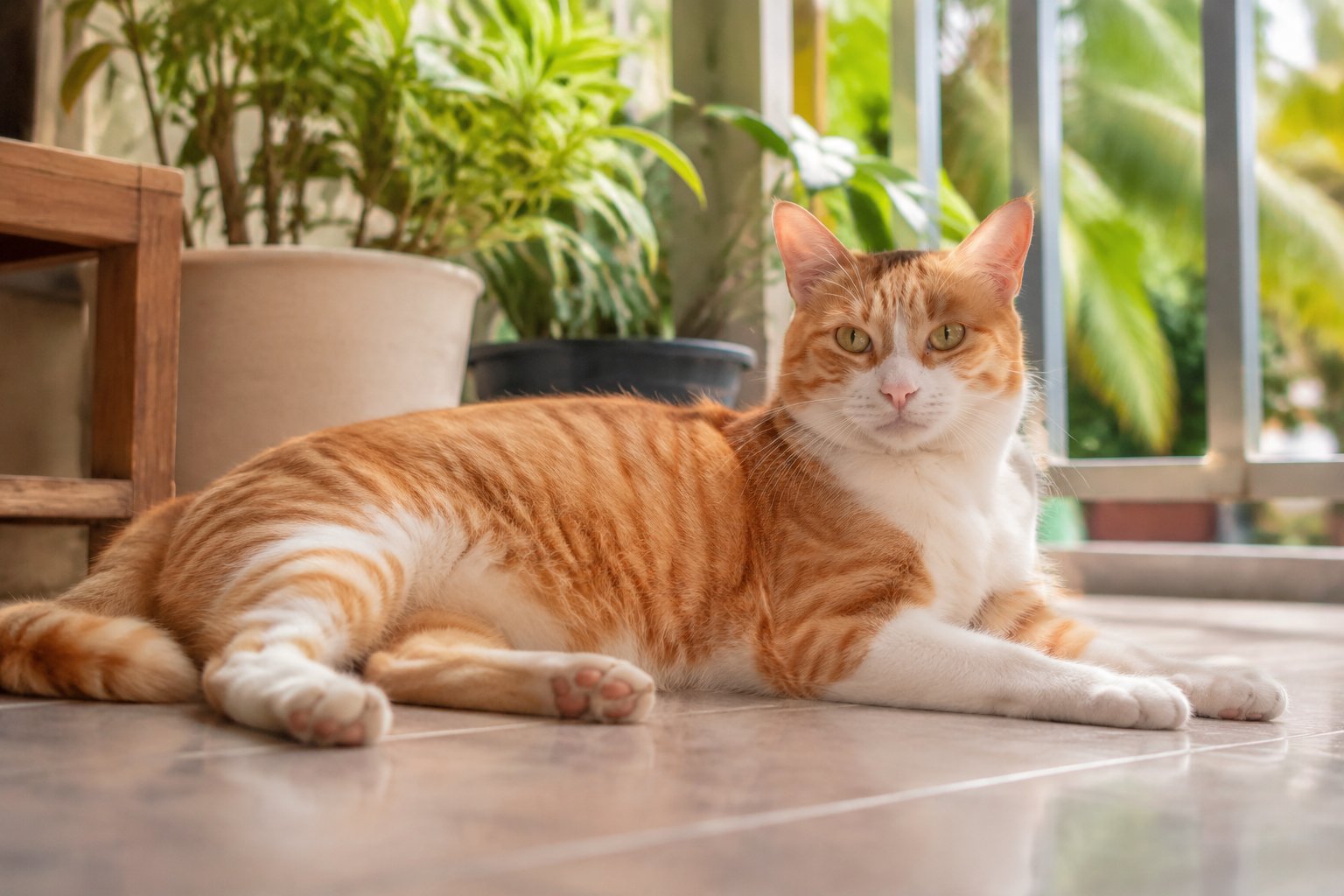
Pet boarding in Kuala Lumpur: start with a visit, not a website
Choosing pet boarding in Kuala Lumpur is easier when you treat it like choosing a childcare centre: visit, ask questions, read the paperwork and start with a short trial. The right facility will welcome your questions and show you the actual sleeping, feeding and exercise areas. The wrong one will rush you through a lobby and quote a price before you have seen where your pet will sleep.
This guide covers the checks that matter most for KL owners: vaccination and parasite requirements, what to look for when viewing a facility, ventilation and cage size, trial stays, emergency vet arrangements and the contract questions to ask before you hand over your pet.
Vaccination and parasite requirements: what to prepare
Boarding facilities set their own health rules, but most ask for proof of core vaccinations and ongoing parasite prevention. Because rules vary, ask the facility directly for its current requirements and bring your pet's vaccination booklet or vet records.
For dogs, core vaccinations usually include distemper, parvovirus, adenovirus and leptospirosis. Rabies vaccination may be required depending on the facility and your travel plans. For cats, core vaccinations usually include feline panleukopenia, feline herpesvirus and feline calicivirus. Some facilities also ask for feline leukaemia virus (FeLV) status or vaccination, especially in multi-cat households.
Parasite prevention matters too. Ask whether the facility requires proof of flea, tick and worm prevention, and how recently it was applied. If your pet is due for a booster, plan ahead: some vaccines take time to become effective, so do not leave it to the week before your trip.
A simple pre-boarding health checklist:
- Vaccination booklet or vet record showing dates and vaccine types.
- Proof of parasite prevention (product name and date applied).
- Any medication in its original packaging, with written dosing instructions.
- Your vet's contact details and an emergency contact who can make decisions.
- A note of your pet's diet, feeding routine and allergies.
- Microchip number and registration details, if applicable.
If your pet is unwell, coughing, sneezing, vomiting or has diarrhoea, postpone boarding and see your vet. Boarding a sick pet puts other animals at risk and may breach the facility's health policy.
Viewing the facility: what to look, smell and ask for
A viewing is your best tool. Ask to see the actual unit your pet will use, not just the reception area. Visit at a busy time if possible, so you can see how staff handle animals and how quickly messes are cleaned.
What to look for:
- Smell and airflow. A strong ammonia smell suggests poor ventilation or slow cleaning. Notice whether air moves and whether surfaces are dry.
- Cleanliness. Look at floors, bedding, water bowls and litter trays. Ask how often areas are cleaned and what products are used.
- Separation. Dogs and cats should be housed separately. Within dogs, consider whether small and large breeds are separated and whether there is a quiet area for nervous animals.
- Space. Check cage or pen size against your pet's size. Your pet should stand, turn around and lie down comfortably.
- Water. Fresh water should be available at all times. Ask how often bowls are refreshed.
- Exercise. Ask how many times a day dogs are walked or let out, and whether exercise is included or extra.
- Staffing. Ask how many staff are on duty, whether someone stays overnight, and what training they have.
- Security. Check gates, locks and escape-proofing. Ask what happens if a pet slips out.
- Records. A good facility keeps vaccination records and a log of feeding, medication and behaviour.
Questions to ask during the viewing:
- Can I see the exact unit my pet will use?
- How many pets are housed in this room, and how are they separated?
- What is the cleaning routine, and what products are used?
- How do you handle a pet that stops eating or seems stressed?
- Which vet clinic do you use, and how quickly can you reach them?
- What happens if my pet needs medication at a specific time?
- Can I bring my pet's own food, bedding and toys?
- How do you communicate with owners during the stay?
If you are not allowed to see the boarding area, treat that as a warning sign.
Ventilation and cage size: the details that affect comfort and health
Ventilation and cage size are not luxury extras; they affect stress, sleep and respiratory health. In Kuala Lumpur's hot and humid climate, poor airflow can make a boarding room uncomfortable and increase the risk of heat stress and respiratory problems.
Ventilation. Ask whether the room is air-conditioned, fan-ventilated or open to outside air. Air conditioning can help, but it must be maintained and not over-chilled. Look for condensation, damp bedding and lingering odours. In catteries, good ventilation is especially important because feline respiratory infections spread easily in crowded, poorly ventilated spaces. Ask how often the room is aired and whether there are windows or vents.
Cage size. There is no single legal size that fits every pet, so judge by your pet's ability to move naturally. A dog should be able to stand upright, turn around and lie stretched out. A cat should have room to stand, turn and use a litter tray away from food and water. Ask for measurements and compare them with your pet at home. If your pet is large or long-bodied, ask whether a larger unit is available.
Comfort details. Ask about bedding (is it provided or should you bring your pet's own?), temperature control, noise levels and lighting. Some pets settle better with a familiar blanket that smells of home.
Trial stays: a low-risk way to test the fit
A trial stay — one night or a weekend — lets your pet experience the facility while you are still nearby. It also gives you a chance to see how staff communicate and how your pet behaves afterwards.
Ask the facility:
- Is there a charge for a trial stay, and how is it calculated?
- Can I bring my pet's own food and bedding for the trial?
- Will you send photos or updates?
- What would you do if my pet does not settle?
- Can I collect early if my pet is distressed?
After the trial, watch your pet for changes in appetite, energy and behaviour. A little tiredness is normal; persistent stress or illness is not. If your pet comes home with diarrhoea, coughing or skin irritation, speak to your vet and reconsider the facility.
Emergency vet arrangements: ask before you need them
Emergencies happen, and the quality of a facility's emergency plan matters more than its décor. Ask which veterinary clinic the facility uses, how far it is, and whether they have a written protocol for after-hours emergencies.
Key questions:
- Which vet clinic do you use, and what are its opening hours?
- What happens if my pet needs urgent care at night or on a public holiday?
- Who authorises treatment, and who pays?
- Will you contact me or my emergency contact immediately?
- Can you send my pet's records to my own vet afterwards?
Ask to see the emergency plan in writing. Confirm whether the facility will follow your instructions if you cannot be reached, and whether there is a limit on treatment costs without your approval. Because costs vary by clinic and situation, ask for a written estimate where possible and keep your own vet's contact details on file.
Contract questions: read before you sign
A boarding contract should be clear and fair. Ask for a copy to read before you pay. Key areas to check:
- Dates and collection times. What happens if you are delayed? Are late collection fees charged, and how are they calculated?
- Cancellation and refunds. What is the notice period, and is any deposit refundable?
- Health and vaccination requirements. What proof is required, and what happens if your pet arrives without it?
- Liability. Who is responsible if your pet becomes ill or injured? Are there exclusions?
- Emergency vet authorisation. Does the contract allow the facility to seek treatment, and who pays?
- Medication and feeding. Are special instructions recorded in writing?
- Photography and updates. Will you receive updates, and how often?
- Belongings. What happens to your pet's items, and are they insured?
If a clause is unclear, ask for it to be explained in writing. Do not rely on verbal promises.
Daily routine and feeding: what to confirm
Ask how the day is structured. A predictable routine reduces stress. Confirm feeding times, food type and portion sizes, and whether you should bring your pet's own food to avoid digestive upset. Ask how medications are given and recorded, and whether staff note appetite, water intake, urination and bowel movements. If your pet has special needs — senior, anxious, on a prescription diet — ask who will manage this and what experience they have.
Comparison table: what to check across facilities
| Feature | What to ask | Why it matters |
|---|---|---|
| Vaccination policy | Which vaccines and how recent? | Protects your pet and others |
| Parasite prevention | Flea, tick and worm proof required? | Reduces infestation risk |
| Viewing | Can I see the actual unit? | Confirms conditions firsthand |
| Ventilation | Air conditioning, fans, windows? | Comfort and respiratory health |
| Cage size | Measurements and photo? | Space to move naturally |
| Exercise | Included or extra? How often? | Physical and mental health |
| Staffing | Overnight staff? Training? | Supervision and safety |
| Emergency vet | Which clinic? Written plan? | Faster care in a crisis |
| Trial stay | Available? Charged? | Tests fit with less risk |
| Contract | Cancellation, liability, payment | Avoids disputes |
When to see a vet
See your vet before boarding if your pet is due for vaccinations, has a chronic condition, or is on medication. After boarding, contact your vet if your pet shows coughing, sneezing, vomiting, diarrhoea, lethargy, loss of appetite, skin irritation or unusual behaviour. If your pet is unwell before the stay, postpone boarding and seek veterinary advice.
Final checklist before you book
- Visit the facility and see the actual unit.
- Confirm vaccination and parasite requirements in writing.
- Ask about ventilation, cage size and exercise.
- Book a trial stay if possible.
- Confirm the emergency vet plan and who pays.
- Read the contract and ask for a written estimate.
- Pack food, medication, bedding and records.
- Leave emergency contacts and your vet's details.
Choosing pet boarding in Kuala Lumpur is about asking good questions and trusting what you see. A facility that is open, clean and organised will make the process easier for you and your pet.
This article is general information only and is not veterinary advice. Always consult a licensed veterinarian about your pet's health and boarding suitability.
Related reading
- Pet Life in Malaysia: The Seven Practical Decisions Before You Get a Pet
- AirAsia Pet Policy: What You Can and Cannot Fly With
- DVS Export Permit for Pets in Malaysia: Application Flow, Health Certificates and Why Applications Get Rejected
- Malaysia Airlines Pet Policy: Flying with a Pet, Step by Step
- Pet Friendly Hotel Malaysia: What to Confirm in Writing Before You Book
- Pet Travel to Malaysia: Import Permit, Rabies Timing, Health Certificate & Quarantine Risk
- Pet Quarantine in Malaysia: What Owners Need to Know Before Bringing a Pet In
- Pet Sitter Malaysia: How to Hire, Interview and Vet a Sitter
- Pet Taxi Malaysia: How to Choose a Safe Pet Transport Service
- Public Transport With Pets in Malaysia: Buses, Coaches, Ferries and E-Hailing Compared
- 24 Hour Vet KL: How to Find Genuine Emergency Care Before You Need It
- Animal Welfare Act 2015 Malaysia: What Ordinary Pet Owners Must Know