The short answer
A Border Collie is a working dog first and a pet second. Expect high intelligence, very high energy, sharp sensitivity to your mood and a strong instinct to herd anything that moves, including children. In Malaysia, heat, rain and apartment living add extra planning. Give them a daily job and they shine; leave them idle and they invent mischief.
What the Border Collie personality is really like
Breed standards describe the Border Collie as alert, eager and agile, with a strong desire to work. That last word matters most. This is not a dog that waits politely for the weekend. It wants to be doing something with you, and it learns fast.
In everyday Malaysian homes, that personality shows up in predictable ways:
- Work drive: following you from room to room, staring at you for instructions, bringing toys repeatedly.
- Herding stare: fixating on moving bicycles, joggers, motorbikes or children running in the park.
- Sensitivity: reacting to your tone, tension in the house, or a raised voice.
- Energy: pacing, circling, barking or chewing when under-exercised.
- Alertness: quick reactions to the doorbell, corridor footsteps or the lift.
A useful rule: a tired Border Collie is a well-behaved Border Collie. Their good behaviour is usually the product of exercise and brain work, not luck.
Intelligence in plain terms
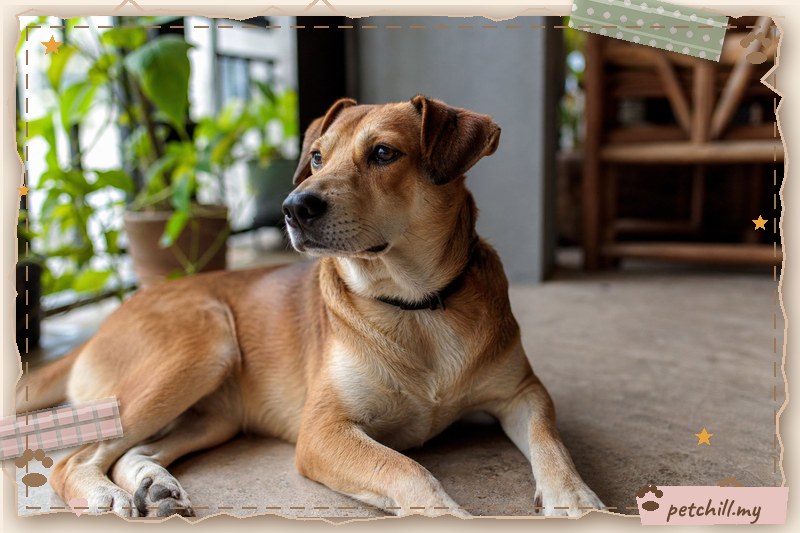
Border Collies are widely regarded as one of the most trainable breeds. They pick up new cues quickly and often generalise well, which is why they excel in agility, obedience, flyball and scent work. But trainability is not the same as obedience at home. A dog that learns fast also learns unwanted patterns fast, such as barking at the gate or chasing the robot vacuum.
Think of their intelligence as a two-year-old child's understanding: they can follow simple cues and read situations, but abstract rules like "do not touch" do not stick without management. Put the shoes away, use a baby gate, and set up the environment so the right behaviour is easy.
| Trait | Typical daily behaviour | Practical response |
|---|---|---|
| Strong work drive | Stares, waits, brings toys, follows you | Schedule task-based play: fetch, scent games, trick training |
| Herding instinct | Chases heels, bicycles, children | Leash management, reliable recall, avoid open chasing situations |
| Emotional sensitivity | Restless when household is tense | Calm routines, reward-based training, no shouting |
| High energy | Chewing, barking, pacing when bored | At least an hour of exercise plus an hour of brain work daily |
| High alertness | Barks at doorbell, lift, corridor noise | Teach a settle cue, use white noise near the door |
Living with children and other pets
The Border Collie is generally affectionate and patient with family, but the herding instinct does not distinguish between sheep and a running child. Common behaviours include nipping at heels, blocking doorways and chasing kids around the garden.
Three practical steps:
- Manage the dog during active play. Use a leash or a place cue when children are running, so the dog learns to watch calmly instead of joining in.
- Teach children dog manners. No pulling tails, no taking toys from a eating dog, no disturbing a sleeping dog.
- Give a legal chase outlet. A daily game of fetch, frisbee or tug with an adult gives the instinct somewhere to go.
With cats and small pets, early socialisation helps, but the chase impulse is genetic. Supervise introductions, keep small animals secure, and only allow off-leash contact when recall is reliable around real distractions.
In multi-dog homes, Border Collies often act like the self-appointed supervisor. Every family member must apply the same rules, or a clever dog will decide which rules apply today.
Heat, rain and Malaysian living
Malaysia's climate shapes how you meet this breed's needs. Midday heat is unsuitable for vigorous exercise, and sudden thunderstorms can cancel a walk. Plan around it:
- Walk and train in the early morning and after sunset.
- Check pavement temperature with the back of your hand before walking; if it is too hot for you, it is too hot for paws.
- Keep water available and watch for heavy panting, drooling or weakness in the heat.
- Build an indoor brain-work kit: puzzle feeders, snuffle mats, cardboard boxes, frozen treats and trick training.
- Use covered walkways, shaded parks and pet-friendly indoor spaces during rainy spells.
Apartment living is workable if you commit to lifts, corridors and stairwells as training space. A Kuala Lumpur apartment dog can thrive on structured hallway training, scent games and short, frequent walks. A Johor terrace house offers a garden, but a bored Border Collie in a garden may bark at neighbours or dig, so the garden is not a substitute for walks and training.
Training that suits a busy brain
Three principles carry through the dog's whole life.
Short and often. Sessions of three to five minutes, several times a day, beat one long weekend session. Clever dogs switch off during repetitive drilling.
Keep raising the challenge. Once a cue is solid, add distance, duration or distraction. A Border Collie that is never challenged becomes frustrated and creative in the wrong ways.
Make rewards interactive. For many Border Collies, a tug game or a chase with you is worth more than a handful of treats. Mix food rewards with play and praise.
Aim to teach one new cue or trick each week and try one new activity each month: beginner agility, frisbee, scent work or tracking. A good puzzle feeder and a reliable leash are more valuable than an occasional full-day outing.
Choosing a puppy and early socialisation
Male and female Border Collies differ less than individuals do. Males are often more outgoing and physically robust; females may be more focused and reserved with overly enthusiastic handling. What matters more is socialisation quality, daily exercise and brain work, and household atmosphere.
When meeting a puppy, watch how it interacts with you. A puppy that is curious but can settle, accepts handling without freezing, and chooses to rest on its own is often a better fit than the most excited puppy in the litter. Ask the breeder or rescue about the parents' temperament and how the puppies have been socialised.
Common behaviour problems and what they mean
Most Border Collie behaviour problems trace back to unmet needs or unclear rules:
- Destructive chewing: often boredom or teething. Increase brain work and provide safe chew items.
- Barking at noise: alertness plus frustration. Teach a settle cue and manage the trigger.
- Chasing bicycles or joggers: herding instinct plus weak recall. Use a leash and train recall with high-value rewards.
- Nipping children's heels: herding behaviour. Manage with a leash and give a legal chase outlet.
- Shadow following and staring: work drive. Teach an off-switch and reward calm settling.
If a behaviour is sudden or intense, rule out pain or illness with a vet before assuming it is training-related.
When to see a vet
Contact a veterinarian if your Border Collie shows:
- Heavy panting, drooling, weakness or collapse in hot weather, which may indicate heat stress.
- Sudden changes in behaviour, appetite or sleep.
- Limping, stiffness or reluctance to exercise.
- Persistent digestive upset or unexplained weight loss.
- Excessive licking, hair loss or skin problems.
- Anxiety or aggression that is worsening despite training.
For any medical concern, your vet is the right first contact. Ask for a written estimate before non-urgent procedures so you can plan.
Costs to budget for
Costs vary by clinic, location and the products you choose. Budget for routine vaccinations, parasite prevention, grooming, training classes, puzzle feeders, a sturdy leash and harness, and emergency savings. Ask your Malaysian vet for a written estimate before treatment, and compare retailers for equipment rather than assuming one price.
Quick comparison: Border Collie vs lower-drive breeds
| Factor | Border Collie | Lower-drive companion breed |
|---|---|---|
| Daily exercise | High; at least an hour plus brain work | Moderate; shorter walks may suffice |
| Training challenge | Needs constant new tasks | Happier with repetition |
| Herding instinct | Strong; chases moving things | Usually low |
| Suitability for busy first-time owners | Demanding | More forgiving |
| Apartment living | Possible with routine | Easier |
Final thoughts
A Border Collie is a wonderful dog for the right household: one that enjoys training, has a stable daily routine and can provide both physical and mental work. In Malaysia, that means planning around heat and rain, managing herding behaviour around children, and treating brain work as essential rather than optional. If you can meet those needs, you will have an attentive, responsive and deeply rewarding companion.
This article is general information only and is not a substitute for veterinary advice. Always consult a licensed veterinarian about your dog's health and behaviour.
Related reading
- Bichon Frise Personality in Malaysia: Temperament, Intelligence & Training
- Crate Training for Dog Owners in Malaysia: A Complete Guide
- Crate Training for Dogs in Malaysia: A Practical, Humane Guide
- Dog Barking in Malaysia: 4 Reasons Dogs Bark and How to Stop It Without Shouting
- Dog Training Basics for Dogs: A Practical Malaysia Guide
- Dog Training Basics in Malaysia: When to Start, How Long to Practise, and the Five Steps of Positive Reinforcement
- Dog Training Basics: Practical Tips for Malaysian Dog Owners
- Potty Training for Dog Owners in Malaysia: A Practical, Humidity-Proof Plan