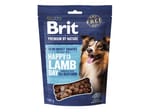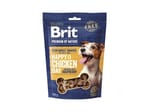
Why dog treats matter more than you think
Dog treats are a normal part of life with a dog in Malaysia — whether you're rewarding good behaviour, keeping a puppy occupied, or just showing affection. But treats also affect your dog's weight, digestion, dental health and even training success. This guide walks you through how to choose treats, how many to give, and how to store them in Malaysia's hot and humid climate.
What counts as a dog treat?
A dog treat is any food given outside of regular meals. That includes:
- Commercial biscuits, jerky, dental chews and soft bites
- Human foods used as rewards (cooked chicken, carrot, apple)
- Chews like bully sticks or dried tendons
- Pill pockets or food used to hide medication
Treats can be divided into two broad groups: everyday treats (small, low-calorie rewards) and special treats (longer-lasting chews or dental products). Both have a place, but they serve different purposes.
How to choose dog treats: a practical checklist
When you're standing in a pet shop or scrolling an online store, use this checklist:
- Named meat first. Look for chicken, beef, fish, lamb or egg as the first ingredient. Avoid vague terms like "meat and animal derivatives" if you want better quality.
- Short ingredient list. Fewer ingredients usually means fewer additives. Some preservatives are necessary, but you don't need artificial colours or flavours.
- No added sugar or xylitol. Sugar adds empty calories; xylitol is toxic to dogs.
- Appropriate size and texture. Small dogs need small, soft treats; large dogs can handle firmer chews. Hard treats can crack teeth in aggressive chewers.
- Life-stage suitability. Puppies need softer, smaller treats; senior dogs may benefit from softer textures and joint-support ingredients.
- Allergen awareness. If your dog has a diagnosed allergy, check the protein source carefully. Common allergens include chicken, beef, wheat and dairy.
- Calorie density. Treats range from about 1 kcal for a tiny training bite to over 100 kcal for a large dental chew. Know roughly what you're feeding.
Comparison table: treat types at a glance
| Treat type | Typical use | Pros | Cons |
|---|---|---|---|
| Soft training bites | Obedience training, recall | Small, quick to eat, low calorie | Can be higher in moisture; check for sugar |
| Biscuits | General reward | Convenient, long shelf life | Often higher in carbohydrates |
| Jerky / dried meat | High-value reward | Protein-rich, motivating | Some are high in salt; check labels |
| Dental chews | Oral hygiene | Helps reduce plaque | High calorie; choose correct size |
| Long-lasting chews | Boredom relief | Occupies dog for long periods | Choking risk if too small; supervise |
| Human food | Training, hiding pills | Cheap, familiar | Easy to overfeed; some foods toxic |
How many treats are too many?
The general rule from veterinary nutritionists is that treats should make up less than 10% of your dog's daily calories. The other 90% should come from a complete and balanced main diet.
To put that into practice, you need a rough idea of your dog's daily calorie needs. Your vet can give you an exact figure, but as a guide:
- Small dogs (5 kg): roughly 200–300 kcal per day, so treats should be under 20–30 kcal.
- Medium dogs (15 kg): roughly 500–700 kcal per day, so treats should be under 50–70 kcal.
- Large dogs (30 kg): roughly 900–1,200 kcal per day, so treats should be under 90–120 kcal.
These are rough estimates only. If you're using a lot of treats for training, reduce your dog's main meal by about 10–20% that day, or use part of the daily kibble allowance as training rewards.
Signs your dog is getting too many treats
- Weight gain or loss of waist definition
- Begging behaviour increasing
- Loose stools or gas after treats
- Refusing main meals because treats are more interesting
If you notice any of these, cut back on treats and speak to your vet about a suitable diet plan.
Using treats for training
Treats are one of the most effective training tools, especially for puppies and newly adopted dogs. The key is to use small, high-value treats and to reward quickly.
- Size: A treat should be no bigger than a pea for small dogs, and no bigger than a thumbnail for large dogs. You can break larger treats into pieces.
- Value: Use boring treats (kibble) for easy tasks and high-value treats (small pieces of cooked chicken or dried fish) for difficult tasks or distracting environments.
- Timing: Reward within half a second of the desired behaviour. If you're late, the dog won't connect the reward to the action.
- Frequency: In early training, reward every correct response. As the behaviour becomes reliable, reward intermittently.
Treat pouch and hygiene
In Malaysia's warm weather, treats in a pouch can spoil quickly. Use a small pouch that you wash daily, and avoid carrying soft meaty treats for more than a few hours without a cooler pack.
Treats and dental health
Dental disease is common in dogs, and treats marketed for dental health can help — but only as part of a broader routine.
- Look for the VOHC seal. The Veterinary Oral Health Council awards a seal to products that have been shown to reduce plaque or tartar. Not all dental chews have this.
- Match size to dog. A chew that is too small can be swallowed whole; too large and your dog may not be able to chew it properly.
- Supervise chewing. Always watch your dog with long-lasting chews, and take the chew away when it gets small enough to swallow.
- Brushing still matters. Dental treats are supplementary; daily brushing is the gold standard.
Treats for puppies and senior dogs
Puppies have small mouths and sensitive stomachs. Choose soft, small treats and introduce new proteins one at a time. Avoid hard chews until adult teeth are in.
Senior dogs may have dental issues, reduced appetite or joint problems. Softer treats are easier to chew, and some senior-specific treats include glucosamine or omega-3 fatty acids. Always check with your vet before adding supplements.
Human foods as treats: safe and unsafe lists
Many Malaysian households share human food with dogs. Some foods are fine in small amounts; others are dangerous.
Safe in small amounts
- Plain cooked chicken or beef (no seasoning, no bones)
- Carrot sticks
- Apple slices (no seeds or core)
- Plain cooked pumpkin
- Unsalted peanut butter (check for xylitol)
- Cooked egg
Never feed
- Chocolate
- Grapes and raisins
- Onions, garlic, chives and leeks
- Macadamia nuts
- Xylitol (found in some sugar-free gum and peanut butter)
- Alcohol and caffeine
- Cooked bones (risk of splintering)
If you suspect your dog has eaten something toxic, contact your vet immediately. Do not wait for symptoms.
Storing treats in Malaysia's climate
Malaysia's humidity and heat can turn treats mouldy or rancid quickly. Follow these storage tips:
- Dry treats: Keep in an airtight container in a cool, dark cupboard. Avoid storing above the stove or near windows.
- Soft or meaty treats: Refrigerate after opening and use within the recommended time.
- Bulk buys: Repackage into smaller portions and freeze what you won't use within a few weeks.
- Check before feeding: Look for mould, discolouration, sliminess or a sour smell. When in doubt, throw it out.
- Travel: In a hot car, use a cooler bag for meaty treats.
Reading expiry dates
Always check the expiry date before buying, especially for clearance items. Once opened, follow the label's storage instructions — many treats are best used within 2–4 weeks of opening.
Common mistakes Malaysian dog owners make with treats
- Overfeeding: Treats are often the hidden cause of weight gain.
- Using treats as meals: Some owners replace meals with treats, leading to nutritional deficiencies.
- Ignoring calorie labels: Many treats don't display calories clearly; check the packaging or manufacturer's website.
- Giving bones: Cooked bones are brittle and can cause internal damage.
- Sharing festive foods: During festive seasons, rich foods like rendang, curry and cakes are dangerous for dogs.
- Not adjusting meals: If you use treats heavily for training, reduce the main meal portion.
When to see a vet
Speak to your veterinarian if your dog:
- Gains or loses weight unexpectedly
- Has vomiting, diarrhoea or gas after eating treats
- Shows signs of dental pain (drooling, dropping food, bad breath)
- Has a known allergy and you're unsure which treats are safe
- Eats something toxic or a large piece of chew
- Has difficulty chewing or swallowing
Your vet can help you choose treats that fit your dog's health needs, especially if your dog has diabetes, kidney disease, pancreatitis or food allergies.
Building a treat plan for your dog
A simple treat plan can help you stay consistent:
- Set a daily treat budget. Use the 10% rule and measure out treats each morning.
- Choose two or three types. One soft training treat, one dental chew, one high-value reward.
- Adjust meals. If you use many treats, reduce kibble by 10–20%.
- Monitor weight. Weigh your dog monthly or check body condition score.
- Review with your vet. At annual check-ups, ask whether your treat choices suit your dog's age and health.
Final thoughts
Dog treats are a useful tool for training, bonding and dental care, but they need to be chosen and used thoughtfully. In Malaysia's climate, storage and freshness matter as much as ingredients. By following the 10% rule, reading labels, and avoiding toxic foods, you can treat your dog safely without compromising their health.
This article is for general information only and is not a substitute for veterinary advice. Always consult a licensed veterinarian for health concerns or diet changes.
Related reading
- Dog Guide Malaysia: A Complete Owner's Handbook for New and Experienced Owners
- Dog Care Guide Malaysia: Feeding, Grooming, Health & Daily Routine
- Dog Food for Dogs: A Complete Feeding Guide for Malaysian Owners
- Best Flea Treatment for Dogs in Malaysia: How to Choose (2025 Guide)
- Best Dog Training Basics for Dogs in Malaysia: A Practical Guide
- Crate Training for Dog Owners in Malaysia: A Complete Guide
- Dog Food Tips for Dog Owners in Malaysia: A Practical Feeding Guide
- Puppy Food for Dogs in Malaysia: A Complete Feeding Guide
- Alpo Dog Food: What Malaysian Owners Should Know Before Buying
- Beagle Disadvantages in Malaysia: 8 Real Downsides and How to Manage Them
- Best Dog Food Brands in Malaysia: How to Choose Well (2025 Guide)
- Best Dog Food in Malaysia: A Practical Guide for Dog Owners