
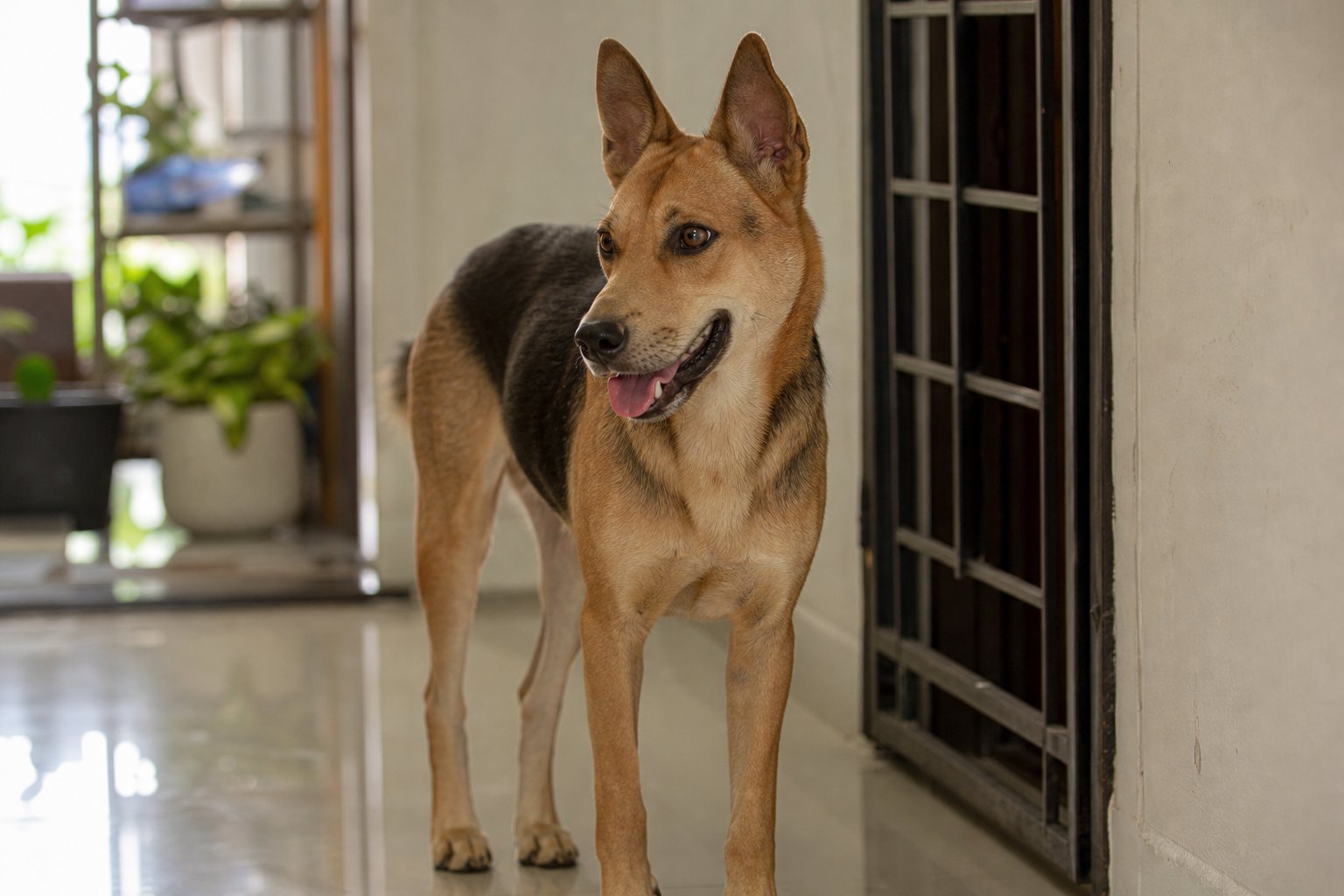
Quick answer
Dog ear infections cause head shaking, scratching, redness, discharge and smell. In Malaysia's humid climate, floppy-eared and swimming dogs are at higher risk. Most infections need a vet to identify mites, yeast or bacteria, clean the ear properly and prescribe treatment. Never push cotton buds deep into the canal.
Why ear infections are common in Malaysian dogs
A dog's ear canal is shaped like an L, with a vertical part and a horizontal part. That shape protects the eardrum but also traps wax, dirt and moisture. In a hot, humid country, that trapped moisture becomes a comfortable home for yeast and bacteria. Dogs that swim in pools, ponds or the sea, or that get bathed frequently, may end up with water sitting in the canal. Add floppy ears, allergies and skin problems, and the risk climbs.
Ear infections are not just a nuisance. Repeated inflammation can thicken the canal, narrow it and make future infections harder to treat. Early care matters.
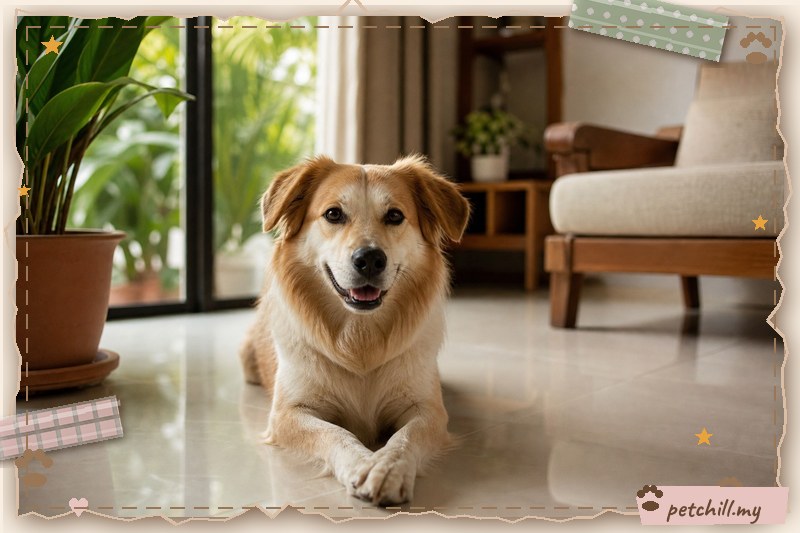
Recognising the signs: what owners notice first
Dogs cannot tell us their ear hurts, so watch behaviour. Common signs include:
- Shaking the head or flapping the ears repeatedly
- Scratching the ear with a hind paw or rubbing it on furniture
- Redness or swelling inside the ear flap
- Yellow, brown or dark discharge
- A sour or musty smell
- Pain when the ear is touched, or yelping
- Head tilt or holding one ear lower
- Reluctance to chew on the affected side
Some dogs become irritable or withdrawn. Others show no obvious pain but have a persistent smell. In severe cases, the dog may circle, lose balance or develop a drooping lip or eyelid if the middle ear is involved. Those are urgent signs.
Common causes: mites, yeast, bacteria and allergies
Several problems look similar but need different treatment.
| Cause | Typical clues | What helps |
|---|---|---|
| Ear mites | Intense itching, dark coffee-ground discharge, often both ears, contagious to other pets | Vet-prescribed anti-parasitic treatment; clean bedding and treat in-contact animals |
| Yeast overgrowth | Musty smell, brown or yellow discharge, redness, often floppy ears | Vet cleaning and antifungal medication; address underlying allergies |
| Bacterial infection | Pus-like discharge, pain, swelling, sometimes bad smell | Vet culture and antibiotics; never use leftover antibiotics |
| Allergies | Recurrent infections, itchy skin elsewhere, seasonal or food-related | Allergy work-up, ear cleaning, avoiding triggers |
| Foreign body | Sudden violent head shaking, pawing at one ear, pain | Vet removal; do not probe with tools |
| Hormonal or thyroid disease | Recurrent ear and skin problems in older dogs | Vet blood tests and management of the underlying condition |
A dog can have more than one problem at once. Mites can cause scratching that leads to bacterial infection. Allergies can trigger yeast overgrowth. That is why a vet examination and, sometimes, a sample swab under the microscope matter.
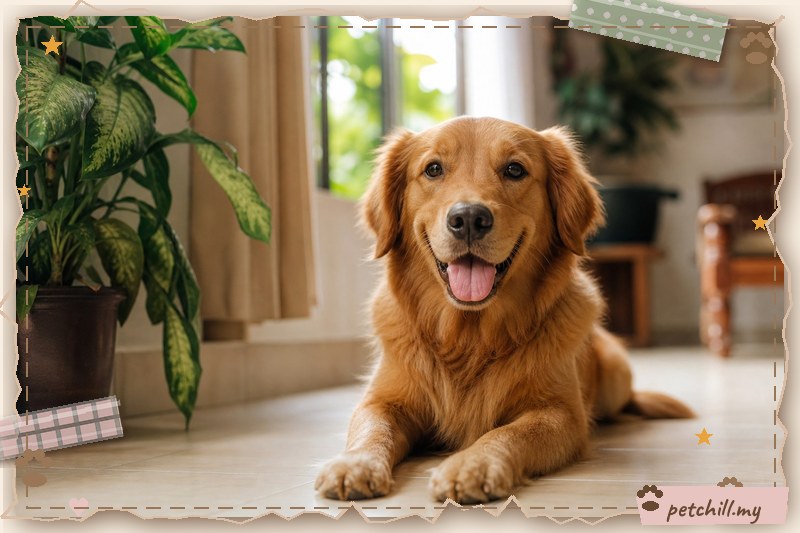
The Malaysian context: humidity, swimming and grooming
Malaysia's warm, wet climate keeps humidity high most of the year. After a walk in the rain or a swim, moisture can linger in the ear canal. Dogs that love water, such as Labradors and Golden Retrievers, and breeds with heavy ear flaps, such as Cocker Spaniels, Basset Hounds and Shih Tzus, are often affected.
Grooming habits also play a role. Some owners ask groomers to pluck ear hair. Plucking can irritate the canal and create small wounds that allow infection. Ask your vet whether plucking is appropriate for your dog; many vets now prefer trimming or leaving hair alone unless it causes problems.
Bathing is another factor. Water and shampoo can enter the canal. Place cotton wool loosely in the ear opening during baths, and dry the outer ear afterwards. Do not push anything into the canal.
How to check your dog's ears at home safely
A gentle weekly check helps you spot problems early.
- Choose a calm moment and have another person hold your dog if needed.
- Lift the ear flap and look at the outer part only. Healthy skin is pale pink and clean.
- Notice any redness, swelling, discharge, scabs or bad smell.
- Gently massage the base of the ear; a healthy ear may make a soft squelching sound, but pain or head pulling means stop.
- Reward your dog with praise or a treat so the check stays positive.
Never use cotton buds deep in the canal. They can push wax and debris further in or damage the eardrum. If you use a vet-approved ear cleaner, follow the label and your vet's instructions. Warm the bottle in your hand first, apply the recommended amount, massage the base gently, then let your dog shake and wipe away loosened debris on the outer flap with a soft cloth.
What to do before you see the vet
If you suspect an infection, keep your dog comfortable and avoid making things worse.
- Do not use human ear drops, hydrogen peroxide, vinegar or alcohol unless your vet specifically recommends them.
- Do not insert cotton buds or homemade tools.
- Prevent scratching by using a cone if your dog is damaging the ear.
- Note the signs, when they started and whether both ears are affected.
- Bring a list of any medications, recent grooming, swimming or travel.
If your dog is in severe pain, has a head tilt, balance problems, facial drooping or a swollen ear flap, seek veterinary care promptly.
What happens at the vet
Your vet will ask about history and examine both ears, not just the one that seems affected. They may use an otoscope to look down the canal and check the eardrum. Often they take a sample of discharge with a swab and examine it under a microscope to identify yeast, bacteria or mites. In some cases, they may send a sample for culture or recommend blood tests if an underlying disease is suspected.
The vet will clean the ear if needed, prescribe appropriate medication and show you how to apply it. Follow the full course even if the ear looks better. Stopping early can lead to relapse and resistance. A recheck may be scheduled to confirm healing.
Treatment options and what to expect
Treatment depends on the cause. Ear mites need anti-parasitic medication, often for all pets in the home. Yeast infections need antifungal drops or cleaners. Bacterial infections need antibiotics, ideally chosen after testing. Allergies need a longer-term plan, which may include diet changes, medication or allergy testing.
Some dogs need the ear flushed under sedation if there is a lot of debris or a foreign body. Dogs with chronic changes may need surgery in severe cases, but this is uncommon with early care.
Costs vary widely in Malaysia depending on the clinic, tests and medication. Ask your vet for an estimate before treatment begins. Do not compare prices from other countries; local pricing differs.
Prevention: practical habits for Malaysian owners
Prevention is easier than treatment. Build these habits into your routine:
- Dry ears thoroughly after swimming, bathing or rain.
- Use a vet-approved ear cleaner as directed, especially for prone breeds.
- Keep ears dry and avoid letting water sit in the canal.
- Check ears weekly and note any changes.
- Manage allergies and skin problems with your vet.
- Avoid over-plucking ear hair unless your vet advises it.
- Keep bedding clean and treat mites promptly if diagnosed.
- Maintain regular grooming and nail trims so scratching does not injure ears.
For dogs that swim often, a drying agent recommended by your vet can help after water exposure. Never use a hair dryer on a hot setting near the ear; warm air can burn sensitive skin.
When to see a vet
See a vet if your dog shows any of the following:
- Persistent head shaking or scratching for more than a day or two
- Discharge, odour or redness that does not improve
- Pain when the ear is touched
- Head tilt, loss of balance, circling or facial drooping
- Swelling of the ear flap that feels like a soft pillow
- No improvement after finishing prescribed treatment
- Recurrent infections, especially in the same ear
Do not wait for the problem to become severe. Chronic ear disease is painful and harder to manage.
Living with a dog prone to ear problems
Some dogs will always need extra attention. Keep a simple log of flare-ups, treatments and triggers. This helps your vet spot patterns. If your dog is uncomfortable in humid weather, use air conditioning or fans to keep the environment dry. Avoid swimming in stagnant water. If your dog has food allergies, stick to the recommended diet and avoid table scraps.
In Malaysian apartments, dogs may spend more time indoors, so humidity control matters. In terrace houses with gardens, dogs may get wet from rain or garden hoses; dry ears after outdoor time. In Penang's rainy season, keep a towel by the door for quick ear drying after walks.
A simple ear care checklist
- Weekly: lift the flap, look, smell, note changes.
- After water: dry the outer ear gently.
- Monthly: check grooming needs and ear hair.
- Vet visit: any pain, discharge or persistent scratching.
- Medication: complete the course and attend rechecks.
Final thoughts
Ear infections are common but manageable. The key is early recognition, proper diagnosis and consistent care. Malaysian dog owners should pay extra attention during humid months and after water activities. With good habits and timely vet care, most dogs recover well and stay comfortable.
This article is general information only and is not a substitute for veterinary advice. Always consult a licensed veterinarian for diagnosis and treatment of your dog.
Related reading
- Dog Guide Malaysia: A Complete Owner's Handbook for New and Experienced Owners
- Dog Care Guide Malaysia: Feeding, Grooming, Health & Daily Routine
- Best Dog Dental Care in Malaysia: A Practical Buying & Care Guide
- Dane Dog Breeds: A Complete Guide for Malaysian Owners
- Dog Barking in Malaysia: 4 Reasons Dogs Bark and How to Stop It Without Shouting
- Dog Dental Care for Dogs: A Malaysia Guide
- Dog Ear Infection in Malaysia: Signs, Causes, Treatment & Prevention
- Dog Exercise Needs in Malaysia: How Much Activity Does Your Dog Really Need?
- Dog Joint Care for Dog Owners in Malaysia: A Practical Guide
- Pomeranian Colours in Malaysia: Coat Types, Care and What to Ask Before You Buy
- Samoyed Dog Breed: What Malaysian Owners Need to Know Before Bringing One Home