
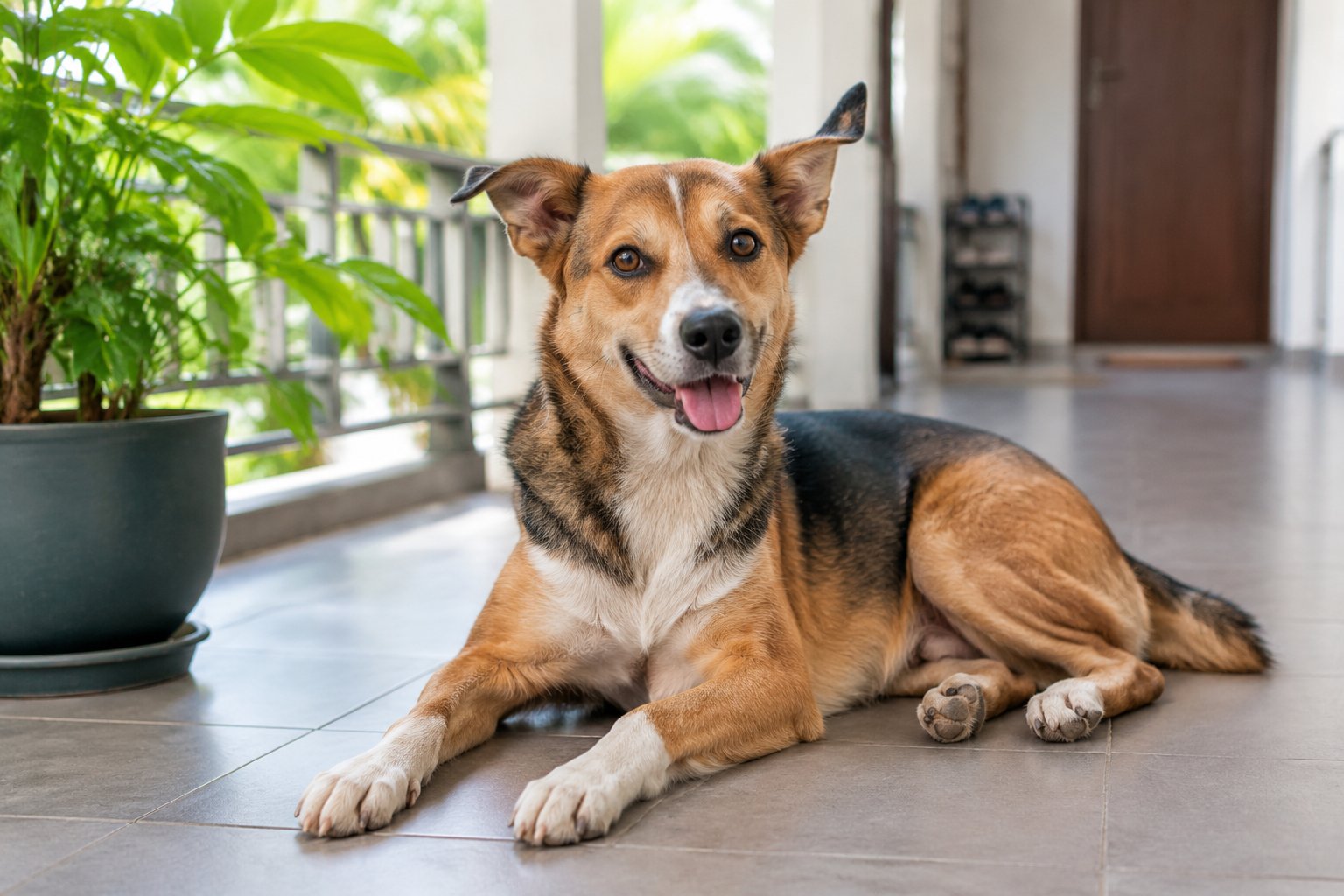
How Much Exercise Does Your Dog Need in Malaysia?
Most healthy adult dogs need 30 to 120 minutes of activity per day, but that range depends on breed, age, health and energy level. In Malaysia's tropical climate, the bigger question is when and how you exercise, not just how long. Heat, humidity, rainy-season downpours and hazy days all affect what's safe. This guide breaks down exercise needs by dog type, explains how to walk safely in the heat, and gives practical indoor alternatives so your dog stays fit and happy all year.
Why exercise matters for Malaysian dogs
Exercise isn't just about burning energy. It supports joint health, digestion, weight control, mental wellbeing and better sleep. Dogs that don't get enough activity are more likely to become bored, destructive or anxious. In Malaysia, many dogs live in apartments or landed properties with limited space, so owners need to be deliberate about daily activity.
At the same time, Malaysia's climate poses real risks: midday temperatures can be high, pavements get hot enough to burn paws, and humidity makes it harder for dogs to cool down. The key is to match exercise to your dog's needs while working around the weather.
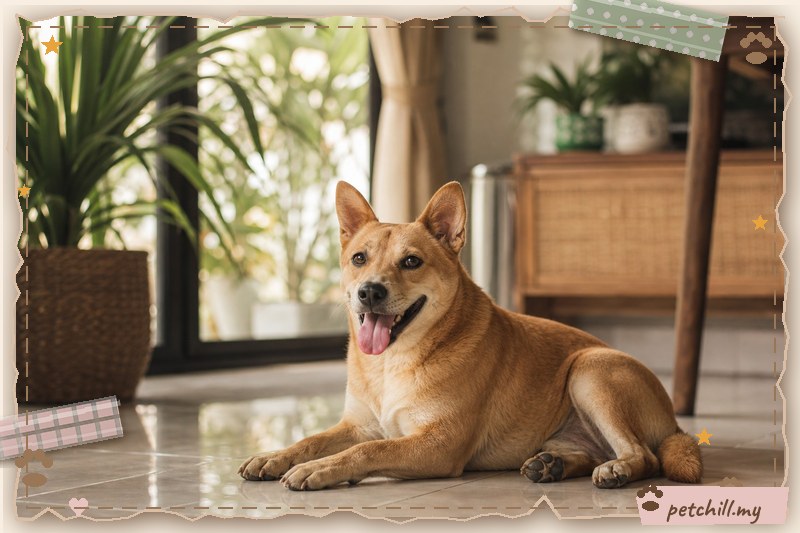
How much exercise by breed, age and size
Use this table as a starting point. Individual dogs vary—working breeds and herding dogs often need more, while flat-faced breeds and seniors need less.
| Dog type | Daily exercise | Notes for Malaysia |
|---|---|---|
| High-energy breeds (e.g., Border Collie, Labrador, Jack Russell) | 90–120 minutes | Split into morning and evening sessions; add mental games |
| Medium-energy breeds (e.g., Beagle, Cocker Spaniel, Shih Tzu) | 60–90 minutes | Two walks plus indoor play on hot days |
| Low-energy breeds (e.g., Bulldog, Pug, Basset Hound) | 30–45 minutes | Gentle walks in cool hours; avoid heat stress |
| Puppies (under 1 year) | 5 minutes per month of age, 2–3 times daily | Avoid long, strenuous walks; short, frequent play |
| Senior dogs | 20–45 minutes | Gentle walks, swimming if available, watch for stiffness |
| Overweight dogs | Start with 20–30 minutes, build gradually | Low-impact exercise; consult vet for a weight plan |
Puppies need special care. Their joints are still developing, so avoid forced running or long hikes. Short play sessions and socialisation walks are better. Senior dogs may have arthritis or reduced stamina; gentle, regular exercise helps maintain mobility. Flat-faced breeds (brachycephalic) like pugs, bulldogs and Shih Tzus are prone to breathing problems and overheat quickly—keep sessions short and in cool conditions.
Best times to walk your dog in Malaysia
The safest times are early morning (before 9am) and after 7pm when temperatures drop. Avoid the midday sun, especially between 11am and 4pm. Even in the evening, pavements can retain heat, so test the ground with the back of your hand for five seconds—if it's too hot for you, it's too hot for your dog's paws.
During the rainy season (often November to March on the east coast, and intermittent storms elsewhere), plan around downpours. A quick toilet break is fine, but if it's pouring, switch to indoor exercise. Hazy periods can also make outdoor exercise unpleasant; reduce strenuous activity and keep walks short.
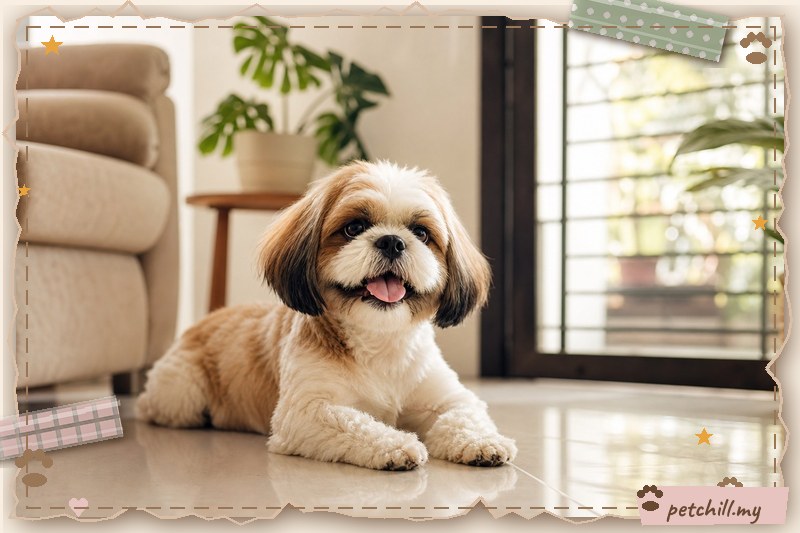
Safe walking checklist for hot weather
- Carry water for both of you and offer frequent small drinks.
- Walk on grass or shaded paths where possible; avoid hot asphalt.
- Check paws after walks for burns, cuts or irritation.
- Use a harness rather than a collar for dogs that pull, to avoid throat pressure.
- Avoid overexertion—let your dog set the pace and sniff; sniffing is mental exercise.
- Watch for signs of overheating (see vet section below).
- Never leave your dog in a parked car, even for a minute.
Indoor exercise ideas for rainy or hazy days
When outdoor activity isn't safe, you can still meet your dog's needs indoors:
- Fetch down a hallway or between rooms.
- Hide-and-seek with treats or toys.
- Stair climbs (if your dog is healthy and stairs are safe)—a few repetitions provide good cardio.
- Puzzle toys and snuffle mats for mental stimulation.
- Short training sessions (5–10 minutes) to teach new tricks or reinforce commands.
- Tug-of-war with a rope toy (supervise to prevent swallowing).
- Obstacle course using cushions and chairs.
Aim for several short sessions throughout the day. Mental work tires dogs out almost as much as physical exercise.
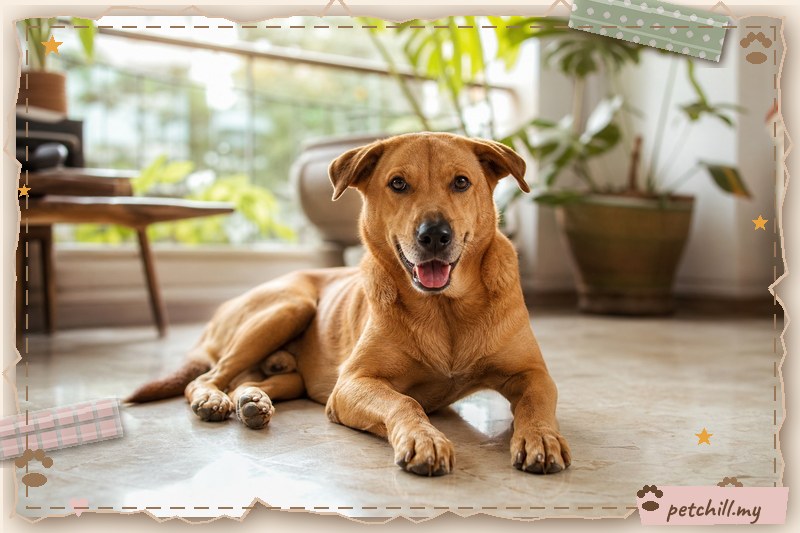
Exercise for puppies, seniors and dogs with health issues
Puppies should not be over-exercised. A common guideline is five minutes of formal exercise per month of age, two to three times a day, plus free play. Avoid repetitive jumping or long runs on hard surfaces until growth plates close (around 12–18 months for large breeds).
Senior dogs benefit from gentle, regular walks to maintain muscle and joint mobility. Watch for stiffness, reluctance to move or shortness of breath. Swimming can be excellent low-impact exercise if you have access to a safe pool or pet hydrotherapy.
Dogs with health conditions such as heart disease, arthritis, obesity or respiratory issues need a tailored plan. Always consult your veterinarian before starting a new exercise routine, especially for flat-faced breeds or dogs with known health problems.
Heatstroke warning signs and what to do
Heatstroke is a medical emergency. Signs include:
- Heavy panting that doesn't settle
- Excessive drooling
- Bright red gums or tongue
- Weakness, wobbliness or collapse
- Vomiting or diarrhoea
- Confusion or seizures
If you suspect heatstroke, move your dog to a cool, shaded area, pour cool (not ice-cold) water over their body, especially the neck, armpits and groin, and offer small sips of water. Fan them if possible. Then contact your vet immediately—do not wait to see if they improve.
When to see a vet
See a veterinarian if your dog:
- Shows any signs of heatstroke (see above)
- Limps or shows pain after exercise
- Collapses or faints during or after activity
- Has difficulty breathing, especially flat-faced breeds
- Seems excessively tired or reluctant to exercise for more than a day
- Has swelling in the joints or back pain
- Is a puppy or senior dog with sudden changes in mobility
Your vet can assess fitness, recommend a safe exercise plan, and rule out underlying conditions.
Building a daily routine that works in Malaysia
A practical routine might look like this:
- Early morning (6:30–8am): 30–45 minute walk or play session in a park or shaded area.
- Midday: Indoor puzzle toy or short training session.
- Evening (after 7pm): Another 30–45 minute walk or active play.
- Before bed: Quick toilet break and calm cuddle.
Adjust based on your dog's energy and the weather. Consistency matters more than intensity. If you miss a walk due to rain, make up for it with indoor games.
Local considerations for Malaysian dog owners
In Kuala Lumpur apartments, space is limited, so rely on vertical exercise (stairs) and nearby parks. Many condos have pet-friendly policies—check before you move. In Johor terrace houses, a small garden can be used for fetch, but ensure gates are secure and shade is available. During the Penang rainy season, keep a stash of indoor toys and rotate them to prevent boredom.
Always check with your local council or housing authority about pet rules. For travel with pets, the Department of Veterinary Services (DVS) provides guidance on animal passports and movement.
Frequently asked questions
How much exercise does my dog need each day in Malaysia? Most healthy adult dogs need 30–120 minutes of daily activity. High-energy breeds need closer to 90–120 minutes, while flat-faced or senior dogs may do well with 30–45 minutes of gentle exercise. Split it into shorter sessions to avoid overheating.
What is the best time to walk my dog in Malaysia? Walk early morning before 9am or after 7pm when temperatures are lower. Test the pavement with your hand for five seconds—if it's too hot for you, it's too hot for your dog's paws. Avoid midday heat entirely.
Can I exercise my dog indoors during rainy season? Yes. Indoor games like fetch down a hallway, hide-and-seek with treats, stair climbs (if safe), and puzzle toys provide mental and physical stimulation. Short training sessions also tire dogs out. Aim for several 10–15 minute sessions daily.
How do I know if my dog is overheating? Warning signs include heavy panting, drooling, bright red gums, weakness, vomiting, diarrhoea, confusion or collapse. Move your dog to a cool, shaded area, offer water, and wet their coat. If symptoms are severe or don't improve quickly, see a vet immediately.
Do flat-faced dogs like pugs need less exercise? Yes, brachycephalic breeds are prone to breathing difficulties and overheat easily. They need shorter, gentler exercise sessions, preferably in cool conditions. Avoid strenuous activity and watch closely for laboured breathing. Consult your vet for a safe exercise plan.
Is it safe to run with my dog in Malaysia? Only if your dog is a healthy, mature breed suited to running, and you run early morning or night on cool surfaces. Build distance gradually, avoid hot pavements, and carry water. Flat-faced, senior, or joint-prone dogs should not run. Ask your vet first.
This article provides general information only and is not a substitute for professional veterinary advice. Always consult a licensed veterinarian about your dog's health and exercise needs.
Related reading
- Dog Guide Malaysia: A Complete Owner's Handbook for New and Experienced Owners
- Dog Care Guide Malaysia: Feeding, Grooming, Health & Daily Routine
- Best Dog Dental Care in Malaysia: A Practical Buying & Care Guide
- Best Dog Food in Malaysia: A Practical Guide for Dog Owners
- Dane Dog Breeds: A Complete Guide for Malaysian Owners
- Dog Barking in Malaysia: 4 Reasons Dogs Bark and How to Stop It Without Shouting
- Dog Dental Care for Dogs: A Malaysia Guide
- Dog Dental Care Tips for Dog Owners: A Complete Malaysian Guide
- Dog Ear Infection for Dog Owners in Malaysia: Signs, Causes and Care
- Dog Ear Infection in Malaysia: Signs, Causes, Treatment & Prevention