
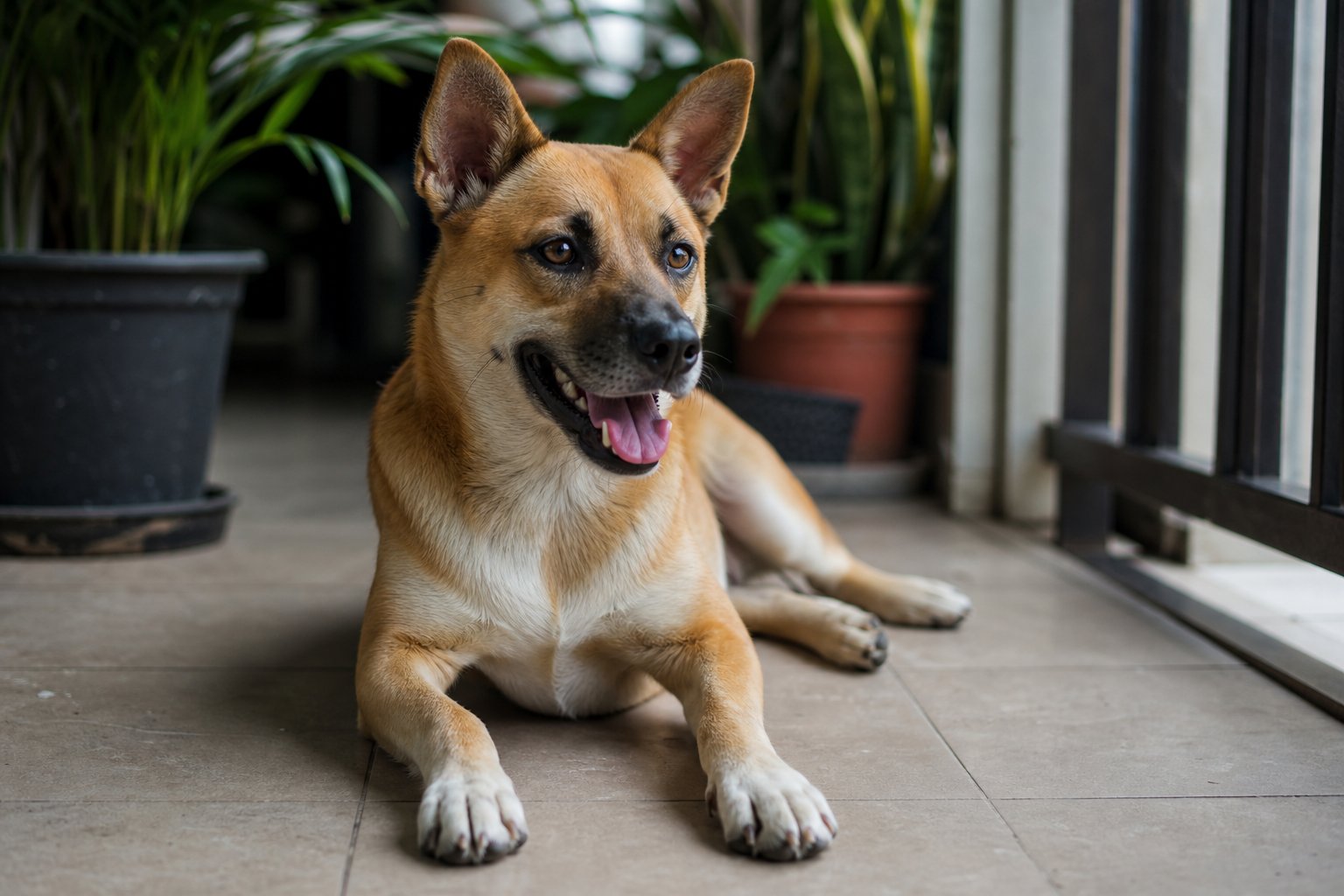
Quick answer: A Chihuahua's drawbacks cluster into seven areas: alarm barking, fear-based aggression towards unfamiliar dogs and people, trembling when cold, fragile bones, patellar luxation, dental disease that arrives fast, and separation anxiety. Every one has a management method — socialisation from day one, no reflex scooping up, regular toothbrushing, and controlled heights around the house. This article does not talk you out of the breed. It asks you to finish reading first.
The Chihuahua in 30 seconds
The Chihuahua is the world's smallest recognised breed, originating from Mexico. Adults usually weigh 1.5–3 kg and stand 15–23 cm, come in short-coat and long-coat varieties, and live 12–18 years — longer than most larger breeds. They are alert, loyal and strongly attached to one person.
| Item | Chihuahua |
|---|---|
| Origin | Mexico |
| Typical [lifespan | 12–18 years](/articles/shiba-inu-malaysia-2 "mylink") |
| Adult weight | 1.5–3 kg |
| Height | 15–23 cm |
| Coat | Short or long; moderate shedding |
| Barking tendency | High — alertness is a breed trait |
| Exercise needs | Low to moderate: 20–30 minutes of walks daily |
| Tolerance of being alone | Low; separation anxiety is common |
| Purchase price | Varies widely by source — ask a Malaysian breeder, retailer or shelter |
| Monthly running costs | Local prices vary; ask your vet and pet retailer for current figures |
Three points set the tone for everything that follows:
- Small does not mean weak. A Chihuahua outlives many large breeds, yet 'long-lived' and 'easy to break' are both true at the same time.
- Barking is instinct, not naughtiness. Their job in the household is sounding the alarm. The training goal is 'two barks, then quiet', never 'never bark'.
- Most 'fierceness' is fear. Being small makes the world physically enormous, so lunging and snarling are self-protection. Done properly, socialisation reduces it dramatically.
How it compares with other common small breeds:
| Breed | Barking level | Clinginess | Bone fragility | Typical health burden |
|---|---|---|---|---|
| Chihuahua | High | Very high | High | Patella, teeth, trachea, heart |
| Toy Poodle | Moderate | High | Moderate | Teeth, eyes |
| Pomeranian | High | Moderate | Moderate | Teeth, trachea |
| Yorkshire Terrier | Moderate to high | High | Moderate | Teeth, knees |
| French Bulldog | Low to moderate | High | Moderate | Breathing, skin, spine |
No breed is 'best'. Want the longest possible companionship, choose the Chihuahua. Want the quietest, look elsewhere. Want the steadiest temperament, a toy breed with a calmer baseline may suit better.
The seven drawbacks at a glance
| Drawback | What it looks like | What actually works | Cost direction |
|---|---|---|---|
| Alarm barking | Any movement outside triggers a siren | 'Quiet' cue plus sound desensitisation | Training time, soundproofing soft furnishings |
| Small dog syndrome | Snarling at unfamiliar dogs and people | Early socialisation, no scooping up | Training classes, behaviour consultation |
| Cold trembling | Shaking in aircon or at night | Sweaters, draft-free bedding, warm floor mats | Cheap — clothing and bedding only |
| Fragile bones | Fracture after a sofa or arm fall | Ramps, low carrying, stair gates, child supervision | Fracture surgery can run into thousands of ringgit |
| Patellar luxation | Sudden skip or hop mid-stride | Weight control, non-slip flooring, vet staging | Conservative management or surgery |
| Dental disease | Bad breath, drool, refusing hard food | Brushing, dental checks, early mouth handling | Full anaesthetic cleaning is a major expense |
| Separation anxiety | Howling, chewing door frames when alone | Gradual alone-time practice, mental enrichment | Puzzle toys, day care if needed |
Barking, fear and small dog syndrome
A Chihuahua's noise has two layers. The first is alarm: corridor footsteps, the lift, a car door, movement behind the window — all filed as 'situation'. The second is defence: because they are small, ordinary everyday things read as threats, and barking or baring teeth essentially means 'stay away'.
Behaviour surveys published in journals such as Applied Animal Behaviour Science have repeatedly found that small dogs display significantly more aggression and defensive threats towards unfamiliar dogs and people than large dogs do, with Chihuahuas frequently near the top of those rankings. The cause is not a rotten temperament. Three loops stack up:
- Pain lowers tolerance. Sore teeth or a sore knee means a touch that should be fine gets snapped at.
- Size earns leniency. A growl from a 2 kg dog gets laughed at rather than corrected, so it hardens into a habit.
- The scooping cycle. Every time the dog sees another dog and is immediately lifted up, it learns 'see dog → get rescued → the threat was real'. Fear never gets the chance to be disproved.
The practical fixes are unglamorous and they work:
- Start sound desensitisation quietly: play faint recordings of traffic or doorbarks at low volume, treat while it plays, raise the volume over weeks.
- Teach a 'quiet' cue: after two barks, show the reward, so stopping pays better than continuing.
- Manage greetings at distance. Let your dog watch another dog calmly from across the path, reward the relaxed moment, then close the gap a step at a time.
- Never pick your dog up the instant something scary appears. Distance plus calm observation plus a reward beats rescue every time.
In a Kuala Lumpur high-rise apartment, lift chimes and neighbour footsteps arrive all day — this is exactly where a Chihuahua's alarm system gets a full workout, so sound training matters more here than an expensive obedience course.
Fragile spots: bones, knees, trachea and heart
Bones. Falls are a leading reason tiny dogs end up at an emergency vet. A one-metre sofa or your own arms is a serious height for a 3 kg animal. Change the routine rather than hoping: use a ramp or steps for sofas and beds, treat lifting as short-distance transport only, add a stair gate, and never let young children carry or play roughly with the dog without an adult present.
Knees. Patellar luxation — the kneecap slipping out of its groove — has a strong congenital component. The classic early sign is a skip: mid-run the dog hops on three legs for a few strides, then carries on as if nothing happened. That is not cute, it is a lameness signal. Weight control and non-slip flooring (rugs, runners, a yoga mat by food and water bowls) are the cheapest conservative measures; your vet will grade the luxation and tell you whether surgery is on the table.
Trachea. Collar pressure and a honking, goose-like dry cough often go together in small dogs. Switch to a well-fitted harness for walks and medication handling, and avoid yanking on lead. If the honking cough continues on a harness, it needs a check rather than more lead training.
Heart. Older Chihuahuas commonly develop mitral valve disease. Regular listening with a stethoscope during routine checks is the baseline; a murmur picked early can be monitored and medicated, one picked late is an emergency.
On a Johor terrace house with polished or tiled floors, the trampoline effect is real: add non-slip rugs in the dog's favourite running lanes, because repeated sliding on a hard floor aggravates both knees and elbows.
Teeth and trembling: two daily habits
Teeth are the number one chronic drain on a small dog's quality of life. Tiny mouths pack teeth tightly, plaque hardens quickly, and by three years old many already have visible tartar and receding gums. Bad breath is not 'dog flavour' — it is infection. And gum disease does not stay in the mouth: it is a long-term burden on the heart and kidneys.
The prevention window opens while the puppy is teething, around six to eight months. Handle the muzzle gently, lift the lips, let a finger touch the gums, and reward. Once your dog accepts that, brushing takes about thirty seconds: a finger brush or small soft brush with veterinary toothpaste, outer surfaces of the back teeth focused. Chews help but never substitute for brushing. Aim for at least a few times a week, daily if you can. Skipping a dental check to save money usually costs double at the surgery stage.
Trembling has three ordinary explanations: poor temperature control (a thin-coated 2 kg dog chills easily in strong aircon or at night), excitement, and nerves. Watch for the tell — a cold Chihuahua tucks its back legs under and sleeps curled into a tight ball. Sweaters, a thick floor bed and keeping it out of direct aircon blasts solve most of it.
Then there is the abnormal kind. Shaking combined with refusing food, low energy, unresponsiveness or whimpering is a medical problem, not a weather problem. In puppies, low blood sugar can turn dangerous quickly. Treat it as urgent, offer glucose if your vet has advised it previously, and get seen.
Attachment and separation anxiety
Chihuahuas bond intensely with their main carer: following you room to room, sleeping on the bed, wanting to watch you use the bathroom. The soft side of that coin is separation distress. Past its threshold, a Chihuahua may howl, lick or chew door frames, or soil indoors when it would never otherwise do so.
Prevention starts on day one:
- Give a snuffle mat or a frozen stuffed toy five minutes before you leave, so departure predicts something good.
- Keep arrivals and departures emotionally flat — no tearful goodbye performance, no greeting party.
- Practise being alone in tiny increments, starting from a few seconds while you stand outside the door, then building up. The dog should never reach panic point during practice.
- If it already harms itself or generates constant noise complaints, book a vet behaviour assessment instead of another training video.
Socially, they are fiercely loyal inside the circle and impatient outside it. That makes them a decent alarm dog and a difficult neighbour. The dividing line is who defines 'threat' — you, through training, or the dog's own fear.
Small practical habits beat expensive classes in many cases: a soft mat by the door, white noise to mask corridor sounds, and spending the first ten minutes after you get home paying attention to the dog instead of your phone. And if barking suddenly increases out of nowhere, treat it as possible pain first — a dog with a rotten tooth or a luxating knee cannot tell you, so book the vet before the training class.
Is a Chihuahua right for your home?
| Household | Fit | Why |
|---|---|---|
| Retired or home most of the day | Excellent | Constant company turns barking and clinginess into assets |
| Home with elderly family members | Good | Easy to handle, but a fall or collision must be prevented |
| Single person out 8–10 hours daily | Not advised | Long daily absences raise anxiety risk sharply |
| Family with young children | Assess carefully | Dropped or squeezed dogs are a leading fracture cause |
| Renting, shared walls or corridors | Assess carefully | Alarm barking can trigger neighbour disputes |
Three-question self-test:
- How many hours per day is someone actually at home?
- Can you commit from day one to never scooping your dog up whenever something frightens it?
- Do you have an emergency vet fund for a fracture or an anaesthetic dental procedure? Local prices vary, so ask a Malaysian vet what those procedures realistically cost, then decide honestly.
If you cannot answer yes to two of three, consider another breed. Do not let the instinct that 'small should be easy' make the decision for you.
Costs and health checks across 12–18 years
Purchasing is a one-off; a long-lived breed is a decade-plus commitment. Malaysian prices differ between breeders, pet shops and shelters, and between clinics, so treat the figures below as a structure to discuss locally rather than a price list — ask your vet and retailer for current costs.
Three ways to budget. A lean plan covers quality food, routine parasite control and one health check a year. A standard plan adds dental assessments, better enrichment toys and a monthly amount set aside for vet care. A secure plan halves the year with check-ups, includes grooming supplies where needed, and either funds a dedicated medical reserve or buys pet insurance. Pick one before you commit, and be honest about which you will actually maintain for fifteen years.
Insurance or self-funded reserve? Get local quotes and read the excess, the annual cap and the exclusions — most policies exclude or limit pre-existing and dental conditions. If you keep a comfortable emergency cash buffer, self-funding is usually more flexible; if a single large bill would hurt, insurance spreads it. You normally need one or the other, not both.
Health check timeline:
| Age | What to cover |
|---|---|
| 8–12 weeks | First vaccination course plus deworming |
| 6–8 months | Spay/neuter discussion, oral examination during teething, patella baseline |
| 12 months | Annual health check, vaccination booster, knee assessment |
| 2–6 years | Annual check; dental assessment from around age 3, more often if tartar builds fast |
| 7+ years | Twice-yearly checks: heart auscultation, bloodwork, dental review |
Three free daily observations: gait (a skip is a patella signal), cough (a honking dry cough after switching to a harness still warrants a look), and mouth (drool, halitosis or refusing hard chews means disease has started).
Across every budget, do not skip the annual check and the dental review. Chihuahua chronic problems — teeth, knees, heart — are all 'cheaper when caught early' problems, and cutting the check-up fee tends to be repaid at double rate in surgery.
When to see a vet
Book an appointment rather than waiting if you notice any of the following:
- A fall from any height, even when the dog seems fine afterwards
- Skipping or hopping on three legs, swelling or reluctance to bear weight
- Honking cough, fast breathing at rest, or pale or blue-tinged gums
- Bad breath with drooling, bleeding gums, loose teeth or refusing hard food
- Trembling combined with not eating, low energy, vomiting or whimpering
- Any seizure, collapse, sudden hind-leg paralysis or unresponsiveness
- A puppy refusing food, or any dog left without food for a full day
- A sudden change in temperament, especially in a dog over seven
Vets see tiny dogs for these problems every week, and early visits are almost always simpler, cheaper and less stressful than late ones.
Key takeaways
- Seven drawbacks to weigh: barking, defensive aggression, cold tremors, fragile bones, patellar luxation, dental disease and separation anxiety
- Small dog syndrome has research behind it — pain, owner leniency and the scooping cycle drive it, not a bad nature
- Never scoop up out of fear; hold distance, watch calmly, reward, then close the gap
- Ramps instead of high lifting, rugs instead of slippery floors
- Thirty seconds of brushing is the highest-value health investment you can make for this breed
- Trembling is normal when cold or excited; with refused food and low energy, treat it as urgent
This article is general information only and is not medical advice. Diagnosis, medication and treatment decisions must come from a registered veterinary practitioner who has examined your animal.
Related reading
- Dog Care Guide Malaysia: Feeding, Grooming, Health & Daily Routine
- Bichon Frise Price in Malaysia 2026: What You'll Pay, Adopt or Buy, and the Costs People Forget
- Dog Barking in Malaysia: 4 Reasons Dogs Bark and How to Stop It Without Shouting
- Dog Food Malaysia: How to Pick the Right Bag for Your Dog (2026 Guide)
- Dog Heat Care in Malaysia: Preventing Heatstroke and What to Do in an Emergency
- Dog Training Basics in Malaysia: When to Start, How Long to Practise, and the Five Steps of Positive Reinforcement
- Dog Training Basics in Malaysia: When to Start, How Long to Practise, and the Five-Step Positive Reinforcement Method
- German Shepherd in Malaysia: Climate, Housing and Care Guide
- German Shepherd Malaysia: Housing, Heat, Exercise and Vet Care