
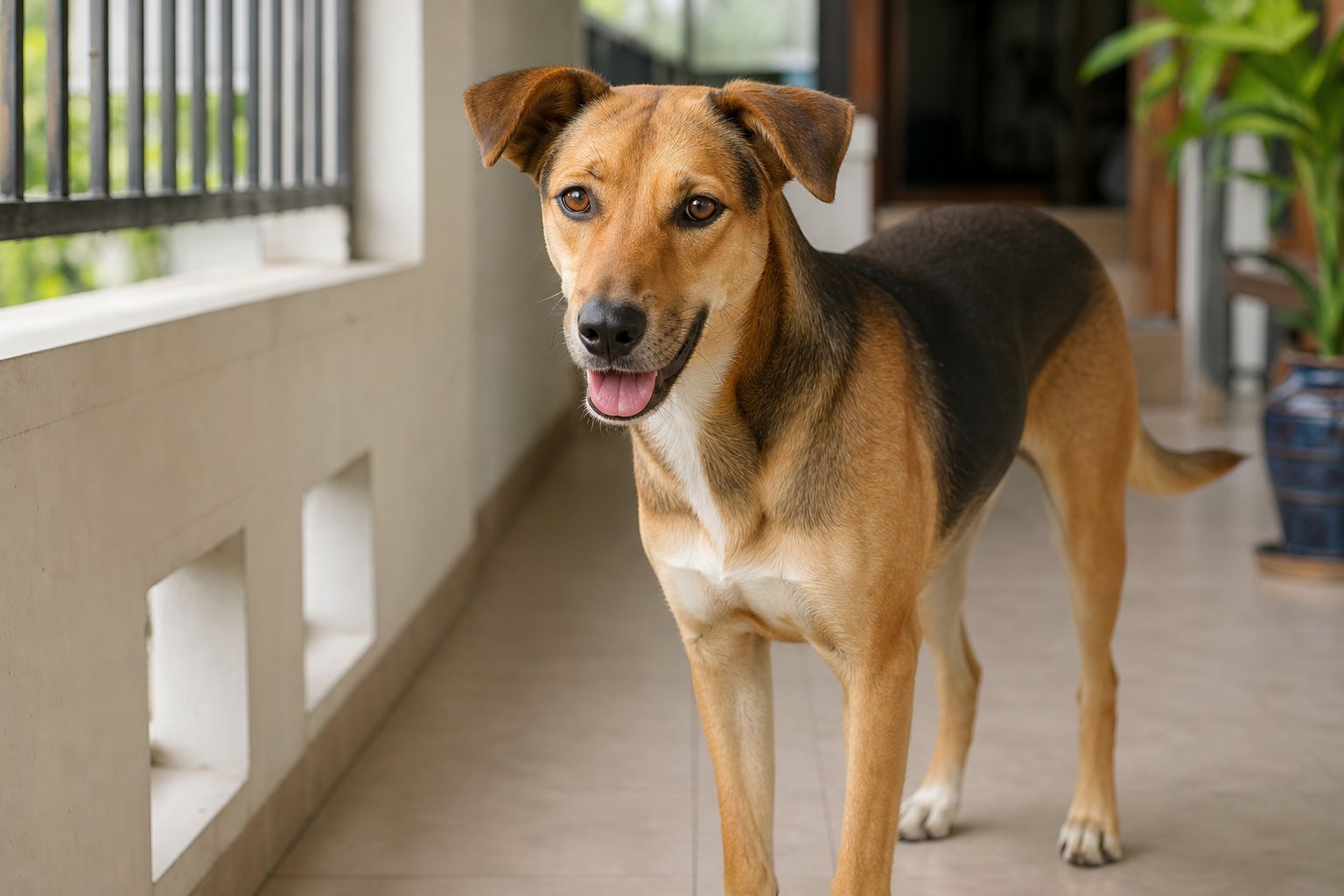
A well-cared-for Shiba Inu in Malaysia can reasonably expect 12 to 15 years, with many reaching 16. Breed references often quote 13 to 16 years as the ideal figure. Weight control, annual check-ups and daily dental care move the needle far more than pedigree. Start those three today.
Shiba Inu lifespan: what the numbers actually say
The Shiba Inu is a Japanese spitz-type of sturdy build and relatively open genetic pool, which is one reason the breed sits in the longer-lived half of the dog world. Two figures circulate in breed literature: breed club profiles tend to present 13 to 16 years, while most veterinary references cluster around 12 to 15 years. These do not contradict each other. The first is the ideal within a well-managed population; the second is closer to what the average of all owned dogs looks like.
The practical takeaway is simple. Reaching 15 is an ordinary outcome, not a lucky one, provided the dog has not spent a decade a couple of kilograms over ideal weight and has had its teeth and joints looked at along the way.
| Item | Shiba Inu |
|---|---|
| Origin | Japan |
| Typical lifespan | 12–15 years (breed references often 13–16) |
| Adult weight | Males 8–11 kg, females 6.8–9 kg |
| Coat | Double coat, heavy seasonal moult |
| Temperament | Independent, clean, alert and wary of strangers |
| Breed watchlist | Patellar luxation, hereditary eye disease, skin sensitivity, thyroid |
| Purchase price | Varies widely by source; ask a licensed breeder or consider adoption |
Three things are worth carrying through the rest of this article:
- Weight is the first variable. Excess kilograms shorten both life and quality of life, and on an 8–11 kg frame, two extra kilos does far more damage than it would on a large dog.
- Teeth are the quiet threat. Periodontal disease is associated with load on the heart and kidneys, and daily brushing is the cheapest longevity investment you can make.
- Genetics are only one card in the hand. Diet, exercise and check-ups collectively outweigh bloodlines.
Life stages: what matters at each age
Treating a Shiba the same way from eight weeks to sixteen years is a common mistake. Needs shift, and so should the care plan.
| Stage | Age | Focus | Screening suggestion |
|---|---|---|---|
| Puppy | 0–12 months | Vaccination course, socialisation, split meals | Baseline exam, early knee assessment |
| Young adult | 1–3 years | Build exercise capacity, reinforce training | Annual exam, watch skin and joint signals |
| Adult | 3–8 years | Weight control, start a dental routine | Annual exam including teeth |
| Mature | 8–11 years | Adjust intensity, discuss senior diet with your vet | Annual exam with blood and urine tests |
| Senior | 11+ years | Joint support, mental stimulation, anti-slip home setup | Six-monthly exam, eye and heart assessment |
Two practical notes. First, a Shiba that is still bouncy at nine is not thereby a young dog; internal ageing has already begun even when the coat and energy look untouched. Second, senior food changes and joint supplements should be discussed with your veterinarian rather than bought on a whim, because an appropriate diet for one kidney profile may be wrong for another.
Dog age conversion: why "times seven" fails
Owners naturally want to know how old their dog is in human terms. The old arithmetic of one dog year equals seven human years has been abandoned by the profession, because dogs do not age at a constant rate.
The rough outline now used:
- First year ≈ 15 human years
- Second year ≈ adds about 9 more
- Each year after ≈ adds about 4 to 5
Body size matters: larger dogs age faster, smaller and medium-small dogs slower. The Shiba sits on the slower side of that curve. A five-year-old Shiba is broadly comparable to a human in their mid-to-late thirties; at twelve, the dog has entered the human retirement bracket even if it still demands its daily walk with puppyish insistence.
Why does this matter practically? Two errors avoid themselves once you have the rhythm. You stop treating a three-year-old as an old dog and cutting its exercise to protect joints it does not yet have. And you stop running a twelve-year-old like a young adult, when shorter, more frequent walks and warm-up pacing are the wiser choice.
Five factors that decide how long your Shiba lives
1. Weight. This is the single most influential variable you control. Overweight dogs show measurable reductions in both lifespan and later-life mobility. For a breed built on 8–11 kg, portion control is not fussiness. Weigh your dog monthly at the same time, and if the figure climbs more than five percent in a month, reduce meals before reducing anything else.
2. Regular health checks. Many canine conditions are silent in early stages. Bloodwork, urine tests and blood pressure can surface problems while your dog still looks perfectly well. Once your Shiba passes eight, six-monthly visits become the sensible default rather than an optional extra.
3. Teeth. Daily brushing, or a veterinarian-approved alternative such as specific dental chews and water additives, pays back in later years. Sudden worsening halitosis is a signal, not a personality quirk.
4. Exercise and mental stimulation. A Shiba needs a secure, fully fenced area to burn energy safely — this breed has a strong prey drive and an independent streak, so an unfenced park is a gamble. Add sniffing games, food puzzles and short training sessions. Regular activity protects weight, joints and, in later life, cognition.
5. Breeding source. Whether the parents were screened for eye disease and knee problems sets the starting line. You cannot redraw this card, but you can check it before you commit, at purchase or adoption.
Breed-specific health watchlist
The Shiba is generally a robust dog, but these issues appear often enough to warrant attention:
| Concern | What to notice | Why it matters for lifespan |
|---|---|---|
| Patellar luxation | Sudden skipping or hopping gait for a few steps | Chronic pain changes activity, which drives weight gain |
| Progressive retinal atrophy and other eye diseases | Hesitation in dim light, bumping into furniture | Often silent until advanced; annual eye checks catch it |
| Skin sensitivity and allergies | Red patches, constant licking, worse in humid spells | Recurring infections affect comfort and require ongoing treatment |
| Hypothyroidism | Weight gain, dull coat, low energy in older dogs | Correctable once identified through bloodwork |
| Cancer and heart disease | Any lump, cough, exercise intolerance, unexplained weight loss | The leading late-life causes across all breeds |
A note on white Shibas, since the question keeps surfacing. No reliable evidence indicates that white coat colour itself carries serious inherited disease. White is not a recognised colour in major breed registry show standards, so serious show-line breeders do not select for it. The genuine risk is behavioural rather than genetic: breeders who force white litters to meet a rare-colour premium are also more likely to skip parent health screening. If you already share your home with a white Shiba, treat it exactly like any other colour — same vaccinations, same annual eye check, same knee awareness.
Living with Malaysian weather
A double coat evolved for cold mountain winters is an awkward inheritance in a hot, humid country, and heat is the most immediately dangerous environmental risk a Shiba faces here.
- Heat. Walk only in the early morning or after sunset. When the temperature passes roughly 32°C, or on days with poor air quality, move the session indoors. Test pavement with the back of your hand for five seconds; if it is too hot for you, it burns paw pads. Never leave a dog in a parked car, and never assume a Shiba will find its own shade — heatstroke can escalate within minutes and leave lasting organ damage.
- Humidity. Moist air aggravates skin fold irritation, hot spots and yeast issues. Dry your dog thoroughly after every bath or rainy walk, particularly around the ears and between the toes, and keep a brush moving through the coat several times a week during moulting.
- Rain and monsoon downpours. In a place like Penang during the rainy season, walks get shorter and muddier. Wipe down after every outing, check between toes for grit and ticks, and use the wet days for indoor scent games instead of skipping exercise altogether.
- Mosquitoes. Warm, damp conditions mean year-round mosquito activity, and mosquitoes are the route for heartworm. Heartworm prevention must be given every month without gaps — missing one dose is the expensive mistake.
- A Kuala Lumpur apartment. Condos are often well air-conditioned but small. Compensate with two or three short sessions of structured play, a rotation of puzzle feeders, and a cooling mat near the resting spot, rather than one long walk at noon on a sun-baked corridor balcony.
Preventive care, budgeting and the lifelong checklist
Longevity is built on early detection, not on supplements. A sensible schedule looks like this:
| Age | Recommended | Notes |
|---|---|---|
| 1–6 years | Annual exam, vaccination boosters, blood test | Establish the dental routine here |
| 7–9 years | Annual exam, blood, urine and eye check | Ask about blood pressure |
| 10+ years | Six-monthly exam including heart and thyroid | Keep a written trend log of weights |
| Any age | Professional dental scaling under anaesthesia | Only when assessed as necessary by your vet |
| Mature and senior | Joint support as advised | Discuss dose and product with your vet first |
On money: veterinary fees, food and supplement prices in Malaysia vary by clinic, area and brand. Ask your own clinic for a written estimate before committing, and price compare at local retailers rather than trusting a figure from another country.
Budget the way experienced owners do — think in monthly amounts, not one-off bills. A modest monthly set-aside for routine prevention plus a separate emergency fund removes the panic from a late-night clinic visit. Whether pet insurance suits you depends on your cash buffer and the policy's exclusions; read the fine print on waiting periods and annual limits before signing.
The checklist you can start today:
- Weigh your Shiba at the same time each month and note the figure.
- Feed two measured meals a day; keep treats under a tenth of daily calories.
- Brush teeth daily, or run an approved dental alternative every day.
- Book an annual exam; from eight years old, switch to six-monthly.
- Exercise in a fully fenced space, totalling 45–90 minutes daily depending on age.
- Skip midday walks in hot weather; shift to dawn or dusk.
- Keep heartworm prevention current every single month.
- From the senior years: non-slip mats, ramps instead of stairs, night lighting, ongoing cognitive games.
- Discuss neutering timing, weight and tumour risk trade-offs with your vet rather than following trends.
When to see a vet
Do not wait for symptoms to become obvious. Book a visit promptly if you notice:
- Repeated skipping or hopping when walking
- Coughing, rapid breathing at rest, or fainting
- A new lump, or a lump changing size or shape
- Vomiting or diarrhoea lasting more than 24 hours
- Sudden weight loss or sudden weight gain
- Increased thirst and urination
- Cloudy or red eyes, or sudden hesitation in dim light
- Reluctance to walk, stiffness after rest, or crying when touched
- Seizures, disorientation, or circling behaviour
- Refusal to eat for more than a day
Heatstroke is an emergency: heavy panting, drooling, unsteadiness, collapse or seizure means cool the dog with lukewarm water, fan it, and get to a clinic immediately.
This article is general breed information and is not a diagnosis. Any symptoms, medication or surgery decisions for your Shiba should be discussed with a registered veterinarian.
Related reading
- Dog Care Guide Malaysia: Feeding, Grooming, Health & Daily Routine
- Chihuahua Disadvantages in Malaysia: The 7 Drawbacks Every Owner Should Read First
- Bichon Frise Price in Malaysia 2026: What You'll Pay, Adopt or Buy, and the Costs People Forget
- Dog Barking in Malaysia: 4 Reasons Dogs Bark and How to Stop It Without Shouting
- Dog Food Malaysia: How to Pick the Right Bag for Your Dog (2026 Guide)
- Dog Heat Care in Malaysia: Preventing Heatstroke and What to Do in an Emergency
- Dog Training Basics in Malaysia: When to Start, How Long to Practise, and the Five Steps of Positive Reinforcement
- Dog Training Basics in Malaysia: When to Start, How Long to Practise, and the Five-Step Positive Reinforcement Method
- French Bulldog Malaysia: Temperament, Training and Care for Flat-Faced Companions
- German Shepherd in Malaysia: Climate, Housing and Care Guide
- German Shepherd Malaysia: Housing, Heat, Exercise and Vet Care