
Start with a body check, not the weighing scale
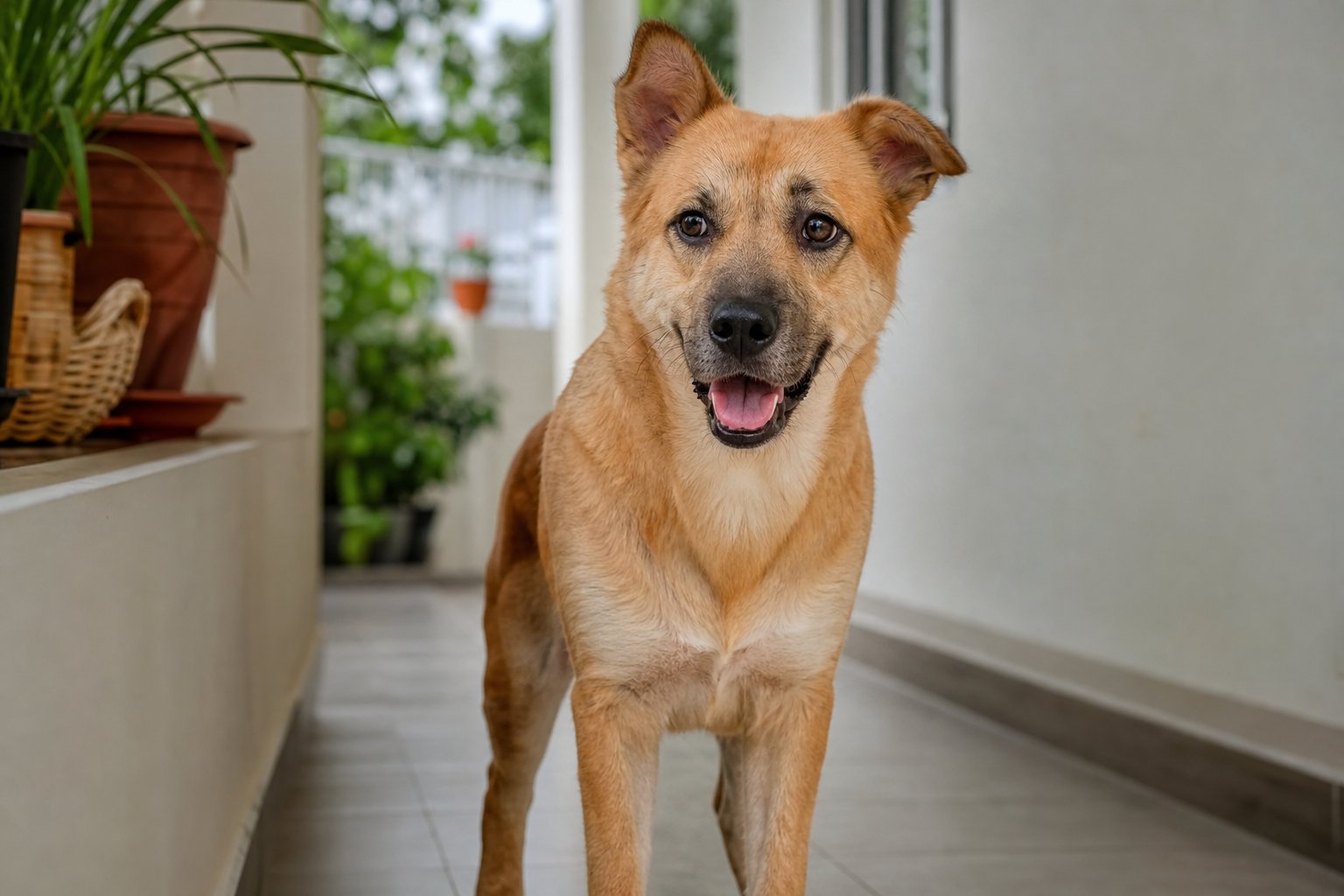
Weight management for dogs in Malaysia starts with knowing what a healthy shape looks like. A number on a scale means little without context: a large-breed dog at 30 kg may be ideal, while a small dog at 12 kg may be overweight. The practical tool is body condition scoring (BCS), a hands-on assessment of fat cover and muscle.
Run your hands along your dog's sides. You should feel the ribs easily under a thin layer of fat, like feeling the bones under the skin on the back of your hand. Look from above: there should be a visible waist behind the ribs. Look from the side: the belly should tuck up towards the hind legs. If ribs are hard to find, there is no waist, and the belly is level or sagging, your dog is carrying extra weight.
Do this check monthly and write down the result. Photos from the same angle each month are useful too. In Malaysia's humid climate, thick-coated dogs can look puffier than they are, so hands-on checking matters more than appearance.
Why weight matters for Malaysian dogs
Excess weight is not just cosmetic. It increases strain on joints, worsens breathing problems, makes heat intolerance worse, and is linked to conditions such as diabetes and heart disease. In a hot, humid country, an overweight dog is at higher risk during walks and car trips because extra fat acts as insulation and makes cooling harder.
Malaysian dogs also face specific temptations: rice with meals, leftovers from family dinners, kuih, roti canai, fried chicken skin, and treats from well-meaning neighbours. These add calories quickly and unbalance a complete diet. Managing weight is therefore as much about household habits as it is about the food bowl.

Set a realistic target with your vet
Before changing anything, ask a Malaysian veterinarian to assess your dog, weigh it, and estimate its ideal weight and body condition score. The vet can rule out medical causes of weight gain such as thyroid disease, and can check for conditions that affect exercise, such as arthritis or heart problems.
A safe rate of weight loss is generally gradual, not dramatic. Crash dieting can cause problems, especially in small dogs. Your vet can calculate a daily calorie target based on your dog's ideal weight and set a recheck schedule. If you cannot get to a clinic immediately, start by measuring food accurately and cutting treats, then book an appointment.
Build a feeding plan that survives real life
Measure everything
Use a kitchen scale for kibble, not a scoop. Scoop sizes vary and it is easy to overfill. Weigh the daily ration once, then divide it into meals. If you feed wet food, measure it too, and account for its calories.
Feed to ideal weight, not current weight
If your dog is overweight, feeding the amount recommended for its current weight will maintain the problem. Your vet can give a calorie target for the ideal weight. Follow the pet food label as a starting point, but adjust based on body condition checks every two to four weeks.
Keep treats under control
Treats should make up less than 10% of daily calories. Use tiny pieces: a single kernel of kibble, a small piece of plain cooked chicken, or a slice of carrot. Break training treats into quarters. Avoid human snacks such as bread, biscuits, cheese, and fried food. If family members give treats, put a daily treat allowance in a small container so everyone can see how much is left.
Make meals satisfying
Add non-starchy vegetables such as green beans or cucumber for bulk, but check with your vet first and introduce them gradually. Slow feeders and puzzle bowls can make meals last longer and reduce begging. Feed at set times rather than free-feeding, especially in multi-dog homes where one dog may eat another's food.
Watch the hidden calories
Table scraps, licking plates, and shared snacks add up. A small piece of roti or a few spoons of rice can be a significant portion of a small dog's daily calories. Keep human food out of reach and ask guests not to feed the dog.
Exercise safely in a hot climate
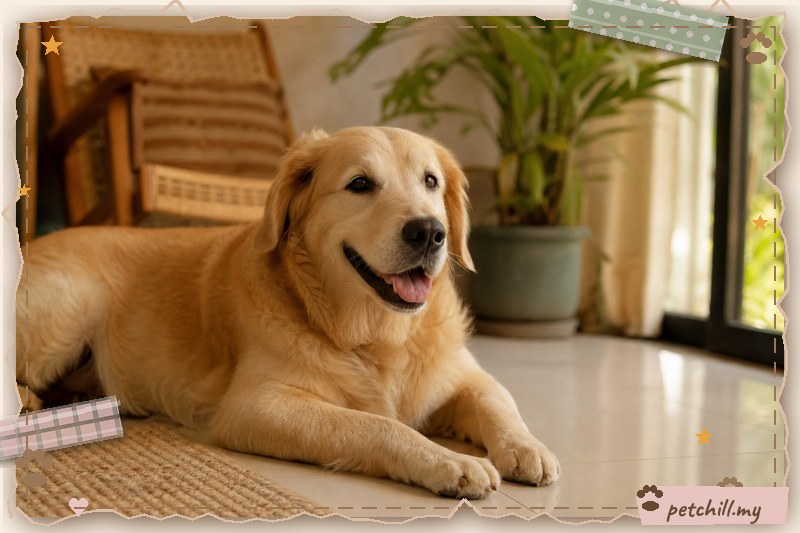
Exercise is essential for weight loss and overall health, but Malaysian heat and humidity require planning. Walk early in the morning or after sunset. Test the pavement with the back of your hand for five seconds; if it is too hot for you, it is too hot for paws. Bring water and take breaks in shade.
Start with short walks and build up gradually. Overweight dogs tire quickly and overheat easily. Swimming can be excellent exercise if your dog enjoys water and you have a safe place, but supervise at all times. Indoor games, stair-free fetch, and scent games can add activity without heat risk. Avoid strenuous exercise right after meals, especially in deep-chested breeds.
A simple comparison of weight-management approaches
| Approach | What it involves | Best for | Watch-outs |
|---|---|---|---|
| Measured complete diet | Weighing a complete commercial food to a calorie target | Most dogs; simple and balanced | Must use ideal-weight calories, not current-weight calories |
| Reduced-portion current diet | Feeding less of the existing complete food | Mild overweight dogs | Risk of nutrient shortfall if cut too much; vet guidance needed |
| Vet-formulated homemade diet | Recipe calculated by a vet or nutritionist | Dogs with special needs | Easy to unbalance; requires commitment and guidance |
| Treat control and environmental changes | Limiting treats, puzzle feeders, family rules | Every weight plan | Needs household buy-in |
| Increased activity | Daily walks, swimming, indoor games | Most dogs, alongside diet | Heat risk; start slowly |
Track progress and adjust
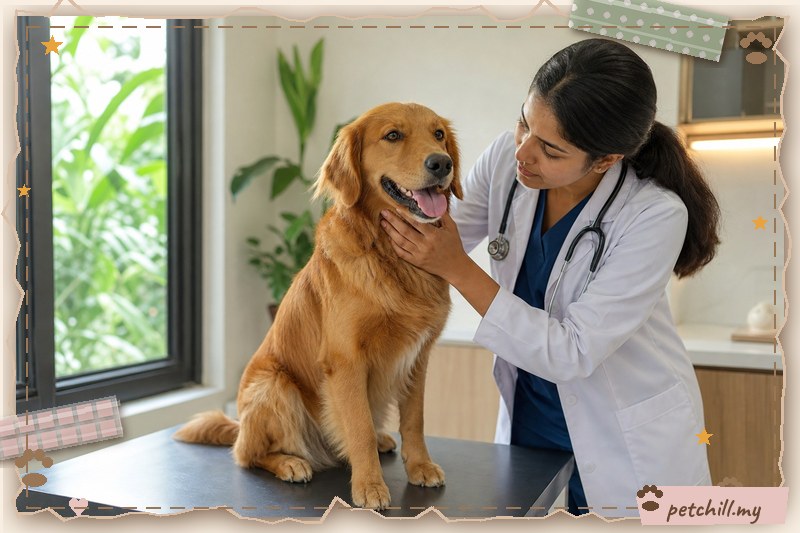
Weigh your dog every two to four weeks at the vet or use a pet scale at home if you have one. For small dogs, you can weigh yourself holding the dog and subtract your own weight. Record body condition score monthly. If weight is not changing after a month of accurate measuring, review portions, treats, and activity with your vet. If weight is dropping too fast, increase food slightly under guidance.
Common mistakes to avoid
- Guessing portions instead of weighing food.
- Feeding to current weight when the goal is ideal weight.
- Forgetting treats, scraps, and food from other family members.
- Cutting food drastically without veterinary advice.
- Exercising only at midday or skipping walks because of heat, rather than shifting to cooler hours.
- Using weight-loss supplements or fad diets without evidence.
When to see a vet
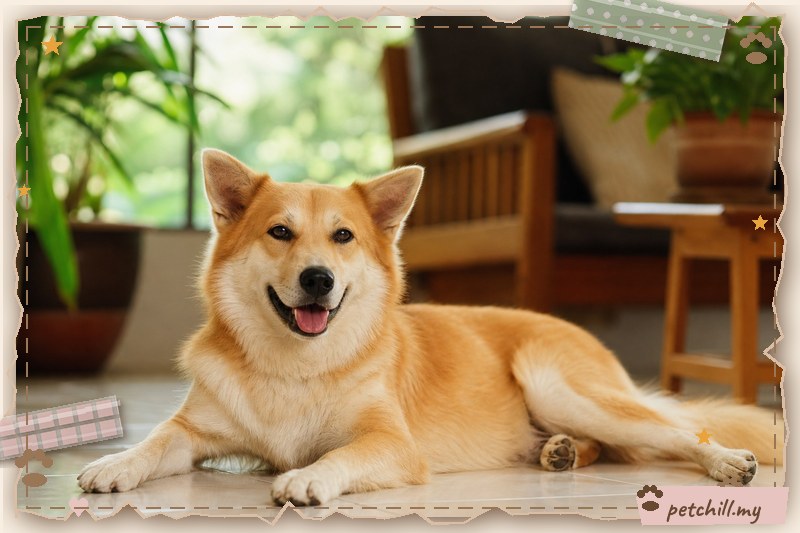
See a Malaysian veterinarian if your dog is visibly overweight, has difficulty breathing or walking, tires quickly, or has other health problems. Also seek help if your dog gains or loses weight unexpectedly, has a sudden change in appetite, or if you are unsure how to plan a diet. A vet can rule out medical causes, set a safe calorie target, and monitor progress. Do not start a severe calorie restriction plan on your own, especially for small breeds or dogs with health conditions.
Frequently asked questions
How can I tell if my dog is overweight without a scale? Use body condition scoring: you should feel the ribs easily under a thin fat layer, see a waist from above, and see a tucked belly from the side. If ribs are hard to feel and there is no waist, your dog is likely overweight.
How much should I feed my dog to help it lose weight? Ask your vet to calculate calories for your dog's ideal weight, then measure food with a kitchen scale or measuring cup. Reduce current intake by a safe amount under veterinary guidance, and recheck weight every two to four weeks.
Are human foods and table scraps bad for dog weight management? Often yes. Table scraps, rice, bread, roti and fried foods add hidden calories and unbalance the diet. Keep treats to under 10% of daily calories and use small pieces of your dog's own kibble or plain cooked lean meat.
How much exercise does an overweight dog need in Malaysia's heat? Start with short, frequent walks at cooler times such as early morning or evening, and build duration gradually. Avoid midday heat, check pavement temperature with your hand, and always bring water. Overweight dogs overheat faster.
Can I put my dog on a homemade diet for weight loss? Only with veterinary or veterinary nutritionist guidance. Homemade diets can be unbalanced and cause deficiencies. A complete commercial diet or a vet-formulated recipe with measured portions is safer for weight loss.
When should I see a vet about my dog's weight? See a vet if your dog is significantly overweight, gaining or losing weight unexpectedly, has trouble breathing or walking, or has other health issues. A vet can rule out medical causes and set a safe weight-loss plan.
Vet disclaimer
This article provides general information only and is not a substitute for veterinary advice. Always consult a licensed veterinarian in Malaysia about your dog's diet, weight and health before making changes.
Related reading
- Dog Guide Malaysia: A Complete Owner's Handbook for New and Experienced Owners
- Best Dog Food Brands in Malaysia: How to Choose Well (2025 Guide)
- Dog Care Guide Malaysia: Feeding, Grooming, Health & Daily Routine
- Dog Joint Care for Dog Owners in Malaysia: A Practical Guide
- Beagle Lifespan in Malaysia: How Long Do Beagles Live and How to Help Them Reach 15
- Best Puppy Food for Dogs in Malaysia: A Practical Buying Guide
- Dog Exercise Needs for Dog Owners in Malaysia: A Practical Guide
- Dog Exercise Needs in Malaysia: How Much Activity Does Your Dog Really Need?
- Dog Food Allergies for Dog Owners in Malaysia: A Practical Guide
- Dog Food for Dogs: A Complete Feeding Guide for Malaysian Owners
- Dog Food Malaysia: How to Pick the Right Bag for Your Dog (2026 Guide)