
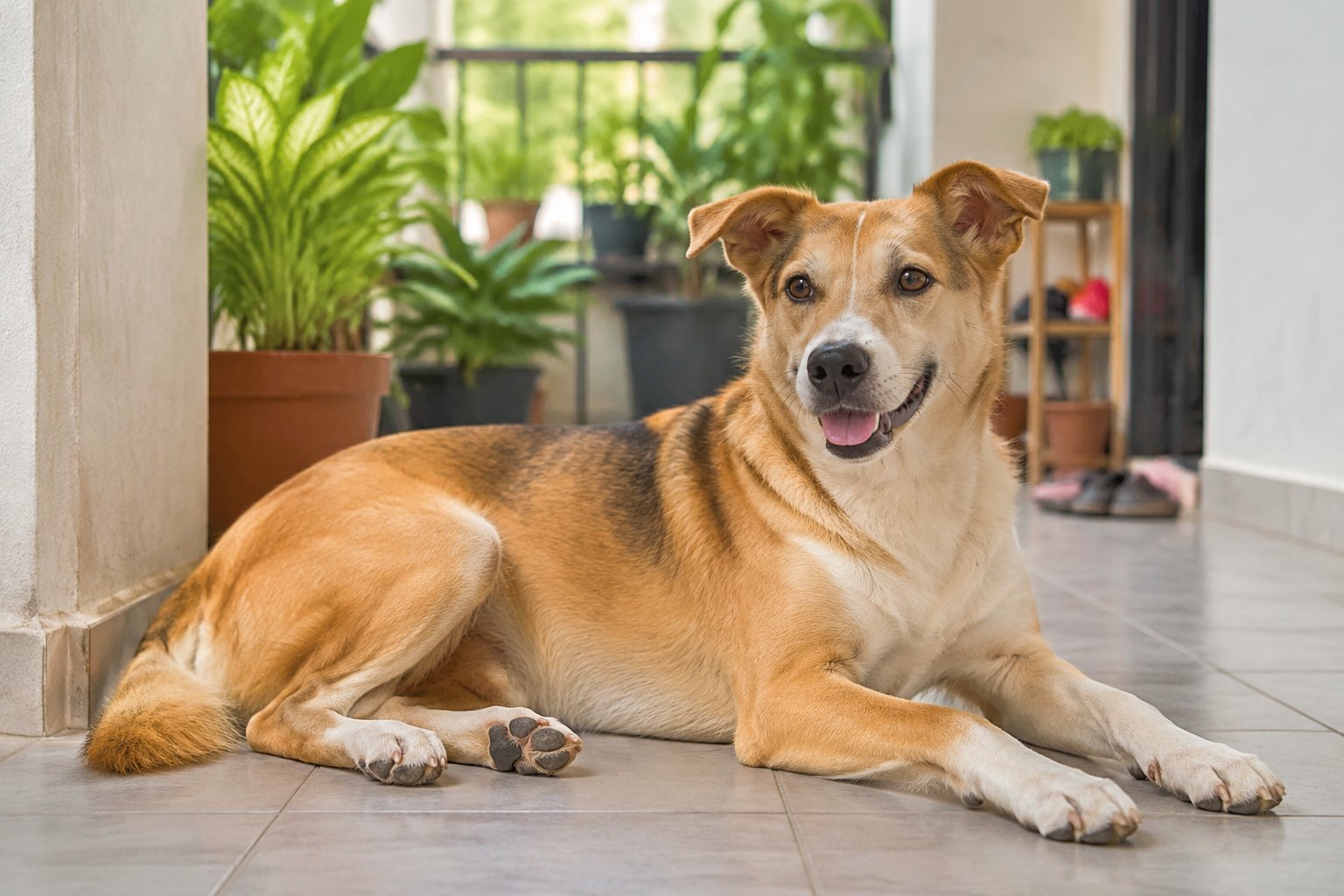
Why training basics matter for Malaysian dogs
Training is essential for every dog, but in Malaysia, the approach needs to suit the local climate, living spaces, and lifestyle. Whether you live in a high-rise apartment in Kuala Lumpur or a terrace house in Johor, basic training helps your dog stay safe, calm, and happy. It also strengthens your bond and makes daily life smoother.
The best training basics for dogs in Malaysia emphasise positive reinforcement, short sessions, and consistency. This guide covers the core commands, house training, leash manners, and how to adapt training to Malaysia's heat and rainy seasons. You'll also find a comparison table and practical checklists to get started.
The core principles of effective dog training
Positive reinforcement
Reward-based training is the most effective and humane method. When your dog does something you like, immediately give a treat, praise, or play. This teaches your dog that good things happen when they behave well. Avoid punishment, which can cause fear and damage trust.
Consistency and timing
Everyone in the household should use the same commands and rules. Timing is critical: reward within a second or two of the desired behaviour. Short, frequent sessions (5–10 minutes) are better than long ones, especially for puppies.
Patience and realistic expectations
Dogs learn at different paces. Some pick up commands quickly; others need more repetition. Stay patient and celebrate small wins. Training is a lifelong process, not a one-off event.
Socialisation
Socialisation is part of basic training. Expose your dog to different people, sounds, and environments in a positive way. In Malaysia, this might include busy streets, markets, and other pets. Always ensure experiences are safe and not overwhelming.
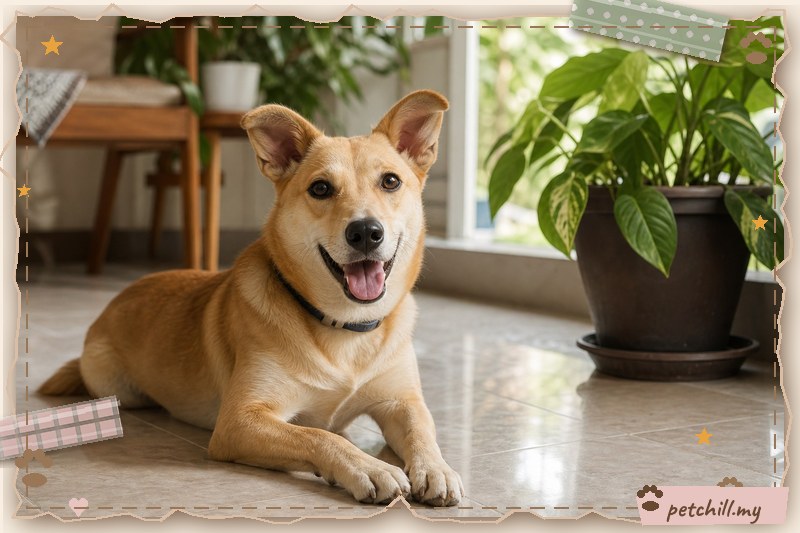
Essential commands every dog should know
Start with these foundational commands. They provide safety and control in everyday situations.
| Command | What it means | How to teach it |
|---|---|---|
| Sit | Dog puts bottom on the ground | Hold a treat above the nose, move it back over the head; reward when bottom touches ground. |
| Stay | Dog remains in place until released | Ask for sit, say "stay," take one step back, reward if dog stays. Gradually increase distance and duration. |
| Come | Dog comes to you when called | Use a happy voice, crouch down, reward generously when dog comes. Never punish a dog for coming. |
| Down | Dog lies down | From sit, move treat to the ground between paws; reward when elbows touch ground. |
| Leave it | Dog ignores something | Show a treat in your closed hand, say "leave it," reward when dog looks away. |
| Heel / loose leash | Dog walks beside you without pulling | Reward dog for being near your side; stop when leash tightens. |
Teaching sit
Sit is the easiest command to start with. Hold a small treat close to your dog's nose and slowly move it upwards and slightly back. Your dog's bottom will naturally lower. As soon as it touches the ground, say "sit" and give the treat. Repeat several times, then fade the treat to occasional rewards.
Teaching stay
Stay requires impulse control. Start with your dog in a sit. Say "stay" and take one step back. If your dog stays, return and reward. If they move, gently reset and try again with a smaller step. Gradually increase distance and time. Practice in different rooms and with distractions.
Teaching come
Come is a vital safety command. Always reward your dog generously when they come to you, even if they were slow. Never call your dog to punish them, or they'll learn that coming is bad. Practice in a secure area first, then gradually add distractions. Use a long line for safety outdoors.
Teaching leave it
Leave it can prevent your dog from eating something dangerous. Hold a treat in your closed fist. When your dog sniffs and then backs off, say "leave it" and reward with a different treat from your other hand. Progress to placing a treat on the floor and covering it with your foot if needed.
Teaching loose-leash walking
Leash pulling is common, especially in exciting environments. Start indoors or in a quiet area. Reward your dog for walking beside you. If the leash tightens, stop moving until it slackens, then continue. Use a front-clip harness or head halter if needed, but introduce them positively. Practice in short bursts and gradually increase distractions.
House training your dog
House training requires consistency and supervision. Puppies need to go out frequently: after waking, eating, playing, and before bed. Take them to a designated spot and reward immediately after they eliminate. If they have an accident indoors, clean it thoroughly with an enzymatic cleaner to remove odours. Never punish; it only creates fear.
Crate training can help. A crate should be a safe, comfortable space, never used for punishment. Feed meals in the crate and provide toys. Gradually increase time spent in the crate.
For adult dogs, establish a routine and take them out at regular intervals. If accidents persist, consult a vet to rule out medical issues.
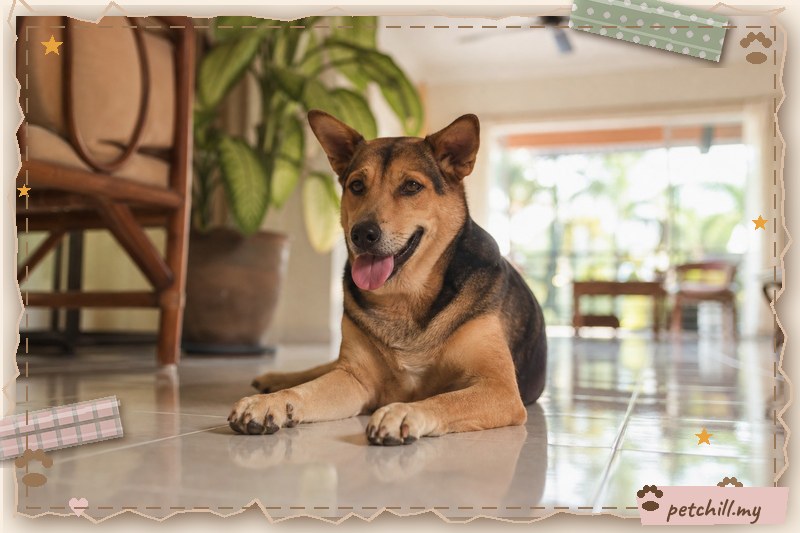
Leash manners and outdoor training in Malaysia
Walking your dog in Malaysia requires extra considerations. The heat can be intense, so walk during cooler parts of the day (early morning or evening). Check the pavement temperature with your hand; if it's too hot for you, it's too hot for paws. Bring water for both of you.
Rainy seasons can disrupt walks. Use a raincoat for your dog and towel dry afterwards. Practice indoor training games on rainy days to burn energy.
When walking, keep your dog on a leash unless in a designated off-leash area. Be mindful of other dogs, cyclists, and traffic. Reward calm behaviour and practice loose-leash walking in low-distraction areas first.
Training in different Malaysian living spaces
Apartment living
Apartments often have limited space. Focus on indoor commands, mental enrichment (puzzle toys, scent games), and controlled leash walks. Use corridors or quiet areas for practice. Be considerate of neighbours: prevent excessive barking by rewarding quiet behaviour and providing enough exercise.
Terrace houses
A small garden or courtyard can be a training space. Practice recall and stay in a secure area. Ensure gates are closed. Use the garden for toilet training and short training sessions.
High-rise considerations
In high-rises, elevator etiquette matters. Teach your dog to sit calmly in the lift and wait for others to exit. Practice loose-leash walking in lobbies and car parks.
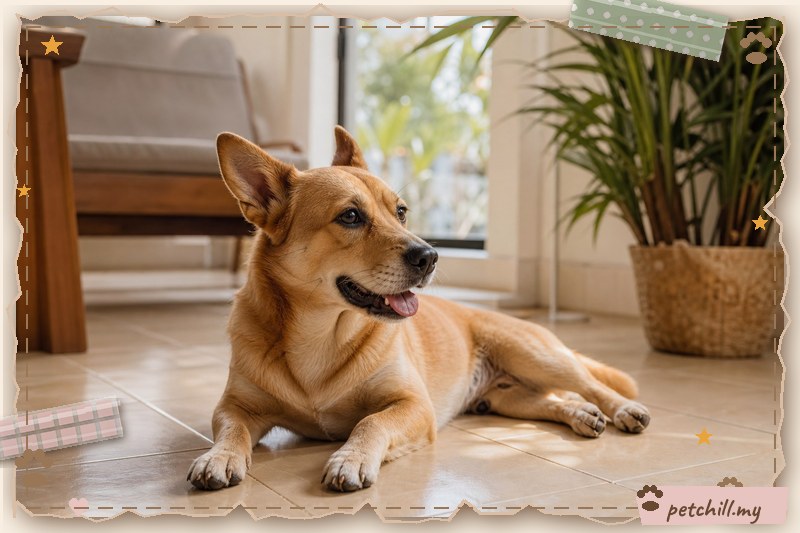
Socialisation and environmental training
Socialisation is crucial for a well-adjusted dog. In Malaysia, expose your dog to diverse experiences: different people (including children and people in uniform), sounds (traffic, thunder), and surfaces. Always pair new experiences with treats and praise. Avoid flooding; start at a distance and gradually decrease.
Puppy classes are excellent for socialisation and basic training. Ensure the class uses positive methods and that puppies are vaccinated according to your vet's advice.
Common training challenges and solutions
| Challenge | Possible cause | Solution |
|---|---|---|
| Pulling on leash | Excitement, lack of training | Reward loose leash, stop when tight, practice in low-distraction areas. |
| Not coming when called | Distractions, fear, past punishment | Use high-value treats, practice in secure areas, never punish for coming. |
| Jumping up | Greeting behaviour, attention-seeking | Ignore jumping, reward sitting, teach alternative greeting. |
| Barking | Boredom, alertness, anxiety | Provide exercise and enrichment, reward quiet, manage environment. |
| Chewing | Teething, boredom | Provide appropriate chew toys, supervise, use bitter sprays if needed. |
Using treats and rewards effectively
Treats are powerful training tools. Use small, soft treats that are easy to chew and won't melt in the heat. Freeze-dried meat, small pieces of cooked chicken, or commercial training treats work well. Keep treats in a cool bag. Vary rewards: sometimes use a toy or praise instead of food to prevent satiation.
Reward timing: give the treat within 1–2 seconds of the behaviour. Use a marker word like "yes" or a clicker to mark the exact moment.
Training equipment: what you need
- Flat collar or harness (front-clip harness for pullers)
- 1–2 metre leash (and a long line for recall practice)
- Treat pouch
- Small, high-value treats
- Water bottle and bowl for walks
- Puzzle toys and chew toys
- Crate (optional, for house training)
Avoid aversive tools like choke chains or prong collars. They can cause pain and fear, and are not recommended by modern trainers.
Creating a training plan
A simple weekly plan can keep you on track. Here's a sample for a puppy:
| Day | Focus | Duration |
|---|---|---|
| Monday | Sit and name recognition | 5 minutes, 3 times |
| Tuesday | House training routine | Every 2 hours |
| Wednesday | Leash introduction | 5 minutes indoors |
| Thursday | Come in secure area | 5 minutes, 3 times |
| Friday | Socialisation walk | 15 minutes |
| Saturday | Review all commands | 10 minutes |
| Sunday | Rest and enrichment | Puzzle toys |
Adjust based on your dog's age and energy. Always end on a positive note.
When to see a vet
Consult a veterinarian if your dog shows signs of pain, illness, or sudden behaviour changes. Training issues that may need medical attention include:
- Sudden reluctance to walk or move (possible injury or arthritis)
- Increased thirst or urination during house training (possible medical issue)
- Aggression or anxiety that worsens despite training
- Excessive panting or overheating during training in hot weather
- Loss of appetite or weight loss
A vet can rule out underlying health problems and refer you to a qualified behaviourist if needed.
Local resources and further help
In Malaysia, you can seek advice from your local veterinarian and reputable animal welfare organisations. The Department of Veterinary Services (DVS) provides general information on pet care and animal welfare. The Society for the Prevention of Cruelty to Animals (SPCA) and Malaysian Veterinary Council (MVC) may offer resources or referrals. Always choose trainers who use positive, force-free methods.
Final thoughts
Training your dog in Malaysia is rewarding and achievable with the right approach. Focus on positive reinforcement, keep sessions short and fun, and adapt to your environment. Whether you live in a Kuala Lumpur apartment or a Johor terrace house, the basics of sit, stay, come, and loose-leash walking will set you and your dog up for success. Be patient, consistent, and always consult your vet for health concerns.
Disclaimer: This article is for general information only and is not a substitute for professional veterinary advice. Always consult a licensed veterinarian for health and behaviour concerns.
Related reading
- Dog Guide Malaysia: A Complete Owner's Handbook for New and Experienced Owners
- Dog Care Guide Malaysia: Feeding, Grooming, Health & Daily Routine
- Dog Training Basics: Practical Tips for Malaysian Dog Owners
- Best Dog Food in Malaysia: A Practical Guide for Dog Owners
- Crate Training for Dogs in Malaysia: A Practical, Humane Guide
- Dog Dental Care for Dogs: A Malaysia Guide
- Dog Food Allergies in Malaysia: Symptoms, Triggers, and How to Help Your Dog
- Dog Food Tips for Dog Owners in Malaysia: A Practical Feeding Guide
- Dog Training Basics for Dogs: A Practical Malaysia Guide