
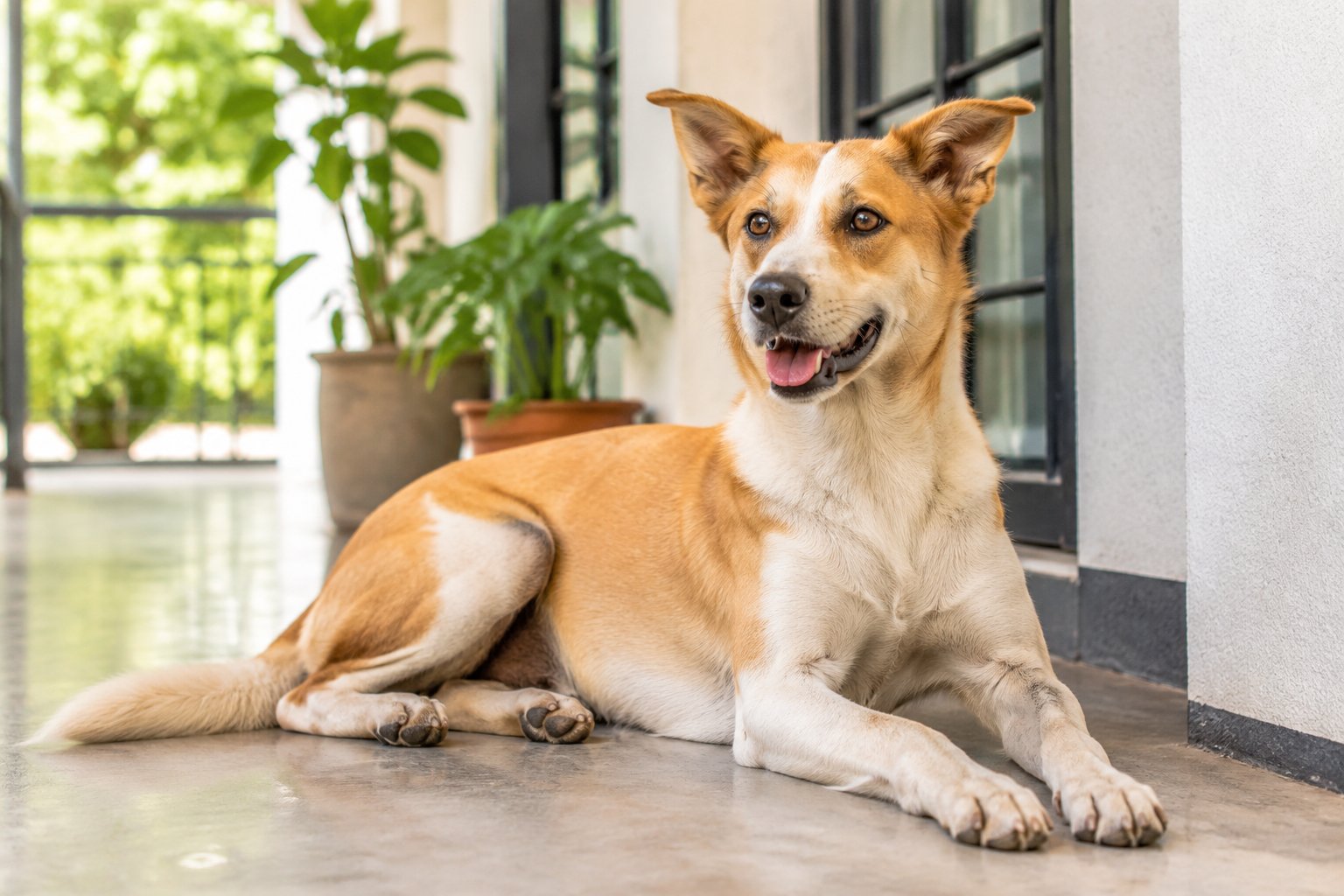
Introduction
Bringing a dog into your home is a rewarding experience, but it comes with responsibilities. In Malaysia's tropical climate, dogs face unique challenges such as heat stress, parasites, and seasonal thunderstorms. This guide provides a comprehensive overview of dog ownership in Malaysia, from selecting the right dog to daily care, training, and health management. Whether you are a first-time owner or looking to refresh your knowledge, the information here will help you make informed decisions and give your dog a happy, healthy life.
1. Choosing the Right Dog for Your Lifestyle
Before you bring a dog home, consider your living situation, activity level, and budget. Malaysia has a variety of dog breeds available, but not all are suited to the climate or your home environment.
Key factors to consider:
- Size and space: Larger dogs need more room to exercise. If you live in an apartment, a small or medium breed may be more practical, but energy level matters more than size. Some small breeds are high-energy and need lots of stimulation.
- Climate suitability: Breeds with flat faces (brachycephalic) such as Pugs and Bulldogs are prone to breathing difficulties in hot, humid weather. Breeds with thick double coats may struggle with heat. Short-coated breeds often cope better, but they still need shade and water.
- Exercise needs: Working breeds like Border Collies and Huskies require vigorous daily exercise. In Malaysia's heat, you'll need to exercise them during cooler parts of the day.
- Grooming: Long-haired breeds need regular grooming to prevent matting and skin issues. Consider the time and cost involved.
- Temperament: If you have children or other pets, choose a breed known for being gentle and sociable. Adoption centres can help match you with a suitable dog.
- Local regulations: Some states or housing developments have restrictions on certain breeds. Check with your local council or building management.
Adoption vs. buying: Many dogs in Malaysia need homes. Adoption gives a dog a second chance and often costs less than buying from a breeder. However, if you choose a breeder, ensure they are reputable and prioritise health and temperament.
Checklist before getting a dog:
- Confirm your housing allows dogs.
- Budget for food, vet care, grooming, and supplies.
- Allocate time for exercise, training, and companionship.
- Find a vet near you.
- Prepare your home: secure fences, remove toxic plants, set up a sleeping area.
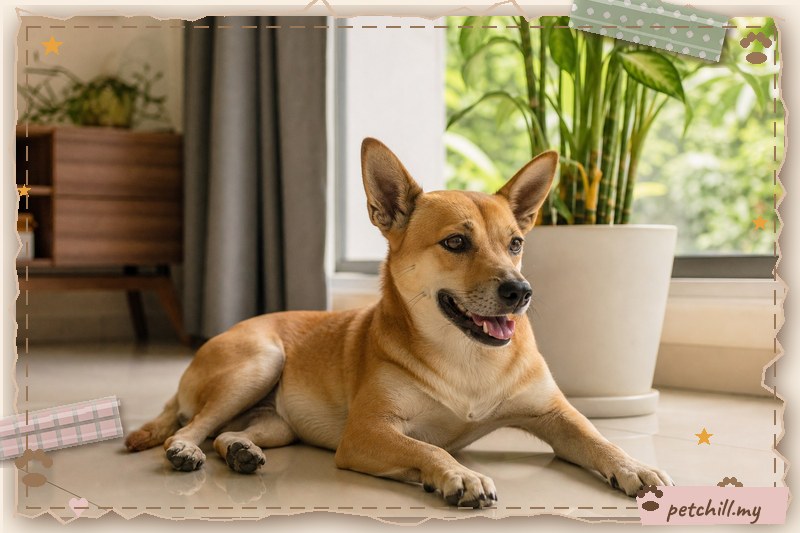
2. Setting Up Your Home for a Dog
A safe and comfortable environment is essential. In Malaysia, the heat and humidity mean you must provide adequate shade and ventilation.
Indoor vs. outdoor:
- Indoor dogs: Most dogs can live happily indoors, but they need regular walks and toilet breaks. Ensure your home is dog-proofed: secure bins, keep toxic substances out of reach, and provide safe chew toys.
- Outdoor dogs: If your dog spends time outside, provide a sheltered area with shade and fresh water. Avoid tying your dog up for long periods; this can lead to behavioural problems. Ensure fencing is secure to prevent escapes.
Heat safety:
- Never leave your dog in a parked car, even with windows down. Temperatures can rise rapidly.
- Provide multiple water bowls and refresh them frequently.
- Walk your dog early morning or late evening to avoid hot pavements that can burn paws.
- Consider cooling mats or kiddie pools for hot days.
Local example: In a Kuala Lumpur apartment, space is limited, so choose a dog that adapts well to apartment living and provide mental stimulation with puzzle toys and indoor games. In a Johor terrace house, you may have a small yard, but ensure gates are secure and provide shade for outdoor time.
3. Nutrition and Feeding
A balanced diet is the foundation of good health. Dogs are omnivores and require a mix of proteins, fats, carbohydrates, vitamins, and minerals.
Types of diets:
- Commercial dry food (kibble): Convenient and nutritionally complete. Choose a brand that meets AAFCO or FEDIAF standards. Store in a cool, dry place.
- Wet food: More palatable and provides hydration, but more expensive. Can be mixed with kibble.
- Home-cooked diets: Can be healthy if properly balanced. Consult a vet or pet nutritionist to avoid deficiencies. Never feed a homemade diet without professional guidance.
- Raw diets: Controversial due to risk of bacterial contamination and nutritional imbalances. If considering raw, consult a vet and follow strict hygiene.
Feeding guidelines:
- Puppies need more frequent meals (3-4 times a day) until about 6 months, then 2-3 times.
- Adult dogs typically eat twice a day.
- Senior dogs may need adjusted portions and senior-specific diets.
- Always provide fresh water.
Foods to avoid:
- Chocolate, coffee, caffeine
- Onions, garlic, chives
- Grapes and raisins
- Xylitol (artificial sweetener)
- Alcohol
- Macadamia nuts
- Avocado (in large amounts)
- Cooked bones (can splinter)
Local tip: In Malaysia's heat, food can spoil quickly. Don't leave wet food out for more than 30 minutes. Store dry food in airtight containers to prevent moisture and pests.
Comparison table: Choosing a diet
| Diet type | Pros | Cons | Best for |
|---|---|---|---|
| Commercial dry | Convenient, balanced, economical | Less palatable for some dogs | Most dogs; easy portion control |
| Wet food | Hydrating, palatable | Expensive, spoils quickly | Picky eaters, dogs needing extra water |
| Home-cooked | Control ingredients, fresh | Risk of imbalance, time-consuming | Owners willing to work with a vet |
| Raw | Some report shinier coat | Bacterial risk, imbalance, safety concerns | Not recommended without vet guidance |
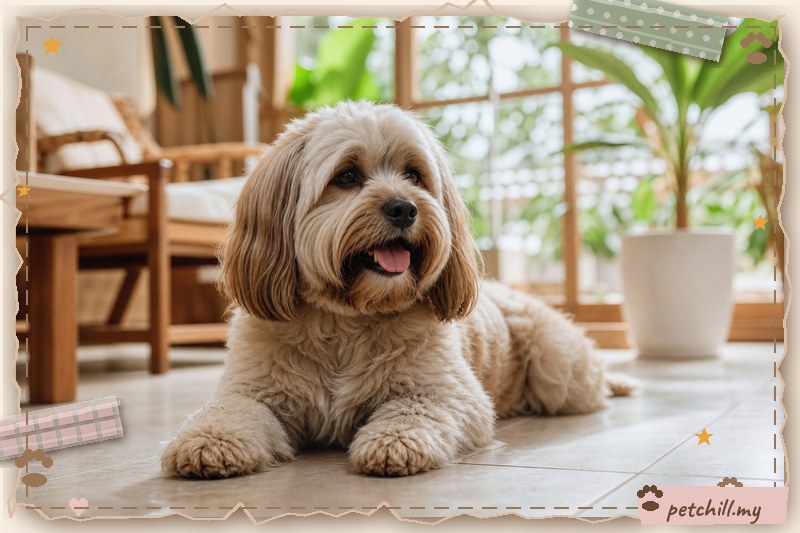
4. Training and Socialisation
Training is essential for a well-behaved dog and strengthens your bond. Start early and use positive reinforcement methods.
Basic commands:
- Sit, stay, come, down, leave it, heel.
- Use treats, praise, and toys as rewards.
- Keep sessions short (5-10 minutes) and fun.
- Be consistent and patient.
Socialisation:
- Expose your puppy to different people, dogs, sounds, and environments between 3 and 16 weeks of age.
- Enrol in a puppy class if available.
- Continue socialisation throughout your dog's life.
House training:
- Take your puppy out frequently, especially after meals and naps.
- Reward successful toilet breaks.
- Clean accidents with an enzymatic cleaner to remove odour.
Behaviour issues:
- Common issues include barking, chewing, digging, and separation anxiety.
- Address underlying causes (boredom, lack of exercise, stress).
- Consult a professional trainer or behaviourist if needed.
Local context: In Malaysia, many dogs live in apartments, so training to be quiet and calm is important. Also, during thunderstorms, fearful dogs may need behavioural therapy. Penang's rainy season can make outdoor training challenging, so plan indoor activities.
5. Health Care and Preventive Medicine
Regular veterinary care is crucial. Find a vet you trust and establish a relationship early.
Vaccinations:
- Core vaccines: distemper, parvovirus, adenovirus (hepatitis), and rabies (rabies vaccination is required by law in Malaysia).
- Non-core: leptospirosis, bordetella, parainfluenza, depending on risk.
- Puppies need a series of vaccines; adults need boosters.
Parasite prevention:
- Ticks and fleas: Use monthly preventives. Ticks can transmit diseases like ehrlichiosis and babesiosis.
- Heartworm: Transmitted by mosquitoes, common in Malaysia. Monthly preventive is recommended.
- Intestinal worms: Regular deworming as advised by your vet.
Common health issues in Malaysia:
- Heatstroke: Signs include heavy panting, drooling, weakness, collapse. Emergency treatment is needed.
- Skin problems: Hot spots, fungal infections, and allergies are common in humid climates.
- Ear infections: Floppy-eared dogs are prone; keep ears dry.
- Tick-borne diseases: Fever, lethargy, loss of appetite.
- Parvovirus: Severe vomiting and diarrhoea, especially in unvaccinated puppies.
Routine care:
- Annual wellness exams.
- Dental care: brush teeth regularly, provide dental chews.
- Grooming: regular brushing and bathing as needed.
- Nail trimming.
When to see a vet:
- Persistent vomiting or diarrhoea.
- Difficulty breathing or excessive panting.
- Refusal to eat for more than 24 hours.
- Lethargy or weakness.
- Seizures or collapse.
- Signs of pain (limping, crying).
- Any suspected poisoning.
- Heatstroke symptoms.
Vet disclaimer: This article provides general information only and is not a substitute for professional veterinary advice. Always consult a licensed veterinarian for diagnosis and treatment of your dog's health conditions.
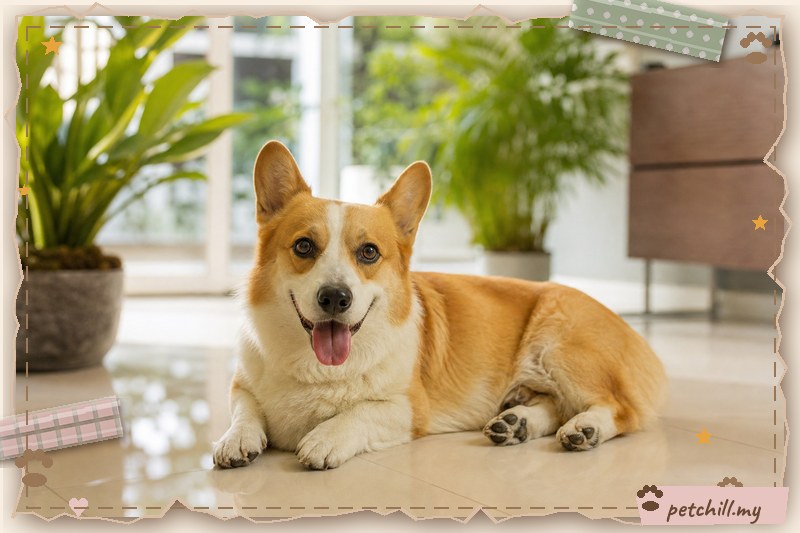
6. Grooming and Hygiene
Grooming keeps your dog comfortable and healthy.
Brushing: Frequency depends on coat type. Long-haired dogs need daily brushing; short-haired dogs weekly.
Bathing: Every 4-8 weeks, or as needed. Use dog-specific shampoo. Over-bathing can strip natural oils.
Ear cleaning: Check ears weekly; clean with vet-approved solution if dirty.
Nail trimming: Every 3-4 weeks.
Dental care: Brush teeth daily if possible, or at least weekly. Provide dental chews.
Local tip: In Malaysia's humidity, ensure your dog is thoroughly dried after baths to prevent fungal infections. Check skin folds in breeds like Bulldogs.
7. Exercise and Mental Stimulation
Exercise is vital for physical and mental health. Adjust intensity based on breed, age, and health.
Daily exercise needs:
- High-energy breeds: 1-2 hours of vigorous activity.
- Moderate-energy breeds: 30-60 minutes.
- Low-energy breeds: 20-30 minutes.
Heat considerations:
- Exercise during cooler hours (early morning, evening).
- Avoid hot pavements; if it's too hot for your hand, it's too hot for paws.
- Provide water during and after exercise.
- Watch for signs of overheating.
Mental stimulation:
- Puzzle toys, food-dispensing toys.
- Training sessions.
- Scent games.
- Rotate toys to keep interest.
Local example: In a Kuala Lumpur apartment, use indoor games like hide-and-seek with treats. In a Johor terrace house, a shaded yard allows for supervised outdoor play, but avoid midday sun.
8. Living with Dogs in Malaysia: Practical Tips
- Housing: Check local council rules and building management for pet policies. Some apartments have size or breed restrictions.
- Transport: Use a crate or pet seatbelt for car safety. Never leave your dog unattended in a car.
- Emergencies: Keep your vet's number and an emergency clinic number handy. Know the signs of heatstroke and poisoning.
- Community: Be a responsible owner: clean up after your dog, prevent excessive barking, and keep your dog on a leash in public areas.
- Travel: If travelling with your dog, ensure vaccinations are up to date and carry health records. For international travel, check import requirements of the destination country.
9. Understanding Local Regulations and Responsible Ownership
Dog ownership in Malaysia is regulated by state and local councils. Key points:
- Licensing: Some local councils require dog licences. Check with your local authority.
- Rabies vaccination: Required by law for all dogs in Malaysia.
- Breed restrictions: Certain breeds may be restricted in some areas. Verify with local authorities.
- Animal welfare: The Animal Welfare Act 2015 (Act 772) protects animals from cruelty and neglect. Owners must provide adequate food, water, shelter, and veterinary care.
Responsible ownership checklist:
- Provide fresh water at all times.
- Feed a balanced diet.
- Ensure regular exercise and mental stimulation.
- Keep vaccinations and parasite prevention up to date.
- Socialise and train your dog.
- Groom regularly.
- Provide veterinary care when needed.
- Never abandon your dog.
Conclusion
Owning a dog in Malaysia is a joyful journey that requires commitment and knowledge. By understanding your dog's needs, providing proper nutrition, training, health care, and a safe environment, you can build a strong bond and ensure your dog thrives. Remember that every dog is an individual, and local veterinarians are your best resource for personalised advice. Whether you live in a bustling city apartment or a suburban home, responsible ownership makes all the difference.
Vet disclaimer: This article is for informational purposes only and does not replace professional veterinary advice. Always consult a licensed veterinarian for any health concerns regarding your dog.
Related reading
- Dog Food for Dogs: A Complete Feeding Guide for Malaysian Owners
- Dog Food Tips for Dog Owners in Malaysia: A Practical Feeding Guide
- Puppy Food for Dogs in Malaysia: A Complete Feeding Guide
- Best Dog Food in Malaysia: A Practical Guide for Dog Owners
- Best Dog Training Basics for Dogs in Malaysia: A Practical Guide
- Crate Training for Dog Owners in Malaysia: A Complete Guide
- Dane Dog Breeds: A Complete Guide for Malaysian Owners
- Dog Care Guide Malaysia: Feeding, Grooming, Health & Daily Routine
- Dog Dental Care for Dogs: A Malaysia Guide
- Dog Fleas in Malaysia: A Complete Guide for Dog Owners