

Joint problems are one of the most common reasons dogs slow down, especially as they age. In Malaysia's hot and humid climate, dogs may exercise less, carry extra weight, or spend more time on slippery tiled floors — all of which can strain joints. The good news is that you can do a lot at home to protect your dog's joints and improve comfort. This guide explains the basics of dog joint care for Malaysian owners, from weight management and exercise to supplements, home adjustments and when to seek veterinary help.
Why joint health matters for dogs
Joints are the connections between bones that allow movement. They are cushioned by cartilage and lubricated by joint fluid. Over time, wear and tear, injury, genetics, or excess weight can damage cartilage and lead to conditions like osteoarthritis. Arthritis is not just an old-age problem; younger dogs can develop it after injuries or due to developmental conditions such as hip dysplasia.
In Malaysia, several factors can affect joint health:
- Climate: Hot, humid weather may reduce your dog's willingness to exercise, leading to weight gain and muscle loss.
- Flooring: Many homes have smooth tiles, which can be slippery for dogs, increasing the risk of slips and strains.
- Weight: Overweight dogs put extra stress on joints. Malaysian owners often show love through food, but portion control is key.
- Breed: Large and giant breeds (e.g., Labradors, Golden Retrievers, German Shepherds) are more prone to joint issues, but small breeds can also be affected.
Recognising joint problems early and taking preventive steps can make a big difference to your dog's quality of life.
Recognising the signs of joint pain
Dogs are good at hiding pain. Subtle changes in behaviour may be the first clue. Watch for:
- Stiffness after resting or sleeping
- Reluctance to climb stairs, jump into the car, or get up from the floor
- Slowing down on walks or lagging behind
- Limping or favouring a leg
- Licking or chewing at a joint
- Swelling around a joint
- Changes in posture, such as a hunched back
- Irritability or reluctance to be touched
If you notice any of these, keep a diary of when they occur and see your vet. Early diagnosis allows for better management.
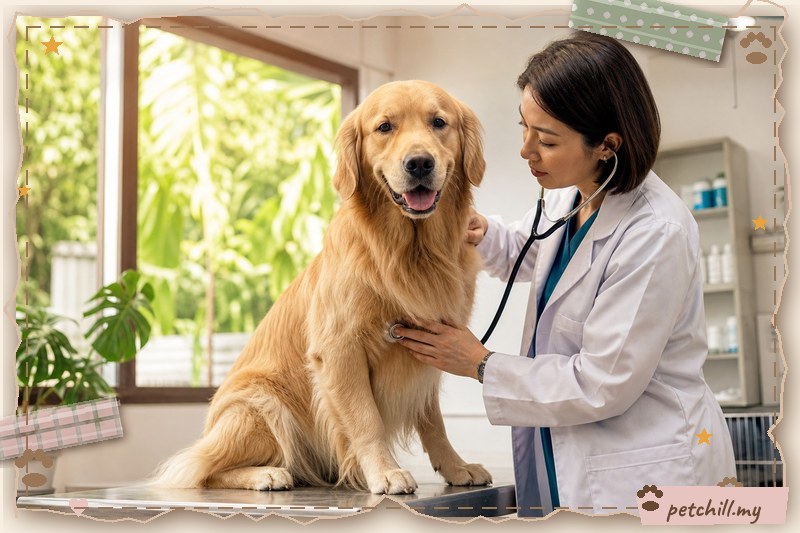
Weight management: the single most important step
Carrying extra weight is like carrying a heavy backpack all day — it puts constant strain on joints. Studies show that lean dogs live longer and have fewer joint problems. In Malaysia, where many dogs live indoors and may not get enough exercise due to heat, weight control is crucial.
How to assess your dog's weight:
- You should be able to feel the ribs easily without pressing hard.
- There should be a visible waist when viewed from above.
- The belly should tuck up when viewed from the side.
If you're unsure, ask your vet to body condition score your dog.
Tips for weight control:
- Measure food with a measuring cup or scale; don't guess.
- Limit treats and table scraps. Use healthy treats like small pieces of carrot or cucumber.
- Feed a balanced diet appropriate for your dog's life stage and activity level.
- Increase activity gradually, especially in hot weather — walk early morning or evening.
- Avoid free-feeding; set meal times.
Even a small weight loss can significantly reduce joint pain.
Exercise: keep it low-impact and consistent
Exercise keeps muscles strong, which supports joints. But high-impact activities like jumping, rough play, or long runs on hard surfaces can worsen joint problems. Aim for low-impact, regular exercise.
Good options:
- Daily walks on soft surfaces (grass, dirt paths) at a steady pace.
- Swimming — excellent low-impact exercise, especially for dogs with arthritis. In Malaysia, ensure pools are safe and supervised.
- Gentle play with soft toys.
- Controlled leash walks rather than free running if your dog has joint issues.
Avoid:
- Repeated jumping (e.g., off beds or sofas).
- Sudden bursts of intense activity.
- Exercising during the hottest part of the day.
Exercise plan for a dog with arthritis:
- Start with 10–15 minute walks twice daily.
- Gradually increase to 20–30 minutes as tolerated.
- Include warm-up and cool-down (slow walking).
- Watch for signs of fatigue or pain; stop if your dog lags or limps.
Consistency is more important than intensity.

Diet and nutrition for joint health
A balanced diet provides the nutrients needed for joint repair and maintenance. Key nutrients include:
- Omega-3 fatty acids (from fish oil) — have anti-inflammatory effects.
- Glucosamine and chondroitin — building blocks for cartilage; often in supplements.
- Antioxidants (vitamin C, E, selenium) — help protect cells from damage.
- High-quality protein — supports muscle mass.
Some commercial diets are formulated for joint health, but always check with your vet before switching. If you feed home-cooked food, consult a veterinary nutritionist to ensure it's complete and balanced.
Feeding tips:
- Divide daily food into two meals to aid digestion and keep your dog satisfied.
- Avoid overfeeding; follow the feeding guide on the packaging as a starting point, but adjust based on body condition.
- Provide fresh water at all times.
Joint supplements: what to know
Supplements are popular, but not all are effective. The most commonly used are glucosamine, chondroitin, MSM, green-lipped mussel, and omega-3 fatty acids. Some dogs show improvement in stiffness and mobility, but results vary.
Before starting a supplement:
- Talk to your vet. They can recommend products with evidence and appropriate dosages.
- Choose reputable brands that list active ingredients and have quality control.
- Be wary of products making unrealistic claims.
- Supplements are not a substitute for weight control and exercise.
In Malaysia, many pet shops and online stores sell joint supplements. Prices vary, so compare and ask your vet for guidance. Avoid giving human supplements without veterinary advice, as dosages differ.

Home environment adjustments
Small changes at home can make a big difference for a dog with joint pain.
Flooring:
- Place non-slip mats or rugs on slippery tiled areas, especially where your dog walks, eats, and sleeps.
- Use carpet runners in hallways.
Bedding:
- Provide a supportive, orthopaedic bed with a waterproof cover. Raised beds can help keep your dog off cold, damp floors.
Ramps and steps:
- Use ramps for sofas, beds, and cars to reduce jumping.
- If your dog sleeps on your bed, consider a ramp or steps.
Food and water bowls:
- Raise bowls to a comfortable height to reduce neck and joint strain, especially for large dogs.
Grooming:
- Keep nails trimmed; long nails can affect posture and gait.
- Regular brushing helps you check for swelling or sore spots.
Climate control:
- In hot weather, keep your dog cool with fans or air-conditioning. Heat can worsen lethargy and reduce activity.
- Ensure fresh water is always available.
When to see a vet
Joint problems can worsen if left untreated. See your vet if you notice:
- Limping that lasts more than a few days
- Stiffness that doesn't improve with rest
- Reluctance to move or exercise
- Swelling, heat, or pain when touching a joint
- Sudden inability to bear weight on a leg
- Changes in behaviour, such as irritability or withdrawal
Your vet will examine your dog, possibly take X-rays, and discuss treatment options. These may include pain relief, anti-inflammatories, joint supplements, physiotherapy, or surgery in severe cases. Never give human painkillers to dogs without veterinary advice — some are toxic.

Comparison table: joint care strategies
| Strategy | Benefits | Practical tips for Malaysian owners |
|---|---|---|
| Weight management | Reduces joint stress, improves mobility | Measure food, limit treats, regular weigh-ins at vet |
| Low-impact exercise | Strengthens muscles, maintains flexibility | Walk early morning/evening, swim if possible |
| Balanced diet | Provides nutrients for joint repair | Choose quality commercial food or consult vet |
| Joint supplements | May reduce stiffness and inflammation | Ask vet for product and dosage advice |
| Home adjustments | Prevents slips and falls, improves comfort | Non-slip mats, ramps, orthopaedic bed |
| Veterinary care | Diagnoses and treats underlying conditions | Regular check-ups, especially for seniors |
Preventive care for puppies and young dogs
Joint health starts early. For puppies, especially large breeds:
- Avoid excessive jumping and stairs until growth plates close (around 12–18 months).
- Feed a growth diet appropriate for large breeds to avoid rapid growth.
- Keep your puppy lean; overweight puppies are more likely to develop joint problems.
- Socialise and exercise gently.
If you have a breed prone to hip dysplasia, talk to your vet about screening.
Senior dog joint care
As dogs age, joint care becomes even more important. Senior dogs benefit from:
- Regular vet check-ups (at least twice a year).
- Easy access to food, water, and comfortable resting spots.
- Shorter, more frequent walks.
- Warm bedding and protection from cold, damp floors.
- Continued mental stimulation with gentle games.
Be patient and adjust routines as needed.
Common myths about dog joint care
- Myth: Only old dogs get arthritis. Fact: Young dogs can develop joint disease due to genetics, injury, or obesity.
- Myth: Rest is best for joint pain. Fact: Controlled exercise is better than complete rest.
- Myth: Supplements cure arthritis. Fact: Supplements may help manage symptoms but are not a cure.
- Myth: Dogs will slow down naturally with age. Fact: Slowing down may indicate pain; it's worth a vet visit.
Conclusion
Caring for your dog's joints is a lifelong commitment. By keeping your dog lean, providing low-impact exercise, feeding a balanced diet, considering supplements with veterinary guidance, and making home adjustments, you can help your dog stay comfortable and mobile. In Malaysia's climate, pay attention to heat and slippery floors. If you notice signs of joint pain, see your vet early. With the right care, many dogs with joint issues can continue to enjoy a good quality of life.
Vet disclaimer: This article is for general information only and is not a substitute for professional veterinary advice. Always consult your veterinarian for diagnosis and treatment tailored to your dog.
Related reading
- Dog Guide Malaysia: A Complete Owner's Handbook for New and Experienced Owners
- Dog Care Guide Malaysia: Feeding, Grooming, Health & Daily Routine
- Dog Ear Infection in Malaysia: Signs, Causes, Treatment & Prevention
- Dog Joint Care for Dog Owners in Malaysia: A Practical Guide
- Dog Skin Problems in Malaysia: A Practical Owner's Guide
- Dog Vaccination Schedule in Malaysia: A Complete Guide for Dog Owners
- Beagle Lifespan in Malaysia: How Long Do Beagles Live and How to Help Them Reach 15
- Best Dog Dental Care in Malaysia: A Practical Buying & Care Guide
- Best Dog Food in Malaysia: A Practical Guide for Dog Owners
- Best Dog Vaccination Schedule for Dogs in Malaysia: A Complete Guide
- Best Puppy Food for Dogs in Malaysia: A Practical Buying Guide