
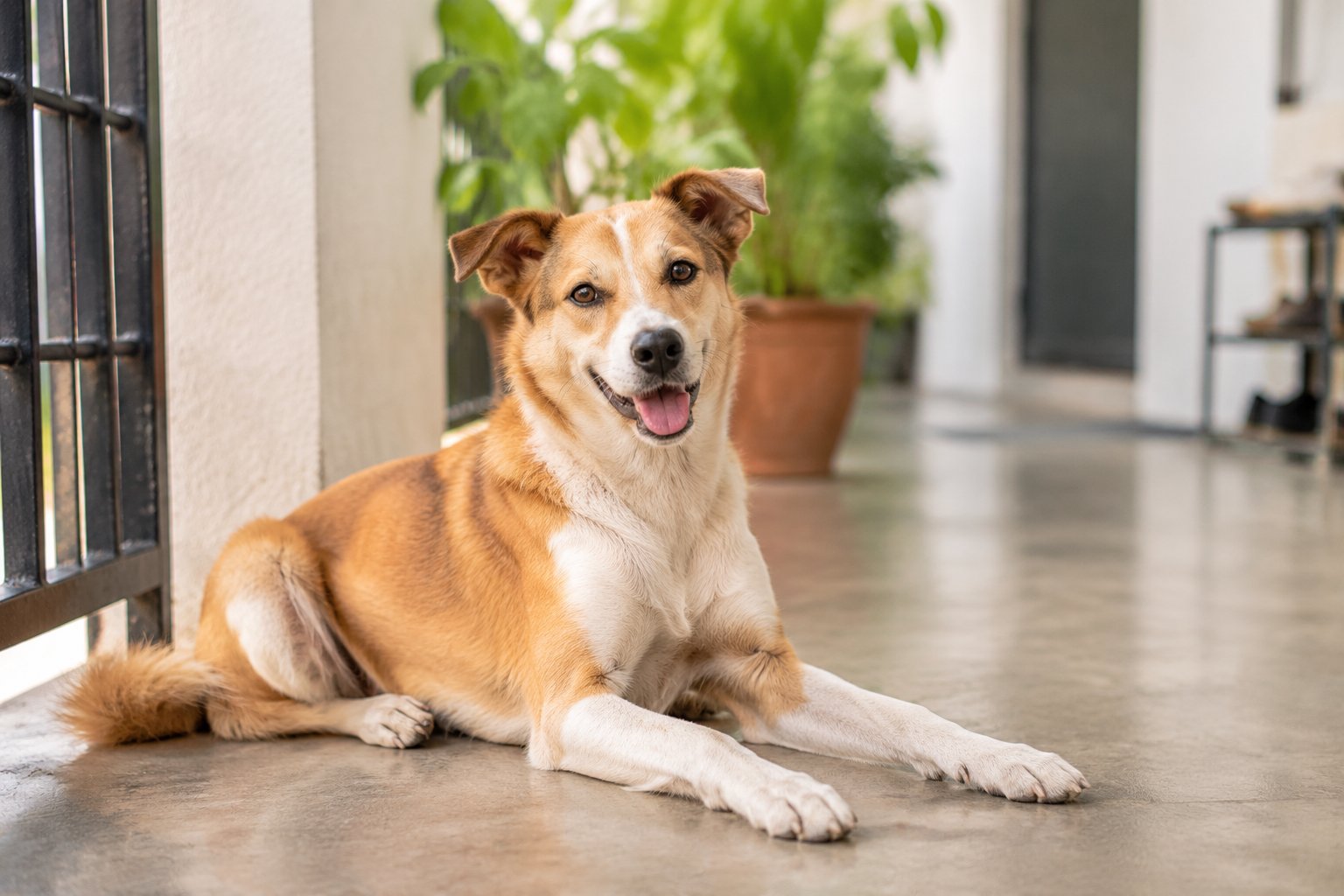
What a dog food allergy actually is
A food allergy is an immune system reaction to something in the diet, almost always a protein. The immune system mistakenly identifies that protein as a threat and mounts a response. In dogs, this usually shows up as itchy skin, repeated ear infections, paw licking, face rubbing or digestive upset. It is not the same as food intolerance, which is a digestive reaction without immune involvement.
This distinction matters for owners because it changes what you do next. A dog that gets loose stool after a rich meal may simply have a sensitive gut. A dog that chews its paws raw, scratches its ears and has recurrent skin infections is more likely to have an allergy, whether to food, fleas or the environment.
Food allergy is also less common than many owners assume. Most itchy dogs have environmental allergies or flea allergy dermatitis, not food allergy. That is why vets do not diagnose food allergy from a single symptom or a quick food switch.
Common triggers in dog food
The proteins dogs eat most often are the ones most commonly reported. That does not mean those proteins are inherently bad; it means repeated exposure makes sensitisation more likely.
| Trigger type | Common examples | Notes for owners |
|---|---|---|
| Animal proteins | Beef, chicken, dairy, egg | Most frequently reported; chicken and beef appear often in local diets |
| Other animal proteins | Lamb, fish, pork, venison | Novel proteins can still trigger allergy if eaten before |
| Grains | Wheat, corn, soy | Less common than protein allergy but reported |
| Additives | Certain preservatives, colourings | Rarely confirmed; elimination trial is the only practical test |
A common misconception is that "hypoallergenic" or "novel protein" food is automatically safe. If your dog has eaten duck, salmon or kangaroo before, the immune system may already be sensitised. A true novel protein is one your dog has never eaten.
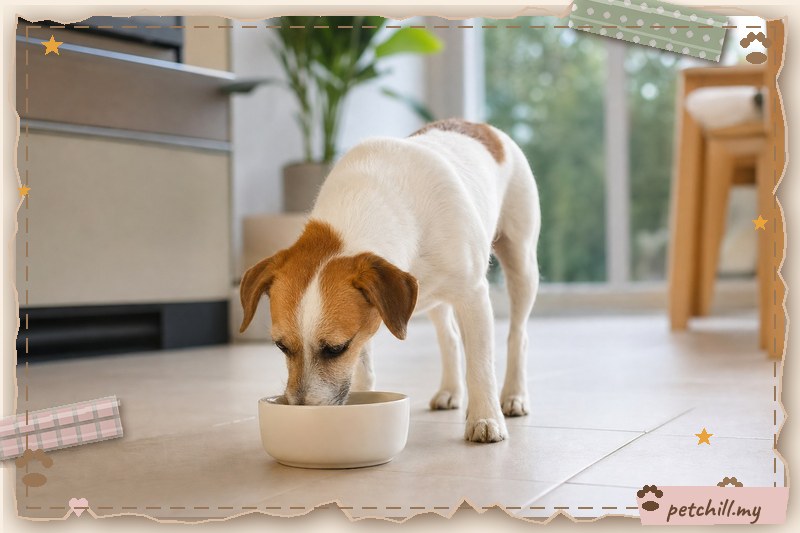
Signs your dog may have a food allergy
Symptoms can be skin-related, digestive or both. Skin signs are more common in dogs than gut signs alone.
- Itching around the face, ears, paws, armpits or groin
- Recurrent ear infections or head shaking
- Paw licking and chewing, sometimes until the skin is red or broken
- Recurrent skin infections, hot spots or thickened skin
- Vomiting, loose stool or frequent bowel movements
- Poor coat condition or gradual weight loss
Some dogs show signs year-round, which can point toward food. Others itch seasonally, which leans more toward environmental allergy. Many dogs have both, which is why diagnosis can be slow.
How vets diagnose food allergy
There is no reliable quick test for food allergy in dogs. Blood tests and skin prick tests for food are not considered dependable, and hair or saliva tests sold online should be treated with caution. The practical gold standard is an elimination diet trial.
An elimination diet trial works by removing all possible allergens for a set period, then reintroducing the original diet to see whether signs return. A positive response to elimination and a relapse on reintroduction is strong evidence of food allergy.
The trial usually involves:
- A veterinary diet with hydrolysed protein, where proteins are broken into pieces too small for the immune system to recognise, or a genuinely novel protein your dog has never eaten.
- Strict feeding for six to eight weeks, with no other food, treats, table scraps, flavoured medication or chews.
- Careful monitoring of itching, ear condition, stool and skin.
- Reintroduction of the old diet under veterinary supervision to confirm the trigger.
Strictness is the hard part. One biscuit, a child's dropped snack or a flavoured tablet can break the trial and waste weeks. Owners should tell everyone in the household, including helpers and children, that the dog is on a strict diet.

Elimination diets: what actually works
There are two main approaches. The first is a hydrolysed veterinary diet, where the protein is chemically broken down. The second is a novel protein diet using a protein the dog has never eaten. Both can work, but neither is guaranteed.
Some owners prefer home-cooked elimination diets because they know exactly what goes in. This can be effective, but the recipe must be balanced. A homemade diet of chicken and rice alone is not complete and can cause deficiencies over weeks. If you go this route, ask your vet or a veterinary nutritionist to formulate it.
During the trial, keep a simple daily log. Note itching score, ear condition, stool quality and anything the dog ate. This record helps your vet judge whether the diet is working and whether a relapse happened after reintroduction.
Food allergy versus other itchy conditions
Many owners assume itching means food allergy, but the list of lookalikes is long.
| Condition | Typical pattern | How it differs from food allergy |
|---|---|---|
| Flea allergy dermatitis | Itching around the back, tail base and hind legs | Often seasonal or linked to flea exposure; responds to flea control |
| Environmental allergy | Itching on face, paws, ears, often seasonal | Worse at certain times or after walks in grassy areas |
| Food intolerance | Loose stool, gas, occasional vomiting | No intense itching or skin infection |
| Parasites | Itching, poor coat, weight loss | Mites or worms found on testing |
| Skin infection | Redness, pustules, odour | Often secondary to allergy; needs treatment |
A vet will usually check for fleas, mites and skin infection before or alongside a diet trial. Treating those does not rule out food allergy, but ignoring them can make the trial look like a failure.
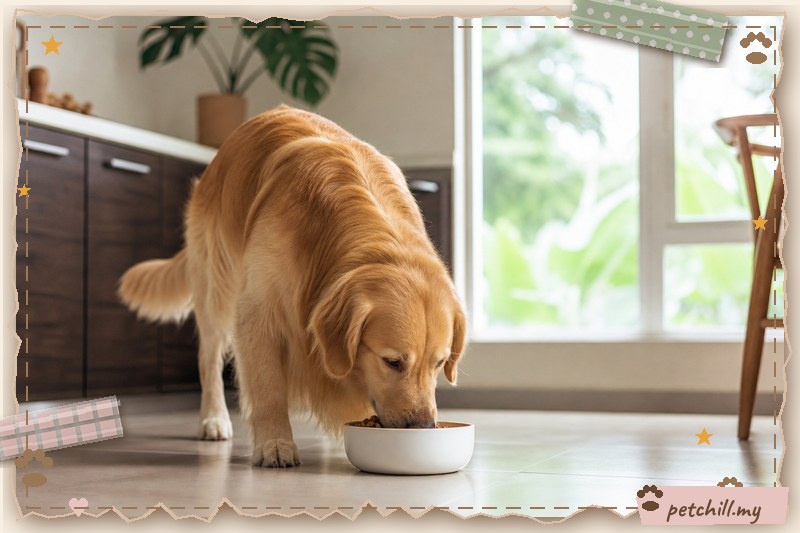
Managing a dog with food allergy long term
Once the trigger is identified, management is mostly avoidance. That means reading labels carefully, choosing treats that match the safe diet, and telling everyone who feeds the dog what is allowed.
Practical steps include:
- Keep a list of safe foods and treats on the fridge.
- Choose single-protein treats that match the elimination diet.
- Avoid flavoured toothpastes, chews and supplements unless cleared by your vet.
- Check that any new food is genuinely free of the trigger protein, not just labelled "sensitive".
- Continue flea and parasite control, because itching has many causes.
- Book regular skin checks if your dog has a history of ear or skin infections.
Some dogs need ongoing skin support, medicated baths or ear cleaning. Food allergy management is rarely just about food; it is about reducing the total itch burden.
Feeding an allergic dog in a Malaysian household
Malaysian homes often mean multi-generational families, helpers, children and frequent visitors. That makes strict feeding harder than it looks. A few local contexts are worth planning for.
In a Kuala Lumpur apartment, the dog may spend time on balconies and shared corridors where neighbours offer snacks. Ask neighbours politely not to feed the dog, and keep the dog on a lead in common areas during the trial. In a Johor terrace house with a garden, dropped food, garden snails and outside treats are common. Check the yard before letting the dog out and store food securely.
Penang's rainy season brings damp paws and ears, which can worsen itching and ear infections. Dry ears carefully after walks and keep up flea control, because damp conditions do not cause food allergy but can make skin problems harder to manage.
Local prices for veterinary diets, consultations and skin treatment vary by clinic and location. Ask your vet for a written plan and an estimate before committing, and compare the cost of a veterinary diet against the cost of repeated failed food experiments.
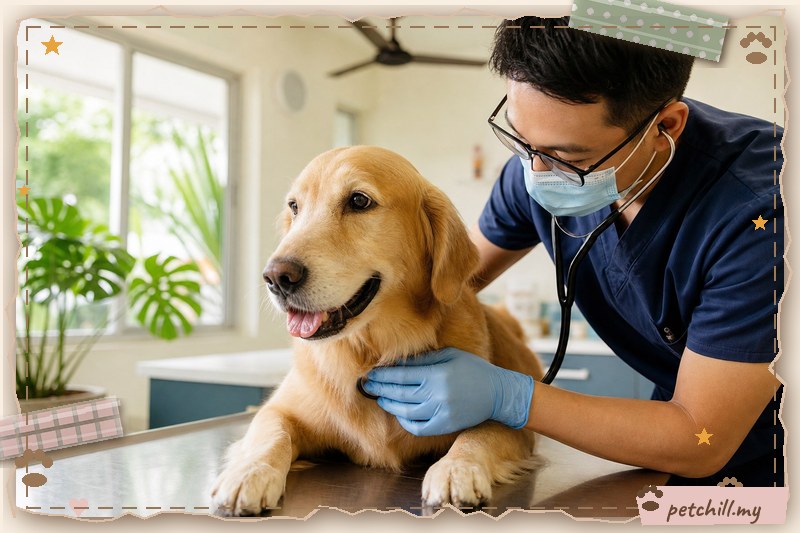
When to see a vet
See a vet if your dog has persistent itching, recurrent ear infections, paw licking, hair loss, skin redness or digestive signs lasting more than a few days. Seek urgent care if there is severe vomiting, bloody diarrhoea, facial swelling, difficulty breathing or collapse. Do not start an elimination diet on your own if your dog is a puppy, pregnant, unwell or on medication without veterinary advice.
What to ask your vet before starting
A good consultation should cover more than which food to buy. Useful questions include:
- What are we trying to rule out first?
- Is a hydrolysed diet or a novel protein diet more suitable for my dog?
- How strict does the trial need to be, and for how long?
- What should I do if itching gets worse during the trial?
- How will we confirm the trigger after the trial?
- What is the plan if the diet does not work?
Write the answers down. Elimination trials are long, and owners often forget details halfway through.
Common mistakes that waste time and money
Many failed trials are not failures of the diet but failures of execution. Watch for these traps:
- Giving "just one" treat or table scrap during the trial.
- Using flavoured medication or supplements without checking.
- Switching foods every two weeks because progress feels slow.
- Assuming grain-free is the same as hypoallergenic.
- Relying on online allergy tests instead of a vet-guided trial.
- Forgetting flea control, so itching continues for another reason.
- Feeding a homemade diet that is not nutritionally balanced.
The bottom line
Dog food allergy is a real but often over-guessed condition. The reliable path is a vet-guided elimination diet, strict feeding, careful monitoring and a planned reintroduction. Malaysian owners should plan for family members, helpers, neighbours and the climate, because these practical factors decide whether a trial succeeds. With patience and a clear plan, most allergic dogs can be managed well.
This article is general information only and is not a substitute for veterinary examination, diagnosis or treatment. Always consult a licensed veterinarian about your dog's health.
Related reading
- Dog Guide Malaysia: A Complete Owner's Handbook for New and Experienced Owners
- Best Puppy Food for Dogs in Malaysia: A Practical Buying Guide
- Dog Care Guide Malaysia: Feeding, Grooming, Health & Daily Routine
- Best Dog Food Brands in Malaysia: How to Choose Well (2025 Guide)
- Best Dog Vaccination Schedule for Dogs in Malaysia: A Complete Guide
- Crate Training for Dogs in Malaysia: A Practical, Humane Guide
- Dog Ear Infection in Malaysia: Signs, Causes, Treatment & Prevention
- Dog Food Allergies in Malaysia: Symptoms, Triggers, and How to Help Your Dog
- Dog Food for Dogs: A Complete Feeding Guide for Malaysian Owners
- Dog Food Malaysia: How to Pick the Right Bag for Your Dog (2026 Guide)
- Dog Food Tips for Dog Owners in Malaysia: A Practical Feeding Guide