
Quick answer
Dog food allergies in Malaysia are immune reactions to proteins in food, causing itching, ear infections, and digestive signs. Diagnosis requires an elimination diet trial with a vet. Common triggers include chicken, beef, dairy, and wheat. Management involves avoiding the allergen and choosing a suitable commercial or home-cooked diet.
What is a food allergy in dogs?
A food allergy (also called food hypersensitivity) is an immune system overreaction to a specific ingredient, usually a protein. When your dog eats that ingredient, their body mistakenly treats it as a threat, triggering inflammation and symptoms. This is different from food intolerance, which does not involve the immune system. Intolerance causes digestive upset (like diarrhoea) but not the intense itching and skin damage seen with allergies.
Food allergies can develop at any age, even in dogs that have eaten the same food for years. In fact, most dogs with food allergies have been on the same diet for a long time. It is not necessarily a reaction to a new food.

How common are food allergies in dogs?
Food allergies are relatively uncommon compared to environmental allergies (like flea allergy or atopy). However, they are still an important cause of skin and ear problems in dogs. Certain breeds may be predisposed, including Labrador Retrievers, Golden Retrievers, German Shepherds, and West Highland White Terriers, but any breed can be affected.
In Malaysia, the warm, humid climate means skin issues are common, and food allergies can be overlooked or mistaken for other conditions. Itching is often attributed to heat, parasites, or environmental allergens, delaying diagnosis.
Signs and symptoms of food allergies in dogs
Food allergies in dogs typically cause skin and/or gastrointestinal signs. The most common sign is itching, especially around the face, ears, paws, and rear end. Dogs may scratch, lick, chew, or rub their faces. Secondary infections (bacterial or yeast) are common due to skin damage.
Other signs include:
- Recurrent ear infections (otitis externa) – head shaking, ear discharge, odour
- Vomiting and diarrhoea – sometimes with blood or mucus
- Increased frequency of defecation
- Weight loss (if chronic diarrhoea)
- Poor coat condition
Some dogs have both skin and gut signs. The severity can vary.
Table: Food allergy vs. food intolerance vs. environmental allergy
| Feature | Food Allergy | Food Intolerance | Environmental Allergy (e.g., atopy) |
|---|---|---|---|
| Immune involvement | Yes | No | Yes |
| Typical signs | Itching, ear infections, vomiting, diarrhoea | Diarrhoea, vomiting, gas | Itching, especially paws, face, ears; seasonal or year-round |
| Age of onset | Any age, often after months/years on same diet | Any age | Often 1–3 years |
| Response to diet trial | Yes | Yes (if specific ingredient avoided) | No |
| Diagnosis | Elimination diet trial | Elimination diet trial | Allergy testing, clinical signs |

Common food allergens in Malaysia
Globally, the most common food allergens in dogs are beef, dairy, wheat, chicken, lamb, and soy. In Malaysia, the typical diet may include rice, chicken, fish, and sometimes beef or pork. While any protein can cause an allergy, some ingredients are more frequently implicated.
- Chicken: Very common in commercial foods and home-cooked diets. Often used as a primary protein.
- Beef: Also common, especially in wet foods and table scraps.
- Dairy: Cheese, milk, and yoghurt can trigger reactions.
- Wheat and grains: Less common than animal proteins, but still possible.
- Fish: Some dogs may react to fish, which is common in Malaysian diets.
- Rice: Generally considered hypoallergenic, but rare cases of rice allergy exist.
It is important to note that a dog can become allergic to any protein they have been exposed to, even if it is considered novel.
How are food allergies diagnosed?
The gold standard for diagnosis is an elimination diet trial. This involves feeding your dog a diet that does not contain the suspected allergen for a period of 8–12 weeks. During this time, all other foods, treats, table scraps, and flavoured medications must be avoided. If symptoms improve, the diagnosis is supported. To confirm, you then reintroduce the old diet and watch for a return of signs.
The elimination diet can be:
- A commercial hydrolysed protein diet (where proteins are broken down so small that the immune system doesn't recognise them)
- A novel protein diet (using a protein your dog has never eaten before, such as venison, duck, or kangaroo)
- A home-cooked diet formulated by a veterinary nutritionist
It is crucial that the diet is complete and balanced, especially for growing puppies. Your vet can help you choose the best option.
Blood tests and skin prick tests for food allergies are not reliable in dogs and are not recommended. Saliva and hair tests are also unproven.
Managing a dog with food allergies in Malaysia
Once the allergen is identified, management is straightforward: avoid it completely. This requires vigilance.
- Read labels carefully: Look for hidden ingredients. Proteins can appear under different names (e.g., chicken meal, poultry by-products).
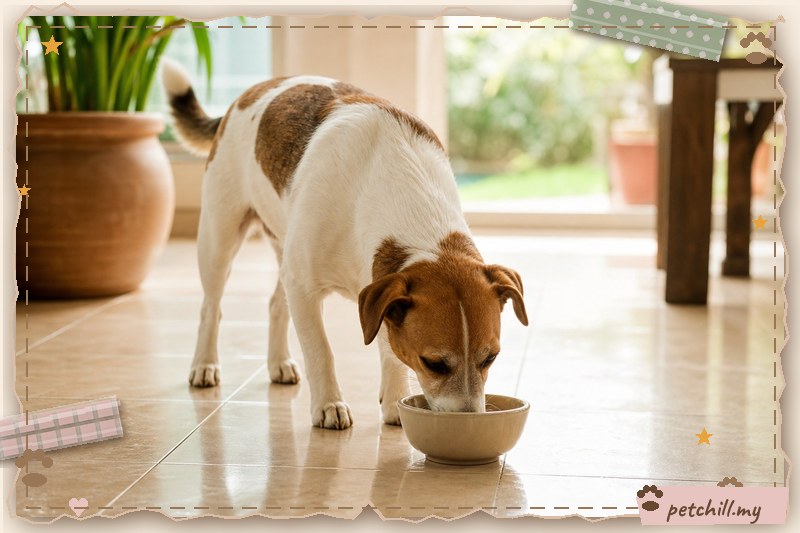
- Avoid cross-contamination: Keep the allergic dog's food separate from others. Use separate bowls and utensils.
- Treats: Use only treats that are compatible with the elimination diet. You can use pieces of the allowed protein or commercial treats made from the same protein.
- Table scraps: Absolutely avoid. Family members and guests must be informed.
- Medications: Some flavoured medications (e.g., chewable tablets) may contain allergens. Ask your vet for alternatives.
- Environment: Food allergens are ingested, but some dogs may also react to contact with the allergen (e.g., kibble dust). Keep food sealed.
In Malaysia's humid climate, secondary skin infections are common, so regular grooming and skin checks are important. Keep your dog's living area dry and clean.
Choosing a diet
If you opt for a commercial diet, choose one from a reputable manufacturer that conducts feeding trials and has quality control. Hydrolysed diets are available by prescription. If you prefer home-cooking, consult a veterinary nutritionist to ensure the recipe is balanced. Do not simply feed a single ingredient (like chicken and rice) long-term, as this can lead to nutritional deficiencies.
Living with a food-allergic dog in Malaysia
Malaysian households often have multi-pet homes, and food bowls may be shared. If one dog is on an elimination diet, feed all pets separately and supervise. In apartments, it's easy for neighbours to offer treats, so politely decline. During festive seasons, be extra cautious with festive treats that may contain allergens.
Prevention and outlook
Food allergies cannot be prevented, but they can be managed effectively. With strict avoidance, most dogs live comfortable, normal lives. The key is consistency and patience during the elimination trial. Once you know the trigger, you can tailor your dog's diet and avoid relapse.

When to see a vet
See your vet if your dog shows any of the following:
- Persistent itching, especially around the face, ears, paws, or rear
- Recurrent ear infections
- Vomiting or diarrhoea lasting more than a few days
- Weight loss
- Skin infections (redness, pustules, odour)
- You suspect a food allergy and want to start an elimination diet
Do not attempt to diagnose or treat food allergies on your own. Your vet can rule out other causes (like parasites, infections, or environmental allergies) and guide you through a proper elimination trial.
Frequently asked questions
1. What are the most common food allergens for dogs in Malaysia? Globally, beef, chicken, dairy, wheat, and lamb are common. In Malaysia, chicken and beef are frequent in local diets, and rice is sometimes implicated. However, any protein can cause an allergy, and your vet can help identify the specific trigger.
2. How is a food allergy diagnosed in dogs? The gold standard is an elimination diet trial: feeding a novel or hydrolysed protein for 8–12 weeks while strictly avoiding all other foods, then reintroducing the old diet to see if signs return. Blood and skin tests are not reliable for food allergies.
3. Can I use over-the-counter allergy tests for my dog? No. Saliva and hair tests for food allergies are not scientifically validated and can be misleading. Only an elimination diet trial, supervised by a vet, can confirm a food allergy.
4. What should I feed a dog with food allergies in Malaysia? Feed a diet that avoids the identified allergen, such as a hydrolysed prescription diet or a home-cooked diet with a novel protein. Ensure it is complete and balanced, and avoid all treats and table scraps that contain the allergen.
5. Are grain-free diets good for dogs with allergies? Not necessarily. Grains are less commonly allergenic than animal proteins. Grain-free is only helpful if your dog is actually allergic to a grain. Always base diet choice on a confirmed diagnosis.
6. Can food allergies cause ear infections in dogs? Yes. Food allergies often cause recurrent ear infections, especially in breeds prone to skin issues. If your dog has chronic ear problems, ask your vet about a food allergy work-up.
Vet disclaimer
This article provides general information and is not a substitute for professional veterinary advice. Always consult a licensed veterinarian for diagnosis and treatment of your dog's condition. The information here is based on general veterinary knowledge and may not apply to your individual pet.
Related reading
- Dog Guide Malaysia: A Complete Owner's Handbook for New and Experienced Owners
- Dog Care Guide Malaysia: Feeding, Grooming, Health & Daily Routine
- Best Dog Food in Malaysia: A Practical Guide for Dog Owners
- Dog Dental Care for Dogs: A Malaysia Guide
- Dog Food Tips for Dog Owners in Malaysia: A Practical Feeding Guide
- Puppy Food for Dogs in Malaysia: A Complete Feeding Guide
- Best Dog Training Basics for Dogs in Malaysia: A Practical Guide
- Dog Ear Infection in Malaysia: Signs, Causes, Treatment & Prevention
- Dog Fleas in Malaysia: A Complete Guide for Dog Owners
- Dog Fleas: Practical Tips for Malaysian Dog Owners
- Best Dog Dental Care in Malaysia: A Practical Buying & Care Guide
- Best Flea Treatment for Dogs in Malaysia: How to Choose (2025 Guide)