
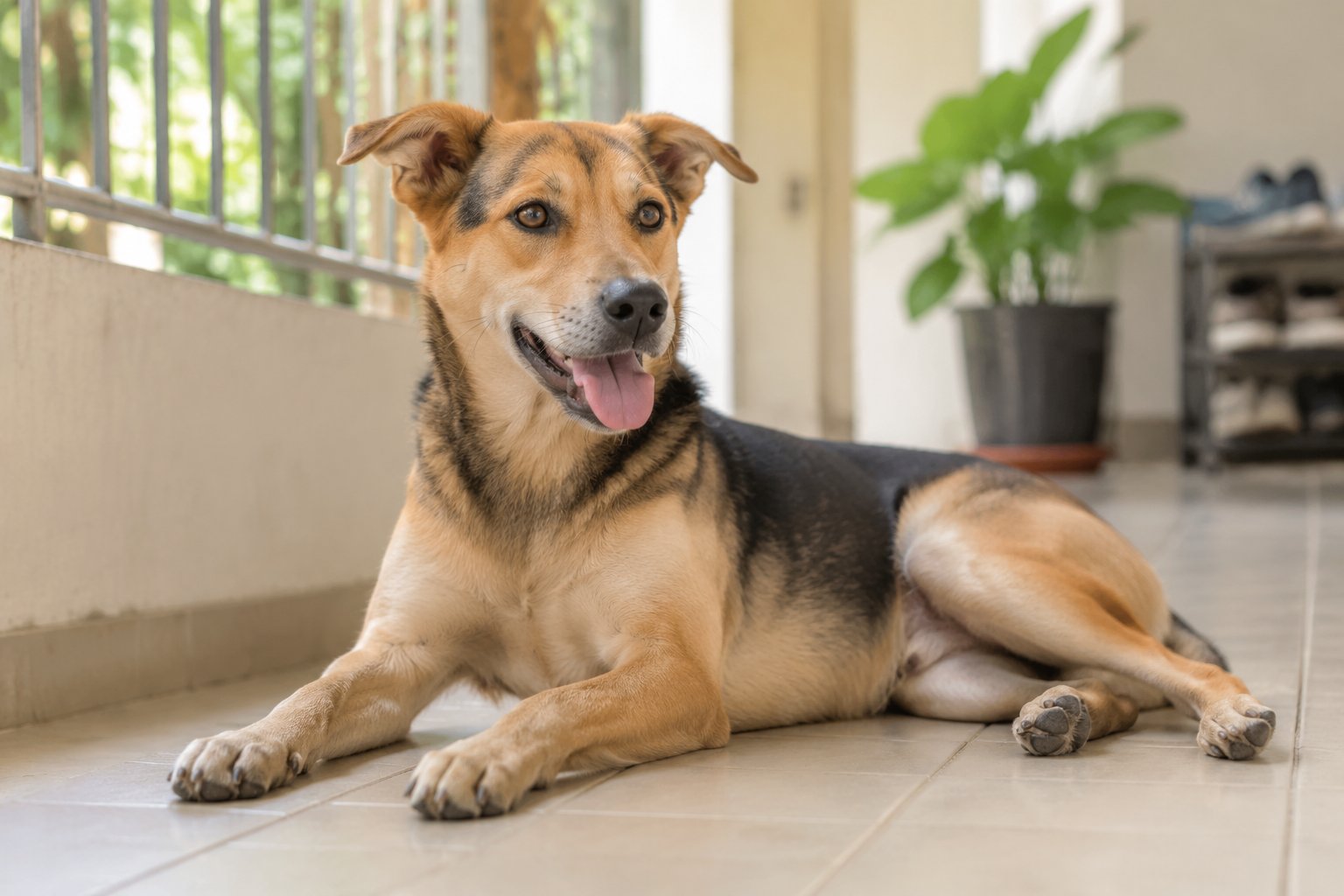
The short answer
Most healthy adult dogs need roughly 30 to 120 minutes of activity a day, split into two or more sessions. In Malaysia, the heat and humidity matter as much as the minutes: walk early morning or evening, check pavement temperature with your hand, carry water, and replace midday outdoor walks with indoor games. Puppies, senior dogs and flat-faced breeds need shorter, gentler sessions.
This guide explains how to set a realistic exercise plan for a Malaysian home, whether you live in a Kuala Lumpur apartment, a Johor terrace house or a Penang walk-up.
Why exercise needs vary so much
Exercise is not one-size-fits-all. A working breed and a toy breed can live in the same house and need very different routines. The main factors are:
- Breed and breed mix. Herding, retrieving and hunting breeds were developed for long days of movement. Toy and companion breeds were not.
- Age. Puppies tire quickly and should not do repetitive high-impact work. Senior dogs often need shorter, more frequent walks.
- Body shape. Flat-faced (brachycephalic) breeds such as pugs, French bulldogs and shih tzus have narrower airways and overheat faster.
- Fitness level. A dog that has been sedentary needs a gradual build-up, just like a person starting a new routine.
- Health status. Heart, joint, breathing and weight problems change the plan. Your vet should set limits.
- Climate and housing. A dog in a hot apartment with no garden depends more on scheduled walks and indoor play than a dog with a shaded yard.
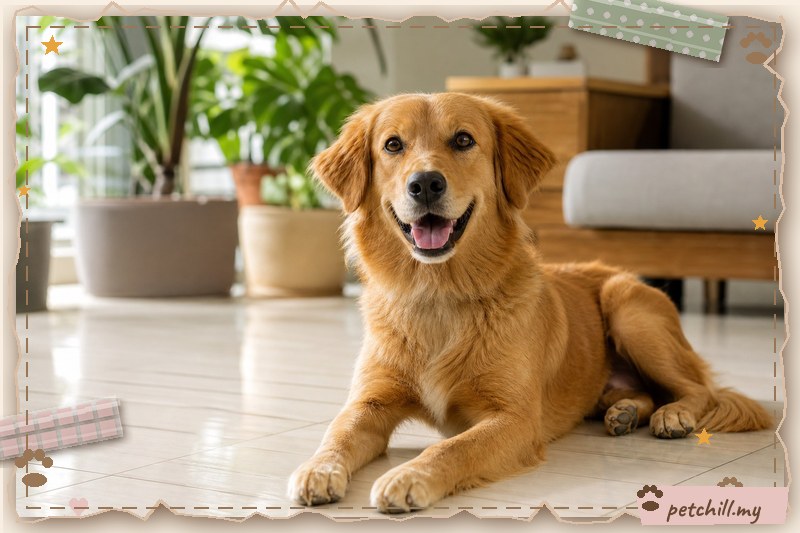
Breed-based exercise targets
Use this table as a starting point, not a rule. Individual dogs vary, and a vet can adjust the plan for age and health.
| Dog type | Typical daily active time | Best format in Malaysia |
|---|---|---|
| High-energy working and herding breeds (e.g. border collie, kelpie, German shepherd) | 90–120 minutes | Two cool-time walks plus training games, scent work or a controlled run in shade |
| Sporting and retrieving breeds (e.g. Labrador retriever, golden retriever) | 60–90 minutes | Morning and evening walks, swimming if safe and supervised, fetch in a shaded area |
| Terriers and small active breeds | 45–60 minutes | Two shorter walks plus indoor play and food puzzles |
| Toy and companion breeds | 30–45 minutes | Short walks at cool times, indoor games, gentle training |
| Flat-faced breeds (e.g. pug, French bulldog, Boston terrier) | 20–40 minutes, in short bursts | Very short cool-time walks, indoor play, close monitoring for breathing difficulty |
| Senior dogs | 20–45 minutes, often split | Gentle sniff walks, flat ground, shade, rest breaks |
| Puppies | 5 minutes per month of age, up to twice daily, plus free play | Short, positive walks; avoid long repetitive runs and stairs |
These are general ranges. A vet who has examined your dog can give a safer, more specific target.
The Malaysian heat problem
Malaysia's climate is warm and humid year-round, and that changes exercise safety. Dogs cool mainly by panting, and high humidity makes panting less effective. Add direct sun and hot ground, and a normal walk can become a heat risk quickly.
Practical rules:
- Walk before about 9am and after about 6pm. The exact safe window varies by location and season, so judge by conditions, not the clock alone.
- Test the pavement. Press the back of your hand on the ground for five seconds. If it is uncomfortable, it is too hot for paws.
- Carry water for both of you. Offer small amounts often rather than a large drink at the end.
- Choose shade and grass. Concrete and asphalt radiate heat. A shaded park path is cooler than an open roadside.
- Shorten the route on humid days. Humidity can be more dangerous than temperature alone because panting is less efficient.
- Never leave a dog in a parked car, even briefly, even with windows cracked.
- Watch the dog, not the schedule. If your dog slows, pants heavily or seeks shade, stop and cool down.
Heatstroke warning signs
Heatstroke is an emergency. Signs include heavy panting that does not settle, thick drooling, wobbling, bright red or blue gums, vomiting, diarrhoea, confusion, collapse or seizures. Move the dog to shade, pour room-temperature water over the body, use a fan and contact a vet immediately. Do not use ice-cold water or cover the dog with wet towels that trap heat.
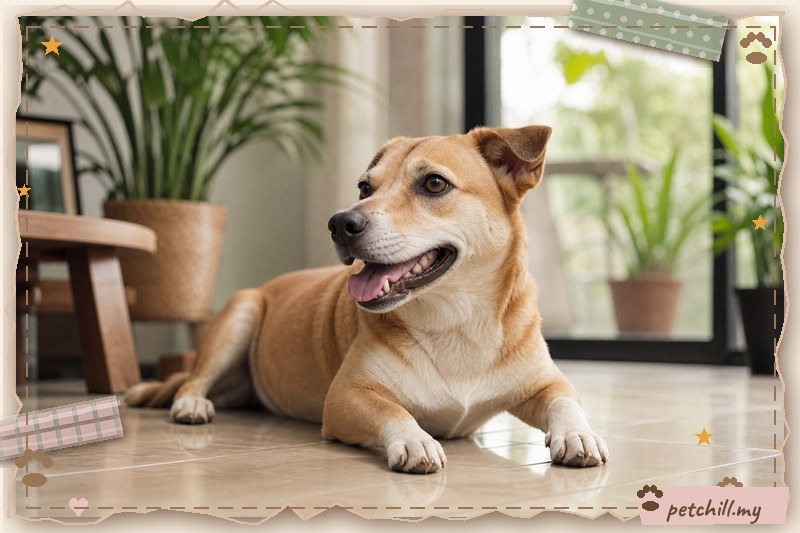
Exercise for apartment dogs
Apartment living is common in Malaysian cities, and it is workable for most dogs if you plan deliberately. The key is to replace the garden your dog does not have with structured activity.
A simple apartment routine:
- Morning: 20–40 minutes of walking at a cool time, with sniffing allowed. Sniffing is mental exercise and tires many dogs more than a fast march.
- Midday: 10–15 minutes of indoor games or training. Avoid outdoor walks.
- Evening: another walk, plus a food puzzle or chew session.
- Before bed: a short toilet walk and calm indoor play.
Indoor games that work in small spaces:
- Hallway fetch with a soft toy
- Hide-and-seek around furniture
- Scatter feeding in a snuffle mat or on a towel
- Cup-and-treat scent games
- Stair-free trick training (avoid repetitive stairs for puppies and joint-prone dogs)
- Tug with a rope toy, with rules to prevent over-arousal
If your building has a lift, use it rather than repeated stairs, especially for puppies and senior dogs. Keep corridors and common areas clean and follow building rules.
Exercise for terrace houses and landed homes
A yard is helpful but not a substitute for walks. Dogs in yards often spend most of the day resting in shade, and some become bored or bark at passers-by. Use the yard for supervised play, toilet breaks and training, then add walks for sniffing and social exposure.
In a Johor terrace house, for example, a shaded porch can host a morning training session and a food puzzle, while the actual walk happens on the street at a cooler hour. In a Penang rainy-season week, keep a towel by the door, dry paws after walks, and use indoor games when storms make outdoor exercise unsafe.
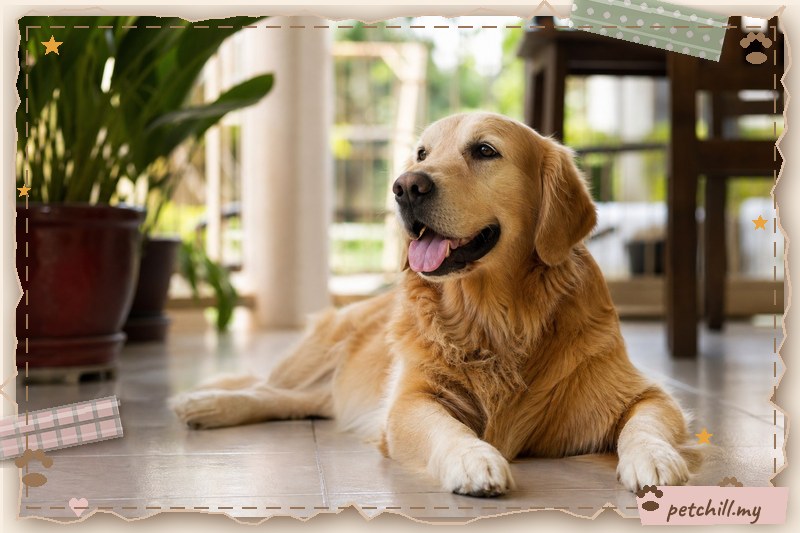
Puppies, seniors and flat-faced breeds
Puppies
Puppies need play, socialisation and short walks, not endurance. A common guide is about five minutes of structured walking per month of age, up to twice a day, plus free play. Avoid long repetitive runs, jumping and stairs while growth plates are open. Ask your vet about appropriate activity during vaccination and growth.
Senior dogs
Senior dogs often do better with shorter, more frequent walks and gentle sniffing. Watch for stiffness, reluctance to walk, slipping on smooth floors and recovery time after exercise. A vet can check for arthritis and recommend adjustments.
Flat-faced breeds
Flat-faced dogs need careful management. Keep sessions short, avoid heat and humidity, use a harness rather than a neck collar, and stop at the first sign of noisy breathing, gagging or slowing. Some need veterinary assessment before exercise plans are set.
Building a weekly plan
A balanced week includes walks, sniffing, training, play and rest. Here is a sample for a medium-energy adult dog in a Malaysian city:
| Day | Morning | Midday | Evening |
|---|---|---|---|
| Monday | 30-minute sniff walk | 10-minute food puzzle | 30-minute walk |
| Tuesday | 20-minute walk plus training | Indoor hide-and-seek | 30-minute walk |
| Wednesday | 30-minute walk | Rest and chew | 20-minute walk plus grooming |
| Thursday | 20-minute walk plus training | Indoor tug game | 30-minute walk |
| Friday | 30-minute sniff walk | 10-minute scent game | 30-minute walk |
| Saturday | Longer cool-time outing | Rest | Short walk plus play |
| Sunday | Gentle walk | Rest | Short walk plus training |
Adjust the volume for your dog's age, breed and health. The table is a template, not a prescription.
Monitoring your dog's response
Exercise should leave your dog tired but content, not exhausted or sore. Signs the plan is too much include:
- Lagging behind or stopping on walks
- Heavy panting that takes a long time to settle
- Limping or stiffness the next day
- Reluctance to go out
- Changes in appetite or behaviour
Signs the plan is too little include:
- Restlessness, chewing or digging
- Barking at every sound
- Weight gain
- Difficulty settling at night
Keep a simple log for a week: time, weather, route and how your dog behaved afterwards. This helps you and your vet spot patterns.
When to see a vet
Contact a vet if your dog shows any of these:
- Collapse, confusion, seizures or blue gums after exercise
- Heavy panting that does not settle after cooling and rest
- Limping that lasts more than a day or recurs
- Reluctance to walk, or obvious pain
- Coughing, especially during or after exercise
- Weight loss or weight gain despite a stable routine
- A puppy that tires unusually quickly or cannot keep up with littermates
- Any breathing noise or effort that worries you in a flat-faced dog
For heatstroke signs, treat it as an emergency and contact a vet immediately while cooling the dog.
A practical checklist for Malaysian owners
- Set two cool-time walk slots and protect them
- Test pavement temperature before every walk
- Carry water and a collapsible bowl
- Choose shade and grass where possible
- Keep a food puzzle or snuffle mat for midday
- Dry paws and coat after rainy walks
- Check paws for heat and abrasion
- Adjust for age, breed and health
- Log behaviour for a week and review
- Ask a vet before starting a new intense routine
Bottom line
Dog exercise in Malaysia is about timing and format as much as duration. Aim for daily activity, split it around the heat, use indoor games when the sun is high, and match the plan to your dog's breed, age and health. When in doubt, ask a vet who can examine your dog and give specific guidance.
This article is general information, not veterinary advice. Always consult a licensed veterinarian about your dog's health and exercise plan.
Related reading
- Dog Guide Malaysia: A Complete Owner's Handbook for New and Experienced Owners
- Dog Care Guide Malaysia: Feeding, Grooming, Health & Daily Routine
- Dog Exercise Needs in Malaysia: How Much Activity Does Your Dog Really Need?
- Dog Joint Care for Dog Owners in Malaysia: A Practical Guide
- Beagle Lifespan in Malaysia: How Long Do Beagles Live and How to Help Them Reach 15
- Dog Joint Care in Malaysia: A Practical Guide for Owners
- Dog Weight Management in Malaysia: A Practical Guide for Owners
- Shiba Inu Lifespan in Malaysia: 12–15 Years and How to Stretch Them
- Beagle Disadvantages in Malaysia: 8 Real Downsides and How to Manage Them
- Beagle Personality in Malaysia: Friendly, Food-Motivated and Stubborn (What Owners Must Know)
- Best Dog Dental Care in Malaysia: A Practical Buying & Care Guide
- Best Flea Treatment for Dogs in Malaysia: How to Choose (2025 Guide)