
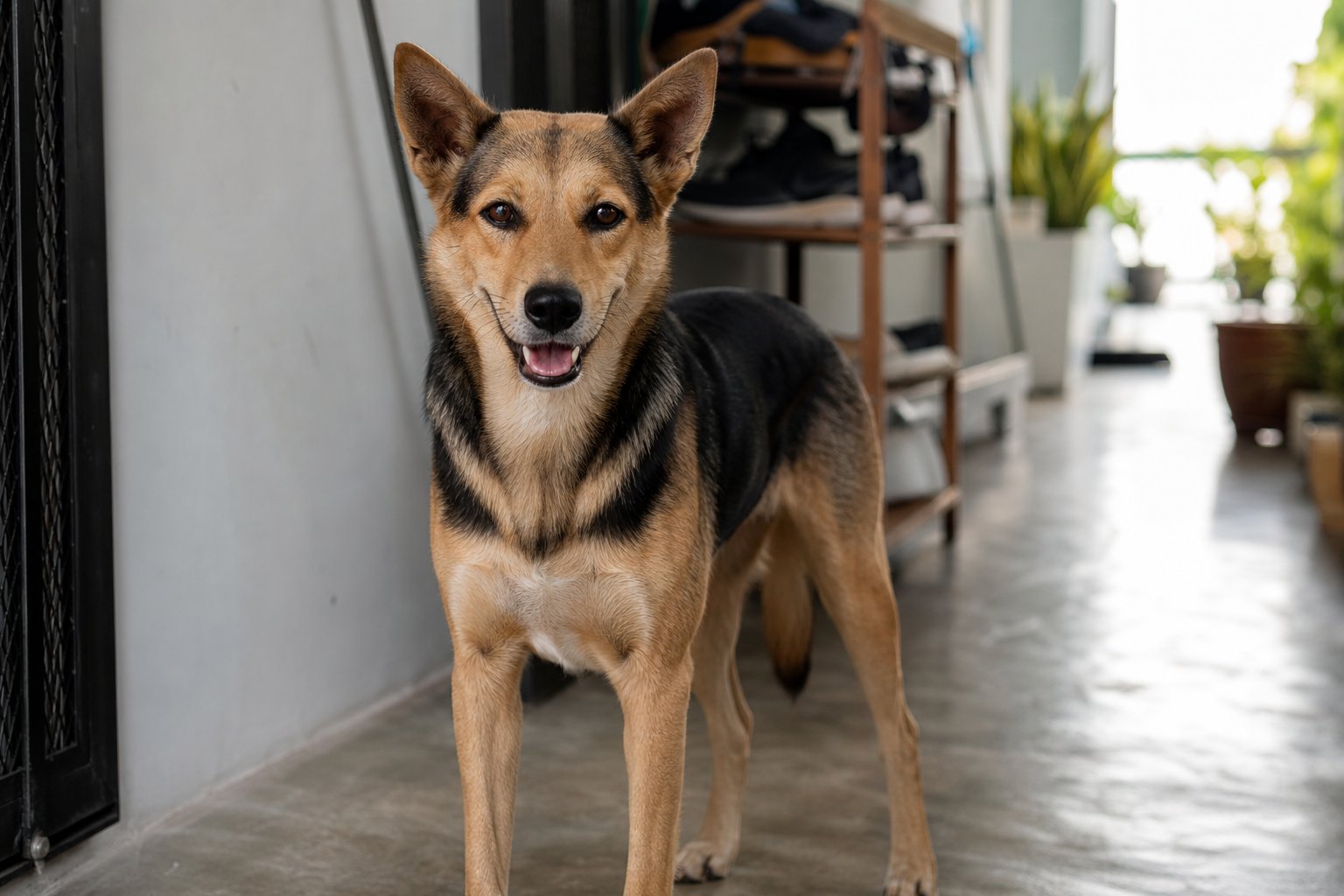
Why a vaccination schedule matters
Vaccination trains a dog's immune system to recognise and fight serious diseases before the dog ever meets them. For puppies, the timing is delicate: antibodies absorbed from the mother's milk protect them early on, but those same antibodies can block a vaccine from working. That is why puppies need a series of doses rather than a single shot. For adult dogs, boosters keep immunity strong over the years.
A good schedule is not a one-size-fits-all calendar. Your vet will consider your dog's age, health, lifestyle, travel plans and local disease risk. The tips below help you understand the process, ask better questions and keep your dog protected without unnecessary stress.
Core vs non-core vaccines: what is the difference?
Core vaccines are recommended for every dog because the diseases they prevent are serious, widespread or a public health risk. Non-core vaccines are given only when a dog's lifestyle or location puts them at higher risk.
| Category | Typical protection | Who needs it |
|---|---|---|
| Core | Distemper, parvovirus, adenovirus (infectious hepatitis), rabies | All dogs, following a vet-set schedule |
| Non-core | Leptospirosis, kennel cough (bordetella/parainfluenza), canine influenza, Lyme disease (where relevant) | Dogs with exposure risk: boarding, grooming, dog parks, hunting, wildlife contact, travel |
Rabies deserves special mention. Malaysia has long-standing rabies control measures, and rabies vaccination is part of responsible dog ownership. Your vet can explain the local requirements for your state and for any travel you plan.
Leptospirosis is caused by bacteria spread through urine from infected animals, often via contaminated water or soil. In a warm, wet climate with frequent rain, dogs that walk near drains, puddles, rivers or farms may face higher exposure. Kennel cough vaccines are worth discussing if your dog regularly boards, attends training classes or mixes with many dogs.

The puppy vaccination schedule, step by step
Puppies are usually vaccinated in a series. A common framework looks like this:
| Age | What typically happens |
|---|---|
| 6–8 weeks | First core vaccine dose; health check and deworming plan |
| 10–12 weeks | Second core dose; discuss non-core vaccines based on risk |
| 14–16 weeks | Third core dose; rabies vaccine timing discussed with your vet |
| 6–12 months | Rabies booster or completion of the puppy series as advised |
| 12–16 months | First adult booster, usually 1 year after the puppy series |
This is a general guide, not a prescription. Some vets start at 6 weeks, others at 8 weeks. Some use vaccines that require a final dose at 16 weeks or later. The key principle is to finish the series after the maternal antibodies have faded, which is why the last puppy dose is often given at 16 weeks or older.
Tips for a smoother puppy vaccination visit
- Bring any previous vaccination record, even a handwritten card from a breeder or shelter.
- Write down your questions beforehand: which vaccines, how many doses, when is the next one, and what side effects to watch for.
- Keep the visit calm. A towel or blanket from home can help your puppy settle.
- Ask about deworming and flea/tick prevention at the same visit so you leave with a complete plan.
- Book the next appointment before you leave. Puppy series are easy to delay when life gets busy.
What about socialisation before the series is complete?
Puppies have a sensitive socialisation window, but they also need protection from disease. The practical compromise is controlled socialisation: carry your puppy in your arms in safe areas, invite healthy vaccinated dogs to a clean private space, and avoid places where unknown dogs toilet or roam. Ask your vet when your puppy can safely start walks in your neighbourhood.
Adult dog boosters: how often?
After the puppy series and the first adult booster at around 1 year, core vaccines are typically repeated every 1–3 years. The exact interval depends on the vaccine label, your dog's health and your vet's protocol. Some clinics use annual health checks as a natural reminder; others use longer intervals for certain core vaccines.
Rabies boosters are usually required more regularly, often every year or every three years depending on the product and local rules. Because rabies is a public health issue, do not let this booster lapse. If you are moving house, travelling or crossing state borders, ask your vet about documentation early.
Non-core vaccines have their own intervals. Kennel cough vaccines, for example, may need annual or more frequent updates if your dog is frequently in high-contact settings. Leptospirosis vaccines also follow product-specific schedules. Your vet will match the interval to the product used.

Building a vaccination plan around your dog's lifestyle
A vaccination plan should reflect how your dog actually lives. Consider these common Malaysian contexts:
- A Kuala Lumpur apartment dog that mostly walks on pavements and in lifts may have lower exposure to wildlife, but still needs core vaccines and rabies. If the dog attends daycare or grooming regularly, discuss kennel cough and leptospirosis.
- A Johor terrace house dog with a garden may meet stray dogs through the gate, sniff around drains, or walk in wet grass after rain. Leptospirosis risk may be worth discussing, especially if there are puddles or nearby construction areas where rodents may be present.
- A Penang dog that joins weekend hikes or beach trips may have different exposure than a dog that stays in a condominium. Talk to your vet about leptospirosis and any travel-related requirements.
Lifestyle is not just about location. Boarding, training classes, dog shows, grooming salons and multi-dog households all increase contact with other dogs. Tell your vet about all of these so the plan fits your dog's real life.
Keeping records: the simple habit that prevents gaps
Vaccination records matter for boarding, travel, grooming and veterinary care. Keep a folder—paper or digital—with:
- The vaccine name and date given
- The batch or serial number if printed on the label
- The next due date
- Your vet's clinic details
- Any reaction your dog had
Take a photo of the vaccination card after every visit and store it in your phone. If you change clinics, request a copy of your dog's history. If you adopt from a shelter, ask for whatever records exist and book a vet check to fill the gaps.

What to expect after vaccination
Most dogs tolerate vaccines well. Mild, short-lived effects can include:
- Sleepiness or a quieter mood for a day
- A small, firm bump at the injection site
- Slightly reduced appetite
- Mild soreness when touched near the injection site
These usually settle without treatment. You can offer water, keep the day calm, and avoid intense exercise or bathing right after vaccination unless your vet says otherwise.
More serious reactions are uncommon but possible. Watch for facial swelling, hives, vomiting, diarrhoea, difficulty breathing, weakness or collapse. These can occur within minutes to hours after a vaccine. If you see them, contact your vet immediately or go to an emergency clinic.
Tell your vet about any previous reaction before the next vaccination. They may adjust the protocol, pre-treat with medication, or monitor your dog longer after the injection.
Common myths and practical answers
"My dog never leaves the house, so vaccines are unnecessary." Viruses can enter on shoes, hands, grooming tools and visitors' clothing. Rabies exposure can happen if a dog slips out unexpectedly. Core vaccines remain important.
"One puppy shot is enough." Maternal antibodies can block vaccines given too early. Puppies need a series to close the gap.
"Vaccines guarantee my dog will never get sick." No vaccine is 100% effective, but vaccination greatly reduces the risk and severity of disease. It also protects other dogs and, for rabies, people.
"Natural infection is better than vaccination." Natural infection can cause severe illness, lifelong complications or death. Vaccination provides protection without the full risk of disease.
"I can just follow the breeder's card." Breeder records are useful, but your vet should review them. Timing, product choice and gaps need professional assessment.

When to see a vet
Contact a veterinarian if your puppy or dog has missed doses and you are unsure how to restart, if your dog has a fever, vomiting, diarrhoea or is unwell on the day of a scheduled vaccine, or if your dog has had a reaction after a previous vaccine. Seek urgent care for facial swelling, breathing difficulty, repeated vomiting, collapse or seizures after vaccination. Also see a vet before travel, boarding or moving home so records and timing are correct. If you are unsure whether a non-core vaccine is right for your dog, book a routine consultation rather than guessing.
A simple checklist before every vaccination visit
- Confirm the appointment and bring the vaccination card
- Note any changes in your dog's health, appetite or energy
- List your dog's contact with other dogs, boarding, grooming and travel
- Ask which vaccines are due and which are optional
- Confirm the next due date and set a phone reminder
- Ask what side effects to watch for and when to call
Vaccination is a partnership between you and your vet. The schedule is a framework, not a rigid rulebook. With good records, honest lifestyle information and timely boosters, you can give your dog strong, consistent protection year after year.
This article is general information only and is not a substitute for veterinary advice. Always consult a licensed veterinarian in Malaysia for your dog's individual vaccination plan.
Related reading
- Dog Guide Malaysia: A Complete Owner's Handbook for New and Experienced Owners
- Dog Care Guide Malaysia: Feeding, Grooming, Health & Daily Routine
- Dog Vaccination Schedule in Malaysia: A Complete Guide for Dog Owners
- Best Dog Vaccination Schedule for Dogs in Malaysia: A Complete Guide
- Best Dog Dental Care in Malaysia: A Practical Buying & Care Guide
- Best Dog Food Brands in Malaysia: How to Choose Well (2025 Guide)
- Best Dog Food in Malaysia: A Practical Guide for Dog Owners
- Dane Dog Breeds: A Complete Guide for Malaysian Owners
- Dog Dental Care for Dogs: A Malaysia Guide
- Dog Dental Care Tips for Dog Owners: A Complete Malaysian Guide
- Dog Ear Infection in Malaysia: Signs, Causes, Treatment & Prevention
- Dog Exercise Needs in Malaysia: How Much Activity Does Your Dog Really Need?