
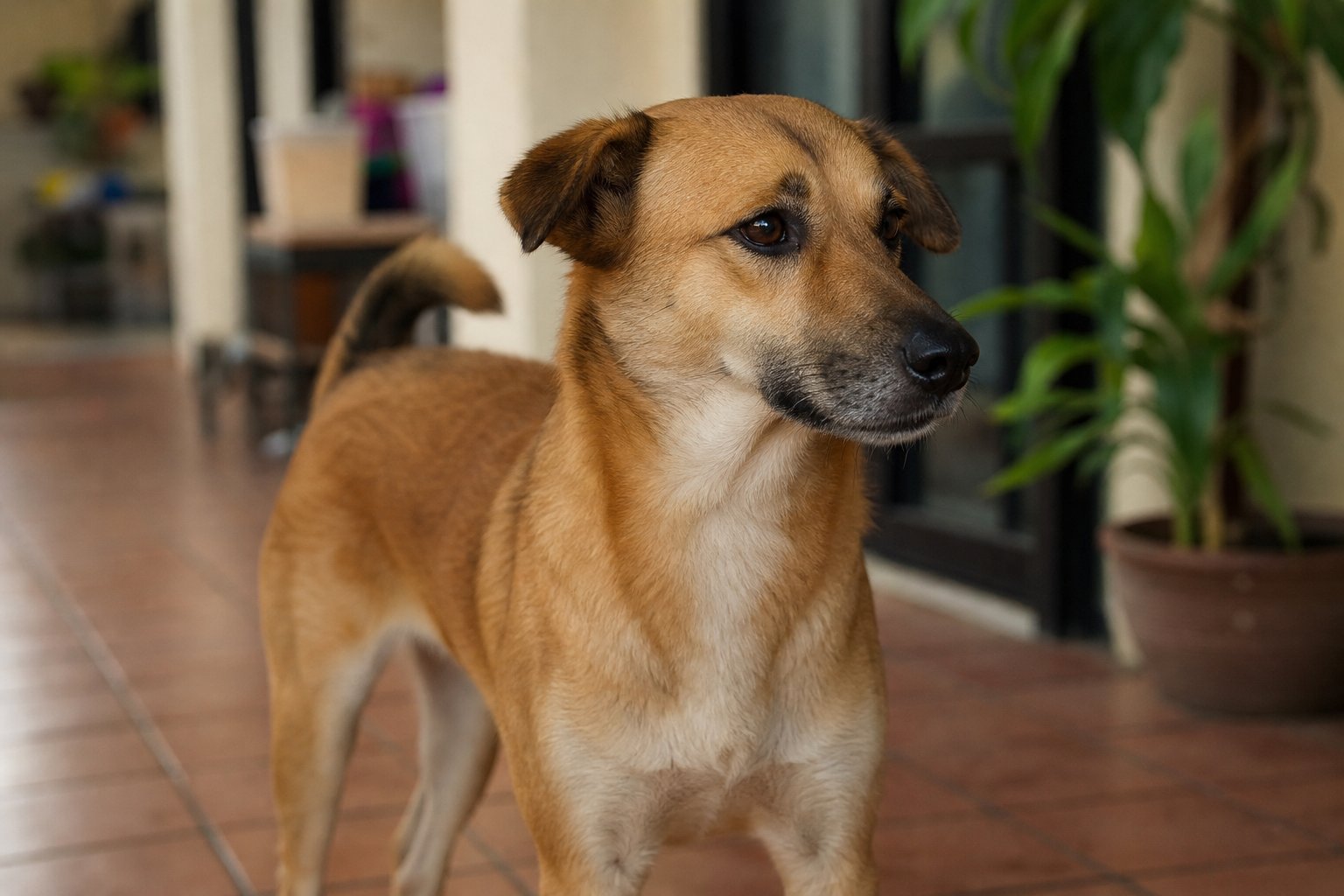
What should you feed a puppy in Malaysia?
Feeding a puppy well is one of the most important things you can do for its long-term health. The right diet supports growth, immunity, and development, while the wrong one can lead to problems ranging from loose stools to serious bone disease. In Malaysia, owners have access to a wide range of local and imported puppy foods, but choosing well requires understanding a few key principles.
This guide covers how to read labels, choose between wet and dry food, decide how much to feed, set up a feeding schedule, transition to adult food, and handle common issues. It is written for Malaysian owners living in apartments, terrace houses, and landed properties, with practical advice that fits local routines.
How to choose a complete and balanced puppy food
The single most important criterion is that the food is complete and balanced for growth. Look for a statement on the packaging that says the food meets the nutritional requirements for growth or for all life stages, ideally referencing the AAFCO nutrient profiles or a similar recognised standard. Avoid foods labelled only for maintenance, as these do not meet the higher demands of a growing puppy.
Check the ingredient list for a named animal protein source, such as chicken, beef, lamb, or fish, rather than vague terms like meat meal. Ingredients are listed by weight, so a named protein near the top is a good sign. However, ingredients alone do not guarantee quality; the nutritional adequacy statement is more important.
Consider your puppy's size. Large and giant breed puppies have different needs from small breeds. Diets formulated for large-breed growth typically control calcium and energy levels to support controlled bone development. If you have a large-breed puppy, choose a food specifically labelled for large-breed growth.
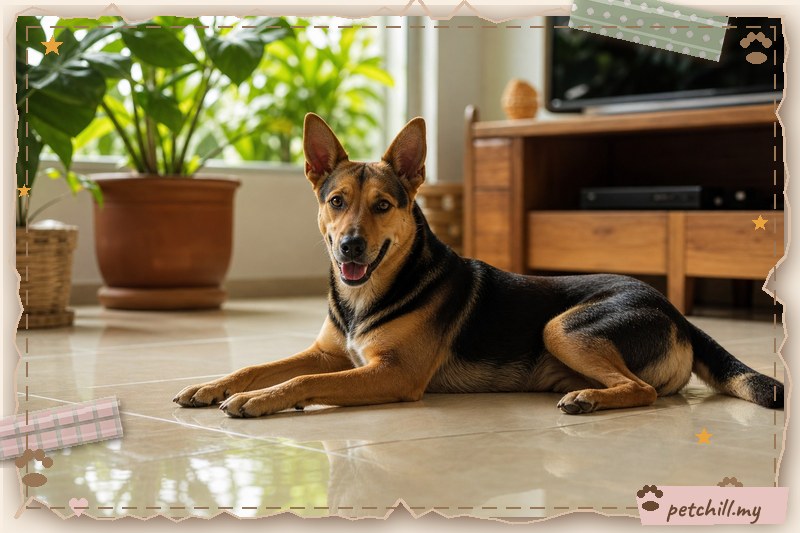
Wet food vs dry food: which is better for puppies?
Both wet and dry foods can be complete and balanced. The choice often comes down to convenience, cost, and your puppy's preferences. Dry food is easy to store, less messy, and can help with dental health through chewing. Wet food is more palatable, contains more water, and may be useful for puppies that are picky or need extra hydration.
Many owners feed a mix of both. If you do, make sure the total daily intake remains balanced and does not exceed calorie needs. Treats and toppers should make up no more than about 10% of daily calories.
| Feature | Dry food | Wet food |
|---|---|---|
| Convenience | Easy to store and serve | Requires refrigeration after opening |
| Cost | Generally lower per calorie | Generally higher per calorie |
| Dental health | Chewing may help reduce plaque | Less chewing, less dental benefit |
| Hydration | Lower water content | Higher water content |
| Palatability | Good, but some puppies prefer wet | Often highly palatable |
| Feeding flexibility | Can be left out briefly | Should be fed and removed within 20–30 minutes |
In Malaysia's hot and humid climate, dry food should be stored in an airtight container in a cool, dry place. Wet food should not be left out for more than 30 minutes, especially outdoors, to prevent spoilage and flies.
How much should you feed your puppy?
Start with the feeding guide on the food packaging. These guides are based on average needs and should be adjusted for your individual puppy. Body condition is the best tool: you should be able to feel the ribs easily with light pressure, see a waist from above, and see a slight tuck-up from the side. If ribs are hard to feel, reduce portions slightly; if they are very prominent, increase.
Feed measured meals rather than free-feeding. Free-feeding makes it hard to monitor intake and can lead to obesity. Use a kitchen scale for accuracy, especially with small breeds where a few grams matter.
Puppies have small stomachs and high energy needs, so they need multiple meals per day. A typical schedule is four meals daily until about 12 weeks, three meals until about 6 months, and two meals thereafter. Large-breed puppies may stay on three meals until 6 months to reduce the risk of bloat.
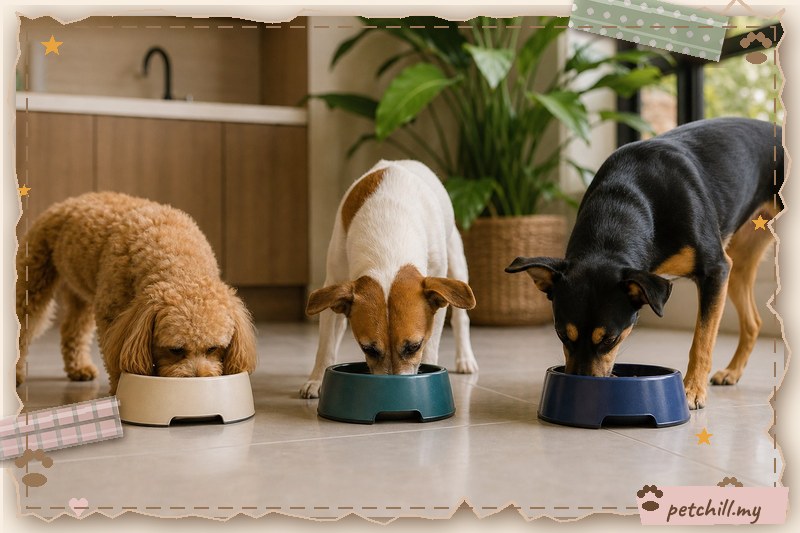
Setting up a feeding schedule and routine
A consistent routine helps with house training and digestion. Feed at the same times each day, and take your puppy out to toilet shortly after meals. In Malaysian homes, this might mean a morning feed before work, a midday feed if someone is home, an evening feed, and a before-bed feed for young puppies.
If you live in an apartment in Kuala Lumpur, you may need to carry your puppy downstairs for toilet breaks after meals. In a Johor terrace house, a backyard routine is easier, but ensure the yard is secure and free of poisonous plants or standing water.
Avoid feeding right before or after intense exercise, especially in large-breed puppies, to reduce the risk of bloat. Allow at least an hour of rest after meals.
Transitioning from puppy food to adult food
The timing of the switch depends on your puppy's expected adult size. Small breeds are usually fully grown by 10–12 months, medium breeds by 12–15 months, and large breeds by 18–24 months. Giant breeds may need puppy food until 24 months.
Switch gradually over 7–10 days. Start with 25% new food and 75% old food, then increase the proportion every few days. Watch for loose stools or vomiting, and slow down if they occur. If your puppy has a sensitive stomach, extend the transition to 14 days.
Do not switch to adult food too early, especially for large breeds, as this can lead to nutrient deficiencies during a critical growth period. Conversely, feeding puppy food for too long can lead to excess weight gain in small breeds.
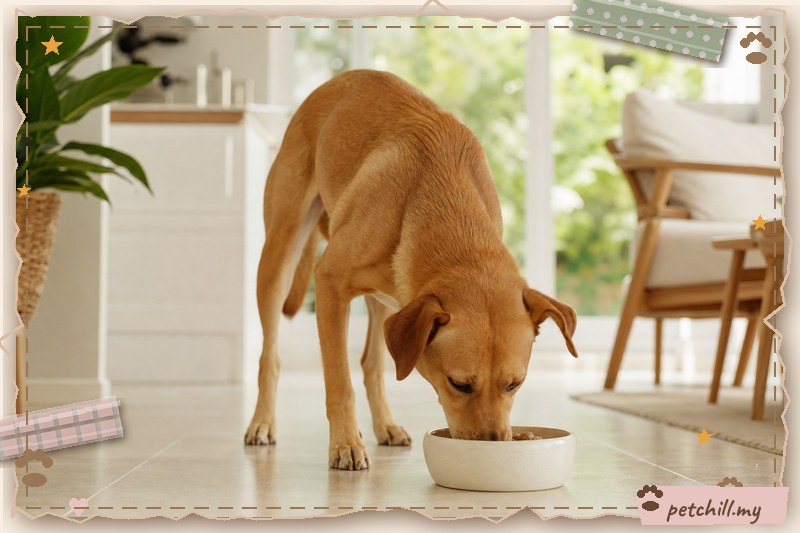
Common feeding problems and how to handle them
Picky eating is common in puppies, especially during teething or after a change in routine. Try warming wet food slightly, adding a little water to dry food, or hand-feeding for a few days. Avoid switching foods repeatedly, as this can create bad habits.
Diarrhoea can be caused by sudden food changes, overfeeding, parasites, or infections. If your puppy has mild diarrhoea but is otherwise bright and drinking, you can withhold food for a few hours and then offer small, bland meals. If diarrhoea persists beyond 24 hours, or is accompanied by vomiting, lethargy, or blood, see a vet.
Constipation may occur if your puppy is not drinking enough or is on a low-fibre diet. Ensure fresh water is always available and consider adding a little canned pumpkin or a vet-recommended fibre supplement.
Special considerations for Malaysian homes
Malaysia's tropical climate means food spoilage is a real concern. Store dry food in sealed containers away from heat and humidity. Buy smaller bags if your puppy is small, so food stays fresh. Wet food should be refrigerated after opening and used within two days.
Many Malaysian households have multi-pet homes. Feed puppies separately from adult dogs to prevent food guarding and ensure the puppy gets its share. In a Penang rainy season, outdoor feeding areas can become muddy and contaminated; feed indoors or in a covered area.
If you have children, teach them not to disturb the puppy during meals. This reduces the risk of resource guarding and bites.
When to see a vet
Seek veterinary advice if your puppy shows any of the following: persistent vomiting or diarrhoea, refusal to eat for more than 24 hours, weight loss, bloated abdomen, difficulty breathing, pale gums, or blood in the stool. Also see a vet if you are unsure about the right diet, if your puppy is not growing as expected, or if you are considering a home-cooked diet.
Regular check-ups are important for monitoring growth and adjusting feeding. Your vet can also advise on parasite control and vaccinations, which affect appetite and overall health.
Vet disclaimer
This article provides general information and does not replace veterinary advice. Always consult a licensed veterinarian for diagnosis and treatment of your puppy's health conditions. Feeding decisions should be tailored to your individual puppy's needs.
Related reading
- Dog Guide Malaysia: A Complete Owner's Handbook for New and Experienced Owners
- Dog Care Guide Malaysia: Feeding, Grooming, Health & Daily Routine
- Best Dog Food in Malaysia: A Practical Guide for Dog Owners
- Dog Dental Care for Dogs: A Malaysia Guide
- Dog Food Allergies in Malaysia: Symptoms, Triggers, and How to Help Your Dog
- Dog Food Tips for Dog Owners in Malaysia: A Practical Feeding Guide
- Best Dog Food Brands in Malaysia: How to Choose Well (2025 Guide)
- Best Dog Training Basics for Dogs in Malaysia: A Practical Guide
- Best Puppy Food for Dogs in Malaysia: A Practical Buying Guide
- Dog Fleas in Malaysia: A Complete Guide for Dog Owners
- Dog Fleas: Practical Tips for Malaysian Dog Owners
- Dog Food for Dogs: A Complete Feeding Guide for Malaysian Owners