
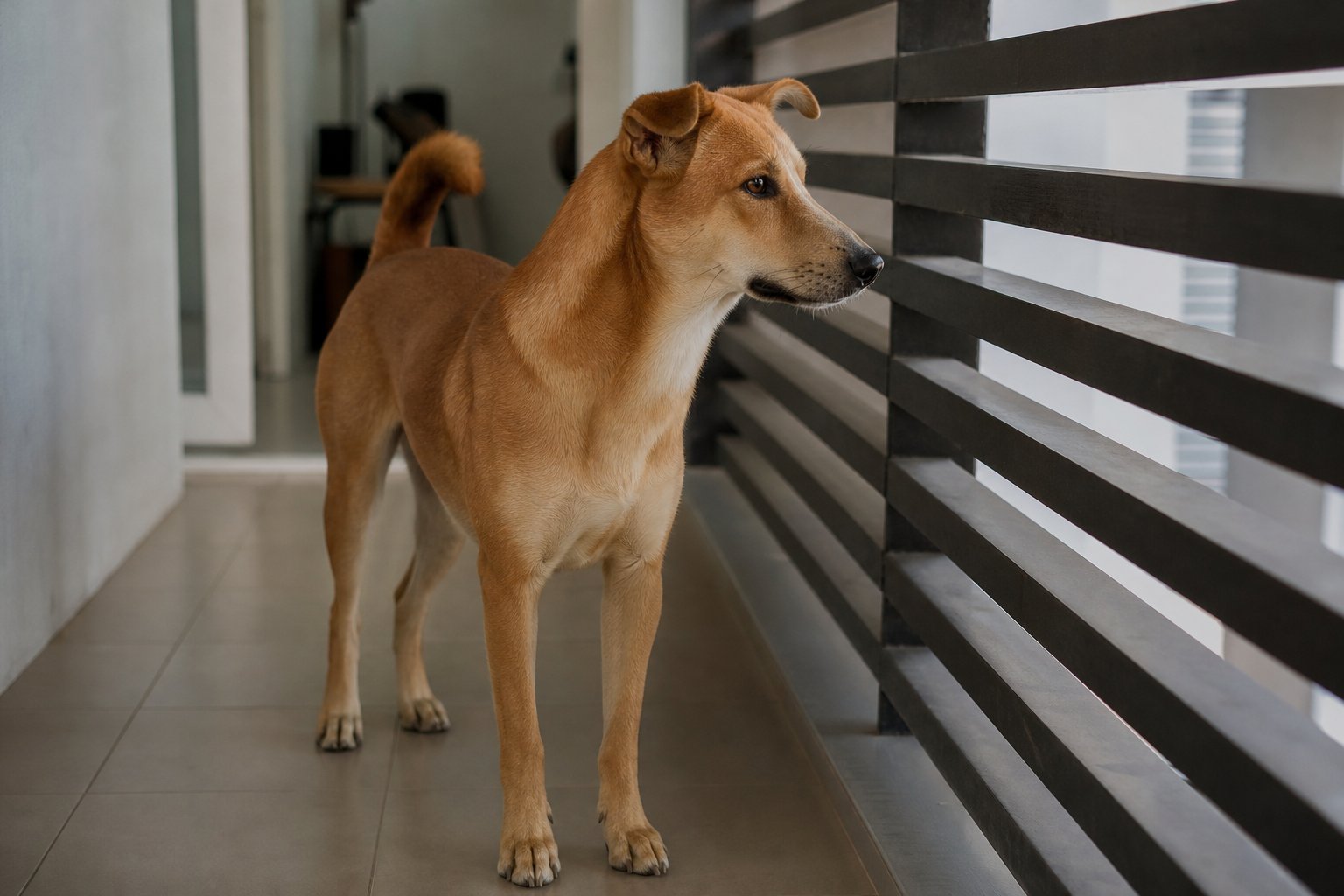
Start with the right foundation
Dog training basics for dogs in Malaysia come down to a simple idea: reward what you want, prevent what you don't, and keep every session short and calm. You do not need expensive equipment or a formal class to begin. You need consistency, good timing and a clear picture of what you are teaching.
This guide covers the core skills every Malaysian dog owner should know, from reward-based methods and daily routines to leash walking, recall, crate training and toilet training. It also explains how to handle common problems and when to involve a vet or a qualified trainer.
Why reward-based training works best
Reward-based training, also called positive reinforcement, means you mark and reward behaviour you want to see again. If your dog sits and you immediately give a treat, your dog learns that sitting pays. If your dog jumps and you turn away, your dog learns that jumping does not get attention.
This approach is widely recommended by veterinary behaviourists because it builds confidence and strengthens the bond between dog and owner. It also avoids the fallout of punishment-based methods, which can create fear, anxiety and defensive aggression.
The three rules of reward-based training
- Reward immediately. The reward must arrive within a second or two of the behaviour. Late rewards confuse the dog.
- Reward the behaviour you want, not the dog's personality. "Good boy" is not a reward unless your dog finds praise rewarding. Most dogs value food, toys or access to something they want.
- Prevent rehearsal of unwanted behaviour. Management is part of training. If your dog cannot yet resist the rubbish bin, put the bin behind a closed door while you teach the alternative.
A simple marker system
A marker is a word or sound that tells your dog "yes, that is exactly what I wanted." Use a short word like "yes" or a clicker. Charge the marker first: say "yes," then give a treat, repeat ten times in a quiet room. Once your dog looks expectant when they hear the marker, you can use it to capture behaviour.
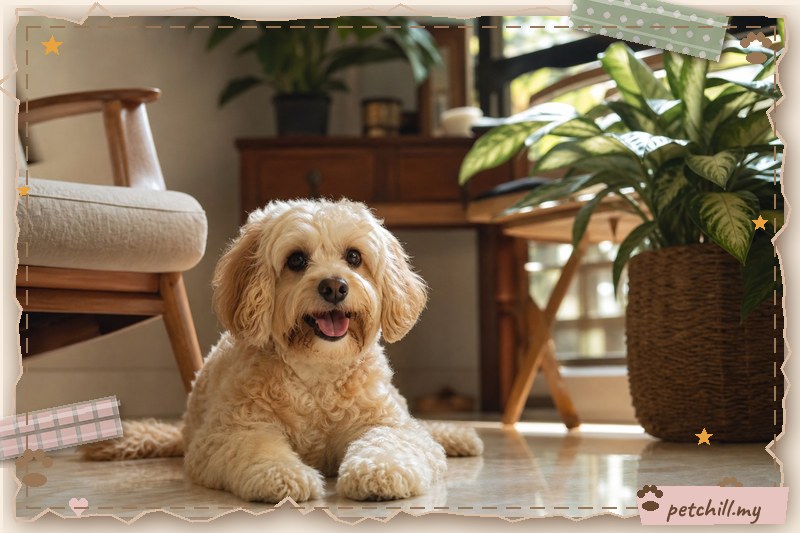
Set up a daily training routine that fits Malaysian life
Malaysian weather shapes when and where you train. Midday heat and humidity make outdoor sessions uncomfortable and even risky for flat-faced breeds. Train indoors during the hot hours and use early mornings or evenings for outdoor practice.
A practical daily routine might look like this:
| Time | Activity | Duration |
|---|---|---|
| Early morning | Outdoor leash walk and sniffing | 20–30 minutes |
| After breakfast | Indoor cue practice (sit, down, stay) | 3–5 minutes |
| Midday | Toilet break and calm chew toy | 5–10 minutes |
| Late afternoon | Indoor recall game or puzzle toy | 5 minutes |
| Evening | Outdoor walk with loose-leash practice | 20–30 minutes |
| Before bed | Toilet break and settle routine | 5 minutes |
This is a template, not a rule. Adjust to your dog's age, breed and health. Puppies need more sleep and shorter sessions. Senior dogs may prefer gentler activity.
Keep sessions short
A puppy's attention span is roughly two to five minutes. Adult dogs can manage five to ten minutes of focused training. Stop before your dog loses interest. Ending on a successful repetition is better than pushing through a mistake.
Use high-value treats wisely
Training treats should be small, soft and smelly. Cooked chicken, small pieces of liver or commercial training treats work well. Cut treats into pea-sized pieces. If your dog is overweight or on a prescription diet, ask your vet what to use and adjust meal portions to avoid weight gain.
Teach the core cues one at a time
Do not try to teach everything at once. Pick one cue, practise it in a quiet room, then add distractions gradually. The table below shows a sensible order.
| Cue | What it looks like | Common mistake |
|---|---|---|
| Name recognition | Dog looks at you when you say their name | Repeating the name when the dog ignores it |
| Sit | Dog's bottom touches the floor | Pushing the bottom down instead of luring |
| Down | Dog lies flat on the floor | Expecting duration too soon |
| Stay | Dog holds position until released | Adding distance before duration is solid |
| Come | Dog returns to you when called | Calling only to end fun or to scold |
| Leave it | Dog turns away from an item | Punishing curiosity instead of redirecting |
| Drop it | Dog releases an item from the mouth | Chasing the dog to grab the item |
Sit
Hold a treat close to your dog's nose and move it slowly up and back over the head. As the nose lifts, the bottom usually lowers. Mark and reward the moment the bottom touches the floor. Add the word "sit" only once the behaviour is reliable.
Stay
Start with one second. Ask for a sit, say "stay," wait one second, then reward. Gradually increase duration, then distance, then distractions, one at a time. If your dog breaks position, go back to an easier step.
Come
Recall is a safety skill. Never call your dog to punish them. Practise in a enclosed space, reward generously when your dog arrives, then release them back to play. Use a happy, high-pitched tone. In Malaysia, practise recall inside a fenced compound or a secure indoor space before trying it in a park.
Leave it
Place a low-value treat under your shoe. When your dog sniffs and backs off, mark and reward with a better treat. Build up to items on the floor. This cue is useful for dropped food, rubbish and unfamiliar objects during walks.
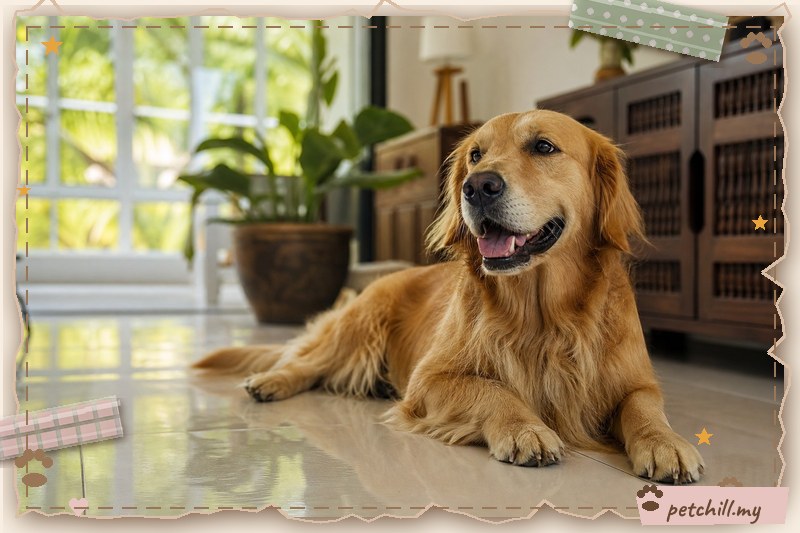
Leash walking and recall in Malaysian neighbourhoods
Leash walking is one of the most common training struggles. Dogs pull because walking forward is rewarding. To change this, make forward movement depend on a loose leash.
Loose-leash training steps
- Start in a quiet area with few distractions.
- Stand still when the leash tightens. Wait for your dog to look back or step towards you.
- Mark and reward slack in the leash.
- Take a few steps. If the leash tightens, stop again.
- Gradually add busier areas, but keep sessions short.
Use a flat collar or a well-fitted harness. Avoid choke chains, prong collars and shock collars. These tools rely on pain or fear and can worsen pulling and anxiety.
Recall around distractions
Practise recall in a secure space first. Use a long line if you have one, but only in an enclosed area. Reward every recall, especially in the early stages. Vary the reward: sometimes a treat, sometimes a toy, sometimes a game. This keeps your dog guessing and coming back to check in.
Heat and paw safety
Walk on grass or shaded paths when possible. Test the pavement with the back of your hand for five seconds. If it is too hot for your hand, it is too hot for paws. Carry water on longer walks and avoid the hottest part of the day.
Crate training and indoor management
A crate is a useful management tool, not a punishment. It gives your dog a safe space and helps with toilet training and travel. Choose a crate large enough for your dog to stand, turn around and lie down comfortably.
Crate training steps
- Leave the crate open with a soft bed and a treat inside.
- Feed meals near or inside the crate.
- Close the door for a few seconds while your dog eats, then open it.
- Gradually increase the time the door is closed.
- Never use the crate to punish your dog.
In a Kuala Lumpur apartment, a crate can help manage space and prevent destructive behaviour when you cannot supervise. In a Johor terrace house, a crate can be placed in a quiet room away from the front door so your dog can rest undisturbed.
Toilet training
Take your puppy out frequently: after waking, after eating, after play and before bed. Reward immediately after your puppy toilets outside. If accidents happen indoors, clean with an enzymatic cleaner and supervise more closely. Never rub your dog's nose in mess.
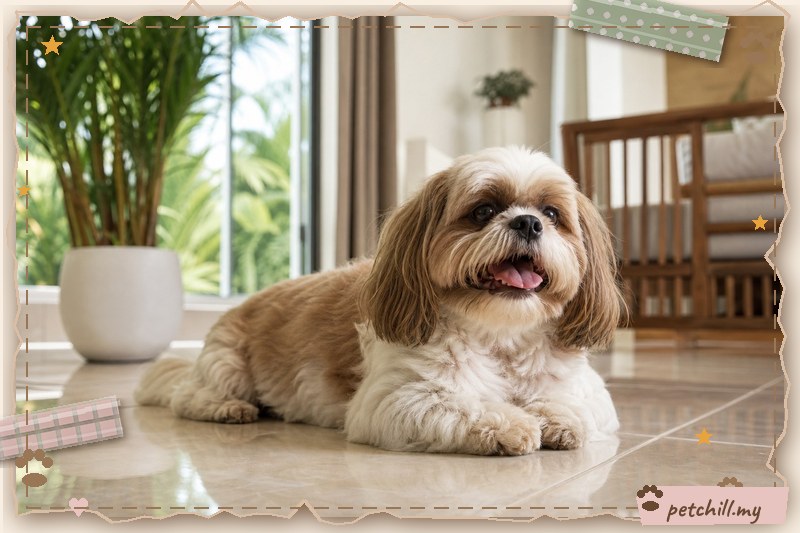
Socialisation and confidence building
Socialisation means exposing your dog to new sights, sounds, people and animals in a positive or neutral way. The sensitive period for puppies is roughly three to sixteen weeks, but socialisation continues throughout life.
A practical socialisation checklist
- Different floor surfaces: tiles, grass, concrete, metal grates
- Household sounds: vacuum, blender, thunder recordings at low volume
- People: different ages, uniforms, hats, umbrellas
- Handling: touching paws, ears, mouth and tail gently
- Other animals: calm, vaccinated dogs after your vet confirms it is safe
- Environments: car rides, lifts, staircases, busy streets at a distance
Keep experiences positive. If your dog is fearful, increase distance and reward calm behaviour. Do not force interaction.
Malaysian context
In Penang, rainy season downpours can make outdoor socialisation difficult. Use covered walkways, pet-friendly indoor spaces and short trips in the car to build confidence. In high-rise apartments, lifts and corridors are part of daily life, so practise calm behaviour in these spaces early.
Common training problems and how to handle them
Jumping up
Turn away and withdraw attention when your dog jumps. Reward all four paws on the floor. Ask for a sit before greeting. Consistency across all family members is essential.
Barking
Identify the trigger. If your dog barks at the doorbell, practise doorbell sounds at low volume and reward quiet behaviour. If barking is sudden or excessive, rule out pain or anxiety with your vet.
Chewing
Provide appropriate chew toys and rotate them. Confine your dog when unsupervised. Do not punish after the fact; dogs cannot connect punishment to an action that happened minutes ago.
Separation-related distress
Start with short absences and build up gradually. Leave a food puzzle or safe chew toy. If your dog panics, vocalises or destroys things every time you leave, seek professional help. This is a welfare issue, not disobedience.
Resource guarding
If your dog growls when you approach food or toys, do not punish the growl. Growling is a warning. Seek help from a qualified behaviourist and keep everyone safe in the meantime.
When to see a vet
See a vet if your dog shows a sudden change in behaviour, especially if it is accompanied by any of the following:
- Pain, limping or reluctance to move
- Loss of appetite or weight loss
- Lethargy or weakness
- House-soiling in a previously trained dog
- Sudden aggression or fearfulness
- Excessive drinking or urination
- Scratching, head shaking or ear odour
- Vomiting or diarrhoea
Medical problems can cause or worsen behaviour problems. A vet can rule out pain, illness and neurological issues before you invest in a training plan. If your dog has a sudden behaviour change, book a vet visit first.
Choosing a trainer in Malaysia
Look for a trainer who uses reward-based methods and avoids aversive tools. Ask about their qualifications, experience and methods. A good trainer will ask about your dog's health, environment and history. They should be willing to work with your vet if a medical issue is suspected.
Avoid trainers who promise quick fixes, use shock collars or recommend dominance-based techniques. These approaches are outdated and can cause harm.
Questions to ask a trainer
- What methods do you use?
- How do you handle fear or aggression?
- Do you use food rewards?
- What happens if my dog does not improve?
- Can you provide references?
A simple weekly training plan
| Day | Focus | Duration |
|---|---|---|
| Monday | Sit and name recognition | 5 minutes |
| Tuesday | Loose-leash walking | 10 minutes |
| Wednesday | Recall in enclosed space | 5 minutes |
| Thursday | Stay with duration | 5 minutes |
| Friday | Leave it and drop it | 5 minutes |
| Saturday | Socialisation outing | 20 minutes |
| Sunday | Rest and enrichment toys | 10 minutes |
Adjust the plan to your dog's age and energy. Puppies need more rest days. Senior dogs may need shorter sessions.
Final thoughts
Dog training basics for dogs in Malaysia are built on consistency, patience and reward. Start small, train daily, and keep sessions short. Use management to prevent mistakes while you teach the behaviour you want. If something changes suddenly, see your vet first. With a clear plan and a calm approach, most dogs can learn the core skills they need to live happily and safely.
Vet disclaimer: This article is for general information only and is not a substitute for professional veterinary advice. Always consult a licensed veterinarian in Malaysia about your dog's health, behaviour or training plan, especially if you notice sudden changes or signs of pain or illness.
Related reading
- Dog Guide Malaysia: A Complete Owner's Handbook for New and Experienced Owners
- Crate Training for Dogs in Malaysia: A Practical, Humane Guide
- Best Dog Training Basics for Dogs in Malaysia: A Practical Guide
- Dog Barking in Malaysia: 4 Reasons Dogs Bark and How to Stop It Without Shouting
- Potty Training for Dog Owners in Malaysia: A Practical, Humidity-Proof Plan
- Beagle Disadvantages in Malaysia: 8 Real Downsides and How to Manage Them
- Beagle Lifespan in Malaysia: How Long Do Beagles Live and How to Help Them Reach 15