
The short answer
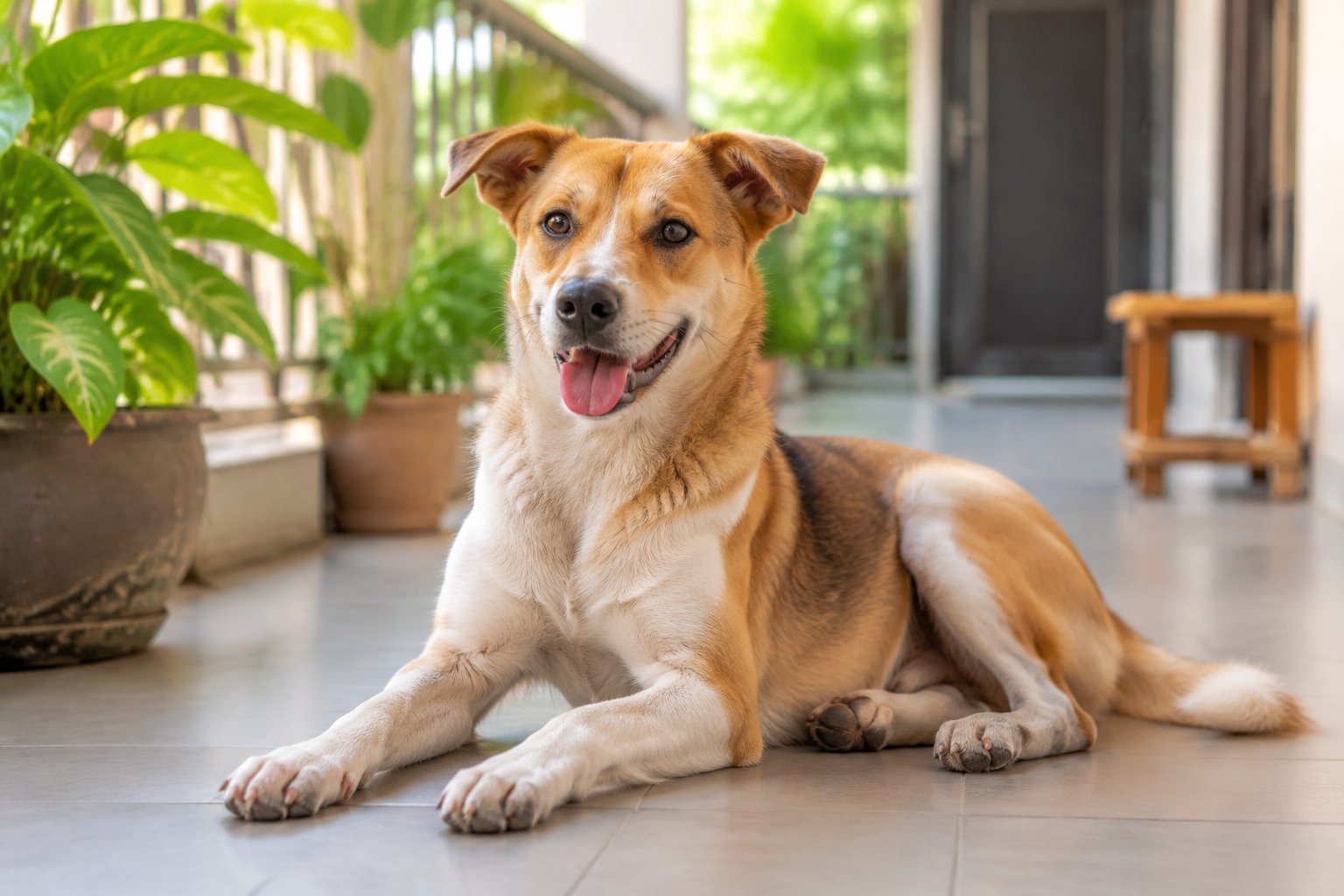
Dog weight management starts with two measurements: the scale and your hands. Weigh your dog regularly, score its body condition, then feed measured portions of a complete diet and build exercise into the cool parts of the day. Treats and table scraps are usually the hidden calories. A Malaysian vet should confirm the plan, especially before a big diet change.
Why weight matters more than most owners think
Carrying extra weight is not just a cosmetic issue. Excess fat is metabolically active tissue that makes the body work harder. Overweight dogs face higher risks around surgery and anaesthesia, more strain on joints, and a greater chance of problems such as diabetes and heart strain. In hot, humid climates the burden is compounded: a heavy dog pants harder, tires faster and overheats sooner.
Many owners genuinely do not realise their dog is overweight, because they see the dog every day. Studies in several countries have found that owners often underestimate body condition. That is why an objective scoring system, rather than a feeling, is the starting point.
Step 1: Score your dog's body condition
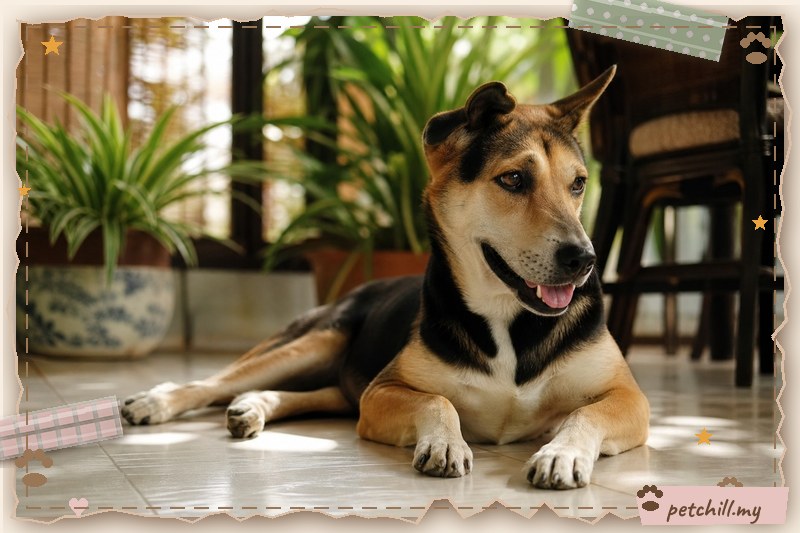
Body condition scoring (BCS) is a hands-on check of fat cover over the ribs, spine and hips, plus the shape of the waist. A common nine-point scale runs from 1 (emaciated) to 9 (obese), with 4–5 considered ideal for most dogs.
| BCS (9-point) | What you see and feel | What it means |
|---|---|---|
| 1–3 | Ribs, spine and hip bones very visible; no fat cover; obvious muscle loss | Underweight — vet check needed |
| 4–5 | Ribs easily felt under thin fat; waist visible from above and side; belly tucked up | Ideal |
| 6 | Ribs felt with slight pressure; waist less obvious | Slightly overweight — act now |
| 7 | Ribs hard to feel; fat pads over spine and tail base; no waist | Overweight |
| 8–9 | Ribs not felt under thick fat; belly hangs; obvious fat deposits | Obese — vet-guided plan needed |
How to do it at home:
- Stand behind your dog and look down. You should see an hourglass waist behind the ribcage.
- Look from the side. The belly should tuck up towards the hind legs, not hang level or sag.
- Run both hands flat along both sides of the chest. You should feel each rib like the bones under the skin of the back of your hand, not like a padded cushion.
- Feel along the spine and around the base of the tail. Fat pads here are a warning sign.
- Repeat monthly and note the score, so you can track change rather than guess.
Some breeds are harder to score by eye. Long-coated dogs such as Golden Retrievers or Shih Tzus hide shape under fur, so hands matter more than looks. Deep-chested breeds and greyhound-types naturally look leaner. Short-legged, stocky dogs can look chunky even at a healthy weight. Your vet can show you exactly where to feel.
Step 2: Weigh your dog and set a target
A body condition score tells you the direction; a scale tells you the size of the problem. Options for weighing at home:
- Small dogs: stand on a digital bathroom scale holding the dog, then subtract your own weight. Repeat three times and average.
- Medium and large dogs: use a baby scale if the dog fits, or ask your vet clinic to weigh the dog at each visit.
- Very large dogs: some clinics have platform scales; a monthly weigh-in is worth the trip.
Record the weight and date. A vet can then estimate an ideal weight from the current weight and body condition score, and calculate daily calories for that target. Do not simply halve the food — that can shortchange nutrients and make the dog miserable.
Step 3: Measure food, don't estimate it
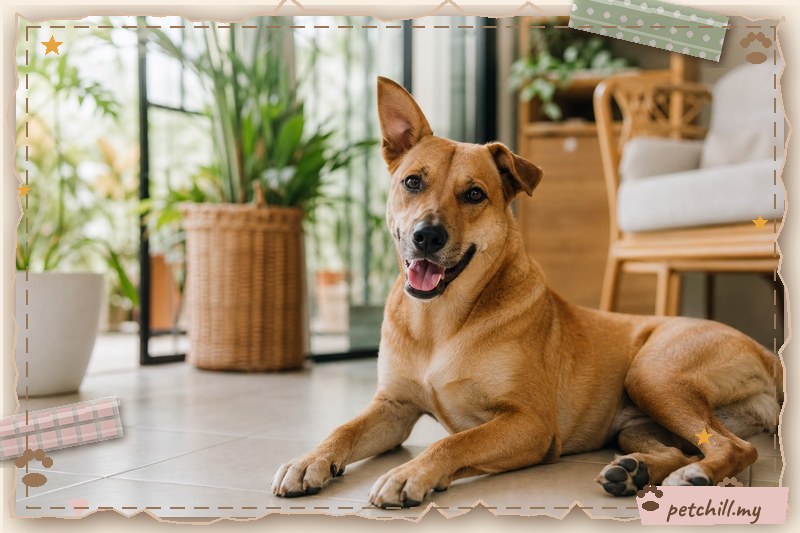
The single most effective change most owners can make is to stop eyeballing portions. Feeding guides on packaging are a starting point, not a prescription, and they often suit active dogs in cool climates.
Practical habits that work:
- Use a digital kitchen scale for kibble. Cups vary hugely depending on how packed the food is.
- Use the same scoop or bowl every day so you notice changes.
- Split the daily ration into at least two meals. Two measured meals feel more satisfying than one large one.
- If you have multiple dogs, feed them separately so the faster eater does not finish the other's food.
- Keep a simple chart on the fridge: date, weight, food amount, treat count, exercise minutes.
- Recheck the bag or tin label if you change brands, because calorie density differs a lot between products.
If you use wet food, remember it is mostly water. A pouch or tin may look like a lot of food but contain fewer calories than the same volume of dry kibble — or, in some rich formulas, more. Compare calories, not grams.
Step 4: Deal with the real culprits — treats and table scraps
In many Malaysian homes, the dog's bowl is only part of the story. Treats, human snacks, rice mixed into meals, leftover chicken skin, curry gravies and fried food can quietly add a large share of daily calories.
A useful rule: treats and extras should stay under about 10% of daily calories. For a dog on a weight-loss plan, that is a small allowance, so choose low-calorie options.
| Treat option | Calories | Notes |
|---|---|---|
| Small piece of cooked plain chicken breast | Low | No skin, no salt, no seasoning |
| Plain cooked green beans or carrot sticks | Very low | Cut small; good for chewers |
| A few pieces of the dog's own kibble | Counted | Take from the daily ration, not extra |
| Commercial dog biscuit | Moderate to high | Check the pack; break in half |
| Cheese cube | High | Occasional only |
| Table scraps, fried food, gravy, rice toppings | High and unpredictable | Avoid; can trigger stomach upset or pancreatitis |
Household strategies:
- Put a small portion of the daily kibble in a treat jar. When the jar is empty, treats are done for the day.
- Ask every family member, including children and domestic helpers, to follow the same rules. One soft-hearted person can undo a week of progress.
- Feed the dog before the family eats, or put the dog in another room during meals, to reduce begging.
- Use praise, play and a short walk as rewards instead of food.
- If the dog is used to rice with meals, ask your vet before changing the diet, and never replace a complete food with rice alone.

Step 5: Choose the right food approach
There are several legitimate routes, and the best one depends on your dog's health and your budget:
- Portion-controlled complete diet. Feed less of a balanced maintenance food, calculated to the target weight. Simple, but the smaller volume may leave the dog hungry.
- Light or weight-management formula. These are formulated with fewer calories per gram and often more fibre and protein, so the bowl looks fuller. Widely available from pet retailers and vets in Malaysia.
- Therapeutic weight-loss diet. Prescription diets are calorie-restricted and nutrient-dense so the dog gets what it needs in a smaller volume. A vet may recommend one if the dog is obese or has other conditions.
- Bulking with safe vegetables. Adding plain cooked pumpkin, green beans or carrots can increase fullness. Introduce slowly and check with your vet, especially for dogs with sensitive stomachs.
What not to do: skip meals entirely, use human meal-replacement products, feed only rice and meat without a formulated supplement, or put a dog on a very low-calorie crash diet without veterinary supervision. Rapid weight loss can be dangerous, particularly in small breeds.
Local prices for diets and weigh-ins vary, so ask your Malaysian vet or retailer for current options rather than relying on online figures.
Step 6: Exercise safely in Malaysian weather
Exercise burns calories and protects muscle, but the tropical climate demands care. Heat and humidity make it harder for dogs to cool down, and flat-faced breeds such as Pugs, French Bulldogs and Shih Tzus are at particular risk.
A sensible routine:
- Walk in the early morning or after sunset, not between about 10am and 4pm.
- Test the pavement with the back of your hand for five seconds. If it is too hot to hold, it is too hot for paws.
- Start with short, frequent sessions — for example 10–15 minutes twice a day — and add five minutes a week as fitness improves.
- Bring water and a collapsible bowl. Offer small drinks often.
- Watch for heavy panting, slowing down, lagging on the lead, bright red gums or wobbliness. Stop, move to shade and cool the dog with water.
- Avoid strenuous fetch on hot afternoons; use shaded grass or indoor play instead.
- Swimming can be excellent low-impact exercise for joint-friendly weight loss, but only in safe, supervised conditions and never in a hot car afterwards.
Indoor options for rainy days or haze: stair climbs (for healthy dogs), hide-and-seek with kibble, food puzzles, tug, and short training sessions. These burn energy and mental stimulation without heat exposure.

Step 7: Track progress and adjust
Weigh every two to four weeks and rescore body condition monthly. Safe loss is roughly 1–2% of body weight per week for most dogs. If the dog is losing faster, eats ravenously, or seems weak, contact your vet. If nothing is changing after a month of honest measuring, review the treats, the portions and any extra food sources before cutting further.
A simple progress log:
| Date | Weight | BCS | Daily food | Treats | Exercise | Notes |
|---|---|---|---|---|---|---|
| Week 1 | ||||||
| Week 4 | ||||||
| Week 8 |
Plateaus are normal. Muscle gain from increased activity can mask fat loss on the scale, which is why the body condition score and how clothes or collars fit matter too.
Special cases: puppies, seniors and medical causes
Puppies should not be put on weight-loss diets without veterinary guidance. They need energy and nutrients for growth. If a puppy looks chubby, ask your vet to check growth curves and feeding amounts.
Senior dogs gain weight more easily as activity drops and muscle mass falls. They also need enough protein to protect muscle. A vet can help balance calorie restriction with senior nutritional needs.
Medical causes matter. Hypothyroidism, Cushing's disease and some medications can cause weight gain. If a dog gains weight despite a measured diet and exercise, or shows other signs such as lethargy, hair loss or increased thirst, a vet visit is warranted before any diet change.
Breeds prone to joint problems, such as Labradors, Rottweilers and Dachshunds, benefit most from staying lean. Keeping them slim from a young age reduces strain on hips, knees and spine.
When to see a vet
Book a veterinary appointment if:
- Your dog scores 7 or above on a nine-point body condition scale, or you are unsure of the score.
- You plan a weight-loss diet, especially for a puppy, senior, pregnant dog or a dog with a health condition.
- The dog gains or loses weight unexpectedly despite no change in food.
- There are signs of illness alongside weight change: vomiting, diarrhoea, increased thirst, lethargy, hair loss, or reluctance to walk.
- The dog has a flat face, heart disease, arthritis or diabetes, where exercise and diet need tailoring.
- Weight loss stalls for more than a month despite careful measuring.
- Your dog shows heat stress signs during exercise: collapse, confusion, very heavy panting or gums that look bright red or grey.
A realistic weekly plan for a Malaysian owner
- Day 1: Weigh the dog, score body condition, and photograph the dog from the side and above for comparison.
- Day 2: Ask your vet to confirm the score, rule out medical causes and set a target weight and calorie allowance.
- Day 3: Buy a kitchen scale and a treat jar. Measure the current food for three days to see what the dog actually eats.
- Day 4: Switch to measured meals twice daily, with treats counted from the daily allowance.
- Day 5: Brief the whole household. Post the rules on the fridge.
- Day 6: Start short morning and evening walks, avoiding heat.
- Week 2 onwards: Log weight, food and exercise. Recheck with the vet every four to eight weeks until the target is reached, then switch to a maintenance plan.
Weight management is a marathon, not a crash course. The dogs that succeed are usually the ones whose owners measure consistently, involve the whole family, and keep coming back for check-ins.
This article is general information for Malaysian dog owners and is not a substitute for veterinary advice. Always consult a licensed veterinarian before starting a weight-loss programme or changing your dog's diet, especially if your dog has an existing health condition.
Related reading
- Dog Guide Malaysia: A Complete Owner's Handbook for New and Experienced Owners
- Dog Care Guide Malaysia: Feeding, Grooming, Health & Daily Routine
- Beagle Lifespan in Malaysia: How Long Do Beagles Live and How to Help Them Reach 15
- Dog Joint Care for Dog Owners in Malaysia: A Practical Guide
- Labrador Disadvantages in Malaysia: 8 Honest Downsides and How to Handle Them
- Beagle Disadvantages in Malaysia: 8 Real Downsides and How to Manage Them
- Beagle Personality in Malaysia: Friendly, Food-Motivated and Stubborn (What Owners Must Know)
- Best Dog Dental Care in Malaysia: A Practical Buying & Care Guide
- Best Flea Treatment for Dogs in Malaysia: How to Choose (2025 Guide)
- Best Dog Food Brands in Malaysia: How to Choose Well (2025 Guide)
- Best Dog Food in Malaysia: A Practical Guide for Dog Owners