
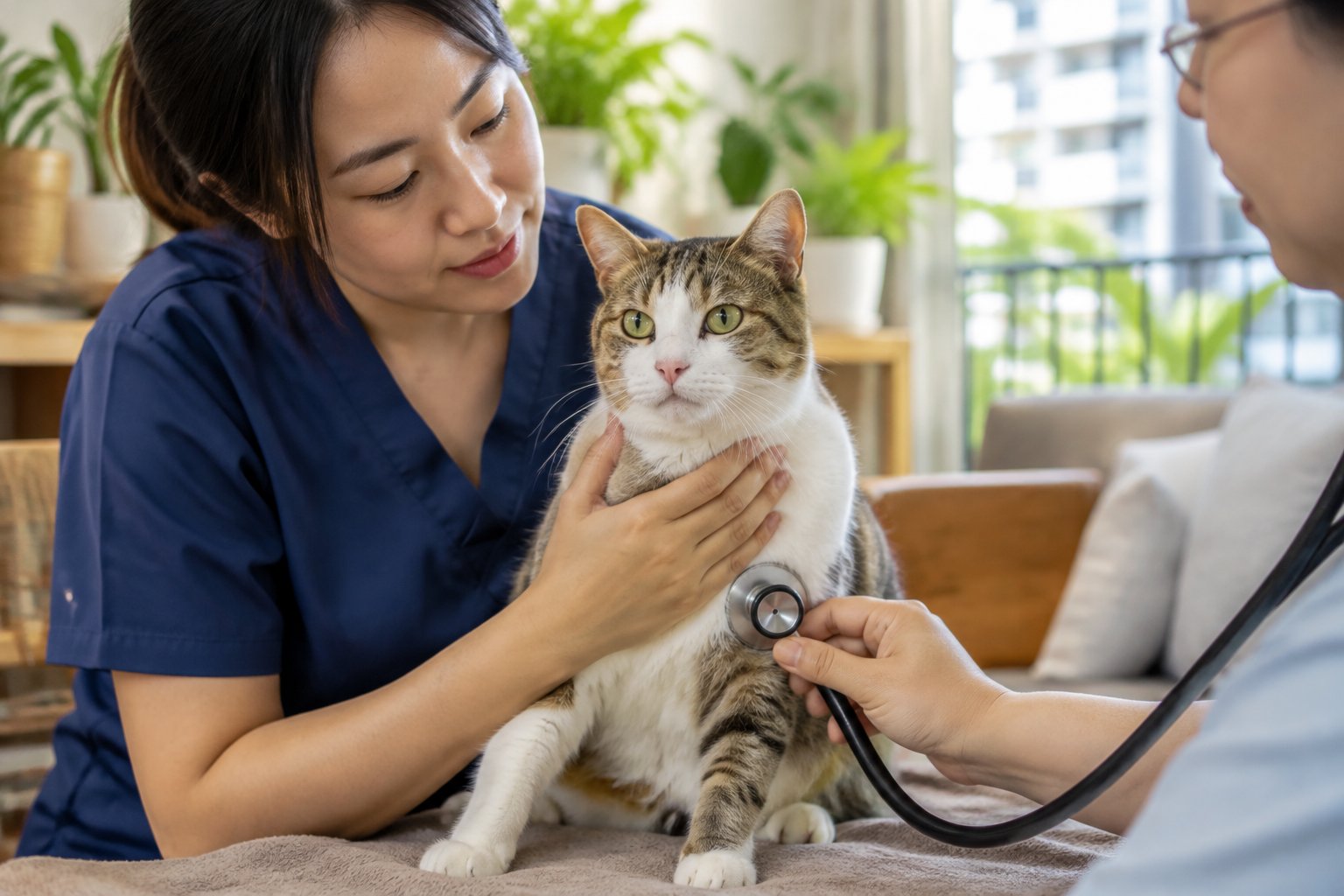
What is anemia in cats?
Anemia in cats means the number of red blood cells or the amount of hemoglobin in the blood is lower than normal. Red blood cells carry oxygen from the lungs to the rest of the body. When they are low, your cat's organs and muscles do not get enough oxygen, so the cat becomes weak, tired and sometimes breathless.
Anemia is not a disease on its own. It is a sign that something else is wrong, such as blood loss, destruction of red blood cells, or a problem with the bone marrow making new cells. In Malaysia, vets see anemia in cats for many reasons, including parasites, kidney disease, viral infections and poor nutrition. The key to helping an anemic cat is finding and treating the underlying cause.
Causes of anemia in cats
Vets group the causes of anemia into three main types: blood loss, red blood cell destruction (hemolysis), and decreased production. Some cats have more than one type at the same time.
1. Blood loss
Blood loss can be sudden (acute) or slow and ongoing (chronic).
- External parasites: Fleas and ticks can take enough blood to cause anemia, especially in kittens or small cats. Heavy flea infestations are a common cause in warm, humid climates.
- Internal parasites: Hookworms and other intestinal worms feed on blood in the gut. A cat with a heavy worm burden may slowly lose blood over weeks.
- Trauma or surgery: Accidents, cuts or surgical complications can cause sudden blood loss.
- Bleeding tumours: Some tumours, such as those in the spleen or gut, can bleed slowly into the body.
- Clotting problems: Poisoning with rat bait or certain diseases that affect clotting can lead to bleeding.
2. Red blood cell destruction (hemolysis)
In hemolytic anemia, red blood cells are destroyed faster than the body can replace them.
- Immune-mediated hemolytic anemia (IMHA): The immune system mistakenly attacks the cat's own red blood cells. This can be triggered by infection, medication or cancer, but sometimes no trigger is found.
- Toxins: Certain toxins, such as onion and garlic in large amounts, some human medications, and zinc or lead, can damage red blood cells. Cats are especially sensitive to onion and garlic.
- Infections: Some blood parasites and bacteria can destroy red cells. Your vet may test for these depending on your cat's history and travel.
- Feline leukemia virus (FeLV) and feline immunodeficiency virus (FIV): These viruses can lead to anemia through several mechanisms, including immune damage and bone marrow suppression.
3. Decreased production
When the bone marrow does not make enough red blood cells, anemia develops gradually.
- Chronic kidney disease (CKD): The kidneys produce a hormone called erythropoietin that tells the bone marrow to make red blood cells. Damaged kidneys make less of this hormone, leading to anemia. CKD is common in older cats.
- Bone marrow disease: Cancer, infection or scarring of the bone marrow can reduce red cell production.
- Nutritional deficiencies: A lack of iron, vitamin B12, folate or protein can impair red cell production. This is uncommon in cats fed a complete commercial diet but can happen with unbalanced homemade diets.
- Chronic inflammation or cancer: Long-term inflammation can suppress red cell production.
- FeLV infection: The virus can directly suppress the bone marrow.
Signs of anemia in cats
Cats are good at hiding illness, so anemia may not be obvious until it is moderate to severe. Watch for these signs:
- Pale gums, tongue or inner eyelids. Normal gums are pink. Press gently on the gum and see how quickly the colour returns; if it is very pale or slow to return, anemia is possible.
- Weakness and tiredness. Your cat may sleep more, stop jumping, or seem reluctant to move.
- Fast breathing or fast heart rate. The body tries to compensate for low oxygen by pumping blood faster.
- Loss of appetite and weight loss.
- Yellow tinge to the gums, skin or whites of the eyes (jaundice). This can happen with hemolytic anemia.
- Dark or bloody urine or stool. This may indicate bleeding or red cell destruction.
- Collapse or fainting in severe cases.
If you notice any of these signs, especially pale gums, contact your vet promptly. Do not wait for the cat to become severely weak.
How vets diagnose anemia in cats
Your vet will start with a physical examination, including checking gum colour, heart rate, breathing and temperature. They will ask about your cat's diet, parasite control, vaccination history, indoor/outdoor access and any recent illness or possible toxin exposure.
Common tests
- Complete blood count (CBC): Measures red blood cell count, hemoglobin, hematocrit (packed cell volume) and other blood cells. This confirms anemia and shows whether other cell lines are affected.
- Blood smear: A drop of blood is examined under a microscope to look at red cell shape, size and colour, and to check for parasites or signs of destruction.
- Reticulocyte count: Reticulocytes are young red blood cells. A high count suggests the bone marrow is responding to anemia (regenerative anemia), while a low count suggests a production problem (non-regenerative anemia).
- Biochemistry panel: Checks kidney and liver function, protein levels and electrolytes.
- FeLV/FIV test: Important for any anemic cat, especially if the history is unknown.
- Urine test: Looks for blood, protein or infection.
- Imaging: X-rays or ultrasound may be used to look for tumours, bleeding or organ changes.
- Bone marrow biopsy: In some cases, a sample of bone marrow is needed to find the cause of non-regenerative anemia.
Your vet will use these results to classify the anemia and plan treatment.
Treatment options for anemic cats
Treatment depends on the cause and severity. The goals are to stabilise the cat, treat the underlying disease, and support red blood cell production.
Emergency stabilisation
If anemia is severe, your cat may need oxygen therapy, intravenous fluids, and possibly a blood transfusion. Transfusions are not available at every clinic, so your vet may refer you to a larger hospital. In Malaysia, blood typing and cross-matching are important before a transfusion.
Treating the cause
- Parasites: Flea and tick control, and deworming with cat-safe products.
- Immune-mediated hemolytic anemia: Immunosuppressive medications such as corticosteroids, and sometimes other drugs. Your vet will monitor closely.
- Kidney disease: Management includes a kidney-supportive diet, fluids, blood pressure control and sometimes erythropoietin-stimulating agents.
- Infections: Antiviral or antibiotic treatment as appropriate.
- Tumours or bleeding lesions: Surgery or other cancer treatment may be needed.
- Nutritional deficiencies: Correct the diet and supplement iron, B vitamins or protein as advised.
Supportive care
- Iron supplements: Only if your vet confirms iron deficiency. Too much iron can be toxic.
- Vitamin B12 injections: Sometimes used if deficiency is documented.
- Appetite stimulants or assisted feeding: To maintain nutrition.
- Stress reduction: Keep the cat warm, quiet and away from other pets that may bother it.
Never give human iron pills or other medications to your cat without veterinary advice. Some human products are toxic to cats.
Home care for a cat with anemia
Caring for an anemic cat at home involves monitoring, nutrition, parasite control and reducing stress.
Monitor closely
- Check gum colour daily and note any change.
- Watch for increased breathing effort, weakness or collapse.
- Keep a log of appetite, water intake, urine and stool.
- Follow your vet's recheck schedule for blood tests.
Nutrition
- Feed a complete and balanced commercial cat food. Look for a product labelled with a statement of nutritional adequacy for your cat's life stage.
- If your vet recommends a therapeutic diet, transition gradually.
- Avoid raw meat and unbalanced homemade diets, which carry infection and nutritional risks.
- Provide fresh water at all times. Some cats prefer a water fountain.
Parasite control
- Use flea and tick preventives recommended for cats. Never use dog products; some are toxic to cats.
- Deworm as advised by your vet, especially if your cat goes outdoors or hunts.
- Keep the environment clean: wash bedding, vacuum regularly and manage flea populations in the home.
Reduce stress
- Provide quiet, warm resting places.
- Keep litter boxes clean and easily accessible.
- Use gentle handling and avoid rough play.
- If you have other pets, feed the anemic cat separately to reduce competition.
What to avoid
- Do not give human medications, including painkillers such as paracetamol or ibuprofen, which are toxic to cats.
- Do not use essential oils or strong chemicals around the cat.
- Do not delay veterinary rechecks even if the cat seems better.
Prevention of anemia in cats
Not all causes of anemia can be prevented, but you can reduce the risk:
- Parasite control: Year-round flea and tick prevention and regular deworming.
- Vaccination and viral testing: Keep vaccinations up to date and test new cats for FeLV/FIV before introducing them to your home.
- Balanced diet: Feed a complete commercial diet or a homemade diet formulated by a qualified pet nutritionist.
- Regular vet checks: Especially for senior cats, to catch kidney disease and other problems early.
- Safe environment: Keep toxic plants, human foods (onion, garlic, chocolate, grapes) and medications out of reach.
- Prompt treatment of illness: Do not ignore signs of infection, weight loss or changes in appetite.
When to see a vet
Seek veterinary care promptly if your cat shows any of these signs:
- Pale or white gums
- Difficulty breathing or fast breathing at rest
- Weakness, collapse or fainting
- Yellow gums or skin
- Blood in urine or stool
- Loss of appetite for more than 24 hours
- Known or suspected exposure to toxins, rat bait or human medications
If your cat is already diagnosed with anemia, follow your vet's recheck schedule and go back sooner if signs worsen.
Comparison table: types of anemia in cats
| Type | Common causes | Typical signs | Key tests | General approach |
|---|---|---|---|---|
| Blood loss | Fleas, ticks, hookworms, trauma, bleeding tumours | Pale gums, weakness, dark stool | CBC, blood smear, faecal exam, imaging | Parasite control, surgery if needed, transfusion in severe cases |
| Hemolytic | IMHA, toxins (onion, garlic), infections, FeLV | Jaundice, pale gums, dark urine, fever | CBC, blood smear, reticulocyte count, Coombs test | Immunosuppressants, treat infection, stop toxin exposure |
| Decreased production | Kidney disease, bone marrow disease, FeLV, nutritional deficiency | Gradual weakness, weight loss, pale gums | CBC, reticulocyte count, biochemistry, FeLV/FIV, bone marrow biopsy | Treat underlying disease, supportive care, erythropoietin for CKD |
Local considerations for Malaysian cat owners
Malaysia's warm, humid climate means fleas and ticks can be active year-round. Many cats live indoors but still pick up parasites from balconies, gardens or other pets. Regular parasite control is therefore important. In cities such as Kuala Lumpur, apartment living can limit outdoor access, but cats can still be exposed through open windows or new pets. In Johor terrace houses, cats may roam into gardens where ticks and fleas are present. Penang's rainy season can increase mosquito activity, and mosquitoes can transmit some blood parasites, so keep screens in good repair.
Local veterinary clinics vary in equipment and services. Not all clinics offer blood transfusions or advanced testing. If your cat needs specialised care, your vet may refer you to a larger hospital. Prices for tests and treatments vary, so ask your vet for an estimate before proceeding.
Frequently asked questions
What are the first signs of anemia in cats? Pale gums are often the earliest sign. You may also notice weakness, tiredness, fast breathing, a fast heart rate, loss of appetite or yellow-tinged skin and gums. Some cats hide signs until anemia is severe, so check gums regularly.
Can anemia in cats be cured? It depends on the cause. Anemia caused by fleas, worms or poor diet often improves once the cause is treated. Anemia from kidney disease, cancer or immune disease may need long-term management. Your vet will discuss the outlook for your cat.
How is anemia diagnosed in cats? A vet will examine your cat, check gum colour and run a complete blood count (CBC). Further tests may include a blood smear, reticulocyte count, biochemistry panel, FeLV/FIV test, urine test or imaging to find the underlying cause.
What should I feed a cat with anemia? Feed a complete, balanced cat food with good-quality protein and iron. Your vet may recommend a therapeutic diet or iron supplement if a deficiency is found. Avoid raw diets and homemade recipes unless guided by a vet or pet nutritionist.
Can I prevent anemia in my cat? You can reduce risk by controlling fleas and ticks, deworming as advised, keeping vaccinations and FeLV/FIV status up to date, feeding a balanced diet, and having regular vet checks. Prompt treatment of illness also helps prevent secondary anemia.
Is anemia contagious to other cats or people? Anemia itself is not contagious. However, some causes such as feline leukemia virus (FeLV) or feline immunodeficiency virus (FIV) can spread between cats. Good hygiene and testing new cats help protect your household.
Vet disclaimer
This article is for general information only and is not a substitute for veterinary advice. Always consult a licensed veterinarian for diagnosis and treatment of your cat. Do not give any medication without veterinary guidance.
Related reading
- Cat Health Guide Malaysia: Symptom Check, Red-Flag Triage & When to See a Vet
- Anemia in Cats in Malaysia: Signs, Causes, and What to Do
- Anemia Prevention for Cats: A Practical Guide for Malaysian Owners
- Cat Anemia Treatment in Malaysia: A Practical Owner's Guide
- Cat Eye Infection Treatment in Malaysia: A Practical Owner's Guide
- Cat Vomiting Treatment in Malaysia: What to Do and When to See a Vet
- Diarrhea in Cats in Malaysia: Causes, Home Care and When to See a Vet
- Ear Mites in Cats: Causes and Care (Malaysia Guide)
- Eye Infection in Cats in Malaysia: Causes, Signs, Treatment & Prevention
- Flea Treatment for Cats in Malaysia: A Complete Guide
- Flea Treatment for Cats: What to Expect (Malaysia Guide)

