
The short answer
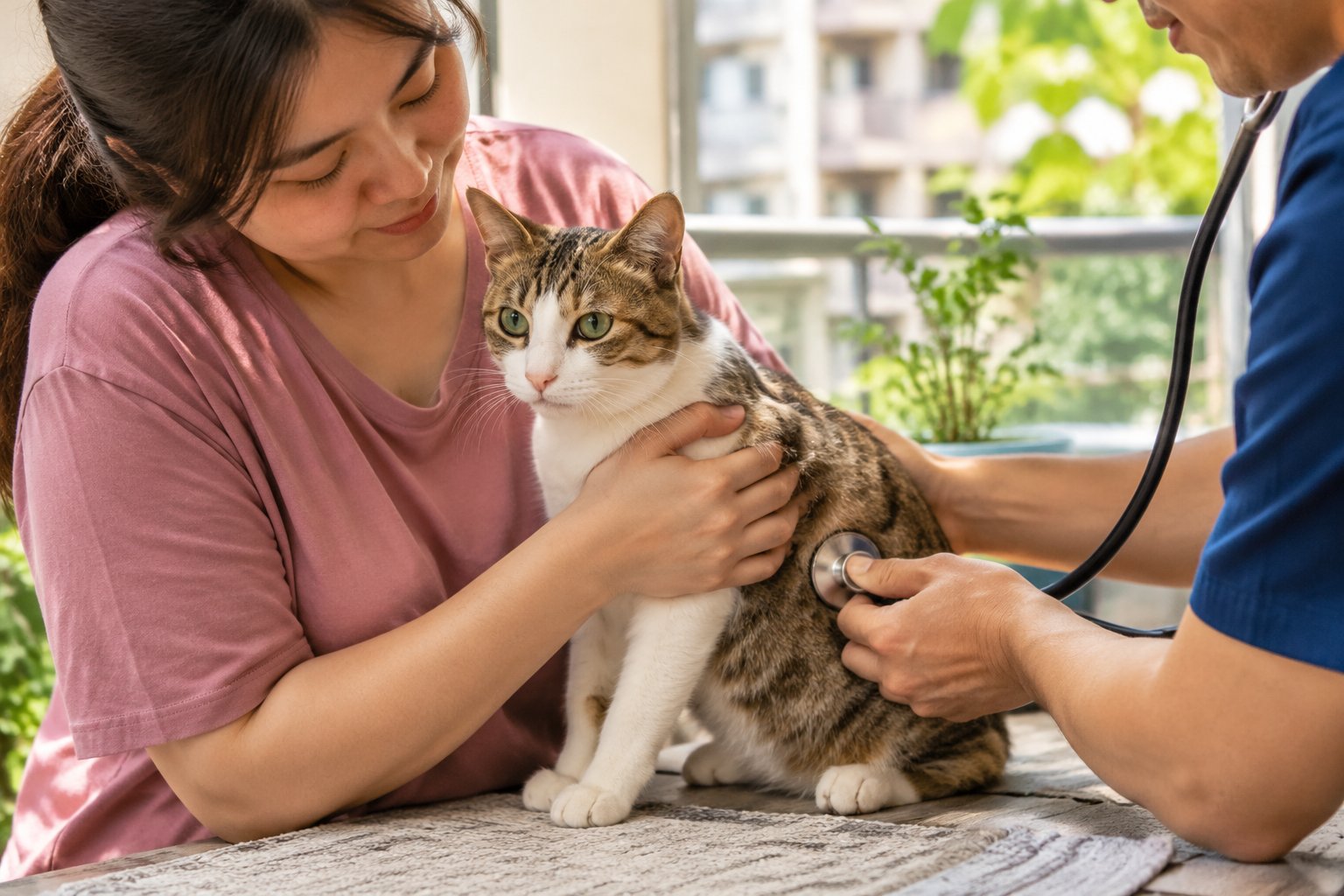
Chronic kidney disease (CKD) in cats is managed, not cured. At home, the pillars are a vet-prescribed renal diet, generous hydration, low-stress routines, consistent medication, and close monitoring of weight, appetite, water intake and litter box output. Pair this with veterinary check-ups every few months. Good home care can slow progression and keep a cat comfortable for years, especially when CKD is caught early.
This guide is written for Malaysian owners in apartments, terrace houses and landed homes, where heat, humidity and multi-cat households all affect how home care works in practice. It does not replace your vet. It gives you a structured plan to discuss with one.
Understand what CKD means for your cat
Kidneys filter waste, balance water and electrolytes, regulate blood pressure and produce hormones. When nephrons are lost, the remaining tissue compensates until roughly two-thirds of function is gone. That is why early CKD is often silent.
Vets stage CKD using blood and urine tests, commonly creatinine, symmetric dimethylarginine (SDMA), urine specific gravity and proteinuria, alongside blood pressure. Staging guides treatment: a cat at an early stage may need only diet and monitoring, while a later stage may need fluids, phosphate binders, anti-nausea drugs and appetite support.
Key concepts to understand:
- Phosphorus restriction. High blood phosphorus drives progression and makes cats feel unwell. Renal diets are restricted in phosphorus; some cats also need binders.
- Protein quality over quantity. Cats need protein, but poor-quality excess protein creates waste. Renal diets use highly digestible protein at controlled levels.
- Potassium. Some cats lose potassium and become weak; vets may supplement.
- Proteinuria. Protein in urine predicts faster progression; some cats need medication.
- Hypertension. High blood pressure damages kidneys and eyes; it is treatable.
- Anemia. Kidneys make erythropoietin; low red cells cause lethargy.
Ask your vet to explain your cat's stage, trend over time and which numbers matter most. Keep a folder of results so you can see direction, not just single values.
Build the right diet plan
Diet is the single most evidence-supported home intervention. Renal diets are formulated to restrict phosphorus, control protein quality, support potassium and provide calories in a small volume. Many cats accept them, but transition matters.
Transitioning to a renal diet
- Mix 10 to 20 percent renal food with the current food for two to three days.
- Increase by 10 to 20 percent every two to three days if stools stay normal and appetite holds.
- Warm wet food slightly to boost aroma; cats with CKD often have a reduced sense of smell.
- Offer both wet and dry if your cat prefers one texture; wet food adds water.
- If your cat refuses after two weeks, ask your vet about a different renal brand or a staged compromise.
Never starve a cat to force a diet change. Cats that stop eating for more than a day risk hepatic lipidosis, a serious liver condition. If intake drops, call your vet.
Wet versus dry food
| Factor | Wet renal diet | Dry renal diet |
|---|---|---|
| Water content | High, supports hydration | Low, requires more drinking |
| Palatability | Aromatic, often preferred | Some cats prefer crunch |
| Cost and storage | Higher per calorie; refrigerate after opening | Lower per calorie; easy to store |
| Dental effect | Minimal | Some mechanical cleaning |
| Best for | Cats with poor water intake or constipation | Cats who refuse wet food or need free-feeding |
Many owners feed a mix. The best diet is one your cat eats consistently and your vet approves. Local prices vary widely by brand and pack size, so ask a Malaysian vet or pet retailer for current options rather than assuming overseas prices.
Treats and toppers
Plain cooked egg white, small amounts of plain cooked chicken, and renal-specific treats are options. Avoid high-phosphorus foods such as organ meats, fish with bones, dairy and processed human foods. Ask your vet before adding any topper; some are high in phosphorus or salt.
Hydration: the daily priority
Cats with CKD lose water through dilute urine and are prone to dehydration. Good hydration supports kidney perfusion and helps prevent constipation.
Practical hydration checklist
- Feed wet food at least twice daily if possible.
- Place multiple water bowls in quiet spots, away from litter boxes and food.
- Use wide, shallow ceramic or stainless bowls; some cats dislike whisker contact.
- Try a pet fountain; moving water attracts many cats.
- Add a tablespoon of warm water to wet food and mix well.
- Offer ice cubes or a splash of tuna water (low salt) as a treat.
- In hot Malaysian weather, refresh bowls twice daily and watch for evaporation.
Subcutaneous fluids at home
If oral intake is not enough, your vet may prescribe subcutaneous fluids. This is common and safe when taught properly. A vet or nurse should show you:
- Needle gauge and length
- Volume per session and frequency
- Best sites (usually scruff or flank)
- How to warm fluids to body temperature
- How to check for swelling, leakage or discomfort
- Signs of fluid overload: laboured breathing, swelling, restlessness
Keep a log of dates, volumes and your cat's response. Never adjust the plan without your vet. Store fluids away from direct sun; Malaysian heat can degrade supplies left in a car or balcony.
Medication and supplement routines
CKD cats often take several medications. Consistency matters more than perfection.
- Phosphate binders are mixed into food. Give with meals; without food they do not bind dietary phosphorus.
- Potassium supplements may be gel or powder; mix thoroughly and watch for refusal.
- Anti-nausea drugs help appetite; give as prescribed, often before meals.
- Appetite stimulants may be used short-term; they are not a substitute for treating the cause.
- Blood pressure medication is usually once or twice daily; do not skip doses.
- Erythropoietin or similar for anemia is given by injection under veterinary direction.
Use a weekly pill organiser and a phone reminder. If your cat is difficult to pill, ask your vet about liquid formulations, transdermal gels or compounded options. Never crush tablets unless your vet confirms it is safe; some are bitter or extended-release.
Monitor at home like a nurse
Small changes are easier to catch with simple records. Keep a notebook or phone note.
Weekly monitoring checklist
- Weight: weigh weekly on a baby scale or at the vet. Loss of more than a few percent body weight warrants a call.
- Appetite: note how much is eaten and any skipped meals.
- Water intake: estimate bowls emptied; sudden increases or decreases matter.
- Litter box: count urine clumps and stools; note size, colour and any blood.
- Vomiting: record frequency and whether it is food, bile or hairball.
- Behaviour: watch for hiding, reduced grooming, weakness or confusion.
- Mouth: check for ulcers, bad breath or drooling.
Using litter box output
Urine output is a vital sign. A cat producing large volumes of dilute urine may be drinking more to compensate. A cat producing little or no urine is an emergency. Clumping litter makes counting easy; avoid covered boxes if you need to monitor closely.
Reduce stress and support quality of life
CKD cats are often older and less resilient. Stress reduces appetite and worsens outcomes.
- Keep routines predictable: same feeding times, same litter type, same sleeping spots.
- Provide warm, soft resting places; older cats lose muscle and feel the cold, even in the tropics if air-conditioning is strong.
- Use ramps or low-sided litter boxes if jumping becomes hard.
- Keep food and water away from noisy areas and other pets.
- In multi-cat homes, feed separately so the CKD cat is not bullied away from food.
- Groom gently; CKD cats may stop grooming and develop mats.
- Offer gentle play and quiet companionship.
Quality of life is not only about numbers. Track good days and bad days. If bad days outnumber good ones, discuss palliative care and humane options with your vet.
Malaysian home practicalities
Heat and hydration
In a Kuala Lumpur apartment, air-conditioning can dry out the air and reduce drinking. Place water bowls in several rooms, including near sleeping spots, and refresh them daily. In a Penang rainy season, humidity rises and wet food spoils faster; discard uneaten wet food after 30 to 60 minutes.
Multi-cat households
In a Johor terrace house with several cats, the CKD cat may be pushed away from food or water. Set up separate feeding stations and a quiet room with its own litter box. Use microchip feeders if food stealing is a problem.
Travel and emergencies
Keep a small go-bag with medications, a copy of recent bloodwork, and your vet's contact number. If you travel, brief a trusted pet sitter in writing. Power cuts are common in storms; have a plan for refrigerated medications and a backup water supply.
When to see a vet
Contact your vet promptly if you notice:
- Not eating for more than 24 hours
- Repeated vomiting or diarrhoea
- Sudden weight loss
- Marked increase or decrease in drinking or urination
- Weakness, wobbliness or collapse
- Bad breath, mouth ulcers or drooling
- Sunken eyes, tacky gums or skin that stays tented (dehydration)
- Seizures, confusion or sudden blindness
- Breathing difficulty or swelling after fluids
These signs can indicate advanced kidney failure, electrolyte imbalance, hypertension or another emergency. Do not wait for a scheduled check-up.
A sample daily routine
| Time | Task |
|---|---|
| Morning | Fresh water in all bowls; offer wet renal food; give morning medications |
| Midday | Check litter box; note urine and stool; offer a small wet meal or water |
| Evening | Second main meal with phosphate binder if prescribed; play and grooming |
| Night | Refresh water; give evening medications; quick weight and behaviour check weekly |
Adapt this to your cat and vet's plan. The goal is consistency, not rigidity.
Working with your vet
Ask for a written plan covering diet, medications, fluid volumes, monitoring frequency and target weight. Request copies of bloodwork so you can track trends. If your cat is stable, check-ups every three to six months are typical; more often after changes. Bring your log to appointments; it helps your vet adjust treatment.
Cost and access in Malaysia
Costs vary by clinic, city and medication. Renal diets, fluids, needles and blood tests all add up. Ask your vet for a written estimate and discuss which items are essential versus optional. Local prices vary, so compare quotes from Malaysian vets and retailers rather than relying on overseas figures. Pet insurance may cover some costs; check your policy.
Final thoughts
Home care for feline CKD is a marathon, not a sprint. Focus on diet, hydration, comfort and monitoring. Celebrate small wins: a clean bowl, a steady weight, a good day. Your vet is your partner; call early rather than late.
Disclaimer: This article is general information for Malaysian cat owners and does not replace veterinary diagnosis or treatment. Always consult a licensed veterinarian about your cat's health.
Related reading
- Cat Health Guide Malaysia: Symptom Check, Red-Flag Triage & When to See a Vet
- Arthritis in Cats in Malaysia: Signs, Diagnosis and Home Care
- Blood Test for Cats in Malaysia: What It Checks, Costs and When You Need One
- Cat Arthritis Treatment in Malaysia: A Practical Owner's Guide
- Cat Excessive Thirst Treatment in Malaysia: What to Do When Your Cat Drinks Too Much
- Cat Excessive Urination Treatment in Malaysia: A Practical Guide for Owners
- Cat Trembling Treatment in Malaysia: Causes, Home Care and When to See a Vet
- Constipation Prevention for Cats: A Practical Guide for Malaysian Owners
- Dehydration in Cats in Malaysia: Signs, Causes and How to Help

