
PetChill Pet Encyclopedia
Cat Health

How to Treat Licking Wounds in Cats at Home: A Practical Guide for Malaysian Owners

Cats that lick a spot raw can turn a tiny nick into a weeping sore in days. This guide explains why cats over-groom, how to clean and protect a licking wound at home, how to use a cone or suit correctly, and the red flags that mean a vet visit is urgent.

Published: 2026-11-06·7 min read·Author: PetChill Editorial
How to Treat Licking Wounds in Cats at Home: A Practical Guide for Malaysian

💡 Quick Answer

Stop the licking first with a cone or recovery suit, then clean the wound gently with saline, keep it dry, and check it twice daily. Most surface wounds improve in 3–5 days. See a vet if the wound is deep, smells, swells, bleeds, or your cat stops eating.

The short answer

If your cat is licking a wound, the first job is not the cream — it is stopping the tongue. Cats have rough, barbed tongues, and constant licking turns a small scratch into a raw, weeping sore. At home, you can manage a superficial licking wound by blocking access with an Elizabethan collar or recovery suit, cleaning gently with saline, keeping the area dry, and checking it twice a day. You cannot safely treat deep, smelly, swollen or bleeding wounds at home. Those need a vet.

This guide walks through the whole cycle: why cats lick, how to assess the wound, what to do step by step, how to use a cone correctly, what not to put on the skin, and the red flags that mean you should stop home care and book a visit.

Why cats lick wounds in the first place

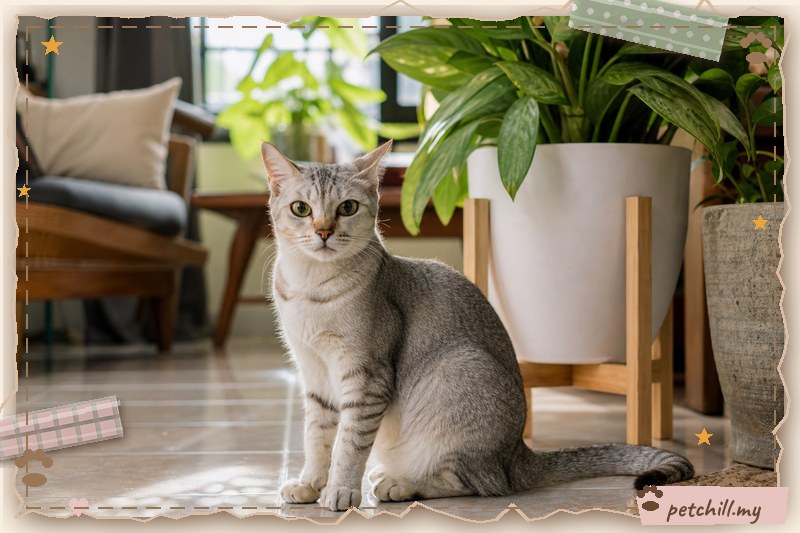
Licking is normal grooming behaviour. A cat licks to clean, to soothe, and sometimes to self-medicate. The problem starts when licking becomes repetitive and focused on one spot. There are several common drivers:

  • Itch from fleas, mites, allergies or dry skin.
  • Pain from a scratch, bite, thorn, or surgical incision.
  • Infection that makes the skin feel irritated.
  • Stress or boredom, which can lead to over-grooming.
  • Habit — the skin is already irritated, so the cat keeps returning to it.

Once the skin is broken, a loop begins: licking damages the surface, the damage causes more itch, and the cat licks more. Breaking that loop is the single most important thing you can do at home.
Why cats lick wounds in the first place

Step 1: Assess the wound before you touch it

Wash your hands first. Then look at the wound in good light. You are checking for size, depth, discharge, swelling and pain. Use this simple comparison table to decide whether home care is reasonable.

What you see What it likely means What to do
Small red patch, no broken skin Early over-grooming or mild irritation Stop licking, monitor daily
Shallow scratch, dry, no pus Surface wound Clean with saline, cone, monitor
Moist, hairless, pink or red sore Licking wound (hot spot) Cone, gentle cleaning, vet if not improving in 2–3 days
Yellow or green discharge, smell Likely infection See a vet
Swelling, heat, pain when touched Infection or deeper damage See a vet promptly
Deep cut, bleeding, exposed tissue Emergency See a vet immediately
Wound near eye, mouth, or anus High-risk area See a vet

If you are unsure, treat it as the more serious option. It is always safer to have a vet look at a wound than to guess.

Step 2: Stop the licking cycle

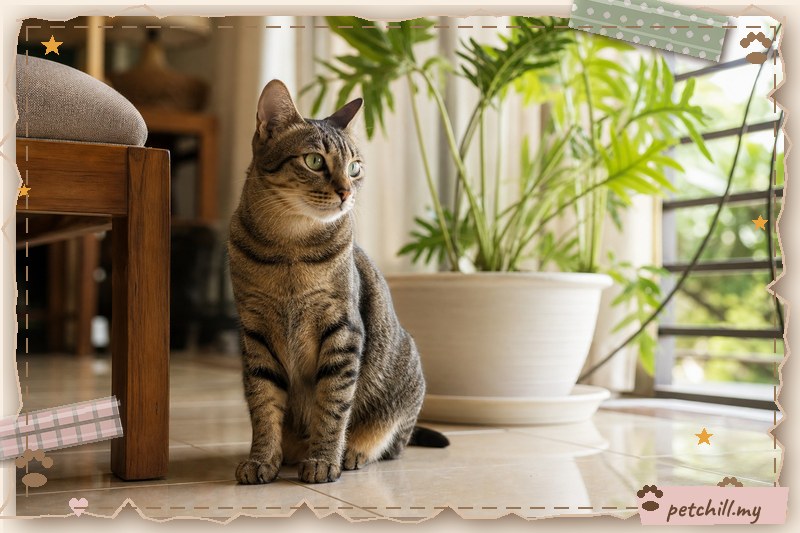
No home treatment works if your cat can still reach the wound. You have three main options:

  1. Elizabethan collar (cone). The most reliable way to block licking. Choose a soft or fabric cone for comfort, but make sure it extends past the nose so the cat cannot reach the wound.
  2. Recovery suit or medical pet shirt. Quieter and less stressful for some cats, and allows normal eating and drinking. Check daily that the fabric is clean and that the cat cannot lick through or around it.
  3. A clean baby onesie or sock for paw wounds, only if it fits snugly without restricting movement. Change it if it gets wet or dirty.

Whichever you choose, the rule is simple: the wound stays covered or blocked until the skin is no longer raw. That usually means several days, sometimes longer.

Using a cone correctly

  • Make sure the cat can still eat, drink and reach the litter tray.
  • Check the neck fit — you should be able to slip two fingers under the strap, no more.
  • Wipe the inside of the cone daily; food and saliva build up.
  • Remove the cone only under supervision, and only if your cat will not lick.
  • Some cats become stressed by cones. If yours stops eating or becomes withdrawn, ask your vet about a suit instead.
Step 2: Stop the licking cycle

Step 3: Clean the wound gently

For a superficial wound, gentle cleaning is enough. You do not need a cabinet full of products.

What to use:

  • Sterile saline (0.9% sodium chloride) — the safest everyday choice.
  • Cooled boiled water if saline is not available.
  • Clean gauze or cotton pads — not cotton wool, which leaves fibres in the wound.

What to do:

  1. Wash your hands.
  2. Soak a gauze pad in saline.
  3. Dab — do not scrub — from the centre of the wound outward.
  4. Use a fresh pad for each wipe.
  5. Pat dry with clean gauze.
  6. Leave the wound open to air unless your vet has advised a dressing.

Clean once or twice a day. More frequent cleaning can irritate the skin.

What NOT to put on a licking wound

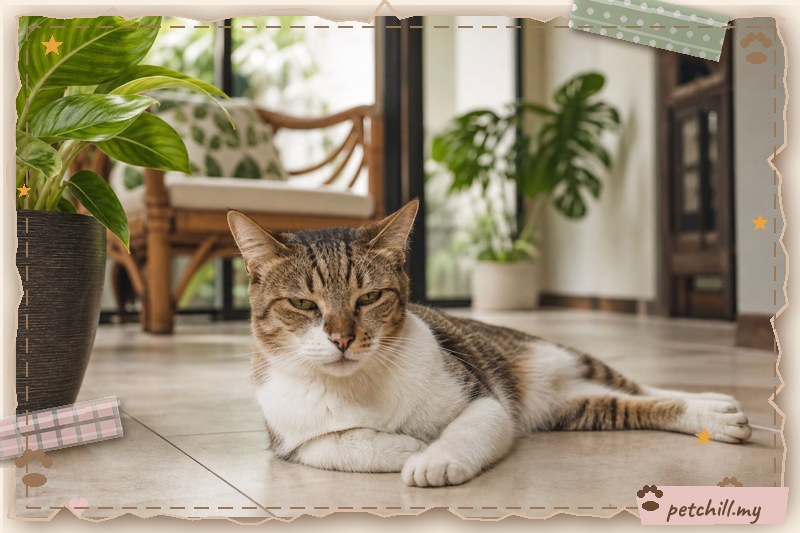
This is where many home treatments go wrong. Cats lick off whatever you apply, so anything you put on the skin can end up in the mouth.

Avoid:

  • Human antiseptic creams and ointments — many contain ingredients that are not safe for cats.
  • Alcohol, hydrogen peroxide, or iodine — these damage healing tissue and sting.
  • Tea tree oil, eucalyptus, or essential oils — toxic to cats.
  • Human painkillers — never give these; some are fatal to cats.
  • Powders or sprays not approved for cats — ask your vet first.

If you want to use a product, ask your vet or a pharmacist who knows veterinary medicines. A Malaysian vet can recommend a cat-safe option for your specific wound.
What NOT to put on a licking wound

Step 4: Keep the area dry and clean

Moisture encourages infection and slows healing. In Malaysia's humid climate, this matters even more.

  • Keep the wound away from water bowls, wet floors and rain.
  • If your cat goes outside, keep it indoors until the wound has healed.
  • Change bedding daily and wash it in a pet-safe detergent.
  • Do not bathe your cat until the wound is fully closed.
  • For indoor cats in Kuala Lumpur apartments, watch for damp spots near air-conditioning units and bathrooms.

Step 5: Monitor twice a day

Take a photo each morning. Photos are more reliable than memory, especially when you are checking the same spot every day.

Good signs:

  • The redness fades.
  • The wound dries and scabs.
  • Hair starts to grow back at the edges.
  • Your cat is eating, drinking and behaving normally.

Warning signs:

  • The wound gets bigger or deeper.
  • Discharge appears or changes colour.
  • The area becomes swollen, hot or painful.
  • Your cat licks through the cone or suit.
  • Your cat stops eating, hides, or seems unwell.

If you see warning signs, stop home care and contact a vet.
Step 5: Monitor twice a day

Step 6: Address the underlying cause

A licking wound will keep coming back if you only treat the surface. Think about why your cat started licking.

  • Fleas: check for flea dirt and treat all pets in the house with a cat-safe product.
  • Allergies: food or environmental allergies can cause itchy skin. A vet can help investigate.
  • Stress: changes at home, new pets, or boredom can trigger over-grooming. Try more play, scratching posts and routine.
  • Pain: arthritis or an old injury can make a cat lick a joint. A vet can assess.
  • Skin infection: ringworm or bacterial infection needs specific treatment.

In Malaysia, humid weather and frequent rain can worsen skin problems. Penang's rainy season, for example, means more damp fur and more skin irritation for outdoor-access cats. Drying your cat thoroughly after wet weather helps.

A simple home-care checklist

Use this checklist each day:

  • Hands washed before and after handling the wound.
  • Cone or suit on and fitting correctly.
  • Wound cleaned once or twice with saline.
  • Wound photographed.
  • Appetite, drinking and litter tray habits noted.
  • Bedding changed.
  • No human creams or oils applied.
  • Flea treatment up to date.
  • Cat kept indoors.

When to see a vet

Home care is only for minor, superficial wounds. See a vet if:

  • The wound is deep, gaping, or bleeding.
  • There is pus, a bad smell, swelling or heat.
  • The wound is near the eye, mouth, anus or a joint.
  • Your cat is lame, crying, hiding, or off food.
  • The wound is not improving after 3–5 days of good home care.
  • Your cat keeps licking despite the cone or suit.
  • You are unsure about anything.

In Malaysia, your nearest veterinary clinic can assess the wound, clean it properly, and prescribe cat-safe medication if needed. Prices vary, so ask your vet for an estimate before treatment.

A note on costs and products in Malaysia

Prices for cones, recovery suits, saline and veterinary care vary between clinics and pet shops. This guide does not quote prices because they change and differ by location. Ask your local vet or retailer for current costs. International brands are available in many Malaysian pet shops, but always check that a product is labelled safe for cats.

Prevention: stopping the next licking wound

  • Keep flea treatment consistent.
  • Groom your cat regularly and check the skin.
  • Provide scratching posts and playtime to reduce stress.
  • Dry your cat after rain or bathing.
  • Book a vet check if you notice repeated licking in the same spot.

Final word

Licking wounds are common, and most superficial ones heal well with simple home care — but only if you stop the licking first. Use a cone or suit, clean gently with saline, keep the area dry, and monitor daily. Know the red flags, and do not hesitate to see a vet. Your cat's skin will thank you.

This article is general information only and is not a substitute for veterinary advice. Always consult a licensed veterinarian for diagnosis and treatment of your cat's wound.

Frequently Asked Questions

📌 Key Takeaways

  • This article covers: The short answer, Why cats lick wounds in the first place, Step 1: Assess the wound before you touch it, Step 2: Stop the licking cycle, Step 3: Clean the wound gently, and more
  • Jump to any section via the table of contents for the key details
  • If in doubt, consult a registered veterinarian

Explore this topic cluster

This guide belongs to a Malaysia-focused topic cluster. Read the pillar guide and related articles.

View cluster →

📚 Cat Health article index

This article is part of the Cat Health topic cluster. Explore related articles:

⭐ Pillar guide: Cat Health complete guideBlood Test for Cats in Malaysia: What It Checks, Costs and When You Need One→ ReadBlood Test for Cats Step by Step: What Happens at the Clinic→ ReadBlood Test for Cats: What to Expect (Malaysian Owner's Guide)→ ReadCat Constipation Treatment in Malaysia: A Practical Owner's Guide→ ReadCat Dental Pain Treatment in Malaysia: A Practical Owner's Guide→ ReadCat Diarrhea Treatment in Malaysia: A Practical Owner's Guide→ ReadCat Ear Mites Treatment in Malaysia: A Complete Owner's Guide→ ReadCat Eye Infection Treatment in Malaysia: A Practical Owner's Guide→ ReadCat Fleas Treatment in Malaysia: A Practical Owner's Guide→ ReadCat Hair Loss Treatment in Malaysia: A Practical Owner's Guide→ ReadCat Licking Wounds: Why It Happens and How to Treat It in Malaysia→ ReadCat Poisoning Treatment in Malaysia: What to Do, What to Expect, and How to Prevent It→ ReadCat Ringworm Treatment in Malaysia: A Practical Owner's Guide→ ReadCat Skin Fungus Treatment in Malaysia: A Practical Owner's Guide→ ReadCat Sneezing Blood: Causes, Treatment and When to See a Vet in Malaysia→ ReadCat Vomiting Treatment in Malaysia: What to Do and When to See a Vet→ ReadCat Weight Loss Treatment in Malaysia: A Practical Guide for Owners→ ReadCat Worms Treatment in Malaysia: A Practical Owner's Guide→ ReadChocolate Poisoning and Cats in Malaysia: What Every Owner Should Know→ ReadConstipation in Cats: Causes, Care and When to See a Vet in Malaysia→ ReadConstipation in Cats in Malaysia: Causes, Signs and What to Do→ ReadConstipation Prevention for Cats: A Practical Guide for Malaysian Owners→ ReadDental Pain in Cats: Causes, Signs and Care (Malaysia Guide)→ ReadDental Pain in Cats in Malaysia: Signs, Causes and What to Do→ ReadDental Pain Prevention for Cats: A Practical Malaysian Guide→ ReadDeworming Schedule for Cats in Malaysia: A Practical, Vet-Led Guide→ ReadDeworming Schedule for Cats: A Step-by-Step Plan for Malaysian Owners→ ReadDeworming Schedule for Cats: What to Expect (Malaysia Guide)→ ReadDiarrhea in Cats: Causes and Care (Malaysian Owner's Guide)→ ReadDiarrhea in Cats in Malaysia: Causes, Home Care and When to See a Vet→ ReadDiarrhea Prevention for Cats: A Practical Guide for Malaysian Owners→ ReadE-Collar Recovery for Cats in Malaysia: A Practical Guide for Owners→ ReadE-Collar Recovery for Cats Step by Step: A Practical Guide for Malaysian Owners→ ReadE-Collar Recovery for Cats: What to Expect (Malaysia Guide)→ ReadEar Mites in Cats: Causes and Care (Malaysia Guide)→ ReadEar Mites in Cats in Malaysia: Signs, Treatment and Prevention→ ReadEar Mites Prevention for Cats: A Practical Malaysian Guide→ ReadElectrical Cables and Cats in Malaysia: A Practical Safety Guide→ ReadEye Infection in Cats: Causes and Care (Malaysia Guide)→ ReadEye Infection in Cats in Malaysia: Causes, Signs, Treatment & Prevention→ ReadEye Infection Prevention for Cats: A Practical Malaysian Guide→ ReadFans and Air Conditioning for Cats in Malaysia: A Practical Comfort Guide→ ReadFlea Treatment for Cats in Malaysia: A Complete Guide→ ReadFlea Treatment for Cats Step by Step: A Practical Malaysian Guide→ ReadFlea Treatment for Cats: What to Expect (Malaysia Guide)→ ReadFleas in Cats: Causes and Care (Malaysia Guide)→ ReadFleas in Cats in Malaysia: Signs, Treatment and Prevention→ ReadFleas Prevention for Cats in Malaysia: A Practical, Year-Round Plan→ ReadGiving Pills for Cats in Malaysia: A Stress-Free Step-by-Step Guide→ ReadGiving Pills for Cats Step by Step: A Calm, Practical Guide for Malaysian Owners→ ReadGiving Pills for Cats: What to Expect (Malaysian Owner's Guide)→ ReadHair Loss in Cats: Causes and Care (Malaysian Owner's Guide)→ ReadHair Loss in Cats in Malaysia: Causes, Home Checks and When to See a Vet→ ReadHair Loss Prevention for Cats: A Practical Grooming and Health Guide→ ReadHousehold Cleaning Products and Cats in Malaysia: A Safety Guide→ ReadHow to Prevent Chocolate Poisoning Around Cats: A Practical Guide for Malaysian Homes→ ReadHow to Prevent Electrical Cables Around Cats: A Practical Safety Guide for Malaysian Homes→ ReadHow to Prevent Fan and Aircond Problems Around Cats: A Malaysian Home Guide→ ReadHow to Prevent Household Cleaning Products Around Cats: A Practical Safety Guide for Malaysian Homes→ ReadHow to Prevent Lily Poisoning Around Cats: A Practical Safety Guide for Malaysian Homes→ ReadHow to Prevent Open Windows Around Cats: A Practical Safety Guide for Malaysian Homes→ ReadHow to Prevent Paracetamol Poisoning Around Cats: A Malaysian Safety Guide→ ReadHow to Prevent Plastic Bags Around Cats: A Practical Safety Guide for Malaysian Homes→ ReadHow to Treat Constipation in Cats at Home: A Practical Malaysian Guide→ ReadHow to Treat Dental Pain in Cats at Home: Safe Relief and When to See a Vet→ ReadHow to Treat Diarrhea in Cats at Home: A Practical Malaysian Guide→ ReadHow to Treat Ear Mites in Cats at Home: A Practical Malaysian Guide→ ReadHow to Treat Eye Infection in Cats at Home: Safe Steps for Malaysian Owners→ ReadHow to Treat Fleas in Cats at Home: A Practical Malaysian Guide→ ReadHow to Treat Hair Loss in Cats at Home: A Practical Malaysian Guide→ ReadHow to Treat Poisoning in Cats at Home: First Aid, Safe Steps and When to Rush to the Vet→ ReadHow to Treat Ringworm in Cats at Home: A Practical Guide for Malaysian Owners→ ReadHow to Treat Skin Fungus in Cats at Home: A Practical Malaysian Guide→ ReadHow to Treat Sneezing Blood in Cats at Home: Safe First Steps for Malaysian Owners→ ReadHow to Treat Vomiting in Cats at Home: A Practical Malaysian Guide→ ReadHow to Treat Weight Loss in Cats at Home: A Practical Guide for Malaysian Owners→ ReadHow to Treat Worms in Cats at Home: A Practical, Safe Guide for Malaysian Owners→ ReadLicking Wounds in Cats: Causes and Care (Malaysian Vet Guide)→ ReadLicking Wounds in Cats Malaysia: When It's Normal and When to Stop It→ ReadLicking Wounds Prevention for Cats: How to Stop the Lick Cycle and Let Skin Heal→ ReadLily Poisoning and Cats in Malaysia: Why Every Petal Is an Emergency→ ReadOpen Windows and Cats in Malaysia: How to Keep Your Cat Safe Without Locking Up the House→ ReadParacetamol Poisoning in Cats in Malaysia: Why Even One Tablet Can Be Deadly→ ReadPlastic Bags and Cats in Malaysia: Why They're Dangerous and How to Keep Your Cat Safe→ ReadPoisoning in Cats: Causes, Symptoms and Care (Malaysia Guide)→ ReadPoisoning in Cats in Malaysia: Common Toxins, Signs and What to Do→ ReadPoisoning Prevention for Cats in Malaysia: A Room-by-Room Safety Guide→ ReadRingworm in Cats: Causes, Symptoms and Care (Malaysia Guide)→ ReadRingworm in Cats in Malaysia: Signs, Treatment and Prevention→ ReadRingworm Prevention for Cats in Malaysia: A Practical, Vet-Informed Guide→ ReadSigns of Constipation in Cats in Malaysia: What to Watch For and When to Act→ ReadSigns of Dental Pain in Cats in Malaysia: What Owners Miss→ ReadSigns of Diarrhea in Cats in Malaysia: What's Normal, What's Not→ ReadSigns of Ear Mites in Cats in Malaysia: How to Spot, Treat and Prevent Them→ ReadSigns of Eye Infection in Cats in Malaysia: What Owners Should Look For→ ReadSigns of Fleas in Cats in Malaysia: How to Spot, Check and Act→ ReadSigns of Hair Loss in Cats in Malaysia: What to Look For and When to Worry→ ReadSigns of Licking Wounds in Cats Malaysia: How to Spot Problem Licking→ ReadSigns of Poisoning in Cats in Malaysia: What to Watch For and What to Do→ ReadSigns of Ringworm in Cats in Malaysia: What Owners Should Look For→ ReadSigns of Skin Fungus in Cats in Malaysia: How to Spot Ringworm Early→ ReadBlood in a Cat's Sneeze: Signs, Causes and What to Do in Malaysia→ ReadSigns of Vomiting in Cats in Malaysia: What's Normal, What's Not, and When to See a Vet→ ReadSigns of Weight Loss in Cats in Malaysia: What to Watch For and When to Worry→ ReadSigns of Worms in Cats in Malaysia: What Owners Should Look For→ ReadSkin Fungus in Cats: Causes, Signs and Care (Malaysia Guide)→ ReadSkin Fungus in Cats in Malaysia: Ringworm Signs, Treatment and Prevention→ ReadSkin Fungus Prevention for Cats: A Practical Guide for Malaysian Homes→ ReadSneezing Blood in Cats: Causes and Care (Malaysia Guide)→ ReadSneezing Blood in Cats in Malaysia: Causes, What to Do, and When to See a Vet→ ReadSneezing Blood Prevention for Cats: Causes, Care and When to Worry→ ReadSterilization for Cats in Malaysia: A Complete Guide for Owners→ ReadSterilization for Cats Step by Step: A Malaysian Owner's Guide→ ReadSterilisation for Cats: What to Expect (Malaysian Owner's Guide)→ ReadUltrasound for Cats in Malaysia: What It Is, When It's Needed, and What to Expect→ ReadUltrasound for Cats Step by Step: What Happens, What It Costs, and How to Prepare→ ReadUltrasound for Cats: What to Expect (Malaysian Owner's Guide)→ ReadVaccination Side Effects for Cats in Malaysia: What's Normal, What's Not→ ReadVaccination Side Effects for Cats: A Step-by-Step Guide for Malaysian Owners→ ReadCat Vaccination Side Effects: What Malaysian Owners Should Expect→ ReadVomiting in Cats: Causes and Care (Malaysia Guide)→ ReadVomiting in Cats in Malaysia: When It's Normal and When to Worry→ ReadVomiting Prevention for Cats: A Practical Guide for Malaysian Owners→ ReadWeight Loss in Cats: Causes and Care (Malaysian Vet Guide)→ ReadWeight Loss in Cats in Malaysia: Causes, Warning Signs and What to Do→ ReadWeight Loss Prevention for Cats: A Practical Malaysian Guide→ ReadWorms in Cats: Causes and Care (Malaysia Vet Guide)→ ReadWorms in Cats in Malaysia: A Practical Owner's Guide→ ReadWorms Prevention for Cats in Malaysia: A Complete Guide→ ReadWound Care for Cats in Malaysia: A Practical Owner's Guide→ ReadWound Care for Cats Step by Step: A Practical Malaysian Guide→ ReadWound Care for Cats: What to Expect, Step by Step→ ReadX-Ray for Cats in Malaysia: What to Expect, Costs and Safety→ ReadX-Ray for Cats Step by Step: What Malaysian Owners Should Expect→ ReadX-Ray for Cats: What to Expect (Malaysian Owner's Guide)→ ReadArthritis Pet Care in Malaysia: A Practical Guide for Cats and Dogs→ ReadCat Arthritis in Malaysia: 5 Home Signs Your Cat Is in Pain — and What to Do→ ReadEarly Signs of Chronic Disease in Cats: 7 Daily Checks and a 4-Week Record Sheet→ ReadCat Chronic Kidney Disease in Malaysia: The Daily Care Routine That Actually Slows It Down→ ReadCat Constipation in Malaysia: The 48-Hour Rule, Red Flags and What Actually Helps→ ReadCat Dehydration in Malaysia: Home Skin-Turgor Test, 7 Causes and Emergency Signs→ ReadCat Heart Disease in Malaysia: Sleep Breathing Count, HCM Early Signs and When to Rush to the Vet→ ReadCat Kidney Disease in Malaysia: Early Signs, Prevention and Everyday Care→ ReadCat Pancreatitis in Malaysia: Symptoms, fPLI Testing, Treatment and Home Recovery→ ReadCat Ringworm in Malaysia: Signs, Treatment and Home Cleaning Guide→ ReadCat Symptom Checker Malaysia: 12 Common Signs and a Green-Amber-Red Triage Table→ ReadPet Deworming in Malaysia: How Often to Worm Your Cat or Dog→ ReadPet Gut Health in Malaysia: Probiotics, Food Transitions and Stool Troubles (Part 2)→ ReadCat Gut Health: Probiotics, Antibiotics and Food Transitions Explained (Malaysia)→ ReadPet Health Malaysia 2026: Common Cat and Dog Illnesses, Prevention Care and Vet Guidance→ ReadPet Insurance in Malaysia: How to Compare Plans Before You Sign→ ReadPet Poisoning at Home: Household Chemicals, Toxic Plants and When Not to Induce Vomiting (Malaysia)→ ReadPet Poisoning at Home: Household Chemicals, Insecticides and Toxic Plants (Malaysia, Part 1)→ ReadCat Chronic Disease Early Signs in Malaysia: 7 Daily Checks and a 4-Week Log→ ReadCat Health Guide Malaysia: Symptom Check, Red-Flag Triage & When to See a Vet→ ReadCat Ringworm in Malaysia: Symptoms, Treatment and Home Cleaning Guide→ ReadGut Health, Probiotics & Food Transition Part 2: Practical Malaysia Guide→ ReadPet Health in Malaysia: A Practical Prevention Guide for Cats and Dogs→ Read

Related products at PetChill

