
Answer first
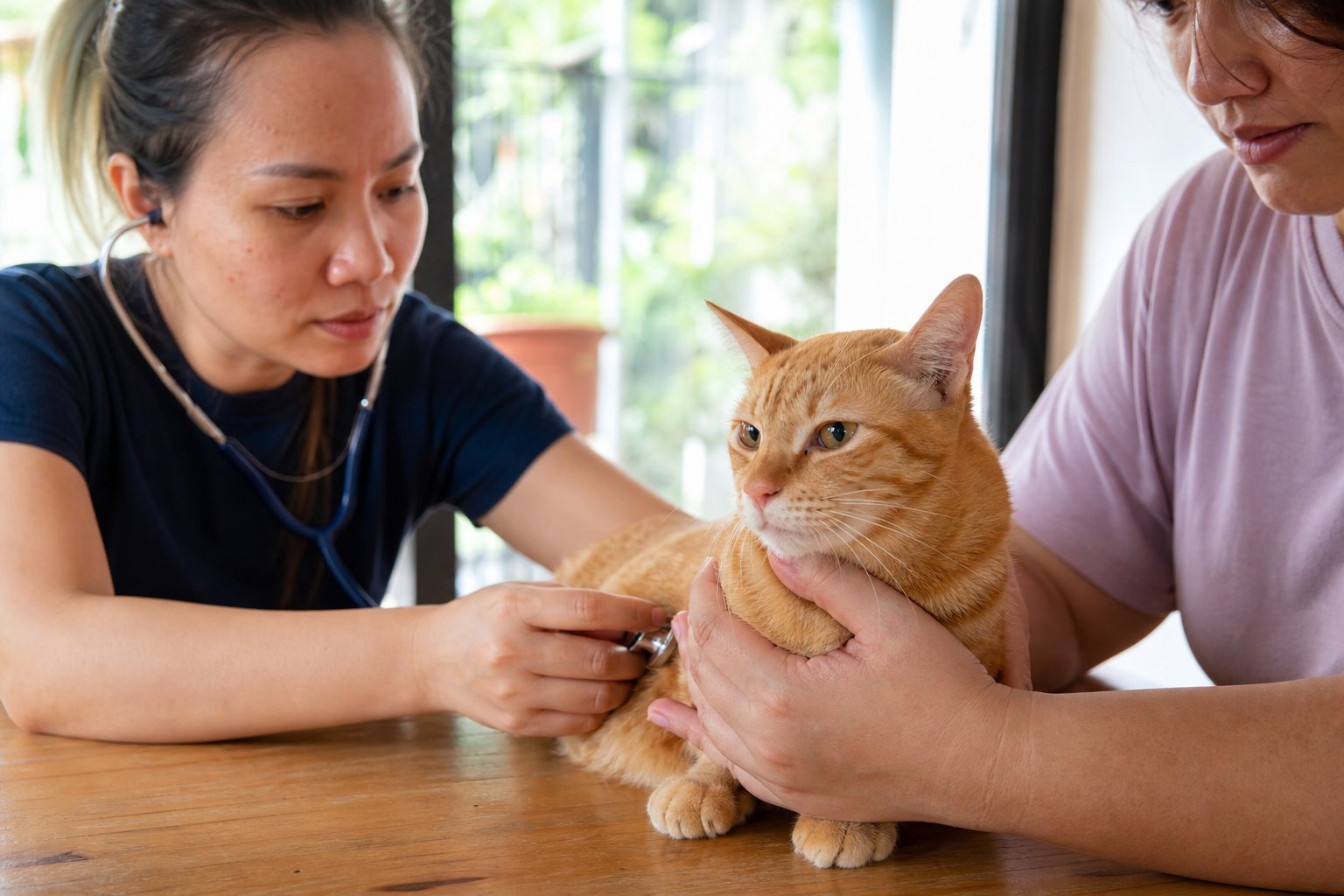
Skin fungus in cats is easier to prevent than to treat. Control humidity, clean bedding, check your cat weekly and act fast on early signs. This Malaysian guide covers ringworm prevention, household hygiene, diet, stress and a simple weekly checklist.
Why skin fungus matters in Malaysian homes
Malaysia's warm, humid climate is friendly to fungi. Dermatophytes that cause ringworm survive on shed hair and skin scales, and damp bedding, carpets and grooming tools can harbour them for months. Cats that stay indoors are not automatically safe: spores can arrive on shoes, hands, second-hand furniture or a new pet.
Fungal skin disease in cats is most often ringworm (dermatophytosis), but yeast overgrowth such as Malassezia can also cause itchy, greasy skin, especially in skin folds and ears. Prevention focuses on keeping the skin barrier healthy, reducing moisture and limiting exposure to infected animals and contaminated objects.
Some cats are at higher risk: kittens, senior cats, long-haired breeds, cats with allergies or chronic illness, and cats living in multi-cat homes or shelters. If your cat fits one of these groups, build prevention into your weekly routine rather than waiting for a problem.
Understand the enemy: what causes skin fungus
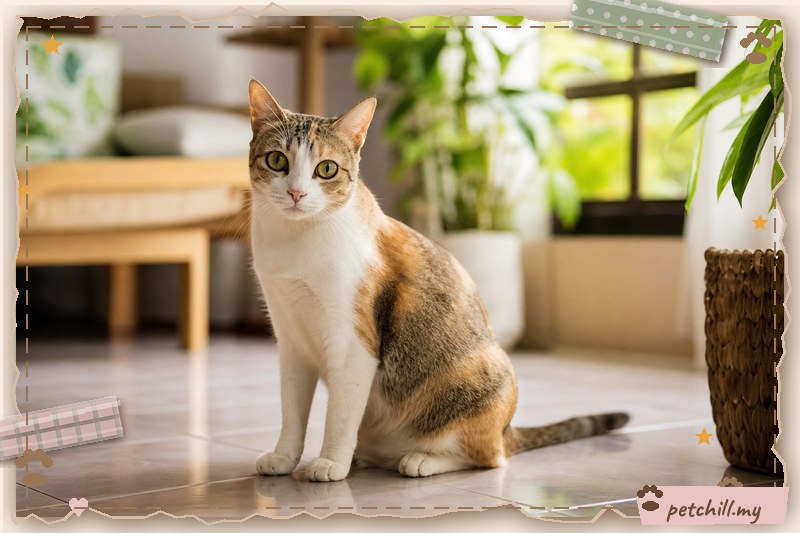
Fungal spores are hardy. They can sit in a brush, a cat bed or a carpet and infect a cat weeks later. Ringworm spreads by direct contact with an infected animal or indirectly through contaminated objects. Yeast overgrowth usually flares when the skin is moist, inflamed or the cat's immunity is lowered.
Risk factors you can influence include:
- Moisture: wet fur after a bath or rain, damp bedding, poorly ventilated rooms.
- Crowding: many cats sharing beds, bowls and scratching posts.
- Stress: moving house, new pets, loud renovations, inconsistent routines.
- Poor grooming: matted fur traps moisture and skin debris.
- Nutrition gaps: unbalanced home-cooked diets or sudden diet changes.
- Untreated skin disease: allergies and parasites damage the skin barrier.
Build a weekly prevention checklist
A short weekly routine catches problems early and keeps the environment less fungus-friendly. Print this checklist or save it on your phone.
| Task | Frequency | What to do |
|---|---|---|
| Full body check | Weekly | Part the fur and look for scaly patches, redness, crusts, bald spots or broken hairs. Check ears, paws, chin and tail base. |
| Grooming | 2–3 times weekly | Brush gently; remove loose hair and check for mats. Clean brushes after use. |
| Bedding wash | Weekly | Wash cat beds and blankets in hot water with a pet-safe detergent; dry completely in sun or a dryer. |
| Litter tray | Daily scoop, weekly wash | Remove waste daily; wash the tray weekly and dry fully before refilling. |
| Food and water bowls | Daily wash | Wash with hot soapy water; dry before refilling. |
| Humidity check | Weekly | Aim for comfortable indoor humidity; use ventilation or a dehumidifier in damp rooms. |
| Weight and appetite | Weekly | Note changes; poor appetite or weight loss can signal illness. |
| Parasite prevention | As advised | Follow your vet's flea and tick plan; parasites can damage skin. |
Control humidity and moisture at home
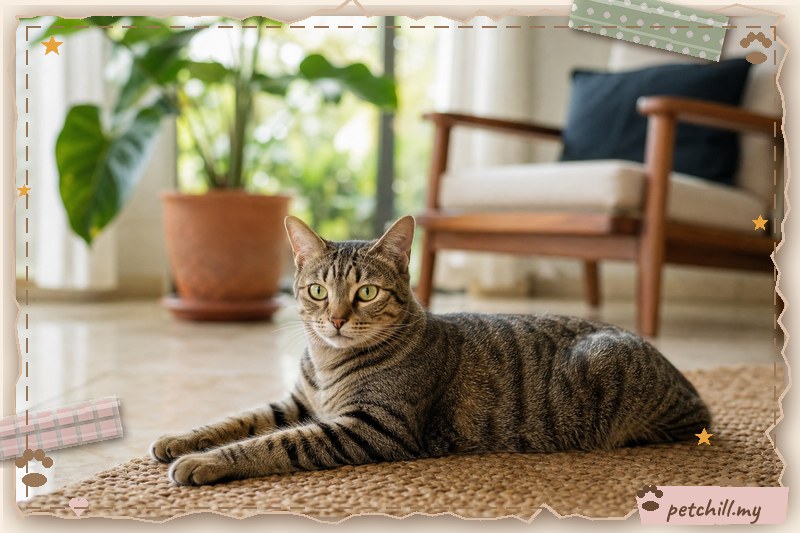
Fungi love damp conditions. In Malaysian homes, bathrooms, kitchens, laundry areas and closed-up rooms can stay humid for hours. Simple steps help:
- Open windows and use fans to improve airflow, especially after rain.
- Use exhaust fans in bathrooms and kitchens.
- Dry cat bedding in direct sun or a dryer; avoid storing bedding in damp cupboards.
- Wipe condensation from windows and walls.
- If a room feels damp, use a dehumidifier and empty it regularly.
- Dry your cat thoroughly after a bath or if it gets wet outdoors.
Long-haired cats need extra drying time. Towel-dry, then use a low-heat pet dryer if your cat tolerates it, or keep the cat in a warm, ventilated room until fully dry. Never leave a wet cat in an air-conditioned room for long periods.
Grooming and bathing without overdoing it
Grooming removes loose hair and skin scales that can harbour spores, and it lets you inspect the skin. Brush gently in the direction of hair growth, and use a fine-tooth comb around the face, ears and tail. Clean brushes weekly: remove hair, wash with soapy water, rinse and dry fully.
Bathe only as needed. Most healthy cats do not need frequent baths; every 4–8 weeks is enough for many, and some cats need less. Use a cat-specific shampoo recommended by your vet. If your cat has a history of skin problems, ask your vet before trying medicated shampoos. Always dry thoroughly, especially between toes, under the chin and around skin folds.
Do not share brushes, towels or bedding between cats unless they are known healthy and living together. If one cat has a skin issue, use separate grooming tools and wash hands after handling.

Clean the environment effectively
Environmental cleaning is a core part of prevention, especially after a suspected or confirmed fungal case. Spores can survive in the environment, so mechanical cleaning matters.
- Vacuum carpets, rugs and soft furniture regularly; empty the vacuum bag or canister outdoors.
- Wash hard floors with a pet-safe disinfectant; rinse and dry.
- Wash bedding, blankets and soft toys in hot water; dry completely.
- Wipe down scratching posts, carriers and food mats.
- Replace worn soft items that cannot be cleaned well.
- Keep the cat's sleeping area dry and away from damp walls.
If ringworm has been diagnosed in your home, ask your vet for a cleaning plan. Some disinfectants are not safe around cats, so read labels and follow instructions. Always rinse surfaces that cats lick or walk on.
Support skin immunity with diet and stress control
The skin is an organ, and its health depends on good nutrition and low stress. Feed a complete and balanced cat food appropriate for your cat's life stage. If you home-cook, work with a vet or pet nutritionist to avoid nutrient gaps.
Key nutrients for skin include protein, omega-3 fatty acids, zinc, vitamin A and B vitamins. Do not add supplements without veterinary advice; some vitamins are toxic in excess. Fresh water and a healthy weight also matter, because obesity makes grooming harder and can worsen skin fold problems.
Stress reduction is practical prevention. Keep routines predictable, provide hiding places and vertical space, and introduce new pets slowly. In multi-cat homes, ensure enough resources: one litter tray per cat plus one spare, separate feeding stations and multiple scratching posts. Pheromone diffusers may help some cats; ask your vet if you are unsure.
Handle new cats and multi-cat homes carefully
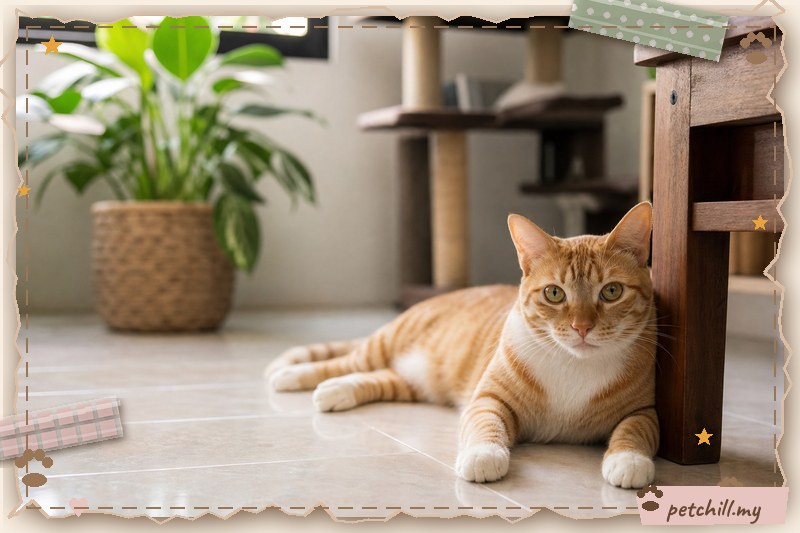
New cats can bring fungal spores. Before introducing a new cat, have it checked by a vet, especially if it came from a shelter, rescue or unknown background. Keep the new cat in a separate room for an initial period, use separate bowls and litter trays, and wash hands after handling.
If a cat develops a suspected fungal patch, isolate it from other cats until your vet advises otherwise. Do not let it share bedding or grooming tools. Treat the environment at the same time as the cat, because reinfection from contaminated objects is common.
Know the early signs and act fast
Early treatment is easier than treating a widespread infection. Watch for:
- Circular scaly patches with broken hairs or bald spots.
- Redness, crusts or dark spots on the skin.
- Itchy skin, especially around the head, ears, paws or tail base.
- Greasy or smelly skin, or waxy ears that do not improve.
- Excessive grooming or hair loss.
Take photos of any patch and note when it appeared. If the patch grows or spreads, or if your cat is itchy or unwell, see a vet. Do not apply human antifungal creams or random pet products without advice; some are ineffective or unsafe for cats.
When to see a vet
See a vet if your cat has a new bald patch, scaly or crusty skin, persistent itching, ear discharge, or skin changes that do not improve within a few days. Also seek veterinary advice if your cat is lethargic, off food, losing weight, or if you have other pets or immunocompromised people at home. A vet can examine the skin, use a Wood's lamp or fungal culture where appropriate, and prescribe safe treatment. Do not start or stop prescription medication without veterinary guidance.
A simple prevention plan for Malaysian homes
- Daily: scoop litter, check water, observe appetite and behaviour.
- Weekly: full body check, wash bedding, clean brushes, wipe surfaces, check humidity.
- Monthly: weigh your cat, review parasite prevention, inspect soft furnishings for damp or damage.
- Seasonally: deep-clean carpets and curtains, replace worn bedding, review ventilation during rainy periods.
In a Kuala Lumpur apartment, use exhaust fans and open windows when possible, and dry bedding on a balcony or in a dryer. In a Johor terrace house, check ground-floor rooms for damp after heavy rain and keep cat beds off cold floors. During the Penang rainy season, increase bedding washing and drying frequency, and dry your cat fully if it goes outdoors.
Comparison: prevention vs treatment
| Approach | Focus | Examples | When to use |
|---|---|---|---|
| [Prevention | Stop](/articles/licking-wounds-prevention-for-cats "mylink") fungus before it starts | Humidity control, weekly checks, clean bedding, balanced diet, stress reduction | Every cat, every week |
| Early action | Limit spread | Isolate suspected case, see vet, clean environment | First sign of a patch or itch |
| Treatment | Cure infection | Vet-prescribed topical or oral medication, medicated baths, rechecks | Confirmed or strongly suspected diagnosis |
Final thoughts
Skin fungus prevention for cats is mostly about consistent, boring habits: dry fur, clean bedding, good airflow, a healthy diet and a weekly skin check. Malaysian humidity makes drying and ventilation especially important, but small daily and weekly actions add up. If something looks wrong, see a vet early rather than trying random remedies.
This article provides general information and is not a substitute for veterinary advice. Always consult a licensed veterinarian for diagnosis and treatment of your cat.
Related reading
- Signs of Ear Mites in Cats in Malaysia: How to Spot, Treat and Prevent Them
- Cat Constipation Treatment in Malaysia: A Practical Owner's Guide
- Cat Diarrhea Treatment in Malaysia: A Practical Owner's Guide
- Cat Fleas Treatment in Malaysia: A Practical Owner's Guide
- Chocolate Poisoning and Cats in Malaysia: What Every Owner Should Know
- Diarrhea in Cats: Causes and Care (Malaysian Owner's Guide)

