
Fleas in cats: causes and care
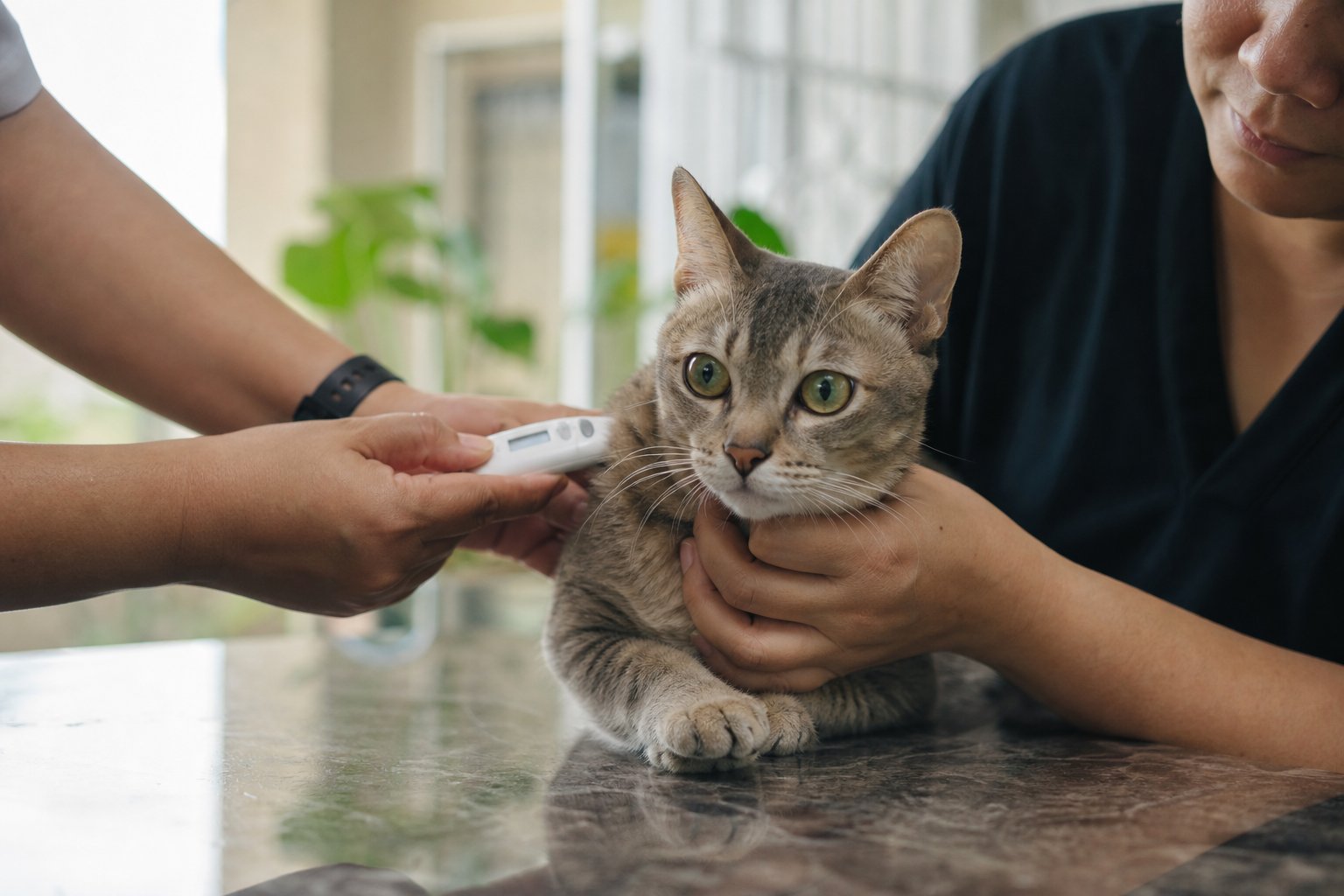
Fleas are small, wingless insects that feed on blood. They are a common problem for cats in Malaysia, where the warm, humid climate allows fleas to breed year-round. While fleas are annoying, they are also treatable and preventable. This guide explains why cats get fleas, how to recognise an infestation, and what you can do to protect your cat and your home.
Why do cats get fleas?
Fleas are caused by contact with infested animals or environments. The most common sources include:
- Other pets: If one pet has fleas, they can spread to others in the household.
- Strays and outdoor cats: Cats that go outside or meet other cats can pick up fleas.
- Contaminated environments: Fleas and their eggs can survive in bedding, carpets, and soil. Your cat can pick up fleas from places where infested animals have been.
- Human clothing and shoes: Fleas can hitch a ride indoors on your clothes or bags.
Even indoor cats can get fleas. Fleas can enter the home on other pets, on people, or through open windows. In Malaysia's climate, fleas can complete their life cycle quickly, so a small problem can become a large one if not addressed.
The flea life cycle
Understanding the flea life cycle helps you control infestations. The cycle has four stages:
- Eggs: Adult fleas lay eggs on the cat. Eggs fall off into the environment (bedding, carpet, soil).
- Larvae: Eggs hatch into larvae that live in the environment and feed on organic matter.
- Pupae: Larvae spin cocoons and become pupae. They can survive for months in the environment, protected from many treatments.
- Adults: Adult fleas emerge from cocoons, find a host, and start feeding and laying eggs.
Because pupae are resistant, treating only the cat is not enough. You must also treat the environment to break the cycle.
Signs your cat has fleas
Some cats are very itchy, while others show few signs. Common signs include:
- Scratching and biting: Especially around the neck, back, and tail base.
- Hair loss: Often in patches, due to scratching.
- Flea dirt: Small dark specks in the fur, which are flea faeces. If you place them on a damp paper towel, they turn reddish-brown.
- Live fleas: You may see small, fast-moving insects in the fur.
- Skin changes: Redness, crusts, or small bumps.
- Restlessness: Some cats seem uncomfortable or agitated.
In severe infestations, you might also see pale gums (anaemia) in kittens or weak cats, but this is less common.
Health risks of fleas
Fleas are not just an annoyance. They can cause health problems:
- Flea allergy dermatitis (FAD): Some cats are allergic to flea saliva. Even a few fleas can cause intense itching, hair loss, and skin infections.
- Anaemia: Heavy flea burdens can cause blood loss, especially in kittens or sick cats.
- Tapeworms: Fleas can carry tapeworm larvae. If a cat swallows a flea while grooming, it can become infected.
- Bartonella (cat scratch disease): Fleas can transmit bacteria that cause this disease, which can affect humans.
- Mycoplasma haemofelis: A blood parasite that can cause anaemia in cats.
These risks highlight the importance of flea control for your cat's health and your family's wellbeing.
How to check your cat for fleas
A simple at-home check can help you spot fleas early:
- Use a fine-toothed flea comb: Comb your cat's fur, especially around the neck, back, and tail base.
- Inspect the comb: Look for live fleas or dark specks (flea dirt).
- Check the skin: Part the fur to look for redness, crusts, or bumps.
- Repeat weekly: Regular checks help you catch infestations early.
If you find fleas, treat your cat and the environment promptly.
Safe flea treatment for cats
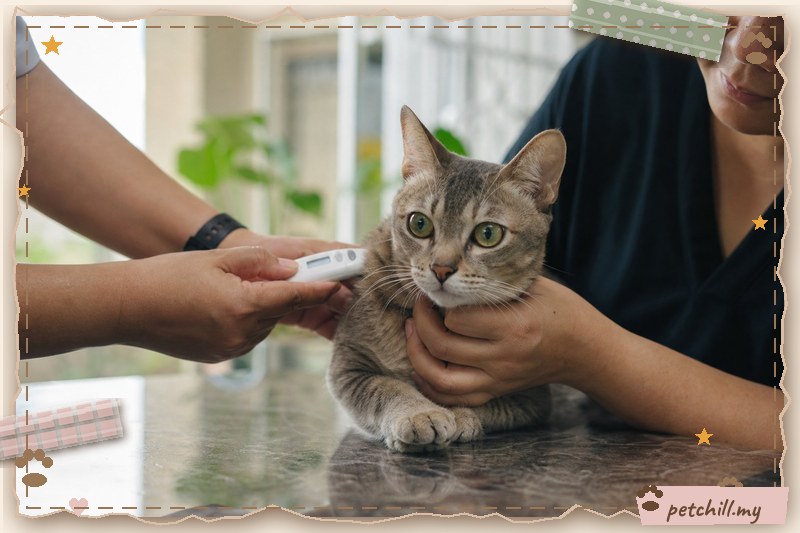
Never use dog flea products on cats. Some dog products contain permethrin, which is toxic to cats and can be fatal. Always read labels and consult your vet.
Flea treatment options include:
- Spot-on treatments: Applied to the skin between the shoulder blades. They are easy to use and effective.
- Oral medications: Tablets or chews that kill fleas. Some require a prescription.
- Flea collars: Can help prevent fleas, but effectiveness varies. Choose vet-approved brands.
- Shampoos: Kill fleas on contact but have no lasting effect. Useful for immediate relief but not for long-term control.
- Sprays: Can be used on cats and in the environment, but follow instructions carefully.
Your vet can recommend the best product for your cat based on age, weight, health status, and lifestyle. In Malaysia, many products are available, but local prices vary, so ask your vet or retailer for current costs.
Comparison of flea treatment types
| Treatment type | How it works | Pros | Cons |
|---|---|---|---|
| Spot-on | Applied to skin, absorbed | Easy, long-lasting | Some cats dislike application; wait 48 hours before bathing |
| Oral | Ingested, kills fleas | No residue, precise dosing | Requires swallowing; some cats resist |
| Collar | Releases insecticide | Convenient, long-lasting | May not cover all areas; check fit |
| Shampoo | Kills fleas on contact | Immediate relief | No residual effect; time-consuming |
| Spray | Applied to coat | Can treat large areas | Cats may fear spray; follow instructions |
Always consult your vet before starting any treatment, especially for kittens, pregnant cats, or cats with health issues.
Treating the home environment
Fleas spend most of their life cycle off the cat. To control an infestation, you must treat the environment:
- Wash bedding: Wash all pet bedding and blankets in hot water weekly.
- Vacuum thoroughly: Vacuum carpets, rugs, furniture, and crevices. Dispose of the vacuum bag or empty the canister immediately.
- Clean floors: Mop hard floors with a pet-safe cleaner.
- Use environmental products: Flea sprays or foggers can help, but follow instructions and keep pets away during application. Ask your vet for safe options.
- Outdoor areas: If your cat goes outside, treat kennels, catios, and sleeping areas. Keep the garden clear of debris where fleas might breed.
- Repeat: The flea life cycle can take weeks to months. Repeat cleaning and treatment regularly to catch newly emerged fleas.
In Malaysia's humid climate, fleas can survive indoors year-round, so consistent environmental control is key.
Preventing fleas in cats
Prevention is easier than treatment. Follow these steps:
- Use year-round flea prevention: Even indoor cats need protection. Choose a vet-recommended product and apply as directed.
- Treat all pets: If you have multiple pets, treat them all to prevent cross-infestation.
- Regular grooming: Comb your cat weekly to check for fleas.
- Keep your home clean: Vacuum and wash bedding regularly.
- Limit contact with strays: If your cat goes outside, supervise or keep them in a secure enclosure.
- Check yourself: After visiting areas with animals, check your clothing for fleas before entering your home.
Fleas in Malaysian homes: practical examples
- Kuala Lumpur apartment: Even in high-rise apartments, fleas can enter on clothing or via other pets. Regular vacuuming and year-round prevention are essential.
- Johor terrace house: With a garden, cats may have more outdoor access. Check your cat after outdoor time and treat outdoor sleeping areas.
- Penang rainy season: Humidity can rise, creating favourable conditions for fleas. Maintain prevention and dry bedding thoroughly.
When to see a vet
See a vet if your cat:
- Has severe itching, hair loss, or skin wounds.
- Seems unwell, lethargic, or has pale gums.
- Is a kitten, pregnant, or nursing.
- Has a known health condition.
- Does not improve after treatment.
A vet can diagnose the problem, rule out other skin conditions, and prescribe safe, effective treatment.
Frequently asked questions
What causes fleas in cats? Fleas come from contact with infested animals, bedding, or outdoor areas. Cats can pick up fleas from other pets, strays, or contaminated soil. Indoor cats can also get fleas if fleas enter the home on clothing or other animals.
How can I tell if my cat has fleas? Look for scratching, hair loss, and small dark specks (flea dirt) in the fur. You may see live fleas, especially around the neck and tail base. Some cats develop skin crusts or red bumps.
Are flea treatments safe for cats? Yes, when used as directed by a vet. Never use dog flea products on cats, as some are toxic. Ask your vet to recommend a product suitable for your cat's age, weight, and health.
Do indoor cats need flea treatment? Yes, indoor cats can still get fleas. Fleas can enter on clothing, other pets, or visitors. Regular preventive treatment is recommended, especially in warm climates where fleas thrive year-round.
How do I get rid of fleas in my home? Wash bedding in hot water, vacuum thoroughly, and use a vet-approved environmental product. Repeat cleaning regularly. Treat all pets in the household to break the flea life cycle.
When should I see a vet for fleas? See a vet if your cat has severe itching, skin wounds, hair loss, or seems unwell. Also consult a vet before using any flea product on kittens, pregnant cats, or cats with health conditions.
Vet disclaimer
This article provides general information and is not a substitute for veterinary advice. Always consult a licensed veterinarian for diagnosis and treatment tailored to your cat.
Local resources
- Department of Veterinary Services Malaysia: https://www.dvs.gov.my/
- Animal Passport (DVS): https://animalpassport.dvs.gov.my/portal-main/about-animal-passport
- SPCA Malaysia: https://www.spca.org.my/
- Malaysian Veterinary Council: https://mvc.gov.my/
Related reading
- Cat Ear Mites Treatment in Malaysia: A Complete Owner's Guide
- Cat Eye Infection Treatment in Malaysia: A Practical Owner's Guide
- Cat Worms Treatment in Malaysia: A Practical Owner's Guide
- Ear Mites in Cats: Causes and Care (Malaysia Guide)
- Ear Mites in Cats in Malaysia: Signs, Treatment and Prevention
- Eye Infection in Cats in Malaysia: Causes, Signs, Treatment & Prevention

