
PetChill Pet Encyclopedia
Cat Health

Cat Ear Mites Treatment in Malaysia: A Complete Owner's Guide

Ear mites are a common, highly contagious cause of itchy ears in cats. This guide explains the signs, the vet-led treatment plan, safe home cleaning and prevention for Malaysian homes.

Published: 2026-11-06Β·7 min readΒ·Author: PetChill Editorial
Cat Ear Mites Treatment in Malaysia: A Complete Owner''s Guide

πŸ’‘ Quick Answer

Cat ear mites are treated with vet-prescribed ear drops or spot-on medication that kills the mites and their eggs, usually repeated over several weeks. Clean visible debris gently, treat all pets in the home, wash bedding and see a vet if there is pain, discharge, head tilt or no improvement.

The short answer

Ear mites in cats are treated with prescription medication from a veterinarian, not with kitchen remedies. The vet confirms the diagnosis, cleans the ears if needed, prescribes drops or spot-on treatment that kills both mites and eggs, and sets a repeat schedule. You also need to treat every pet in the home and wash bedding. Most cases clear with consistent treatment over several weeks, but ear infections and allergies can look identical, so a proper diagnosis matters.

What ear mites are and why they spread so easily

Ear mites are tiny parasites that live on the skin surface inside the ear canal. They feed on skin debris and ear wax, and their presence triggers intense itching and inflammation. The mites are barely visible to the naked eye, but their waste and shed skins form the dark, crumbly debris owners often describe as coffee grounds.

They spread through direct contact between animals. A cat can pick them up from an infected cat during grooming, play, mating or sharing a bed. Because the mites are contagious, a single affected cat in a multi-cat home usually means every cat needs checking. Dogs can also carry cat ear mites for a short time, so dogs in the same home may need treatment too.

In Malaysia, the risk is not limited to outdoor cats. Mites can arrive with a newly adopted kitten, a cat returning from boarding, a visit to a groomer or a stray that has been taken in. Warm, humid conditions do not create ear mites, but they can make ear canals more hospitable to secondary yeast and bacteria, which complicates treatment.
What ear mites are and why they spread so easily

Signs your cat may have ear mites

The classic sign is persistent scratching at the ears, often with head shaking. Some cats rub their ears against furniture or the floor. Others hold one ear slightly lower or flick it repeatedly. You may notice dark debris inside the ear, a sour smell, or small scabs around the ear base from scratching.

Not every itchy ear is caused by mites. Bacterial infections, yeast infections, allergies, food sensitivity, ear polyps and foreign objects can produce similar signs. A cat with ear mites may also have a normal-looking ear canal in the early stages, which is why owners should not rely on appearance alone.

Sign Common with ear mites? Also seen with
Dark coffee-ground debris Yes, very common Yeast infection, wax build-up
Intense scratching and head shaking Yes Allergies, bacterial infection
Sour or musty ear smell Sometimes Yeast or bacterial infection
Red, swollen ear flap Sometimes Allergy, scratching trauma
Head tilt or loss of balance Less common Middle ear infection, polyp, neurological issue
Pus-like discharge Uncommon Bacterial infection, ruptured eardrum

If your cat has a head tilt, walks unsteadily, cries when the ear is touched or has bloody discharge, book a vet visit promptly. These signs suggest the problem may have moved beyond the outer ear or that the eardrum could be involved.

How vets diagnose ear mites

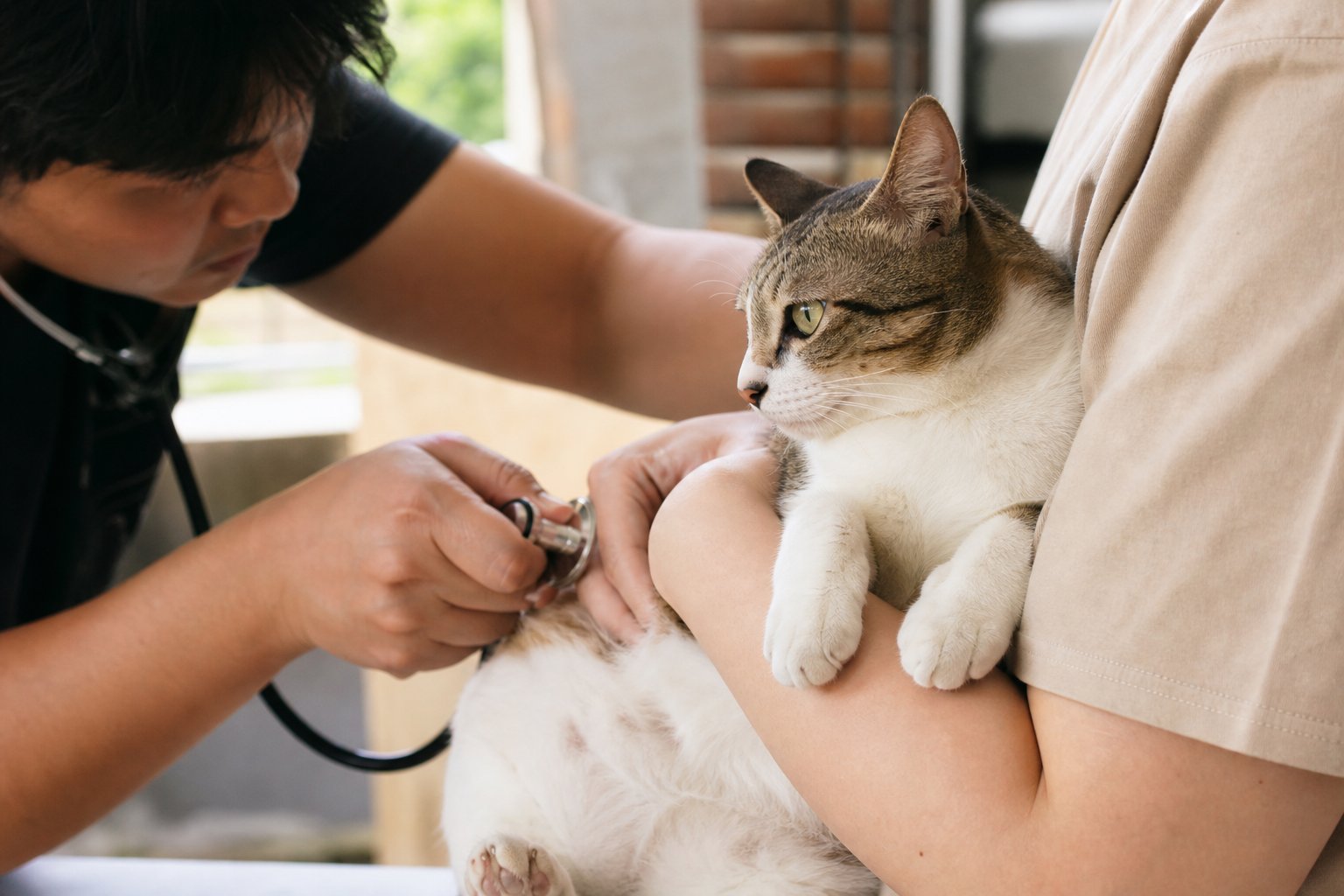
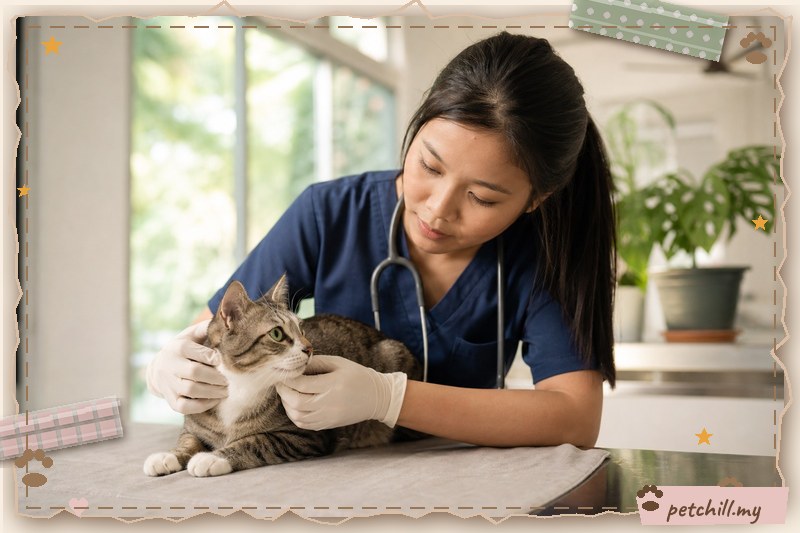
A vet will usually examine both ears with an otoscope, looking for mites, debris and damage to the ear canal or eardrum. They may take a sample of debris and examine it under a microscope. Seeing a live mite or mite eggs confirms the diagnosis. Even when mites are not directly seen, the history, age of the cat and typical debris pattern can support a presumptive diagnosis.

This step matters because some ear medications are safe only when the eardrum is intact. If the vet cannot see the eardrum clearly because of swelling or debris, they may clean the ear first or choose a product that is safe in those conditions. Never use a medication left over from another pet without asking your vet.
How vets diagnose ear mites

The treatment plan a Malaysian vet is likely to recommend

Treatment usually has three parts: kill the mites, relieve the inflammation and prevent reinfection. Your vet may prescribe ear drops, a spot-on product applied to the skin at the back of the neck, or an injectable medication in some cases. The choice depends on the cat's age, health, other parasites being treated and whether the eardrum is intact.

Ear drops are common. The vet or nurse will show you how to hold the ear flap, instil the drops and massage the base of the ear so the medication reaches the canal. Do not push a cotton bud deep into the ear. Clean only what you can see at the entrance, using a vet-approved cleaner.

Spot-on products are useful for cats that resist ear handling. They are applied between the shoulder blades and spread over the skin. Some products treat ear mites and other parasites at the same time, which can simplify care in multi-pet homes. Your vet will confirm the correct product for your cat's weight and age.

Repeat treatment is essential. Mite eggs survive some medications, so the schedule is designed to kill newly hatched mites before they can lay more eggs. A single dose is rarely enough. Follow the label and your vet's instructions exactly, and do not shorten the course because the cat seems better.

Cleaning the ears safely at home

Cleaning removes debris and lets medication work better, but rough cleaning can damage the ear canal. Use a cleaner recommended by your vet, apply a few drops, massage the base gently and let your cat shake. Wipe the visible part of the ear with a soft pad. Never use sharp objects, and never use alcohol or hydrogen peroxide unless your vet specifically advises it.

Stop and call your vet if cleaning causes pain, bleeding or a sudden head tilt. Some cats need their ears cleaned by the clinic under sedation, especially if the canals are very swollen or painful.
Cleaning the ears safely at home

Treating every pet and cleaning the home

Ear mites do not survive long away from a host, but they can linger on bedding and grooming tools long enough to reinfect a cat. Wash pet bedding in hot water, vacuum sleeping areas and wipe down hard surfaces. Replace or disinfect grooming brushes. If your cat goes to a groomer or boarding facility, ask what parasite checks they use.

All cats in the home should be examined, even if they show no signs. Dogs that share space with the affected cat may also need treatment. Your vet can advise whether a preventive product is appropriate for the other pets.

What not to do

Do not use human ear drops, essential oils, vinegar, garlic or coconut oil as a substitute for prescribed treatment. These can irritate the ear, mask signs or delay proper care. Do not use a cotton bud to dig out debris, and do not share medication between pets without veterinary advice. Do not assume a cat is cured because the scratching stops; the mite life cycle may still be active.
What not to do

How to prevent ear mites in Malaysian homes

Prevention focuses on contact control and routine checks. Keep new cats separate until a vet has checked their ears and general health. Check ears weekly, especially after grooming, boarding or a stay with a friend. Use parasite prevention recommended by your vet, and keep bedding clean. In a multi-cat home, treat the whole group if one cat is diagnosed.

Malaysian apartments and terrace houses often have cats sharing close quarters, so a single untreated cat can keep the cycle going. If you foster or rescue cats, build an ear check into the first day and again after two weeks. Warm, humid weather can make ears look dirty, but recurring dark debris should always be checked rather than assumed to be wax.

When to see a vet

See a vet if your cat is scratching until the ears bleed, has a head tilt, loses balance, has pus or blood in the ear, cries when the ear is touched, or seems to be losing hearing. Also book a visit if treatment has not improved the ear after the recommended period, or if the debris returns quickly after cleaning. Kittens, senior cats and cats with other health conditions should be checked early rather than treated with over-the-counter products.

A practical treatment checklist

  • Confirm the diagnosis with a vet before starting treatment.
  • Follow the exact dose and repeat schedule.
  • Clean only the visible ear with a vet-approved cleaner.
  • Treat every cat and check dogs in the home.
  • Wash bedding and disinfect grooming tools.
  • Recheck the ears at the end of treatment.
  • Keep monthly parasite prevention going if your vet recommends it.

What to expect week by week

In the first few days, scratching may reduce but not stop. By the end of the first week, many cats are more comfortable, though debris may still appear. The second and third weeks are when repeat doses matter most. By the end of the course, the ear canal should look clean and the cat should not be scratching. If signs persist, the vet may recheck for resistant mites, secondary infection or an underlying allergy.

Costs and products in Malaysia

Prices for ear cleaners, drops and spot-on products vary by clinic and brand, so ask your vet for a written estimate. Do not convert prices from other countries or assume an online product is equivalent to a prescription item. A Malaysian vet can tell you which product suits your cat and whether a follow-up visit is included.

Final word

Ear mites are common, uncomfortable and highly contagious, but they are treatable. The key is a confirmed diagnosis, a full course of prescription medication, treatment of every pet and a clean home. If your cat's ears are painful, bloody or accompanied by balance problems, do not wait.

This article is general information only and is not a substitute for veterinary advice. Always consult a licensed veterinarian for diagnosis and treatment of your cat.

Frequently Asked Questions

πŸ“Œ Key Takeaways

  • This article covers: The short answer, What ear mites are and why they spread so easily, Signs your cat may have ear mites, How vets diagnose ear mites, The treatment plan a Malaysian vet is likely to recommend, and more
  • Jump to any section via the table of contents for the key details
  • If in doubt, consult a registered veterinarian

Explore this topic cluster

This guide belongs to a Malaysia-focused topic cluster. Read the pillar guide and related articles.

View cluster β†’

πŸ“š Cat Health article index

This article is part of the Cat Health topic cluster. Explore related articles:

⭐ Pillar guide: Cat Health complete guideBlood Test for Cats in Malaysia: What It Checks, Costs and When You Need Oneβ†’ ReadBlood Test for Cats Step by Step: What Happens at the Clinicβ†’ ReadBlood Test for Cats: What to Expect (Malaysian Owner's Guide)β†’ ReadCat Constipation Treatment in Malaysia: A Practical Owner's Guideβ†’ ReadCat Dental Pain Treatment in Malaysia: A Practical Owner's Guideβ†’ ReadCat Diarrhea Treatment in Malaysia: A Practical Owner's Guideβ†’ ReadCat Eye Infection Treatment in Malaysia: A Practical Owner's Guideβ†’ ReadCat Fleas Treatment in Malaysia: A Practical Owner's Guideβ†’ ReadCat Hair Loss Treatment in Malaysia: A Practical Owner's Guideβ†’ ReadCat Licking Wounds: Why It Happens and How to Treat It in Malaysiaβ†’ ReadCat Poisoning Treatment in Malaysia: What to Do, What to Expect, and How to Prevent Itβ†’ ReadCat Ringworm Treatment in Malaysia: A Practical Owner's Guideβ†’ ReadCat Skin Fungus Treatment in Malaysia: A Practical Owner's Guideβ†’ ReadCat Sneezing Blood: Causes, Treatment and When to See a Vet in Malaysiaβ†’ ReadCat Vomiting Treatment in Malaysia: What to Do and When to See a Vetβ†’ ReadCat Weight Loss Treatment in Malaysia: A Practical Guide for Ownersβ†’ ReadCat Worms Treatment in Malaysia: A Practical Owner's Guideβ†’ ReadChocolate Poisoning and Cats in Malaysia: What Every Owner Should Knowβ†’ ReadConstipation in Cats: Causes, Care and When to See a Vet in Malaysiaβ†’ ReadConstipation in Cats in Malaysia: Causes, Signs and What to Doβ†’ ReadConstipation Prevention for Cats: A Practical Guide for Malaysian Ownersβ†’ ReadDental Pain in Cats: Causes, Signs and Care (Malaysia Guide)β†’ ReadDental Pain in Cats in Malaysia: Signs, Causes and What to Doβ†’ ReadDental Pain Prevention for Cats: A Practical Malaysian Guideβ†’ ReadDeworming Schedule for Cats in Malaysia: A Practical, Vet-Led Guideβ†’ ReadDeworming Schedule for Cats: A Step-by-Step Plan for Malaysian Ownersβ†’ ReadDeworming Schedule for Cats: What to Expect (Malaysia Guide)β†’ ReadDiarrhea in Cats: Causes and Care (Malaysian Owner's Guide)β†’ ReadDiarrhea in Cats in Malaysia: Causes, Home Care and When to See a Vetβ†’ ReadDiarrhea Prevention for Cats: A Practical Guide for Malaysian Ownersβ†’ ReadE-Collar Recovery for Cats in Malaysia: A Practical Guide for Ownersβ†’ ReadE-Collar Recovery for Cats Step by Step: A Practical Guide for Malaysian Ownersβ†’ ReadE-Collar Recovery for Cats: What to Expect (Malaysia Guide)β†’ ReadEar Mites in Cats: Causes and Care (Malaysia Guide)β†’ ReadEar Mites in Cats in Malaysia: Signs, Treatment and Preventionβ†’ ReadEar Mites Prevention for Cats: A Practical Malaysian Guideβ†’ ReadElectrical Cables and Cats in Malaysia: A Practical Safety Guideβ†’ ReadEye Infection in Cats: Causes and Care (Malaysia Guide)β†’ ReadEye Infection in Cats in Malaysia: Causes, Signs, Treatment & Preventionβ†’ ReadEye Infection Prevention for Cats: A Practical Malaysian Guideβ†’ ReadFans and Air Conditioning for Cats in Malaysia: A Practical Comfort Guideβ†’ ReadFlea Treatment for Cats in Malaysia: A Complete Guideβ†’ ReadFlea Treatment for Cats Step by Step: A Practical Malaysian Guideβ†’ ReadFlea Treatment for Cats: What to Expect (Malaysia Guide)β†’ ReadFleas in Cats: Causes and Care (Malaysia Guide)β†’ ReadFleas in Cats in Malaysia: Signs, Treatment and Preventionβ†’ ReadFleas Prevention for Cats in Malaysia: A Practical, Year-Round Planβ†’ ReadGiving Pills for Cats in Malaysia: A Stress-Free Step-by-Step Guideβ†’ ReadGiving Pills for Cats Step by Step: A Calm, Practical Guide for Malaysian Ownersβ†’ ReadGiving Pills for Cats: What to Expect (Malaysian Owner's Guide)β†’ ReadHair Loss in Cats: Causes and Care (Malaysian Owner's Guide)β†’ ReadHair Loss in Cats in Malaysia: Causes, Home Checks and When to See a Vetβ†’ ReadHair Loss Prevention for Cats: A Practical Grooming and Health Guideβ†’ ReadHousehold Cleaning Products and Cats in Malaysia: A Safety Guideβ†’ ReadHow to Prevent Chocolate Poisoning Around Cats: A Practical Guide for Malaysian Homesβ†’ ReadHow to Prevent Electrical Cables Around Cats: A Practical Safety Guide for Malaysian Homesβ†’ ReadHow to Prevent Fan and Aircond Problems Around Cats: A Malaysian Home Guideβ†’ ReadHow to Prevent Household Cleaning Products Around Cats: A Practical Safety Guide for Malaysian Homesβ†’ ReadHow to Prevent Lily Poisoning Around Cats: A Practical Safety Guide for Malaysian Homesβ†’ ReadHow to Prevent Open Windows Around Cats: A Practical Safety Guide for Malaysian Homesβ†’ ReadHow to Prevent Paracetamol Poisoning Around Cats: A Malaysian Safety Guideβ†’ ReadHow to Prevent Plastic Bags Around Cats: A Practical Safety Guide for Malaysian Homesβ†’ ReadHow to Treat Constipation in Cats at Home: A Practical Malaysian Guideβ†’ ReadHow to Treat Dental Pain in Cats at Home: Safe Relief and When to See a Vetβ†’ ReadHow to Treat Diarrhea in Cats at Home: A Practical Malaysian Guideβ†’ ReadHow to Treat Ear Mites in Cats at Home: A Practical Malaysian Guideβ†’ ReadHow to Treat Eye Infection in Cats at Home: Safe Steps for Malaysian Ownersβ†’ ReadHow to Treat Fleas in Cats at Home: A Practical Malaysian Guideβ†’ ReadHow to Treat Hair Loss in Cats at Home: A Practical Malaysian Guideβ†’ ReadHow to Treat Licking Wounds in Cats at Home: A Practical Guide for Malaysian Ownersβ†’ ReadHow to Treat Poisoning in Cats at Home: First Aid, Safe Steps and When to Rush to the Vetβ†’ ReadHow to Treat Ringworm in Cats at Home: A Practical Guide for Malaysian Ownersβ†’ ReadHow to Treat Skin Fungus in Cats at Home: A Practical Malaysian Guideβ†’ ReadHow to Treat Sneezing Blood in Cats at Home: Safe First Steps for Malaysian Ownersβ†’ ReadHow to Treat Vomiting in Cats at Home: A Practical Malaysian Guideβ†’ ReadHow to Treat Weight Loss in Cats at Home: A Practical Guide for Malaysian Ownersβ†’ ReadHow to Treat Worms in Cats at Home: A Practical, Safe Guide for Malaysian Ownersβ†’ ReadLicking Wounds in Cats: Causes and Care (Malaysian Vet Guide)β†’ ReadLicking Wounds in Cats Malaysia: When It's Normal and When to Stop Itβ†’ ReadLicking Wounds Prevention for Cats: How to Stop the Lick Cycle and Let Skin Healβ†’ ReadLily Poisoning and Cats in Malaysia: Why Every Petal Is an Emergencyβ†’ ReadOpen Windows and Cats in Malaysia: How to Keep Your Cat Safe Without Locking Up the Houseβ†’ ReadParacetamol Poisoning in Cats in Malaysia: Why Even One Tablet Can Be Deadlyβ†’ ReadPlastic Bags and Cats in Malaysia: Why They're Dangerous and How to Keep Your Cat Safeβ†’ ReadPoisoning in Cats: Causes, Symptoms and Care (Malaysia Guide)β†’ ReadPoisoning in Cats in Malaysia: Common Toxins, Signs and What to Doβ†’ ReadPoisoning Prevention for Cats in Malaysia: A Room-by-Room Safety Guideβ†’ ReadRingworm in Cats: Causes, Symptoms and Care (Malaysia Guide)β†’ ReadRingworm in Cats in Malaysia: Signs, Treatment and Preventionβ†’ ReadRingworm Prevention for Cats in Malaysia: A Practical, Vet-Informed Guideβ†’ ReadSigns of Constipation in Cats in Malaysia: What to Watch For and When to Actβ†’ ReadSigns of Dental Pain in Cats in Malaysia: What Owners Missβ†’ ReadSigns of Diarrhea in Cats in Malaysia: What's Normal, What's Notβ†’ ReadSigns of Ear Mites in Cats in Malaysia: How to Spot, Treat and Prevent Themβ†’ ReadSigns of Eye Infection in Cats in Malaysia: What Owners Should Look Forβ†’ ReadSigns of Fleas in Cats in Malaysia: How to Spot, Check and Actβ†’ ReadSigns of Hair Loss in Cats in Malaysia: What to Look For and When to Worryβ†’ ReadSigns of Licking Wounds in Cats Malaysia: How to Spot Problem Lickingβ†’ ReadSigns of Poisoning in Cats in Malaysia: What to Watch For and What to Doβ†’ ReadSigns of Ringworm in Cats in Malaysia: What Owners Should Look Forβ†’ ReadSigns of Skin Fungus in Cats in Malaysia: How to Spot Ringworm Earlyβ†’ ReadBlood in a Cat's Sneeze: Signs, Causes and What to Do in Malaysiaβ†’ ReadSigns of Vomiting in Cats in Malaysia: What's Normal, What's Not, and When to See a Vetβ†’ ReadSigns of Weight Loss in Cats in Malaysia: What to Watch For and When to Worryβ†’ ReadSigns of Worms in Cats in Malaysia: What Owners Should Look Forβ†’ ReadSkin Fungus in Cats: Causes, Signs and Care (Malaysia Guide)β†’ ReadSkin Fungus in Cats in Malaysia: Ringworm Signs, Treatment and Preventionβ†’ ReadSkin Fungus Prevention for Cats: A Practical Guide for Malaysian Homesβ†’ ReadSneezing Blood in Cats: Causes and Care (Malaysia Guide)β†’ ReadSneezing Blood in Cats in Malaysia: Causes, What to Do, and When to See a Vetβ†’ ReadSneezing Blood Prevention for Cats: Causes, Care and When to Worryβ†’ ReadSterilization for Cats in Malaysia: A Complete Guide for Ownersβ†’ ReadSterilization for Cats Step by Step: A Malaysian Owner's Guideβ†’ ReadSterilisation for Cats: What to Expect (Malaysian Owner's Guide)β†’ ReadUltrasound for Cats in Malaysia: What It Is, When It's Needed, and What to Expectβ†’ ReadUltrasound for Cats Step by Step: What Happens, What It Costs, and How to Prepareβ†’ ReadUltrasound for Cats: What to Expect (Malaysian Owner's Guide)β†’ ReadVaccination Side Effects for Cats in Malaysia: What's Normal, What's Notβ†’ ReadVaccination Side Effects for Cats: A Step-by-Step Guide for Malaysian Ownersβ†’ ReadCat Vaccination Side Effects: What Malaysian Owners Should Expectβ†’ ReadVomiting in Cats: Causes and Care (Malaysia Guide)β†’ ReadVomiting in Cats in Malaysia: When It's Normal and When to Worryβ†’ ReadVomiting Prevention for Cats: A Practical Guide for Malaysian Ownersβ†’ ReadWeight Loss in Cats: Causes and Care (Malaysian Vet Guide)β†’ ReadWeight Loss in Cats in Malaysia: Causes, Warning Signs and What to Doβ†’ ReadWeight Loss Prevention for Cats: A Practical Malaysian Guideβ†’ ReadWorms in Cats: Causes and Care (Malaysia Vet Guide)β†’ ReadWorms in Cats in Malaysia: A Practical Owner's Guideβ†’ ReadWorms Prevention for Cats in Malaysia: A Complete Guideβ†’ ReadWound Care for Cats in Malaysia: A Practical Owner's Guideβ†’ ReadWound Care for Cats Step by Step: A Practical Malaysian Guideβ†’ ReadWound Care for Cats: What to Expect, Step by Stepβ†’ ReadX-Ray for Cats in Malaysia: What to Expect, Costs and Safetyβ†’ ReadX-Ray for Cats Step by Step: What Malaysian Owners Should Expectβ†’ ReadX-Ray for Cats: What to Expect (Malaysian Owner's Guide)β†’ ReadArthritis Pet Care in Malaysia: A Practical Guide for Cats and Dogsβ†’ ReadCat Arthritis in Malaysia: 5 Home Signs Your Cat Is in Pain β€” and What to Doβ†’ ReadEarly Signs of Chronic Disease in Cats: 7 Daily Checks and a 4-Week Record Sheetβ†’ ReadCat Chronic Kidney Disease in Malaysia: The Daily Care Routine That Actually Slows It Downβ†’ ReadCat Constipation in Malaysia: The 48-Hour Rule, Red Flags and What Actually Helpsβ†’ ReadCat Dehydration in Malaysia: Home Skin-Turgor Test, 7 Causes and Emergency Signsβ†’ ReadCat Heart Disease in Malaysia: Sleep Breathing Count, HCM Early Signs and When to Rush to the Vetβ†’ ReadCat Kidney Disease in Malaysia: Early Signs, Prevention and Everyday Careβ†’ ReadCat Pancreatitis in Malaysia: Symptoms, fPLI Testing, Treatment and Home Recoveryβ†’ ReadCat Ringworm in Malaysia: Signs, Treatment and Home Cleaning Guideβ†’ ReadCat Symptom Checker Malaysia: 12 Common Signs and a Green-Amber-Red Triage Tableβ†’ ReadPet Deworming in Malaysia: How Often to Worm Your Cat or Dogβ†’ ReadPet Gut Health in Malaysia: Probiotics, Food Transitions and Stool Troubles (Part 2)β†’ ReadCat Gut Health: Probiotics, Antibiotics and Food Transitions Explained (Malaysia)β†’ ReadPet Health Malaysia 2026: Common Cat and Dog Illnesses, Prevention Care and Vet Guidanceβ†’ ReadPet Insurance in Malaysia: How to Compare Plans Before You Signβ†’ ReadPet Poisoning at Home: Household Chemicals, Toxic Plants and When Not to Induce Vomiting (Malaysia)β†’ ReadPet Poisoning at Home: Household Chemicals, Insecticides and Toxic Plants (Malaysia, Part 1)β†’ ReadCat Chronic Disease Early Signs in Malaysia: 7 Daily Checks and a 4-Week Logβ†’ ReadCat Health Guide Malaysia: Symptom Check, Red-Flag Triage & When to See a Vetβ†’ ReadCat Ringworm in Malaysia: Symptoms, Treatment and Home Cleaning Guideβ†’ ReadGut Health, Probiotics & Food Transition Part 2: Practical Malaysia Guideβ†’ ReadPet Health in Malaysia: A Practical Prevention Guide for Cats and Dogsβ†’ Read

Related products at PetChill

