
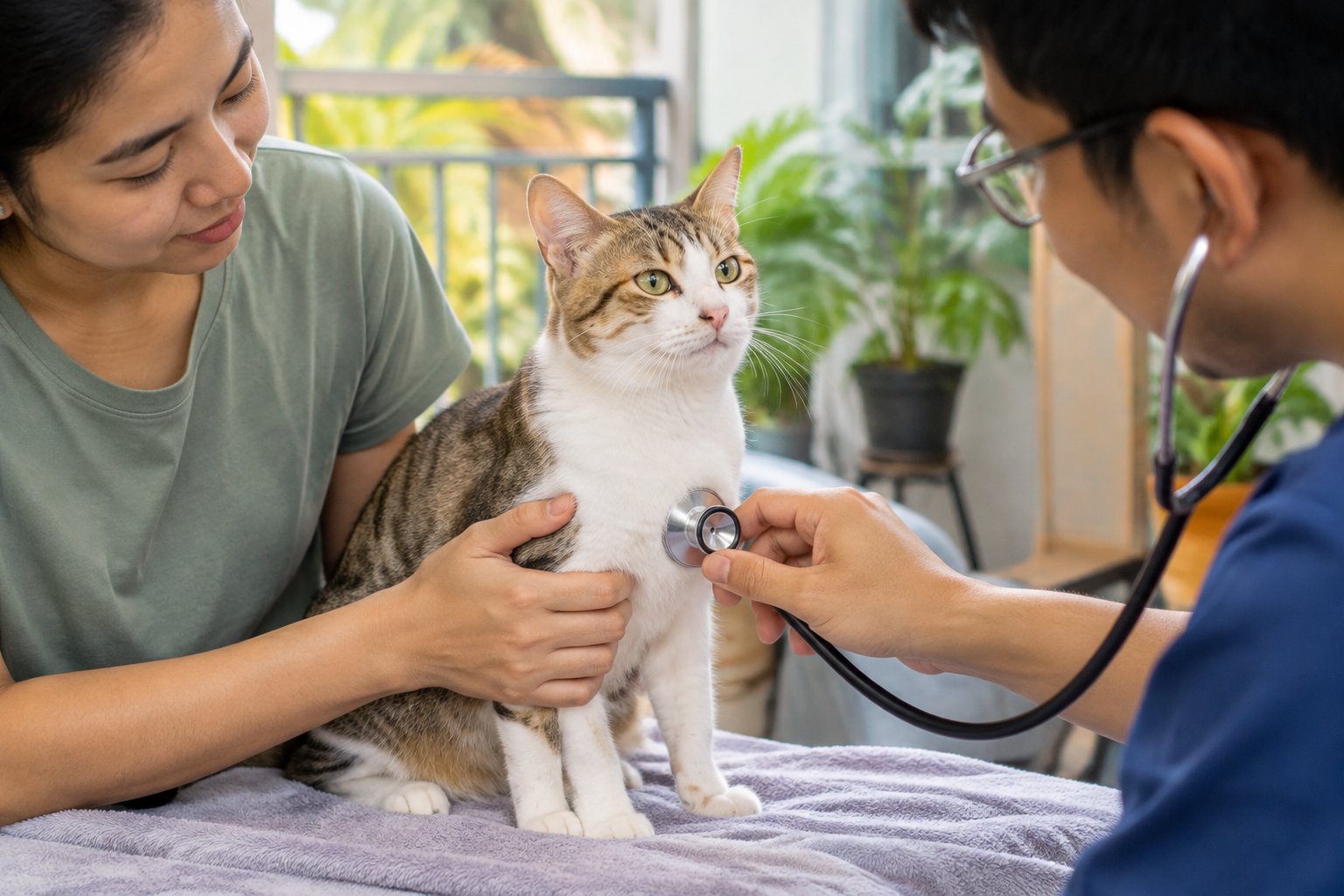
Start with a vet diagnosis, then treat at home
Ringworm is a fungal infection of the skin, hair and sometimes nails. In cats it often appears as circular patches of hair loss with scaly or crusty skin, but it can look like many other skin problems. Home treatment works best when it follows a proper diagnosis and a plan from your vet. If you simply apply a cream you bought online, you may delay effective treatment and allow the infection to spread to other pets or people.
A vet will usually examine your cat under a special light, look at hairs under a microscope, or send a sample for culture. These tests help confirm ringworm and rule out other causes such as allergies, mites or bacterial infections. Once ringworm is confirmed, your vet can prescribe treatment that suits your cat's age, health and lifestyle.
This guide explains what home treatment involves, how to clean your home, what to expect week by week, and when to seek help. It is general information for Malaysian cat owners, not a substitute for veterinary advice.
What ringworm treatment at home actually involves
Treating ringworm at home is not just about putting cream on a patch. It has three parts: treating the cat, cleaning the environment, and preventing spread. All three matter because ringworm spores can survive in the environment for a long time and reinfect your cat after treatment ends.
Treating the cat
Your vet may prescribe one or more of the following:
- Topical treatment: creams, lotions, sprays or medicated baths. These are applied to lesions or used as whole-body rinses, depending on the product and your vet's instructions.
- Oral antifungal medication: tablets or liquids given by mouth. These are often used for widespread infection, long-haired cats, multiple cats, or when topical treatment alone is not enough.
- Medicated shampoo or lime sulfur dips: some vets recommend these to reduce spores on the coat. They must be used exactly as directed because some products can irritate skin or be toxic if used incorrectly.
- Clipping the coat: for long-haired cats or widespread infection, your vet may clip the fur to make treatment and cleaning easier. Do not clip at home unless your vet advises it.
Never use a product on your cat unless your vet has approved it. Some human antifungal creams and some dog products are not safe for cats. Cats groom themselves, so anything applied to the skin can be licked off and swallowed.
Cleaning the environment
Spores are the reason ringworm is so persistent. They can stick to hair, skin scales, bedding, carpets, furniture and grooming tools. Cleaning reduces the number of spores your cat is exposed to and helps prevent reinfection.
Preventing spread
Ringworm can affect people and other animals. Wash your hands after handling your cat or cleaning its things. Keep infected cats away from children, elderly people, pregnant women and anyone with a weakened immune system. If you have other pets, ask your vet whether they should be checked or treated too.
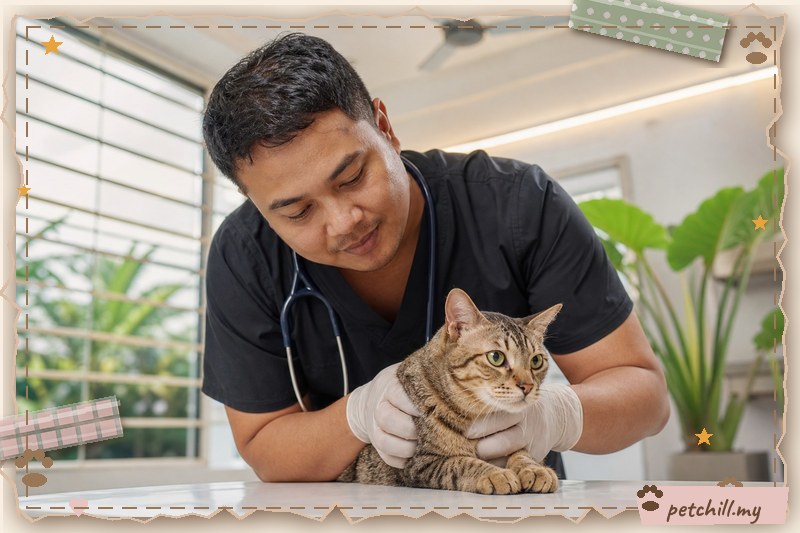
A step-by-step home treatment routine
A consistent daily routine makes home treatment easier to manage. Here is a practical example you can adapt with your vet's guidance.
Daily routine
- Wash your hands before and after handling your cat or its belongings.
- Check the skin for new patches, redness, crusting or signs of infection. Take photos so you can track changes.
- Give medication at the same time each day. If you are using a topical product, apply it as directed and prevent your cat from licking it off for the recommended time.
- Clean food and water bowls and refresh water.
- Vacuum or sweep floors and soft furnishings, especially areas where your cat sleeps.
- Wipe hard surfaces such as tables, floors and carrier handles with a suitable cleaner.
- Wash bedding if it is due for cleaning, or rotate bedding so you always have a clean set.
Weekly routine
- Wash all washable bedding, blankets and soft toys in hot water with detergent. If hot water is not possible, use the warmest setting your fabric can handle and dry thoroughly.
- Clean cat trees, scratching posts and carriers. Vacuum them and wipe hard surfaces. Some materials can be steam cleaned if your vet or a cleaning professional advises it.
- Clean grooming tools. Brushes and combs can carry spores. Wash them with hot water and detergent, or replace them if they are heavily contaminated.
- Review progress with your vet. Ringworm treatment often takes weeks. Your vet may want to recheck your cat or adjust the plan.
A simple cleaning comparison
| Item | What to do | How often | Notes |
|---|---|---|---|
| Bedding and blankets | Wash in hot water with detergent; dry fully | Weekly, or more if soiled | Use a separate laundry load if possible |
| Cat tree and scratching post | Vacuum; wipe hard parts; replace worn fabric if needed | Weekly | Spores can hide in fabric |
| Carrier | Wipe inside and out; wash removable pads | After each vet visit and weekly | Let it dry completely |
| Food and water bowls | Wash with hot soapy water | Daily | Use separate bowls for each pet |
| Litter box | Scoop daily; deep clean regularly | Daily scoop; weekly deep clean | Wear gloves if you are pregnant or immunocompromised |
| Floors and soft furnishings | Vacuum; wipe hard floors | Daily or as often as possible | Vacuum bags and filters can hold spores; handle carefully |
| Grooming tools | Wash in hot soapy water; dry | After each use during treatment | Consider replacing heavily used tools |
This table is a general guide. Your vet may recommend different cleaning products or frequencies depending on your cat's infection and your home.
Choosing and using antifungal products safely
There are many antifungal products available, but not all are suitable for cats. Your vet is the best person to recommend a product and explain how to use it.
Topical products
Creams and lotions are often used for small, localised patches. They need to be applied consistently, and your cat may need to wear a cone to stop licking. Some cats react to certain ingredients, so watch for redness, swelling or increased scratching after application.
Medicated shampoos and dips are used for more widespread infection. They can be messy and time-consuming, and some products need to stay on the coat for a specific time before rinsing. Follow the label and your vet's instructions exactly. Do not use a product more often than recommended, as this can irritate the skin.
Oral medication
Oral antifungals are prescription medicines. They are usually given with food to reduce stomach upset. Some cats need blood tests before or during treatment, especially if they have liver or kidney problems. Do not stop oral medication early just because the skin looks better; ringworm can return if treatment is stopped too soon.
What not to use
- Do not use human antifungal creams unless your vet says so.
- Do not use dog products on cats without veterinary advice.
- Do not use bleach or strong disinfectants directly on your cat.
- Do not use essential oils or home remedies that have not been approved by your vet.
If you are unsure about a product, ask your vet or a pharmacist who works with veterinary medicines. In Malaysia, you can also ask your vet about products that are registered for use in cats.
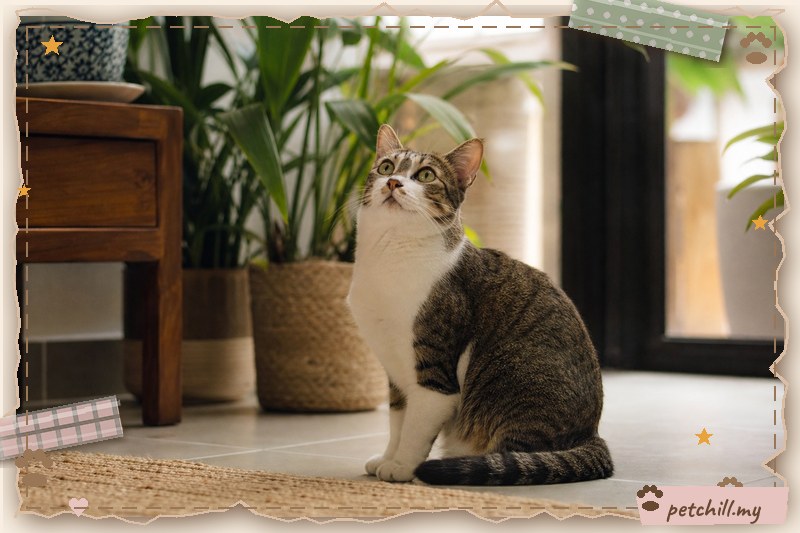
Cleaning your home: practical tips for Malaysian homes
Malaysian homes vary from apartments to terrace houses, and the cleaning approach should suit your space. The goal is to reduce spores on surfaces and fabrics your cat contacts.
In a Kuala Lumpur apartment
Apartments often have less outdoor space, so your cat may spend more time on carpets, sofas and cat trees. Focus on vacuuming these areas regularly and washing bedding weekly. If your cat uses a balcony, clean the floor and railings because spores can settle there. Keep cleaning products stored safely away from cats.
In a Johor terrace house
A terrace house may have more rooms and soft furnishings, which means more places for spores to hide. Close off rooms your cat does not need to access during treatment, and clean one area at a time. Pay attention to curtains, rugs and cushions. If your cat goes outdoors, clean its paws and coat gently when it comes in, and ask your vet whether outdoor access should be restricted during treatment.
General cleaning principles
- Use detergent and water first. Cleaning removes dirt and spores; disinfectants work best on clean surfaces.
- Choose a pet-safe disinfectant. Ask your vet or a reputable supplier which products are suitable around cats. Some disinfectants are toxic to cats if not used correctly.
- Allow surfaces to dry. Spores can survive in damp conditions, so drying is important.
- Handle vacuum bags and filters carefully. Seal them in a bag before throwing them away.
- Wash your hands after cleaning.
If you have a helper or family member who cleans, explain that ringworm can affect people and that they should wear gloves and wash their hands afterwards.
What to expect week by week
Ringworm treatment is a marathon, not a sprint. Here is a general timeline, but every cat is different.
Week 1
You may see little change, or the lesions may look slightly worse before they improve. This is normal. Focus on giving medication consistently and starting your cleaning routine. Your vet may recheck your cat after the first week or two.
Weeks 2 to 4
Hair may start to regrow at the edges of lesions, and crusting may reduce. New patches can still appear, especially if the infection was widespread. Keep cleaning and do not stop treatment early. If you see no improvement at all after a few weeks, contact your vet.
Weeks 4 to 8
Many cats show clear improvement by this stage. Your vet may recommend a recheck to confirm the infection is resolving. Some cats need longer treatment, especially long-haired cats or those with weakened immune systems.
After treatment
Do not assume ringworm is gone just because the skin looks normal. Your vet may recommend a final check, such as a culture, before stopping treatment. Continue cleaning for a while after treatment ends to reduce the chance of reinfection.
Common mistakes that slow recovery
- Stopping treatment too early. Ringworm can return if medication is stopped before the infection is fully cleared.
- Missing doses. Set a daily reminder and keep medication where you will see it.
- Not cleaning the environment. Treating the cat without cleaning allows reinfection.
- Using the wrong product. Human creams and dog products can be unsafe or ineffective.
- Not treating other pets. Other cats or dogs may carry ringworm without obvious signs. Ask your vet whether they should be checked.
- Ignoring your own skin. If you develop a ring-shaped rash, see a doctor. Ringworm in people is usually treatable but should be confirmed.
When to see a vet
See a vet if:
- You suspect ringworm but have not had a diagnosis.
- Lesions spread quickly or appear in new areas.
- Your cat is very itchy, seems unwell, stops eating or becomes lethargic.
- The skin looks red, swollen, painful or has discharge, which may mean a secondary bacterial infection.
- Your cat is a kitten, senior, pregnant or has a weakened immune system.
- You have other pets, children or immunocompromised people at home.
- Home treatment is not working after a few weeks.
- You are unsure how to give medication or your cat reacts badly to a product.
Your vet can adjust the treatment plan, check for other skin conditions, and advise on cleaning and prevention. In Malaysia, you can find veterinary services through the Department of Veterinary Services and private clinics. If you are unsure where to go, ask a local cat community or your regular vet for a recommendation.

A final note on patience and prevention
Ringworm is frustrating, but it is treatable. The keys are a confirmed diagnosis, consistent medication, thorough cleaning and patience. Keep your cat comfortable, monitor its skin, and stay in touch with your vet. With time and a good routine, most cats recover well.
Vet disclaimer: This article is general information and does not replace veterinary advice. Ringworm treatment should be guided by a veterinarian who has examined your cat. Always consult your vet before starting, changing or stopping any treatment.
Related reading
- Cat Skin Fungus Treatment in Malaysia: A Practical Owner's Guide
- Ringworm in Cats: Causes, Symptoms and Care (Malaysia Guide)
- Ringworm in Cats in Malaysia: Signs, Treatment and Prevention
- Ringworm Prevention for Cats in Malaysia: A Practical, Vet-Informed Guide
- Signs of Hair Loss in Cats in Malaysia: What to Look For and When to Worry
- Signs of Ringworm in Cats in Malaysia: What Owners Should Look For
- Skin Fungus in Cats in Malaysia: Ringworm Signs, Treatment and Prevention
- Blood Test for Cats in Malaysia: What It Checks, Costs and When You Need One
- Blood Test for Cats: What to Expect (Malaysian Owner's Guide)

