
PetChill Pet Encyclopedia
Cat Health

Signs of Skin Fungus in Cats in Malaysia: How to Spot Ringworm Early

Skin fungus in cats — usually ringworm — shows up as circular bald patches, scaly skin and broken hairs. In Malaysia's humid climate it spreads easily, so early spotting and vet confirmation matter.

Published: 2026-11-06·8 min read·Author: PetChill Editorial
Signs of Skin Fungus in Cats in Malaysia: How to Spot Ringworm Early

Quick answer

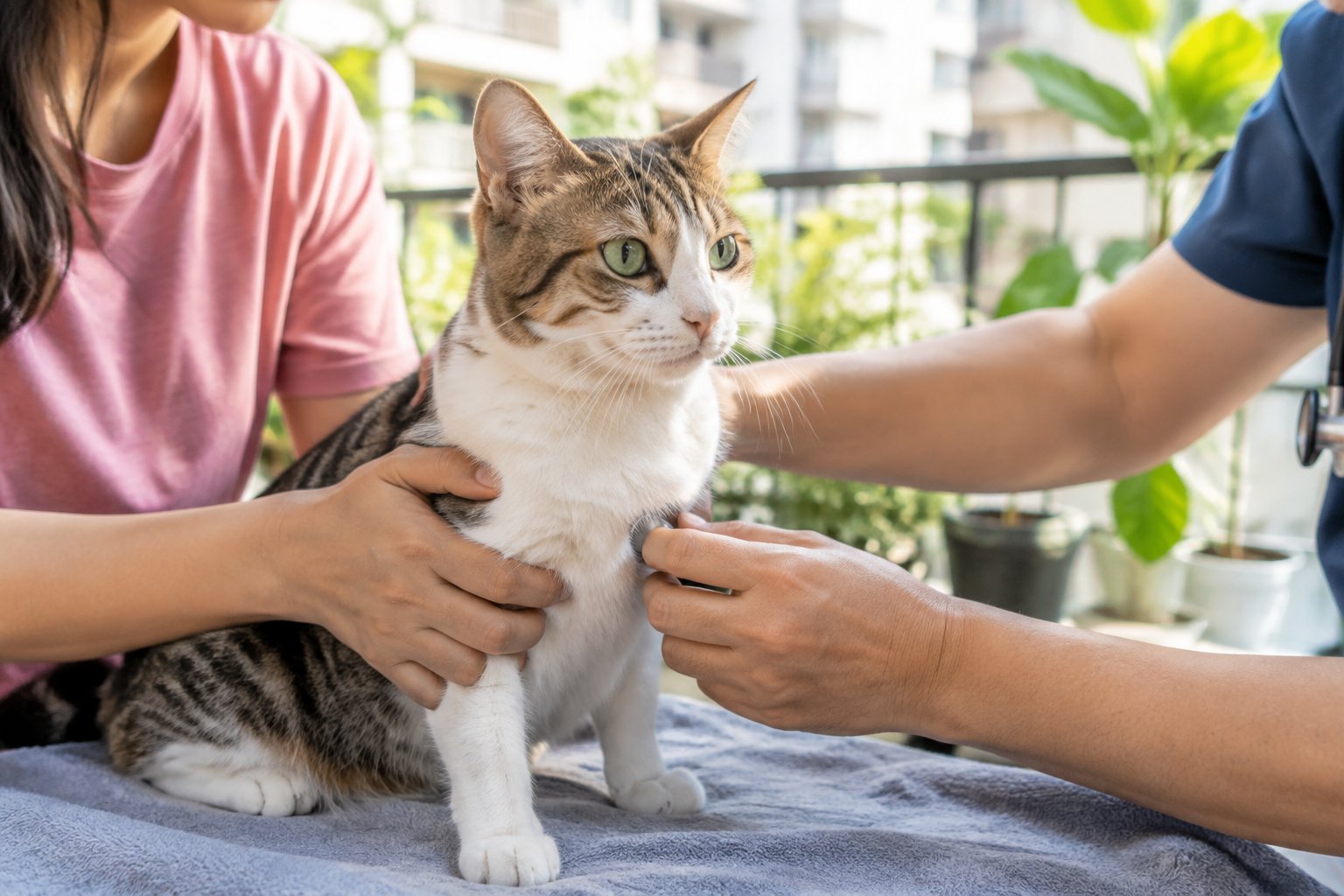
Skin fungus in cats most often means ringworm, a fungal infection of the skin, hair and sometimes claws. The classic signs are circular bald patches with scaly or crusty edges, broken hairs and sometimes mild redness or itching, commonly on the head, ears, muzzle, paws and tail. Because mites, bacterial infections and allergies can look similar, a vet should confirm the diagnosis before treatment starts.

What "skin fungus" actually means in cats

When cat owners say skin fungus, they usually mean dermatophytosis, the medical term for ringworm. Despite the name, ringworm is not a worm. It is a group of fungi that feed on keratin, the protein in skin, hair and nails. In cats, the most commonly discussed agents are Microsporum canis and Trichophyton species, but you do not need to memorise names to spot the problem.

Fungus can live on a cat without causing obvious signs, especially in long-haired cats or carriers. That is one reason ringworm can quietly spread in multi-cat homes, shelters and boarding situations. The infection is not caused by poor hygiene alone; a healthy, well-groomed cat can still pick it up from another animal, contaminated bedding, grooming tools or a shared environment.

In Malaysia, the warm and humid climate is often mentioned as a factor in skin problems generally. Humidity does not create ringworm by itself, but damp coats, damp bedding and crowded, poorly ventilated spaces can make it easier for fungi to survive and spread. That makes early recognition and household cleaning practical skills for cat owners.
What "skin fungus" actually means in cats

The common signs of skin fungus in cats

Ringworm signs can be subtle at first. Some cats have one small patch; others have several. The table below compares what owners commonly notice with what those signs may mean.

What you may see What it often looks like Why it matters
Circular bald patch Round area of hair loss, often with a scaly rim Classic ringworm pattern, but not every round patch is fungus
Broken or stubby hairs Hairs look chewed or snapped near the [skin Fungus](/articles/skin-fungus-in-cats-malaysia "mylink") weakens hair shafts
Scaly or crusty skin Dry flakes, crusts or dandruff-like material Can be mistaken for dry skin or dandruff
Mild redness Pink or inflamed edge around a patch May also occur with bacterial infection or scratching
Itching Some cats scratch; many do not Lack of itching does not rule out fungus
Patch on head or ears Face, muzzle, ear flaps, around eyes Common sites because of contact and grooming
Patch on paws or claws Crusty nail beds, rough claw surface Claw involvement may need longer treatment
Multiple patches Spreading hair loss over body Suggests active infection or another widespread cause

A key point for owners: ringworm patches are often not perfectly round, and they are not always red. In cats with dark coats, the patch may simply look like a dull or thinning area. In long-haired cats, the fungus can sit under the coat and cause flaky skin or matting before a bald spot is obvious.

Some cats develop a more widespread or inflamed form, especially if their immune system is stressed by illness, poor nutrition or crowded living conditions. Kittens, senior cats and cats recovering from other illnesses may be more vulnerable. If hair loss is spreading quickly or the skin looks raw, do not wait to see whether it clears on its own.

How ringworm spreads in Malaysian homes

Ringworm spreads through direct contact with an infected animal and through contaminated objects. Fungal spores can cling to bedding, blankets, carpets, soft furniture, grooming brushes, carrier bags and clothing. Spores can survive in the environment for a long time, which is why treating the cat and cleaning the home need to happen together.

In a Kuala Lumpur apartment, a cat may share a small balcony, a cushion by the window or a covered carrier with another cat. In a Johor terrace house, cats may roam between rooms, sleep on mats and brush against curtains. These everyday habits are normal, but when ringworm is confirmed, they become the places to clean and manage.

People can also catch ringworm from cats. The rash in humans is often circular and itchy, but it can look different depending on the person. Children, older adults and people with lowered immunity may be more susceptible. If a family member develops a new rash after handling a cat with suspected fungus, they should see a doctor and mention the cat contact.

How ringworm spreads in Malaysian homes

Other skin problems that look like fungus

One reason self-diagnosis is risky is that several common cat skin conditions mimic ringworm. Your vet will consider these before confirming fungus.

  • Mites: Notoedres or Demodex mites can cause hair loss, crusting and itching, especially around the ears and face.
  • Bacterial skin infection: May cause redness, pustules, crusts and odour; it can also occur alongside fungus.
  • Allergies: Flea allergy, food allergy or environmental allergy can cause itching and hair loss, often without a neat circular patch.
  • Over-grooming: Stress or itchiness can lead to symmetrical bald areas, especially on the belly and inner legs.
  • Dandruff and dry skin: Flaky skin without broken hairs may have other causes, including diet or grooming issues.
  • Abscess or wound: A healing bite wound can look crusty and patchy, but the history and location differ.

Because treatments differ, a wrong guess can waste time and money. A cat with a bacterial infection will not improve on antifungal treatment alone, and a cat with mites needs a different plan. Your vet may test for more than one problem at once.

How vets confirm skin fungus

There is no single perfect test, so vets often combine methods.

  1. History and physical exam: Your vet asks about itching, other pets, new animals, boarding, grooming and any human rashes. They examine the whole coat, including the ears and paws.
  2. Wood's lamp: Some Microsporum infections glow under ultraviolet light. A glow supports the diagnosis, but no glow does not rule fungus out.
  3. Microscopy: Hairs and skin scales are examined under a microscope to look for fungal elements. This is quick but needs skill and a good sample.
  4. Fungal culture: A sample is placed in a medium that encourages fungus to grow. This is slower but can confirm the diagnosis and identify the type.
  5. Other tests: If the skin is infected, your vet may also check for bacteria or mites.

You can help by not applying creams or home remedies before the visit. Some products can interfere with tests or make the skin harder to assess. If you have already used something, tell your vet what it was and when.
How vets confirm skin fungus

What treatment usually involves

Treatment depends on how widespread the infection is, the cat's age and health, and whether other pets or people are affected. A vet may recommend a combination of approaches.

  • Topical treatment: Medicated shampoos, rinses, sprays or creams may be prescribed. Some cats need clipping of affected areas, but clipping should be done carefully and with veterinary guidance because clippers can spread spores.
  • Oral medication: For widespread or stubborn cases, a vet may prescribe antifungal tablets. These are prescription medicines and need proper dosing and monitoring.
  • Environmental cleaning: Wash bedding, blankets and soft toys in hot water where possible. Vacuum carpets and soft furniture. Wipe hard surfaces. Reduce clutter that traps hair and dust.
  • Separation and hygiene: Keep infected cats apart from other pets during treatment if your vet advises it. Wash hands after contact. Avoid sharing brushes and bedding.
  • Follow-up: Ringworm treatment often takes weeks, not days. Stopping early can lead to relapse. Your vet may recheck the cat before declaring it clear.

Do not use human antifungal creams, bleach baths or strong disinfectants on a cat without veterinary advice. Cats lick their coats, and some products are unsafe. Ask your vet what is safe for your cat and your home.

A practical home checklist for Malaysian cat owners

Use this checklist if you suspect skin fungus or are managing a confirmed case.

  • Check your cat weekly: part the fur and look at the head, ears, paws, tail base and belly.
  • Note any bald patch: take a photo with good light and record the date so you can tell whether it is growing.
  • Look for broken hairs and flakes, not just baldness.
  • Wash hands after handling the cat, especially before eating.
  • Keep bedding dry; in humid weather, air bedding in sunlight or dry it thoroughly.
  • Clean grooming tools after use and do not share them between cats.
  • Vacuum areas where the cat sleeps and remove loose hair.
  • Ask your vet before using any cream, shampoo or home remedy.
  • Tell your vet about other pets, boarding, grooming and any new kitten.
  • See a doctor if a person in the home develops a spreading rash.
A practical home checklist for Malaysian cat owners

When to see a vet

See a vet if your cat has a bald or scaly patch that is spreading, does not improve within one to two weeks, or is accompanied by itching, redness, pus, odour or hair loss in several places. Also book a visit if the cat seems unwell, is losing weight, or if you have other pets or children at home. If a person develops a rash after contact with the cat, they should see a doctor and mention the possible animal link.

Do not wait for a patch to become large before seeking help. Early confirmation can shorten treatment and reduce spread to other pets and people.

Prevention and everyday care

Prevention is not about making your home sterile. It is about reducing the chances of spread and keeping your cat's skin healthy.

  • Dry the coat: If your cat gets wet, dry it gently, especially in humid weather.
  • Clean bedding regularly: Wash and dry bedding thoroughly; do not let damp bedding sit.
  • Ventilate rooms: Good airflow helps reduce dampness in Malaysian homes.
  • Manage multi-cat households: New cats should be checked by a vet before mixing, especially kittens or rescues.
  • Groom carefully: Look for flakes and broken hairs during brushing; stop and ask your vet if you find a patch.
  • Feed a balanced diet: Good nutrition supports skin and coat health, though it does not replace treatment for infection.
  • Reduce stress: Crowding and stress can affect immunity; give cats space and quiet resting areas.

Key takeaways

Skin fungus in cats usually appears as circular bald patches with scaly edges and broken hairs, often on the head, ears and paws. Not every patch is fungus, and not every fungus itches. In Malaysia's humid climate, damp bedding and shared spaces can help spores spread, so cleaning and hand hygiene matter alongside veterinary treatment. Confirm the diagnosis with a vet before using any product, and see a doctor if a person in the home develops a rash.

This article is general information for Malaysian cat owners and is not a substitute for veterinary examination, diagnosis or treatment. Always consult a licensed veterinarian for your cat's health.


Frequently Asked Questions

📌 Key Takeaways

  • This article covers: Quick answer, What "skin fungus" actually means in cats, The common signs of skin fungus in cats, How ringworm spreads in Malaysian homes, Other skin problems that look like fungus, and more
  • Jump to any section via the table of contents for the key details
  • If in doubt, consult a registered veterinarian

Explore this topic cluster

This guide belongs to a Malaysia-focused topic cluster. Read the pillar guide and related articles.

View cluster →

📚 Cat Health article index

This article is part of the Cat Health topic cluster. Explore related articles:

⭐ Pillar guide: Cat Health complete guideBlood Test for Cats in Malaysia: What It Checks, Costs and When You Need One→ ReadBlood Test for Cats Step by Step: What Happens at the Clinic→ ReadBlood Test for Cats: What to Expect (Malaysian Owner's Guide)→ ReadCat Constipation Treatment in Malaysia: A Practical Owner's Guide→ ReadCat Dental Pain Treatment in Malaysia: A Practical Owner's Guide→ ReadCat Diarrhea Treatment in Malaysia: A Practical Owner's Guide→ ReadCat Ear Mites Treatment in Malaysia: A Complete Owner's Guide→ ReadCat Eye Infection Treatment in Malaysia: A Practical Owner's Guide→ ReadCat Fleas Treatment in Malaysia: A Practical Owner's Guide→ ReadCat Hair Loss Treatment in Malaysia: A Practical Owner's Guide→ ReadCat Licking Wounds: Why It Happens and How to Treat It in Malaysia→ ReadCat Poisoning Treatment in Malaysia: What to Do, What to Expect, and How to Prevent It→ ReadCat Ringworm Treatment in Malaysia: A Practical Owner's Guide→ ReadCat Skin Fungus Treatment in Malaysia: A Practical Owner's Guide→ ReadCat Sneezing Blood: Causes, Treatment and When to See a Vet in Malaysia→ ReadCat Vomiting Treatment in Malaysia: What to Do and When to See a Vet→ ReadCat Weight Loss Treatment in Malaysia: A Practical Guide for Owners→ ReadCat Worms Treatment in Malaysia: A Practical Owner's Guide→ ReadChocolate Poisoning and Cats in Malaysia: What Every Owner Should Know→ ReadConstipation in Cats: Causes, Care and When to See a Vet in Malaysia→ ReadConstipation in Cats in Malaysia: Causes, Signs and What to Do→ ReadConstipation Prevention for Cats: A Practical Guide for Malaysian Owners→ ReadDental Pain in Cats: Causes, Signs and Care (Malaysia Guide)→ ReadDental Pain in Cats in Malaysia: Signs, Causes and What to Do→ ReadDental Pain Prevention for Cats: A Practical Malaysian Guide→ ReadDeworming Schedule for Cats in Malaysia: A Practical, Vet-Led Guide→ ReadDeworming Schedule for Cats: A Step-by-Step Plan for Malaysian Owners→ ReadDeworming Schedule for Cats: What to Expect (Malaysia Guide)→ ReadDiarrhea in Cats: Causes and Care (Malaysian Owner's Guide)→ ReadDiarrhea in Cats in Malaysia: Causes, Home Care and When to See a Vet→ ReadDiarrhea Prevention for Cats: A Practical Guide for Malaysian Owners→ ReadE-Collar Recovery for Cats in Malaysia: A Practical Guide for Owners→ ReadE-Collar Recovery for Cats Step by Step: A Practical Guide for Malaysian Owners→ ReadE-Collar Recovery for Cats: What to Expect (Malaysia Guide)→ ReadEar Mites in Cats: Causes and Care (Malaysia Guide)→ ReadEar Mites in Cats in Malaysia: Signs, Treatment and Prevention→ ReadEar Mites Prevention for Cats: A Practical Malaysian Guide→ ReadElectrical Cables and Cats in Malaysia: A Practical Safety Guide→ ReadEye Infection in Cats: Causes and Care (Malaysia Guide)→ ReadEye Infection in Cats in Malaysia: Causes, Signs, Treatment & Prevention→ ReadEye Infection Prevention for Cats: A Practical Malaysian Guide→ ReadFans and Air Conditioning for Cats in Malaysia: A Practical Comfort Guide→ ReadFlea Treatment for Cats in Malaysia: A Complete Guide→ ReadFlea Treatment for Cats Step by Step: A Practical Malaysian Guide→ ReadFlea Treatment for Cats: What to Expect (Malaysia Guide)→ ReadFleas in Cats: Causes and Care (Malaysia Guide)→ ReadFleas in Cats in Malaysia: Signs, Treatment and Prevention→ ReadFleas Prevention for Cats in Malaysia: A Practical, Year-Round Plan→ ReadGiving Pills for Cats in Malaysia: A Stress-Free Step-by-Step Guide→ ReadGiving Pills for Cats Step by Step: A Calm, Practical Guide for Malaysian Owners→ ReadGiving Pills for Cats: What to Expect (Malaysian Owner's Guide)→ ReadHair Loss in Cats: Causes and Care (Malaysian Owner's Guide)→ ReadHair Loss in Cats in Malaysia: Causes, Home Checks and When to See a Vet→ ReadHair Loss Prevention for Cats: A Practical Grooming and Health Guide→ ReadHousehold Cleaning Products and Cats in Malaysia: A Safety Guide→ ReadHow to Prevent Chocolate Poisoning Around Cats: A Practical Guide for Malaysian Homes→ ReadHow to Prevent Electrical Cables Around Cats: A Practical Safety Guide for Malaysian Homes→ ReadHow to Prevent Fan and Aircond Problems Around Cats: A Malaysian Home Guide→ ReadHow to Prevent Household Cleaning Products Around Cats: A Practical Safety Guide for Malaysian Homes→ ReadHow to Prevent Lily Poisoning Around Cats: A Practical Safety Guide for Malaysian Homes→ ReadHow to Prevent Open Windows Around Cats: A Practical Safety Guide for Malaysian Homes→ ReadHow to Prevent Paracetamol Poisoning Around Cats: A Malaysian Safety Guide→ ReadHow to Prevent Plastic Bags Around Cats: A Practical Safety Guide for Malaysian Homes→ ReadHow to Treat Constipation in Cats at Home: A Practical Malaysian Guide→ ReadHow to Treat Dental Pain in Cats at Home: Safe Relief and When to See a Vet→ ReadHow to Treat Diarrhea in Cats at Home: A Practical Malaysian Guide→ ReadHow to Treat Ear Mites in Cats at Home: A Practical Malaysian Guide→ ReadHow to Treat Eye Infection in Cats at Home: Safe Steps for Malaysian Owners→ ReadHow to Treat Fleas in Cats at Home: A Practical Malaysian Guide→ ReadHow to Treat Hair Loss in Cats at Home: A Practical Malaysian Guide→ ReadHow to Treat Licking Wounds in Cats at Home: A Practical Guide for Malaysian Owners→ ReadHow to Treat Poisoning in Cats at Home: First Aid, Safe Steps and When to Rush to the Vet→ ReadHow to Treat Ringworm in Cats at Home: A Practical Guide for Malaysian Owners→ ReadHow to Treat Skin Fungus in Cats at Home: A Practical Malaysian Guide→ ReadHow to Treat Sneezing Blood in Cats at Home: Safe First Steps for Malaysian Owners→ ReadHow to Treat Vomiting in Cats at Home: A Practical Malaysian Guide→ ReadHow to Treat Weight Loss in Cats at Home: A Practical Guide for Malaysian Owners→ ReadHow to Treat Worms in Cats at Home: A Practical, Safe Guide for Malaysian Owners→ ReadLicking Wounds in Cats: Causes and Care (Malaysian Vet Guide)→ ReadLicking Wounds in Cats Malaysia: When It's Normal and When to Stop It→ ReadLicking Wounds Prevention for Cats: How to Stop the Lick Cycle and Let Skin Heal→ ReadLily Poisoning and Cats in Malaysia: Why Every Petal Is an Emergency→ ReadOpen Windows and Cats in Malaysia: How to Keep Your Cat Safe Without Locking Up the House→ ReadParacetamol Poisoning in Cats in Malaysia: Why Even One Tablet Can Be Deadly→ ReadPlastic Bags and Cats in Malaysia: Why They're Dangerous and How to Keep Your Cat Safe→ ReadPoisoning in Cats: Causes, Symptoms and Care (Malaysia Guide)→ ReadPoisoning in Cats in Malaysia: Common Toxins, Signs and What to Do→ ReadPoisoning Prevention for Cats in Malaysia: A Room-by-Room Safety Guide→ ReadRingworm in Cats: Causes, Symptoms and Care (Malaysia Guide)→ ReadRingworm in Cats in Malaysia: Signs, Treatment and Prevention→ ReadRingworm Prevention for Cats in Malaysia: A Practical, Vet-Informed Guide→ ReadSigns of Constipation in Cats in Malaysia: What to Watch For and When to Act→ ReadSigns of Dental Pain in Cats in Malaysia: What Owners Miss→ ReadSigns of Diarrhea in Cats in Malaysia: What's Normal, What's Not→ ReadSigns of Ear Mites in Cats in Malaysia: How to Spot, Treat and Prevent Them→ ReadSigns of Eye Infection in Cats in Malaysia: What Owners Should Look For→ ReadSigns of Fleas in Cats in Malaysia: How to Spot, Check and Act→ ReadSigns of Hair Loss in Cats in Malaysia: What to Look For and When to Worry→ ReadSigns of Licking Wounds in Cats Malaysia: How to Spot Problem Licking→ ReadSigns of Poisoning in Cats in Malaysia: What to Watch For and What to Do→ ReadSigns of Ringworm in Cats in Malaysia: What Owners Should Look For→ ReadBlood in a Cat's Sneeze: Signs, Causes and What to Do in Malaysia→ ReadSigns of Vomiting in Cats in Malaysia: What's Normal, What's Not, and When to See a Vet→ ReadSigns of Weight Loss in Cats in Malaysia: What to Watch For and When to Worry→ ReadSigns of Worms in Cats in Malaysia: What Owners Should Look For→ ReadSkin Fungus in Cats: Causes, Signs and Care (Malaysia Guide)→ ReadSkin Fungus in Cats in Malaysia: Ringworm Signs, Treatment and Prevention→ ReadSkin Fungus Prevention for Cats: A Practical Guide for Malaysian Homes→ ReadSneezing Blood in Cats: Causes and Care (Malaysia Guide)→ ReadSneezing Blood in Cats in Malaysia: Causes, What to Do, and When to See a Vet→ ReadSneezing Blood Prevention for Cats: Causes, Care and When to Worry→ ReadSterilization for Cats in Malaysia: A Complete Guide for Owners→ ReadSterilization for Cats Step by Step: A Malaysian Owner's Guide→ ReadSterilisation for Cats: What to Expect (Malaysian Owner's Guide)→ ReadUltrasound for Cats in Malaysia: What It Is, When It's Needed, and What to Expect→ ReadUltrasound for Cats Step by Step: What Happens, What It Costs, and How to Prepare→ ReadUltrasound for Cats: What to Expect (Malaysian Owner's Guide)→ ReadVaccination Side Effects for Cats in Malaysia: What's Normal, What's Not→ ReadVaccination Side Effects for Cats: A Step-by-Step Guide for Malaysian Owners→ ReadCat Vaccination Side Effects: What Malaysian Owners Should Expect→ ReadVomiting in Cats: Causes and Care (Malaysia Guide)→ ReadVomiting in Cats in Malaysia: When It's Normal and When to Worry→ ReadVomiting Prevention for Cats: A Practical Guide for Malaysian Owners→ ReadWeight Loss in Cats: Causes and Care (Malaysian Vet Guide)→ ReadWeight Loss in Cats in Malaysia: Causes, Warning Signs and What to Do→ ReadWeight Loss Prevention for Cats: A Practical Malaysian Guide→ ReadWorms in Cats: Causes and Care (Malaysia Vet Guide)→ ReadWorms in Cats in Malaysia: A Practical Owner's Guide→ ReadWorms Prevention for Cats in Malaysia: A Complete Guide→ ReadWound Care for Cats in Malaysia: A Practical Owner's Guide→ ReadWound Care for Cats Step by Step: A Practical Malaysian Guide→ ReadWound Care for Cats: What to Expect, Step by Step→ ReadX-Ray for Cats in Malaysia: What to Expect, Costs and Safety→ ReadX-Ray for Cats Step by Step: What Malaysian Owners Should Expect→ ReadX-Ray for Cats: What to Expect (Malaysian Owner's Guide)→ ReadArthritis Pet Care in Malaysia: A Practical Guide for Cats and Dogs→ ReadCat Arthritis in Malaysia: 5 Home Signs Your Cat Is in Pain — and What to Do→ ReadEarly Signs of Chronic Disease in Cats: 7 Daily Checks and a 4-Week Record Sheet→ ReadCat Chronic Kidney Disease in Malaysia: The Daily Care Routine That Actually Slows It Down→ ReadCat Constipation in Malaysia: The 48-Hour Rule, Red Flags and What Actually Helps→ ReadCat Dehydration in Malaysia: Home Skin-Turgor Test, 7 Causes and Emergency Signs→ ReadCat Heart Disease in Malaysia: Sleep Breathing Count, HCM Early Signs and When to Rush to the Vet→ ReadCat Kidney Disease in Malaysia: Early Signs, Prevention and Everyday Care→ ReadCat Pancreatitis in Malaysia: Symptoms, fPLI Testing, Treatment and Home Recovery→ ReadCat Ringworm in Malaysia: Signs, Treatment and Home Cleaning Guide→ ReadCat Symptom Checker Malaysia: 12 Common Signs and a Green-Amber-Red Triage Table→ ReadPet Deworming in Malaysia: How Often to Worm Your Cat or Dog→ ReadPet Gut Health in Malaysia: Probiotics, Food Transitions and Stool Troubles (Part 2)→ ReadCat Gut Health: Probiotics, Antibiotics and Food Transitions Explained (Malaysia)→ ReadPet Health Malaysia 2026: Common Cat and Dog Illnesses, Prevention Care and Vet Guidance→ ReadPet Insurance in Malaysia: How to Compare Plans Before You Sign→ ReadPet Poisoning at Home: Household Chemicals, Toxic Plants and When Not to Induce Vomiting (Malaysia)→ ReadPet Poisoning at Home: Household Chemicals, Insecticides and Toxic Plants (Malaysia, Part 1)→ ReadCat Chronic Disease Early Signs in Malaysia: 7 Daily Checks and a 4-Week Log→ ReadCat Health Guide Malaysia: Symptom Check, Red-Flag Triage & When to See a Vet→ ReadCat Ringworm in Malaysia: Symptoms, Treatment and Home Cleaning Guide→ ReadGut Health, Probiotics & Food Transition Part 2: Practical Malaysia Guide→ ReadPet Health in Malaysia: A Practical Prevention Guide for Cats and Dogs→ Read

Related products at PetChill