PetChill Pet Encyclopedia
Cat Health

Dental Pain in Cats: Causes, Signs and Care (Malaysia Guide)

Cats hide mouth pain well. This guide explains the common causes of dental pain in cats, the signs Malaysian owners often miss, what treatment involves, and how to care for your cat at home.

Published: 2026-11-06·7 min read·Author: PetChill Editorial
Dental Pain in Cats: Causes, Signs and Care (Malaysia Guide)

Quick answer

Dental pain in cats is usually caused by tooth resorption, gum disease, fractured teeth or inflammation of the mouth (stomatitis). Cats rarely cry out, so owners often notice drooling, one-sided chewing, dropped food or bad breath first. A vet examination, often with dental X-rays under anaesthesia, is needed to find the cause and plan treatment.

Why cat dental pain is so easy to miss

Cats are prey animals by nature. Showing weakness can make them a target, so they have evolved to keep eating and behaving normally even when their mouths hurt. A cat with a painful tooth may still finish every meal, which is why many owners are surprised when a vet finds a serious problem.

The pain is often chronic rather than sudden. A cat may gradually eat more slowly, prefer softer food, or chew on one side for months. These small changes are easy to dismiss as fussiness or ageing.

In Malaysia, many cats live indoors in apartments and eat mainly commercial dry food. Dry food does not clean teeth the way many people assume, and it can be painful to crunch on damaged teeth. A cat that suddenly prefers wet food may be telling you something about its mouth.

Why cat dental pain is so easy to miss

Common causes of dental pain in cats

Tooth resorption (feline odontoclastic resorptive lesions)

Tooth resorption is one of the most common dental problems in adult cats. The tooth structure is broken down from the inside or at the gum line, leaving painful defects. Early lesions may be hidden below the gum, and the tooth can look normal from the outside. As the lesion progresses, a chunk of tooth may appear to be missing near the gum line.

Resorption is painful because the sensitive inner tooth becomes exposed. Extraction is often the only effective treatment, and dental X-rays are needed to see how far the lesion extends into the root.

Periodontal (gum) disease

Plaque and tartar build up along the gum line and cause inflammation called gingivitis. If untreated, the infection spreads to the tissues that hold the tooth in place. This causes pain, loose teeth and bad breath. Gum disease is very common in cats, especially those that never receive dental care.

Fractured or broken teeth

Cats can break teeth by biting hard objects, chewing on bones, or after a fall or fight. A fractured tooth may expose the pulp, which is painful and can become infected. Even a small chip can lead to a painful root infection over time.

Feline chronic gingivostomatitis

This is a severe, painful inflammation of the gums and the back of the mouth. Cats with this condition may drool, refuse food, lose weight and cry when eating. It is often difficult to manage and may require long-term veterinary care, including extraction of affected teeth in some cases.

Retained deciduous (baby) teeth

Sometimes a baby tooth stays in place while the adult tooth grows beside it. This overcrowding traps food and plaque, causing pain and gum disease. Retained teeth are usually removed during a dental procedure.

Other causes

Less common causes include oral tumours, jaw fractures, foreign objects stuck in the mouth, and ulcers. Any of these can cause significant pain and need veterinary attention.

Signs your cat may be in dental pain

Cats show mouth pain in subtle ways. Look for a combination of these signs:

  • Drooling, especially with blood-tinged saliva
  • Bad breath that persists despite normal grooming
  • Chewing on one side of the mouth, or tilting the head while eating
  • Dropping food from the mouth or swallowing without chewing
  • Eating less, eating more slowly, or preferring soft food
  • Pawing at the mouth or rubbing the face
  • Flinching or pulling away when the head or mouth is touched
  • Swelling on the face or under the eye
  • Bleeding from the gums
  • Weight loss, hiding, irritability or reduced grooming

A cat may show only one or two of these signs. Some cats show none at all until the problem is advanced.

Signs your cat may be in dental pain

What happens at the vet

Conscious examination

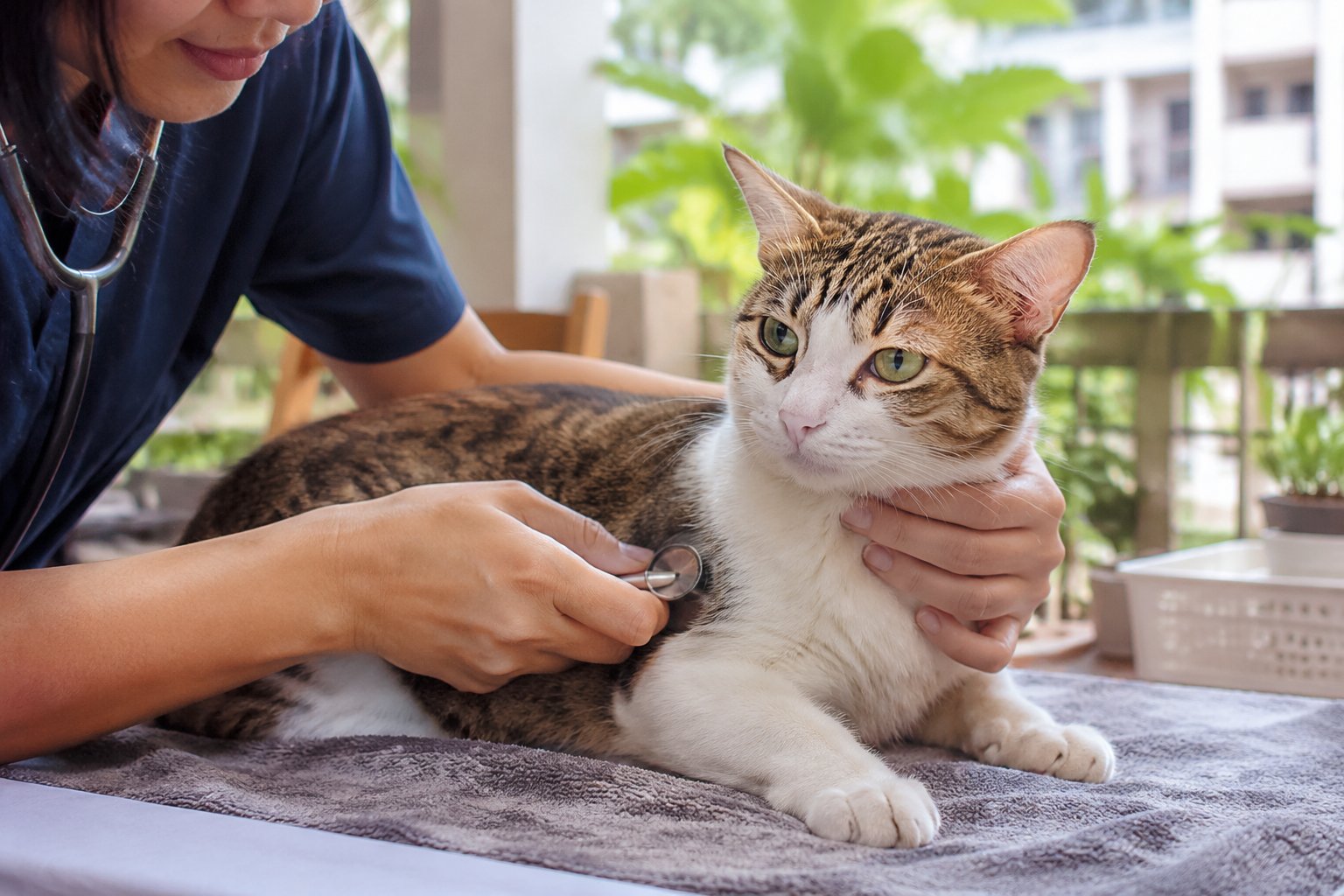
Your vet will first look at your cat's face, check for swelling, and gently lift the lips to inspect the front teeth and gums. This gives clues but cannot assess the back of the mouth or the roots.

Dental examination under anaesthesia

A proper dental examination requires general anaesthesia. This allows the vet to probe around every tooth with a dental instrument, check for pockets and resorption, and take dental X-rays. X-rays are essential because many problems, including tooth resorption and root disease, are invisible from the outside.

Treatment options

Treatment depends on the cause:

  • Professional cleaning removes plaque and tartar above and below the gum line.
  • Extraction is often needed for resorbing, fractured or loose teeth. Cats manage very well without some teeth, especially when the alternative is chronic pain.
  • Medical management may be used for stomatitis, often alongside extraction of affected teeth.
  • Antibiotics or pain relief may be prescribed for infection or short-term pain control, but these do not fix the underlying problem.

Your vet will discuss the risks and benefits of anaesthesia for your individual cat, including any blood tests or health checks needed beforehand.

Comparison of common dental problems

Problem Typical signs How it is diagnosed Common treatment
Tooth resorption Drooling, one-sided chewing, missing tooth chunk, pain on eating Dental exam and X-rays Extraction of affected tooth
Periodontal disease Bad breath, red gums, loose teeth, bleeding Dental probing and X-rays Cleaning, extraction if severe
Fractured tooth Pain when chewing, broken tooth visible, reluctance to eat hard food Visual exam and X-rays Extraction or referral for advanced care
Stomatitis Severe drooling, refusal to eat, weight loss, crying Full mouth exam under anaesthesia Medical management, often extraction
Retained baby tooth Two teeth in one spot, crowded mouth Visual exam and X-rays Extraction of the baby tooth

Comparison of common dental problems

Caring for a cat with dental pain at home

Before treatment

If you suspect dental pain, book a vet appointment. In the meantime:

  • Offer soft or wet food if your cat is struggling with dry kibble.
  • Do not force your cat to eat hard food if it seems painful.
  • Do not give any human painkillers. Paracetamol and ibuprofen are toxic to cats.
  • Keep your cat indoors and reduce stress.
  • Note down any signs you see, including how long they have been present, to share with your vet.

After treatment

Follow your vet's instructions carefully. This may include:

  • Giving prescribed pain relief or antibiotics exactly as directed.
  • Feeding soft food for a few days if teeth were extracted.
  • Avoiding hard toys or chews while the mouth heals.
  • Checking the mouth daily for swelling, bleeding or reluctance to eat.
  • Attending a follow-up appointment if recommended.

Daily dental care

Once your cat's mouth has healed, start a dental care routine:

  • Brush your cat's teeth with cat-specific toothpaste and a soft brush. Start slowly and reward calm behaviour.
  • Use dental diets or chews that carry a veterinary dental claim, if your vet agrees.
  • Avoid bones and hard objects that can fracture teeth.
  • Book regular dental checks, especially for older cats.

Preventing dental pain in cats

Prevention is not perfect, but it reduces risk:

  • Start tooth brushing when your cat is young if possible.
  • Feed a balanced diet and avoid excessive treats.
  • Ask your vet about dental checks at least once a year, and more often for older cats.
  • Treat gum inflammation early before it progresses.
  • Keep your cat at a healthy weight and manage other health conditions.

Some causes, such as tooth resorption, cannot be prevented. Early detection is the best way to reduce suffering.

Preventing dental pain in cats

When to see a vet

Contact a veterinarian if your cat shows any of the following:

  • Drooling, especially with blood
  • Bad breath that does not improve
  • Dropping food, chewing on one side, or eating less
  • Weight loss or hiding
  • Facial swelling or swelling under the eye
  • Bleeding gums
  • Pawing at the mouth or flinching when touched
  • Refusing to eat for more than 24 hours

Facial swelling, difficulty breathing, or a cat that stops eating completely should be seen urgently. These can be signs of a serious infection or other emergency.

Local context for Malaysian cat owners

Many Malaysian cats live in apartments and condominiums where they may have less opportunity to chew natural fibrous material. This makes regular dental checks and home brushing especially useful. In humid conditions, food can spoil quickly, so clean food and water bowls daily to reduce bacteria.

In terrace houses in Johor or Penang, cats may roam outdoors and chew on bones or hard objects, increasing the risk of fractured teeth. Keep bins covered and avoid giving cooked bones.

If you are unsure whether your cat needs a dental check, call your vet and describe the signs. Local prices for dental cleaning and extractions vary, so ask your clinic for an estimate before booking.

Vet disclaimer

This article is for general information only and does not replace veterinary advice. Dental pain in cats requires a proper examination. Always consult a licensed veterinarian for diagnosis and treatment, and never give human medications to your cat.

Frequently Asked Questions

📌 Key Takeaways

  • This article covers: Quick answer, Why cat dental pain is so easy to miss, Common causes of dental pain in cats, Signs your cat may be in dental pain, What happens at the vet, and more
  • Jump to any section via the table of contents for the key details
  • If in doubt, consult a registered veterinarian

Explore this topic cluster

This guide belongs to a Malaysia-focused topic cluster. Read the pillar guide and related articles.

View cluster →

📚 Cat Health article index

This article is part of the Cat Health topic cluster. Explore related articles:

⭐ Pillar guide: Cat Health complete guideBlood Test for Cats in Malaysia: What It Checks, Costs and When You Need One→ ReadBlood Test for Cats Step by Step: What Happens at the Clinic→ ReadBlood Test for Cats: What to Expect (Malaysian Owner's Guide)→ ReadCat Constipation Treatment in Malaysia: A Practical Owner's Guide→ ReadCat Dental Pain Treatment in Malaysia: A Practical Owner's Guide→ ReadCat Diarrhea Treatment in Malaysia: A Practical Owner's Guide→ ReadCat Ear Mites Treatment in Malaysia: A Complete Owner's Guide→ ReadCat Eye Infection Treatment in Malaysia: A Practical Owner's Guide→ ReadCat Fleas Treatment in Malaysia: A Practical Owner's Guide→ ReadCat Hair Loss Treatment in Malaysia: A Practical Owner's Guide→ ReadCat Licking Wounds: Why It Happens and How to Treat It in Malaysia→ ReadCat Poisoning Treatment in Malaysia: What to Do, What to Expect, and How to Prevent It→ ReadCat Ringworm Treatment in Malaysia: A Practical Owner's Guide→ ReadCat Skin Fungus Treatment in Malaysia: A Practical Owner's Guide→ ReadCat Sneezing Blood: Causes, Treatment and When to See a Vet in Malaysia→ ReadCat Vomiting Treatment in Malaysia: What to Do and When to See a Vet→ ReadCat Weight Loss Treatment in Malaysia: A Practical Guide for Owners→ ReadCat Worms Treatment in Malaysia: A Practical Owner's Guide→ ReadChocolate Poisoning and Cats in Malaysia: What Every Owner Should Know→ ReadConstipation in Cats: Causes, Care and When to See a Vet in Malaysia→ ReadConstipation in Cats in Malaysia: Causes, Signs and What to Do→ ReadConstipation Prevention for Cats: A Practical Guide for Malaysian Owners→ ReadDental Pain in Cats in Malaysia: Signs, Causes and What to Do→ ReadDental Pain Prevention for Cats: A Practical Malaysian Guide→ ReadDeworming Schedule for Cats in Malaysia: A Practical, Vet-Led Guide→ ReadDeworming Schedule for Cats: A Step-by-Step Plan for Malaysian Owners→ ReadDeworming Schedule for Cats: What to Expect (Malaysia Guide)→ ReadDiarrhea in Cats: Causes and Care (Malaysian Owner's Guide)→ ReadDiarrhea in Cats in Malaysia: Causes, Home Care and When to See a Vet→ ReadDiarrhea Prevention for Cats: A Practical Guide for Malaysian Owners→ ReadE-Collar Recovery for Cats in Malaysia: A Practical Guide for Owners→ ReadE-Collar Recovery for Cats Step by Step: A Practical Guide for Malaysian Owners→ ReadE-Collar Recovery for Cats: What to Expect (Malaysia Guide)→ ReadEar Mites in Cats: Causes and Care (Malaysia Guide)→ ReadEar Mites in Cats in Malaysia: Signs, Treatment and Prevention→ ReadEar Mites Prevention for Cats: A Practical Malaysian Guide→ ReadElectrical Cables and Cats in Malaysia: A Practical Safety Guide→ ReadEye Infection in Cats: Causes and Care (Malaysia Guide)→ ReadEye Infection in Cats in Malaysia: Causes, Signs, Treatment & Prevention→ ReadEye Infection Prevention for Cats: A Practical Malaysian Guide→ ReadFans and Air Conditioning for Cats in Malaysia: A Practical Comfort Guide→ ReadFlea Treatment for Cats in Malaysia: A Complete Guide→ ReadFlea Treatment for Cats Step by Step: A Practical Malaysian Guide→ ReadFlea Treatment for Cats: What to Expect (Malaysia Guide)→ ReadFleas in Cats: Causes and Care (Malaysia Guide)→ ReadFleas in Cats in Malaysia: Signs, Treatment and Prevention→ ReadFleas Prevention for Cats in Malaysia: A Practical, Year-Round Plan→ ReadGiving Pills for Cats in Malaysia: A Stress-Free Step-by-Step Guide→ ReadGiving Pills for Cats Step by Step: A Calm, Practical Guide for Malaysian Owners→ ReadGiving Pills for Cats: What to Expect (Malaysian Owner's Guide)→ ReadHair Loss in Cats: Causes and Care (Malaysian Owner's Guide)→ ReadHair Loss in Cats in Malaysia: Causes, Home Checks and When to See a Vet→ ReadHair Loss Prevention for Cats: A Practical Grooming and Health Guide→ ReadHousehold Cleaning Products and Cats in Malaysia: A Safety Guide→ ReadHow to Prevent Chocolate Poisoning Around Cats: A Practical Guide for Malaysian Homes→ ReadHow to Prevent Electrical Cables Around Cats: A Practical Safety Guide for Malaysian Homes→ ReadHow to Prevent Fan and Aircond Problems Around Cats: A Malaysian Home Guide→ ReadHow to Prevent Household Cleaning Products Around Cats: A Practical Safety Guide for Malaysian Homes→ ReadHow to Prevent Lily Poisoning Around Cats: A Practical Safety Guide for Malaysian Homes→ ReadHow to Prevent Open Windows Around Cats: A Practical Safety Guide for Malaysian Homes→ ReadHow to Prevent Paracetamol Poisoning Around Cats: A Malaysian Safety Guide→ ReadHow to Prevent Plastic Bags Around Cats: A Practical Safety Guide for Malaysian Homes→ ReadHow to Treat Constipation in Cats at Home: A Practical Malaysian Guide→ ReadHow to Treat Dental Pain in Cats at Home: Safe Relief and When to See a Vet→ ReadHow to Treat Diarrhea in Cats at Home: A Practical Malaysian Guide→ ReadHow to Treat Ear Mites in Cats at Home: A Practical Malaysian Guide→ ReadHow to Treat Eye Infection in Cats at Home: Safe Steps for Malaysian Owners→ ReadHow to Treat Fleas in Cats at Home: A Practical Malaysian Guide→ ReadHow to Treat Hair Loss in Cats at Home: A Practical Malaysian Guide→ ReadHow to Treat Licking Wounds in Cats at Home: A Practical Guide for Malaysian Owners→ ReadHow to Treat Poisoning in Cats at Home: First Aid, Safe Steps and When to Rush to the Vet→ ReadHow to Treat Ringworm in Cats at Home: A Practical Guide for Malaysian Owners→ ReadHow to Treat Skin Fungus in Cats at Home: A Practical Malaysian Guide→ ReadHow to Treat Sneezing Blood in Cats at Home: Safe First Steps for Malaysian Owners→ ReadHow to Treat Vomiting in Cats at Home: A Practical Malaysian Guide→ ReadHow to Treat Weight Loss in Cats at Home: A Practical Guide for Malaysian Owners→ ReadHow to Treat Worms in Cats at Home: A Practical, Safe Guide for Malaysian Owners→ ReadLicking Wounds in Cats: Causes and Care (Malaysian Vet Guide)→ ReadLicking Wounds in Cats Malaysia: When It's Normal and When to Stop It→ ReadLicking Wounds Prevention for Cats: How to Stop the Lick Cycle and Let Skin Heal→ ReadLily Poisoning and Cats in Malaysia: Why Every Petal Is an Emergency→ ReadOpen Windows and Cats in Malaysia: How to Keep Your Cat Safe Without Locking Up the House→ ReadParacetamol Poisoning in Cats in Malaysia: Why Even One Tablet Can Be Deadly→ ReadPlastic Bags and Cats in Malaysia: Why They're Dangerous and How to Keep Your Cat Safe→ ReadPoisoning in Cats: Causes, Symptoms and Care (Malaysia Guide)→ ReadPoisoning in Cats in Malaysia: Common Toxins, Signs and What to Do→ ReadPoisoning Prevention for Cats in Malaysia: A Room-by-Room Safety Guide→ ReadRingworm in Cats: Causes, Symptoms and Care (Malaysia Guide)→ ReadRingworm in Cats in Malaysia: Signs, Treatment and Prevention→ ReadRingworm Prevention for Cats in Malaysia: A Practical, Vet-Informed Guide→ ReadSigns of Constipation in Cats in Malaysia: What to Watch For and When to Act→ ReadSigns of Dental Pain in Cats in Malaysia: What Owners Miss→ ReadSigns of Diarrhea in Cats in Malaysia: What's Normal, What's Not→ ReadSigns of Ear Mites in Cats in Malaysia: How to Spot, Treat and Prevent Them→ ReadSigns of Eye Infection in Cats in Malaysia: What Owners Should Look For→ ReadSigns of Fleas in Cats in Malaysia: How to Spot, Check and Act→ ReadSigns of Hair Loss in Cats in Malaysia: What to Look For and When to Worry→ ReadSigns of Licking Wounds in Cats Malaysia: How to Spot Problem Licking→ ReadSigns of Poisoning in Cats in Malaysia: What to Watch For and What to Do→ ReadSigns of Ringworm in Cats in Malaysia: What Owners Should Look For→ ReadSigns of Skin Fungus in Cats in Malaysia: How to Spot Ringworm Early→ ReadBlood in a Cat's Sneeze: Signs, Causes and What to Do in Malaysia→ ReadSigns of Vomiting in Cats in Malaysia: What's Normal, What's Not, and When to See a Vet→ ReadSigns of Weight Loss in Cats in Malaysia: What to Watch For and When to Worry→ ReadSigns of Worms in Cats in Malaysia: What Owners Should Look For→ ReadSkin Fungus in Cats: Causes, Signs and Care (Malaysia Guide)→ ReadSkin Fungus in Cats in Malaysia: Ringworm Signs, Treatment and Prevention→ ReadSkin Fungus Prevention for Cats: A Practical Guide for Malaysian Homes→ ReadSneezing Blood in Cats: Causes and Care (Malaysia Guide)→ ReadSneezing Blood in Cats in Malaysia: Causes, What to Do, and When to See a Vet→ ReadSneezing Blood Prevention for Cats: Causes, Care and When to Worry→ ReadSterilization for Cats in Malaysia: A Complete Guide for Owners→ ReadSterilization for Cats Step by Step: A Malaysian Owner's Guide→ ReadSterilisation for Cats: What to Expect (Malaysian Owner's Guide)→ ReadUltrasound for Cats in Malaysia: What It Is, When It's Needed, and What to Expect→ ReadUltrasound for Cats Step by Step: What Happens, What It Costs, and How to Prepare→ ReadUltrasound for Cats: What to Expect (Malaysian Owner's Guide)→ ReadVaccination Side Effects for Cats in Malaysia: What's Normal, What's Not→ ReadVaccination Side Effects for Cats: A Step-by-Step Guide for Malaysian Owners→ ReadCat Vaccination Side Effects: What Malaysian Owners Should Expect→ ReadVomiting in Cats: Causes and Care (Malaysia Guide)→ ReadVomiting in Cats in Malaysia: When It's Normal and When to Worry→ ReadVomiting Prevention for Cats: A Practical Guide for Malaysian Owners→ ReadWeight Loss in Cats: Causes and Care (Malaysian Vet Guide)→ ReadWeight Loss in Cats in Malaysia: Causes, Warning Signs and What to Do→ ReadWeight Loss Prevention for Cats: A Practical Malaysian Guide→ ReadWorms in Cats: Causes and Care (Malaysia Vet Guide)→ ReadWorms in Cats in Malaysia: A Practical Owner's Guide→ ReadWorms Prevention for Cats in Malaysia: A Complete Guide→ ReadWound Care for Cats in Malaysia: A Practical Owner's Guide→ ReadWound Care for Cats Step by Step: A Practical Malaysian Guide→ ReadWound Care for Cats: What to Expect, Step by Step→ ReadX-Ray for Cats in Malaysia: What to Expect, Costs and Safety→ ReadX-Ray for Cats Step by Step: What Malaysian Owners Should Expect→ ReadX-Ray for Cats: What to Expect (Malaysian Owner's Guide)→ ReadArthritis Pet Care in Malaysia: A Practical Guide for Cats and Dogs→ ReadCat Arthritis in Malaysia: 5 Home Signs Your Cat Is in Pain — and What to Do→ ReadEarly Signs of Chronic Disease in Cats: 7 Daily Checks and a 4-Week Record Sheet→ ReadCat Chronic Kidney Disease in Malaysia: The Daily Care Routine That Actually Slows It Down→ ReadCat Constipation in Malaysia: The 48-Hour Rule, Red Flags and What Actually Helps→ ReadCat Dehydration in Malaysia: Home Skin-Turgor Test, 7 Causes and Emergency Signs→ ReadCat Heart Disease in Malaysia: Sleep Breathing Count, HCM Early Signs and When to Rush to the Vet→ ReadCat Kidney Disease in Malaysia: Early Signs, Prevention and Everyday Care→ ReadCat Pancreatitis in Malaysia: Symptoms, fPLI Testing, Treatment and Home Recovery→ ReadCat Ringworm in Malaysia: Signs, Treatment and Home Cleaning Guide→ ReadCat Symptom Checker Malaysia: 12 Common Signs and a Green-Amber-Red Triage Table→ ReadPet Deworming in Malaysia: How Often to Worm Your Cat or Dog→ ReadPet Gut Health in Malaysia: Probiotics, Food Transitions and Stool Troubles (Part 2)→ ReadCat Gut Health: Probiotics, Antibiotics and Food Transitions Explained (Malaysia)→ ReadPet Health Malaysia 2026: Common Cat and Dog Illnesses, Prevention Care and Vet Guidance→ ReadPet Insurance in Malaysia: How to Compare Plans Before You Sign→ ReadPet Poisoning at Home: Household Chemicals, Toxic Plants and When Not to Induce Vomiting (Malaysia)→ ReadPet Poisoning at Home: Household Chemicals, Insecticides and Toxic Plants (Malaysia, Part 1)→ ReadCat Chronic Disease Early Signs in Malaysia: 7 Daily Checks and a 4-Week Log→ ReadCat Health Guide Malaysia: Symptom Check, Red-Flag Triage & When to See a Vet→ ReadCat Ringworm in Malaysia: Symptoms, Treatment and Home Cleaning Guide→ ReadGut Health, Probiotics & Food Transition Part 2: Practical Malaysia Guide→ ReadPet Health in Malaysia: A Practical Prevention Guide for Cats and Dogs→ Read

Related products at PetChill