
PetChill Pet Encyclopedia
Cat Health

How to Treat Fleas in Cats at Home: A Practical Malaysian Guide

Fleas are the most common external parasite on Malaysian cats, and home treatment works best when you treat the cat, the house and the environment at the same time. This guide covers safe products, a step-by-step plan, a comparison table and red flags that need a vet.

Published: 2026-11-06Β·9 min readΒ·Author: PetChill Editorial
How to Treat Fleas in Cats at Home: A Practical Malaysian Guide

πŸ’‘ Quick Answer

Treat every cat in the house with a vet-recommended flea product (spot-on, oral or collar), comb daily, wash bedding in hot water, vacuum floors and cracks, and repeat treatment on schedule for at least three months. Never use dog products or permethrin on cats. See a vet if your cat is itchy, bald, lethargic or has pale gums.

The short answer

Fleas on a Malaysian cat are rarely solved by one product alone. The reliable approach is to treat every cat in the household with a vet-recommended flea product, remove fleas and flea dirt with a fine comb, wash bedding in hot water, vacuum thoroughly, and repeat the whole routine on schedule for at least three months. Never use dog products on cats.

Why fleas are a year-round problem in Malaysia

Malaysia's warm, humid climate suits the cat flea (Ctenocephalides felis) very well. In temperate countries, flea numbers often drop in cold months; here, the life cycle can keep ticking over all year, especially in humid corners of the house, under furniture and in shaded garden areas. That is why a "treat once and forget" approach usually fails.

The flea life cycle has four stages: egg, larva, pupa and adult. Only the adults live on your cat. The eggs, larvae and pupae live in the environment β€” bedding, carpets, sofa cushions, floor cracks, soil and leaf litter. A common mistake is to focus only on the cat while the house remains full of immature fleas waiting to emerge. The pupal stage is particularly tough because it is protected by a cocoon and resists many household measures; adults can emerge when they sense warmth and movement.

Fleas also cause more than itching. Heavy infestations can lead to anaemia, especially in kittens and older cats. Some cats develop flea allergy dermatitis, where even a few bites trigger intense scratching, hair loss and scabby skin. Fleas can also carry tapeworm larvae, so a cat that swallows a flea during grooming may need worming as well. Your vet can advise on a combined parasite plan.
Why fleas are a year-round problem in Malaysia

Step 1: Confirm the problem

Before you buy anything, check that fleas are actually the issue. Part the fur along the back, at the tail base and around the neck. Look for:

  • Live fleas β€” small, dark, fast-moving insects.
  • Flea dirt β€” black specks that look like pepper. Place a few on a damp white tissue; if they turn reddish-brown, that is digested blood and confirms fleas.
  • Skin signs β€” scabs, redness, thinning hair, or a rash along the spine.
  • Behaviour β€” scratching, biting at the tail, restlessness, over-grooming.

Some cats, especially long-haired cats, hide fleas well. If you find flea dirt but no live fleas, treat anyway. If your cat has severe skin damage, is lethargic, has pale gums, or is a young kitten, speak to a vet before starting home treatment.

Step 2: Choose a safe flea product

There are several product types, and the right choice depends on your cat's age, weight, health and lifestyle. Always read the label and confirm with your vet, especially for kittens, pregnant or nursing cats, and cats with ongoing health conditions.

Product type How it works Typical schedule Pros Cautions
Spot-on Applied to skin at the back of the neck; active ingredient spreads or kills fleas on contact Monthly Easy for most owners; some also kill eggs/larvae in the environment Do not bathe immediately before or after; check weight band; some cats dislike the sensation
Oral tablet Flea dies after biting; some products also sterilise fleas Monthly or every 3 months depending on product No residue on fur; useful for cats that are bathed often Some cats are difficult to tablet; check age and weight limits
Flea collar Releases active ingredient slowly Every few months, per label Convenient for some cats Fit must be snug but safe; not all collars are effective; check for skin reactions
Spray Applied over the coat Per label, often more frequent Useful for kittens where permitted Can be stressful; must be applied thoroughly
Shampoo Kills fleas on contact during bath Only as a supplement Helps remove dirt and flea dirt No lasting residual effect; not a stand-alone plan

In Malaysia, spot-on products and oral tablets are the most commonly used options, and many owners combine a fast-acting adulticide with an insect growth regulator (IGR) that stops eggs and larvae from developing. Ask your vet which combination suits your household. Prices vary widely depending on brand, pack size and clinic, so compare locally rather than relying on overseas prices.

What never to use

  • Dog flea products, especially those containing permethrin. Permethrin is highly toxic to cats and can cause tremors, seizures and death.
  • Essential oils such as tea tree, eucalyptus, citrus, peppermint and clove. Cats cannot metabolise many of these compounds well.
  • Garlic, onion or brewer's yeast as flea repellents. Garlic and onion can damage red blood cells in cats, and evidence for yeast is weak.
  • DIY sprays made from dish soap, vinegar or alcohol in concentrations that irritate skin.

If you are unsure whether a product is safe, do not apply it. Call your vet or a pet retailer who can check the label with you.
Step 2: Choose a safe flea product

Step 3: Treat every cat in the house

Fleas do not stay on one cat. If you have three cats and treat only one, the untreated cats act as a reservoir and the infestation continues. Treat all cats on the same day, and treat dogs in the household too with a dog-appropriate product. Rabbits and other pets may also need advice.

Practical tips for applying spot-on products:

  1. Part the fur at the back of the neck, between the shoulder blades, where the cat cannot lick.
  2. Apply directly to the skin, not the fur.
  3. Do not touch the application site until dry, and wash your hands afterwards.
  4. Keep cats apart for a few hours so they do not groom each other's product.
  5. Record the date on a calendar or phone reminder so you do not miss the next dose.

For oral tablets, give with food if the label allows, and watch for vomiting or drooling afterwards. If your cat vomits soon after a tablet, ask your vet whether it needs to be repeated.

Step 4: Comb and check daily

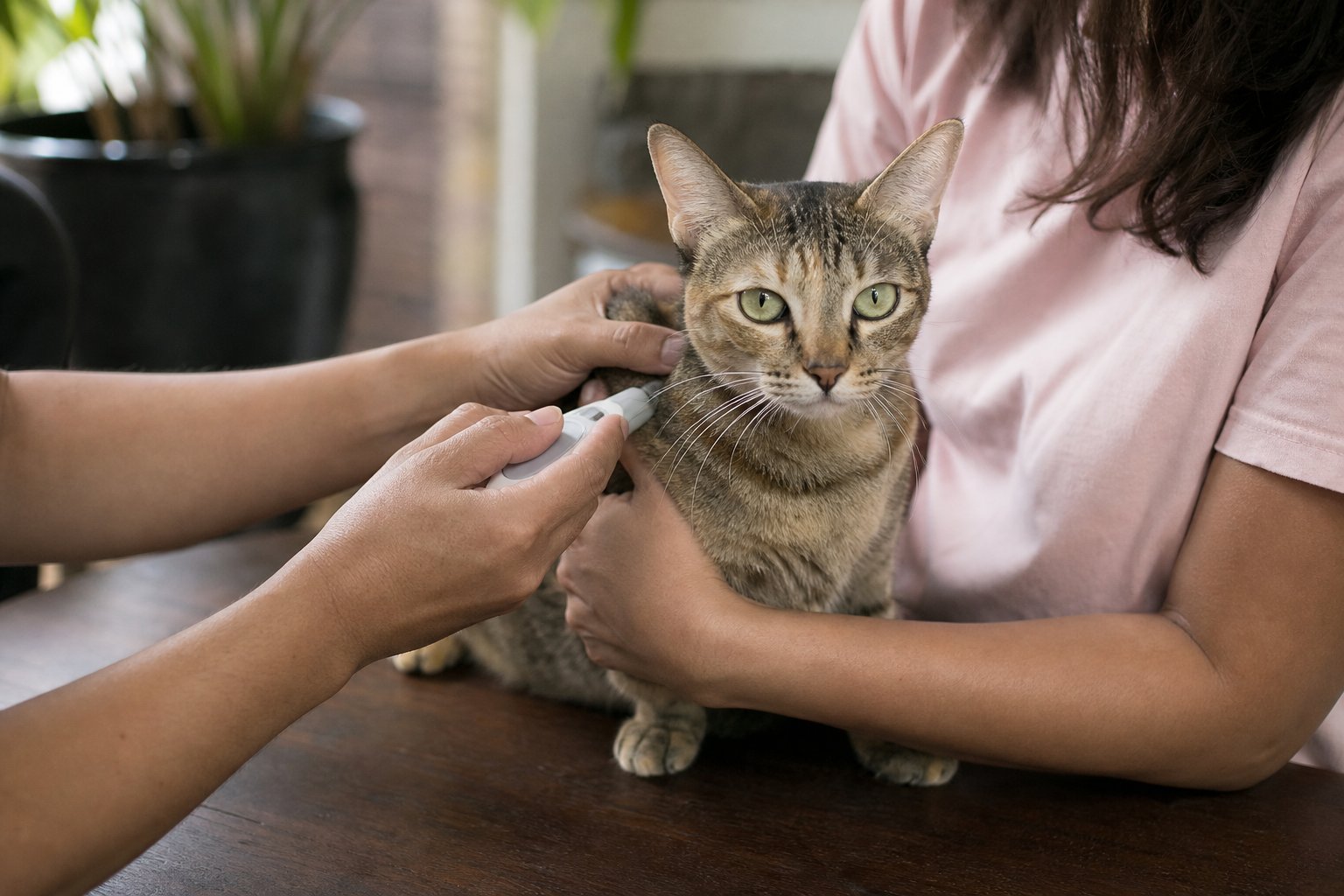
A fine-toothed flea comb is one of the most useful tools you can buy. Comb your cat daily during an active infestation, dipping the comb into soapy water after each stroke to drown fleas. Focus on the tail base, neck, chin and belly. Combing does several things: it removes adults, it helps you monitor progress, and it gives you a chance to check the skin.

Do not rely on combing alone. It will not kill eggs or larvae in the environment, and it will not prevent reinfestation. Think of it as a monitoring and comfort tool alongside proper treatment.
Step 4: Comb and check daily

Step 5: Clean the house properly

Environmental control is where many home flea plans fall short. Fleas in the environment are not affected by products applied to the cat, so you need to reduce their numbers physically.

Washing

  • Wash all pet bedding, blankets and soft toys in hot water, then dry thoroughly in sunlight or a dryer.
  • Wash your own bedding if pets sleep on your bed.
  • Clean cat carriers, scratching post covers and fabric tunnels.

Vacuuming

  • Vacuum floors, rugs, sofa seams, under furniture and along skirting boards.
  • Pay attention to dark, humid corners and areas where your cat sleeps.
  • Dispose of the vacuum bag or empty the canister into an outside bin immediately.
  • Vacuum daily for the first two weeks, then every few days.

Steam and heat

Steam cleaning carpets and upholstery can help kill immature stages. Hot washing and hot drying are more reliable than cold water. If you cannot wash an item, seal it in a plastic bag for several days or leave it in direct sun.

Hard floors and cracks

Sweep and mop hard floors, and clean cracks where dust and flea dirt collect. In Malaysian homes, tiled floors are common, but fleas can still live in grout lines, under mats and in the gaps around built-in furniture.

Step 6: Think about the outdoors

If your cat goes outside or your house has a garden, treat shaded areas where cats rest. Remove leaf litter, keep grass short and discourage stray cats from sheltering under the house or in car porches. Wash outdoor cushions and pet mats. If you use any outdoor product, check that it is safe for cats and follow the label; never use agricultural or garden insecticides around cats without veterinary advice.

In a Kuala Lumpur apartment, the main environmental focus is usually the indoor space: bedding, sofa, carpets and the balcony. In a Johor terrace house, the car porch, garden edge and shaded areas under trees may also need attention, especially if neighbourhood cats visit.
Step 6: Think about the outdoors

Step 7: Keep going for at least three months

The most common reason home flea treatment fails is stopping too soon. Adult fleas on the cat may die within a day or two of treatment, but eggs and pupae in the environment can keep emerging for weeks. Continue treating every cat on schedule and cleaning regularly for at least three months, and ideally keep a year-round prevention routine because of Malaysia's climate.

A simple progress check:

  • Week 1: fewer live fleas, but you may still see some.
  • Week 2–4: flea dirt reduces; scratching should improve.
  • Month 2–3: environment should be much cleaner; new fleas become uncommon.
  • If you still see many fleas after 6–8 weeks of correct treatment, talk to your vet about product choice, application technique or an underlying problem.

Special situations

Kittens

Many flea products are not licensed for very young kittens. Use only products approved for the kitten's age and weight, and ask your vet first. Physical removal with a flea comb and warm water bathing (if the vet agrees) may be safer than chemical treatment in very young animals.

Pregnant and nursing cats

Product choice is limited. Do not guess; ask your vet which product is safe for the mother and the kittens.

Cats with skin disease

If your cat has widespread scabs, hair loss or infected skin, flea treatment alone may not be enough. Flea allergy dermatitis and secondary bacterial infections often need veterinary treatment.

Multi-pet households

Treat all cats and dogs on the same day, and keep species-appropriate products strictly separate. Store dog products where cats cannot reach them.

When to see a vet

Contact a veterinarian if your cat:

  • Has pale gums, weakness or collapse, which can indicate anaemia from heavy flea infestation.
  • Is a kitten, pregnant or nursing, and you are unsure which product is safe.
  • Has severe scratching, hair loss, open sores or signs of skin infection.
  • Vomits, drools, trembles or seems unwell after a flea product is applied.
  • Has been treated correctly for several weeks but fleas persist.
  • Has tapeworm segments around the tail base or in the stool, which may require worming.
  • Has any chronic illness, such as kidney disease or epilepsy, before you start a new product.

Bring the product packaging or note the active ingredient when you visit, so the vet can advise accurately.

A simple home flea checklist

  • Confirm fleas or flea dirt with a comb.
  • Ask your vet which product suits each cat.
  • Treat every cat (and dog) in the house on the same day.
  • Set a reminder for the next dose.
  • Comb daily and drown fleas in soapy water.
  • Wash bedding in hot water.
  • Vacuum daily for two weeks, then every few days.
  • Clean hard floors, cracks and under furniture.
  • Manage shaded outdoor areas and discourage strays.
  • Continue for at least three months and review with your vet.

Bottom line

Treating fleas in cats at home is a three-part job: the cat, the house and the environment. Use a cat-safe product recommended by your vet, treat every pet, clean thoroughly and keep going for months rather than days. Avoid dog products and home remedies that can poison cats, and involve a vet early if your cat is young, unwell or not improving.

This article is general information for Malaysian cat owners and is not a substitute for veterinary advice. Always consult a licensed veterinarian about flea products and your cat's health.

Frequently Asked Questions

πŸ“Œ Key Takeaways

  • This article covers: The short answer, Why fleas are a year-round problem in Malaysia, Step 1: Confirm the problem, Step 2: Choose a safe flea product, Step 3: Treat every cat in the house, and more
  • Jump to any section via the table of contents for the key details
  • If in doubt, consult a registered veterinarian

Explore this topic cluster

This guide belongs to a Malaysia-focused topic cluster. Read the pillar guide and related articles.

View cluster β†’

πŸ“š Cat Health article index

This article is part of the Cat Health topic cluster. Explore related articles:

⭐ Pillar guide: Cat Health complete guideBlood Test for Cats in Malaysia: What It Checks, Costs and When You Need Oneβ†’ ReadBlood Test for Cats Step by Step: What Happens at the Clinicβ†’ ReadBlood Test for Cats: What to Expect (Malaysian Owner's Guide)β†’ ReadCat Constipation Treatment in Malaysia: A Practical Owner's Guideβ†’ ReadCat Dental Pain Treatment in Malaysia: A Practical Owner's Guideβ†’ ReadCat Diarrhea Treatment in Malaysia: A Practical Owner's Guideβ†’ ReadCat Ear Mites Treatment in Malaysia: A Complete Owner's Guideβ†’ ReadCat Eye Infection Treatment in Malaysia: A Practical Owner's Guideβ†’ ReadCat Fleas Treatment in Malaysia: A Practical Owner's Guideβ†’ ReadCat Hair Loss Treatment in Malaysia: A Practical Owner's Guideβ†’ ReadCat Licking Wounds: Why It Happens and How to Treat It in Malaysiaβ†’ ReadCat Poisoning Treatment in Malaysia: What to Do, What to Expect, and How to Prevent Itβ†’ ReadCat Ringworm Treatment in Malaysia: A Practical Owner's Guideβ†’ ReadCat Skin Fungus Treatment in Malaysia: A Practical Owner's Guideβ†’ ReadCat Sneezing Blood: Causes, Treatment and When to See a Vet in Malaysiaβ†’ ReadCat Vomiting Treatment in Malaysia: What to Do and When to See a Vetβ†’ ReadCat Weight Loss Treatment in Malaysia: A Practical Guide for Ownersβ†’ ReadCat Worms Treatment in Malaysia: A Practical Owner's Guideβ†’ ReadChocolate Poisoning and Cats in Malaysia: What Every Owner Should Knowβ†’ ReadConstipation in Cats: Causes, Care and When to See a Vet in Malaysiaβ†’ ReadConstipation in Cats in Malaysia: Causes, Signs and What to Doβ†’ ReadConstipation Prevention for Cats: A Practical Guide for Malaysian Ownersβ†’ ReadDental Pain in Cats: Causes, Signs and Care (Malaysia Guide)β†’ ReadDental Pain in Cats in Malaysia: Signs, Causes and What to Doβ†’ ReadDental Pain Prevention for Cats: A Practical Malaysian Guideβ†’ ReadDeworming Schedule for Cats in Malaysia: A Practical, Vet-Led Guideβ†’ ReadDeworming Schedule for Cats: A Step-by-Step Plan for Malaysian Ownersβ†’ ReadDeworming Schedule for Cats: What to Expect (Malaysia Guide)β†’ ReadDiarrhea in Cats: Causes and Care (Malaysian Owner's Guide)β†’ ReadDiarrhea in Cats in Malaysia: Causes, Home Care and When to See a Vetβ†’ ReadDiarrhea Prevention for Cats: A Practical Guide for Malaysian Ownersβ†’ ReadE-Collar Recovery for Cats in Malaysia: A Practical Guide for Ownersβ†’ ReadE-Collar Recovery for Cats Step by Step: A Practical Guide for Malaysian Ownersβ†’ ReadE-Collar Recovery for Cats: What to Expect (Malaysia Guide)β†’ ReadEar Mites in Cats: Causes and Care (Malaysia Guide)β†’ ReadEar Mites in Cats in Malaysia: Signs, Treatment and Preventionβ†’ ReadEar Mites Prevention for Cats: A Practical Malaysian Guideβ†’ ReadElectrical Cables and Cats in Malaysia: A Practical Safety Guideβ†’ ReadEye Infection in Cats: Causes and Care (Malaysia Guide)β†’ ReadEye Infection in Cats in Malaysia: Causes, Signs, Treatment & Preventionβ†’ ReadEye Infection Prevention for Cats: A Practical Malaysian Guideβ†’ ReadFans and Air Conditioning for Cats in Malaysia: A Practical Comfort Guideβ†’ ReadFlea Treatment for Cats in Malaysia: A Complete Guideβ†’ ReadFlea Treatment for Cats Step by Step: A Practical Malaysian Guideβ†’ ReadFlea Treatment for Cats: What to Expect (Malaysia Guide)β†’ ReadFleas in Cats: Causes and Care (Malaysia Guide)β†’ ReadFleas in Cats in Malaysia: Signs, Treatment and Preventionβ†’ ReadFleas Prevention for Cats in Malaysia: A Practical, Year-Round Planβ†’ ReadGiving Pills for Cats in Malaysia: A Stress-Free Step-by-Step Guideβ†’ ReadGiving Pills for Cats Step by Step: A Calm, Practical Guide for Malaysian Ownersβ†’ ReadGiving Pills for Cats: What to Expect (Malaysian Owner's Guide)β†’ ReadHair Loss in Cats: Causes and Care (Malaysian Owner's Guide)β†’ ReadHair Loss in Cats in Malaysia: Causes, Home Checks and When to See a Vetβ†’ ReadHair Loss Prevention for Cats: A Practical Grooming and Health Guideβ†’ ReadHousehold Cleaning Products and Cats in Malaysia: A Safety Guideβ†’ ReadHow to Prevent Chocolate Poisoning Around Cats: A Practical Guide for Malaysian Homesβ†’ ReadHow to Prevent Electrical Cables Around Cats: A Practical Safety Guide for Malaysian Homesβ†’ ReadHow to Prevent Fan and Aircond Problems Around Cats: A Malaysian Home Guideβ†’ ReadHow to Prevent Household Cleaning Products Around Cats: A Practical Safety Guide for Malaysian Homesβ†’ ReadHow to Prevent Lily Poisoning Around Cats: A Practical Safety Guide for Malaysian Homesβ†’ ReadHow to Prevent Open Windows Around Cats: A Practical Safety Guide for Malaysian Homesβ†’ ReadHow to Prevent Paracetamol Poisoning Around Cats: A Malaysian Safety Guideβ†’ ReadHow to Prevent Plastic Bags Around Cats: A Practical Safety Guide for Malaysian Homesβ†’ ReadHow to Treat Constipation in Cats at Home: A Practical Malaysian Guideβ†’ ReadHow to Treat Dental Pain in Cats at Home: Safe Relief and When to See a Vetβ†’ ReadHow to Treat Diarrhea in Cats at Home: A Practical Malaysian Guideβ†’ ReadHow to Treat Ear Mites in Cats at Home: A Practical Malaysian Guideβ†’ ReadHow to Treat Eye Infection in Cats at Home: Safe Steps for Malaysian Ownersβ†’ ReadHow to Treat Hair Loss in Cats at Home: A Practical Malaysian Guideβ†’ ReadHow to Treat Licking Wounds in Cats at Home: A Practical Guide for Malaysian Ownersβ†’ ReadHow to Treat Poisoning in Cats at Home: First Aid, Safe Steps and When to Rush to the Vetβ†’ ReadHow to Treat Ringworm in Cats at Home: A Practical Guide for Malaysian Ownersβ†’ ReadHow to Treat Skin Fungus in Cats at Home: A Practical Malaysian Guideβ†’ ReadHow to Treat Sneezing Blood in Cats at Home: Safe First Steps for Malaysian Ownersβ†’ ReadHow to Treat Vomiting in Cats at Home: A Practical Malaysian Guideβ†’ ReadHow to Treat Weight Loss in Cats at Home: A Practical Guide for Malaysian Ownersβ†’ ReadHow to Treat Worms in Cats at Home: A Practical, Safe Guide for Malaysian Ownersβ†’ ReadLicking Wounds in Cats: Causes and Care (Malaysian Vet Guide)β†’ ReadLicking Wounds in Cats Malaysia: When It's Normal and When to Stop Itβ†’ ReadLicking Wounds Prevention for Cats: How to Stop the Lick Cycle and Let Skin Healβ†’ ReadLily Poisoning and Cats in Malaysia: Why Every Petal Is an Emergencyβ†’ ReadOpen Windows and Cats in Malaysia: How to Keep Your Cat Safe Without Locking Up the Houseβ†’ ReadParacetamol Poisoning in Cats in Malaysia: Why Even One Tablet Can Be Deadlyβ†’ ReadPlastic Bags and Cats in Malaysia: Why They're Dangerous and How to Keep Your Cat Safeβ†’ ReadPoisoning in Cats: Causes, Symptoms and Care (Malaysia Guide)β†’ ReadPoisoning in Cats in Malaysia: Common Toxins, Signs and What to Doβ†’ ReadPoisoning Prevention for Cats in Malaysia: A Room-by-Room Safety Guideβ†’ ReadRingworm in Cats: Causes, Symptoms and Care (Malaysia Guide)β†’ ReadRingworm in Cats in Malaysia: Signs, Treatment and Preventionβ†’ ReadRingworm Prevention for Cats in Malaysia: A Practical, Vet-Informed Guideβ†’ ReadSigns of Constipation in Cats in Malaysia: What to Watch For and When to Actβ†’ ReadSigns of Dental Pain in Cats in Malaysia: What Owners Missβ†’ ReadSigns of Diarrhea in Cats in Malaysia: What's Normal, What's Notβ†’ ReadSigns of Ear Mites in Cats in Malaysia: How to Spot, Treat and Prevent Themβ†’ ReadSigns of Eye Infection in Cats in Malaysia: What Owners Should Look Forβ†’ ReadSigns of Fleas in Cats in Malaysia: How to Spot, Check and Actβ†’ ReadSigns of Hair Loss in Cats in Malaysia: What to Look For and When to Worryβ†’ ReadSigns of Licking Wounds in Cats Malaysia: How to Spot Problem Lickingβ†’ ReadSigns of Poisoning in Cats in Malaysia: What to Watch For and What to Doβ†’ ReadSigns of Ringworm in Cats in Malaysia: What Owners Should Look Forβ†’ ReadSigns of Skin Fungus in Cats in Malaysia: How to Spot Ringworm Earlyβ†’ ReadBlood in a Cat's Sneeze: Signs, Causes and What to Do in Malaysiaβ†’ ReadSigns of Vomiting in Cats in Malaysia: What's Normal, What's Not, and When to See a Vetβ†’ ReadSigns of Weight Loss in Cats in Malaysia: What to Watch For and When to Worryβ†’ ReadSigns of Worms in Cats in Malaysia: What Owners Should Look Forβ†’ ReadSkin Fungus in Cats: Causes, Signs and Care (Malaysia Guide)β†’ ReadSkin Fungus in Cats in Malaysia: Ringworm Signs, Treatment and Preventionβ†’ ReadSkin Fungus Prevention for Cats: A Practical Guide for Malaysian Homesβ†’ ReadSneezing Blood in Cats: Causes and Care (Malaysia Guide)β†’ ReadSneezing Blood in Cats in Malaysia: Causes, What to Do, and When to See a Vetβ†’ ReadSneezing Blood Prevention for Cats: Causes, Care and When to Worryβ†’ ReadSterilization for Cats in Malaysia: A Complete Guide for Ownersβ†’ ReadSterilization for Cats Step by Step: A Malaysian Owner's Guideβ†’ ReadSterilisation for Cats: What to Expect (Malaysian Owner's Guide)β†’ ReadUltrasound for Cats in Malaysia: What It Is, When It's Needed, and What to Expectβ†’ ReadUltrasound for Cats Step by Step: What Happens, What It Costs, and How to Prepareβ†’ ReadUltrasound for Cats: What to Expect (Malaysian Owner's Guide)β†’ ReadVaccination Side Effects for Cats in Malaysia: What's Normal, What's Notβ†’ ReadVaccination Side Effects for Cats: A Step-by-Step Guide for Malaysian Ownersβ†’ ReadCat Vaccination Side Effects: What Malaysian Owners Should Expectβ†’ ReadVomiting in Cats: Causes and Care (Malaysia Guide)β†’ ReadVomiting in Cats in Malaysia: When It's Normal and When to Worryβ†’ ReadVomiting Prevention for Cats: A Practical Guide for Malaysian Ownersβ†’ ReadWeight Loss in Cats: Causes and Care (Malaysian Vet Guide)β†’ ReadWeight Loss in Cats in Malaysia: Causes, Warning Signs and What to Doβ†’ ReadWeight Loss Prevention for Cats: A Practical Malaysian Guideβ†’ ReadWorms in Cats: Causes and Care (Malaysia Vet Guide)β†’ ReadWorms in Cats in Malaysia: A Practical Owner's Guideβ†’ ReadWorms Prevention for Cats in Malaysia: A Complete Guideβ†’ ReadWound Care for Cats in Malaysia: A Practical Owner's Guideβ†’ ReadWound Care for Cats Step by Step: A Practical Malaysian Guideβ†’ ReadWound Care for Cats: What to Expect, Step by Stepβ†’ ReadX-Ray for Cats in Malaysia: What to Expect, Costs and Safetyβ†’ ReadX-Ray for Cats Step by Step: What Malaysian Owners Should Expectβ†’ ReadX-Ray for Cats: What to Expect (Malaysian Owner's Guide)β†’ ReadArthritis Pet Care in Malaysia: A Practical Guide for Cats and Dogsβ†’ ReadCat Arthritis in Malaysia: 5 Home Signs Your Cat Is in Pain β€” and What to Doβ†’ ReadEarly Signs of Chronic Disease in Cats: 7 Daily Checks and a 4-Week Record Sheetβ†’ ReadCat Chronic Kidney Disease in Malaysia: The Daily Care Routine That Actually Slows It Downβ†’ ReadCat Constipation in Malaysia: The 48-Hour Rule, Red Flags and What Actually Helpsβ†’ ReadCat Dehydration in Malaysia: Home Skin-Turgor Test, 7 Causes and Emergency Signsβ†’ ReadCat Heart Disease in Malaysia: Sleep Breathing Count, HCM Early Signs and When to Rush to the Vetβ†’ ReadCat Kidney Disease in Malaysia: Early Signs, Prevention and Everyday Careβ†’ ReadCat Pancreatitis in Malaysia: Symptoms, fPLI Testing, Treatment and Home Recoveryβ†’ ReadCat Ringworm in Malaysia: Signs, Treatment and Home Cleaning Guideβ†’ ReadCat Symptom Checker Malaysia: 12 Common Signs and a Green-Amber-Red Triage Tableβ†’ ReadPet Deworming in Malaysia: How Often to Worm Your Cat or Dogβ†’ ReadPet Gut Health in Malaysia: Probiotics, Food Transitions and Stool Troubles (Part 2)β†’ ReadCat Gut Health: Probiotics, Antibiotics and Food Transitions Explained (Malaysia)β†’ ReadPet Health Malaysia 2026: Common Cat and Dog Illnesses, Prevention Care and Vet Guidanceβ†’ ReadPet Insurance in Malaysia: How to Compare Plans Before You Signβ†’ ReadPet Poisoning at Home: Household Chemicals, Toxic Plants and When Not to Induce Vomiting (Malaysia)β†’ ReadPet Poisoning at Home: Household Chemicals, Insecticides and Toxic Plants (Malaysia, Part 1)β†’ ReadCat Chronic Disease Early Signs in Malaysia: 7 Daily Checks and a 4-Week Logβ†’ ReadCat Health Guide Malaysia: Symptom Check, Red-Flag Triage & When to See a Vetβ†’ ReadCat Ringworm in Malaysia: Symptoms, Treatment and Home Cleaning Guideβ†’ ReadGut Health, Probiotics & Food Transition Part 2: Practical Malaysia Guideβ†’ ReadPet Health in Malaysia: A Practical Prevention Guide for Cats and Dogsβ†’ Read