
PetChill Pet Encyclopedia
Cat Health

Deworming Schedule for Cats in Malaysia: A Practical, Vet-Led Guide

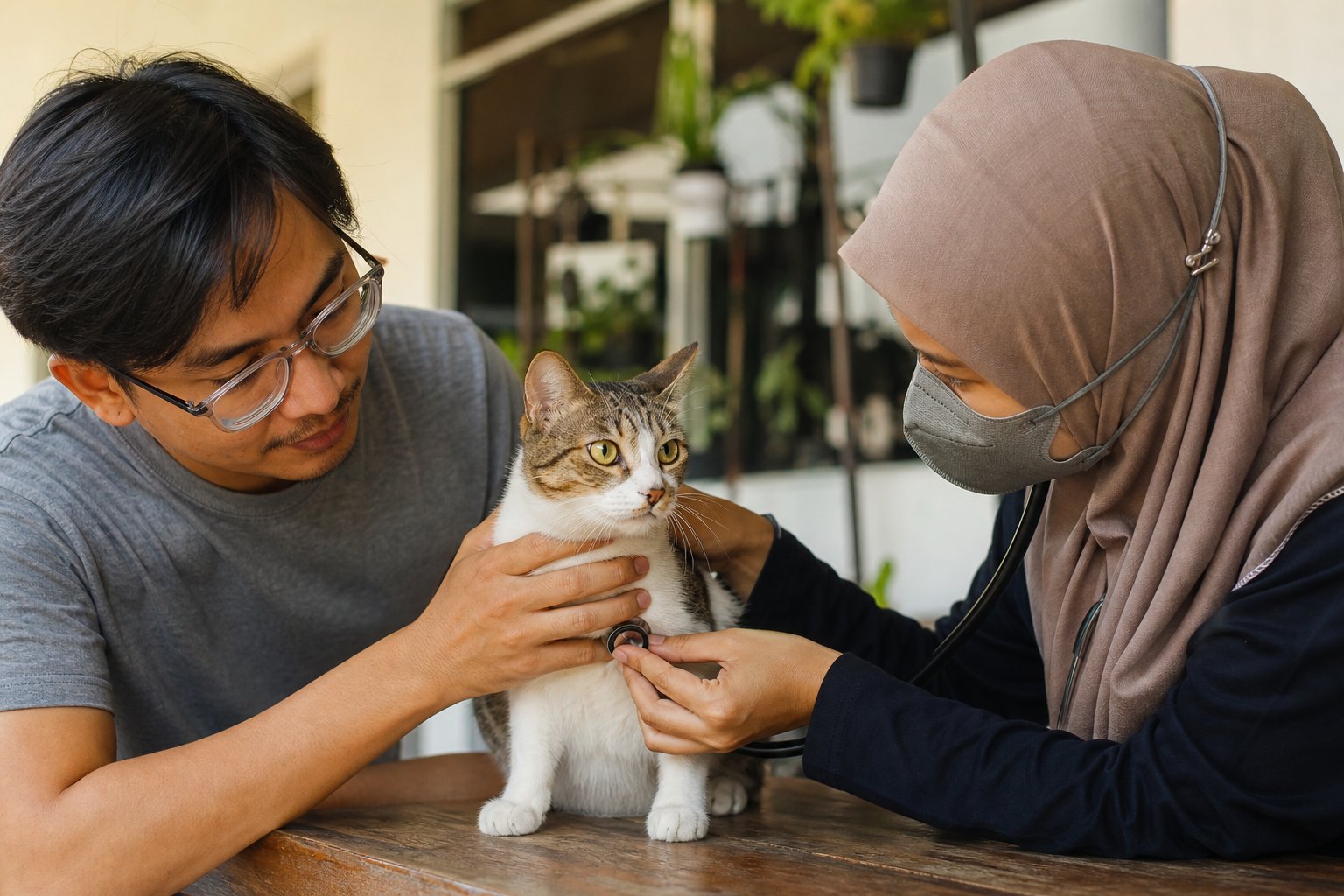
Worms are one of the most common — and most preventable — health problems in Malaysian cats. This guide explains a realistic deworming schedule for kittens and adult cats, how often to treat, which worm types matter, and how to do it safely.

Published: 2026-11-06·7 min read·Author: PetChill Editorial
Deworming Schedule for Cats in Malaysia: A Practical, Vet-Led Guide

💡 Quick Answer

Deworm kittens every 2 weeks until 12 weeks old, then monthly until 6 months, then every 1–3 months as adults. Outdoor or raw-fed cats need quarterly or monthly treatment; strictly indoor cats can often be treated every 3–6 months. Always confirm the product and dose with a Malaysian vet.

The short answer

Deworm kittens every two weeks until they are 12 weeks old, then monthly until six months, then every one to three months as adults. Outdoor cats, raw-fed cats, and cats living with fleas need the shorter end of that range; strictly indoor cats can usually be treated every three to six months. Always confirm the product and dose with a Malaysian vet, because the right schedule depends on your cat's age, weight, lifestyle, and local parasite risk.

Worms are common in Malaysian cats, and most infections are silent. A cat can look healthy, eat well, and still carry roundworms or tapeworms. That is why deworming is a schedule, not a reaction to symptoms.

Why deworming matters more than most owners think

Intestinal worms do more than cause an occasional upset stomach. Roundworms and hookworms steal nutrients, which is especially damaging for kittens. Hookworms attach to the gut wall and can cause anaemia. Tapeworms are usually less dangerous but are a sign of fleas or hunting. In heavy infections, kittens can develop a pot belly, poor growth, and a dull coat.

Some cat worms also matter to people. Roundworm larvae can cause health problems in humans, particularly children who play in soil or sandpits. This is one reason vets recommend routine deworming even for cats that never seem sick.

Malaysia's warm, humid climate supports parasite survival in the environment, and many cats have access to gardens, drains, or community areas. That combination makes regular deworming a sensible default rather than an optional extra.
Why deworming matters more than most owners think

The core deworming schedule for cats in Malaysia

The table below is a practical starting point. Your vet may adjust it based on your cat's situation.

Life stage Typical schedule Notes
Kitten, 2–12 weeks Every 2 weeks Start early; ask the vet about the first dose
Kitten, 3–6 months Monthly Continue until 6 months old
Adult, outdoor or hunting Every 1–3 months Higher exposure to fleas, prey, soil
Adult, raw-fed Every 1–3 months Raw meat can carry parasites
Adult, strictly indoor Every 3–6 months Still treat; fleas and shoes bring eggs in
Pregnant or nursing queen Vet-guided Some products are safe, others are not
Newly adopted cat At intake, then vet plan Test and treat before mixing with resident cats

A simple way to remember it: young cats need frequent treatment, and adult frequency depends on lifestyle. If you are unsure which column your cat fits, ask your vet to help you choose.

Kittens: the most important window

Kittens are the group where deworming matters most. Many kittens are infected before birth or through their mother's milk, so they can carry worms from the first weeks of life. A kitten with a heavy roundworm burden may have a swollen belly, poor weight gain, and a rough coat.

The usual approach is to begin deworming early, often from around two to three weeks of age, and repeat every two weeks until 12 weeks. After that, monthly treatment until six months is common. Your vet will choose a product suitable for a small body weight and will calculate the dose carefully.

Never guess a kitten's dose. Weigh the kitten, use a product labelled for cats, and follow the vet's instructions. If a kitten is unwell, vomiting, or has diarrhoea, get it checked before deworming, because a sick kitten may need a different plan.

Kittens: the most important window

Adult cats: match the schedule to the lifestyle

For adult cats, the question is not whether to deworm but how often. Three factors matter most:

  • Outdoor access. Cats that roam, hunt, or visit community areas meet fleas, prey, and contaminated soil. Quarterly treatment is a common baseline, and monthly may suit heavy hunters.
  • Flea exposure. Tapeworms are spread by fleas. If your cat has fleas, deworming alone will not solve the problem; you also need flea control.
  • Diet. Raw or undercooked meat can carry parasites. Raw-fed cats generally need more frequent deworming, and the vet may choose a product that covers a wider range of worms.

Strictly indoor cats still need deworming, just less often. Worm eggs can arrive on shoes, on hands after gardening, or with a new kitten. A three- to six-month interval is a reasonable default for a healthy indoor cat with no fleas.

Know your worms: what each product covers

Not every dewormer treats every worm. This is one of the most common sources of confusion.

Worm type Common in Malaysia? How cats get it Covered by many common dewormers?
Roundworm Yes Soil, mother's milk, prey Yes
Hookworm Yes Soil, skin contact Yes
Tapeworm Yes Fleas, prey, raw meat Only with specific ingredients
Lungworm Possible Slugs, snails, prey Not always
Heartworm Region-dependent Mosquitoes Only with specific preventives

Tapeworm treatment usually requires an ingredient such as praziquantel. Many routine dewormers combine ingredients so that one dose covers roundworm, hookworm, and tapeworm. If your cat hunts or has fleas, check that the product actually covers tapeworm; otherwise you may be deworming regularly and still missing the problem.

Heartworm is a separate issue. It is spread by mosquitoes, not by soil, and needs a dedicated preventive rather than a standard intestinal dewormer. Ask your vet whether heartworm prevention is appropriate for your cat.

Know your worms: what each product covers

Choosing a dewormer: tablets, spot-ons, and pastes

Dewormers come in several forms, and the best choice is the one you can actually give reliably.

  • Tablets are precise and often inexpensive, but some cats are difficult to pill. A pill popper or hiding the tablet in a small treat can help.
  • Spot-on treatments are applied to the skin at the back of the neck. They are easy for cats that refuse tablets, but you must part the fur and prevent the cat from licking the area until it dries.
  • Pastes and liquids can be useful for kittens or cats that cannot take tablets, but dosing accuracy matters.

Whatever the form, check three things: that the product is labelled for cats, that the dose matches your cat's weight, and that it covers the worms you are targeting. Avoid buying unlabelled or repackaged dewormers, and be cautious with products sold online without clear instructions.

Safety rules every cat owner should follow

Deworming is generally safe when done correctly, but mistakes happen. Keep these rules in mind:

  1. Never use a dog product on a cat. Some dog dewormers contain ingredients that are dangerous to cats.
  2. Weigh your cat. Dose by body weight, not by guesswork, especially for kittens.
  3. Read the label. Check the age minimum, the weight range, and the worms covered.
  4. Do not double-dose. If you are unsure whether a dose was given, ask your vet rather than repeating it.
  5. Separate treatments. If you use a flea product and a dewormer at the same time, check with your vet that the combination is safe.
  6. Watch for reactions. Mild drooling or vomiting can occur; persistent vomiting, lethargy, or wobbliness needs veterinary attention.
  7. Treat the household. If one cat has worms, other cats and kittens may need treatment too.
Safety rules every cat owner should follow

Fleas, hygiene, and the environment

Deworming treats the cat, but it does not clean the environment. Tapeworm eggs and flea larvae can survive in bedding, carpets, and outdoor areas. If fleas are part of the problem, you need flea control on every pet in the house and regular washing of bedding.

Litter trays should be cleaned daily, and hands should be washed after handling soil, litter, or raw meat. In a Kuala Lumpur apartment, where cats often share close indoor space, good litter hygiene and flea control do a lot to reduce repeat infections. In a Johor terrace house with a garden, cats may pick up eggs from soil, so shoes should be kept away from areas where cats sleep and children play.

Special situations: pregnancy, new cats, and multi-cat homes

Pregnant and nursing queens need a vet-guided plan. Some dewormers are safe during pregnancy and nursing, and treating the mother can reduce transmission to kittens. Do not use a product on a pregnant cat without veterinary advice.

Newly adopted cats should be checked soon after arrival. A vet may recommend a faecal test and a deworming plan before the new cat mixes with resident cats. In multi-cat homes, treat all cats on a consistent schedule rather than only the one showing symptoms.

When to see a vet

Contact a vet if your cat has repeated vomiting or diarrhoea, blood in the stool, weight loss, a swollen abdomen, pale gums, or visible worms that keep coming back after treatment. Kittens with any of these signs should be seen promptly. Also see a vet if you are unsure which product to use, if your cat is pregnant or nursing, or if a deworming dose may have been doubled or given incorrectly.

A simple annual checklist

  • Weigh your cat and record the weight.
  • Confirm the deworming interval for your cat's lifestyle.
  • Check that the product covers tapeworm if your cat hunts or has fleas.
  • Keep flea control up to date.
  • Clean litter trays daily and wash bedding regularly.
  • Book a vet check if anything seems off.

Deworming is one of the simplest ways to protect a cat's health. A clear schedule, the right product, and a quick word with your vet will keep most cats well covered.

This article is general information only and is not a substitute for veterinary advice. Always consult a licensed veterinarian for a deworming plan tailored to your cat.

Frequently Asked Questions

📌 Key Takeaways

  • This article covers: The short answer, Why deworming matters more than most owners think, The core deworming schedule for cats in Malaysia, Kittens: the most important window, Adult cats: match the schedule to the lifestyle, and more
  • Jump to any section via the table of contents for the key details
  • If in doubt, consult a registered veterinarian

Explore this topic cluster

This guide belongs to a Malaysia-focused topic cluster. Read the pillar guide and related articles.

View cluster →

📚 Cat Health article index

This article is part of the Cat Health topic cluster. Explore related articles:

⭐ Pillar guide: Cat Health complete guideBlood Test for Cats in Malaysia: What It Checks, Costs and When You Need One→ ReadBlood Test for Cats Step by Step: What Happens at the Clinic→ ReadBlood Test for Cats: What to Expect (Malaysian Owner's Guide)→ ReadCat Constipation Treatment in Malaysia: A Practical Owner's Guide→ ReadCat Dental Pain Treatment in Malaysia: A Practical Owner's Guide→ ReadCat Diarrhea Treatment in Malaysia: A Practical Owner's Guide→ ReadCat Ear Mites Treatment in Malaysia: A Complete Owner's Guide→ ReadCat Eye Infection Treatment in Malaysia: A Practical Owner's Guide→ ReadCat Fleas Treatment in Malaysia: A Practical Owner's Guide→ ReadCat Hair Loss Treatment in Malaysia: A Practical Owner's Guide→ ReadCat Licking Wounds: Why It Happens and How to Treat It in Malaysia→ ReadCat Poisoning Treatment in Malaysia: What to Do, What to Expect, and How to Prevent It→ ReadCat Ringworm Treatment in Malaysia: A Practical Owner's Guide→ ReadCat Skin Fungus Treatment in Malaysia: A Practical Owner's Guide→ ReadCat Sneezing Blood: Causes, Treatment and When to See a Vet in Malaysia→ ReadCat Vomiting Treatment in Malaysia: What to Do and When to See a Vet→ ReadCat Weight Loss Treatment in Malaysia: A Practical Guide for Owners→ ReadCat Worms Treatment in Malaysia: A Practical Owner's Guide→ ReadChocolate Poisoning and Cats in Malaysia: What Every Owner Should Know→ ReadConstipation in Cats: Causes, Care and When to See a Vet in Malaysia→ ReadConstipation in Cats in Malaysia: Causes, Signs and What to Do→ ReadConstipation Prevention for Cats: A Practical Guide for Malaysian Owners→ ReadDental Pain in Cats: Causes, Signs and Care (Malaysia Guide)→ ReadDental Pain in Cats in Malaysia: Signs, Causes and What to Do→ ReadDental Pain Prevention for Cats: A Practical Malaysian Guide→ ReadDeworming Schedule for Cats: A Step-by-Step Plan for Malaysian Owners→ ReadDeworming Schedule for Cats: What to Expect (Malaysia Guide)→ ReadDiarrhea in Cats: Causes and Care (Malaysian Owner's Guide)→ ReadDiarrhea in Cats in Malaysia: Causes, Home Care and When to See a Vet→ ReadDiarrhea Prevention for Cats: A Practical Guide for Malaysian Owners→ ReadE-Collar Recovery for Cats in Malaysia: A Practical Guide for Owners→ ReadE-Collar Recovery for Cats Step by Step: A Practical Guide for Malaysian Owners→ ReadE-Collar Recovery for Cats: What to Expect (Malaysia Guide)→ ReadEar Mites in Cats: Causes and Care (Malaysia Guide)→ ReadEar Mites in Cats in Malaysia: Signs, Treatment and Prevention→ ReadEar Mites Prevention for Cats: A Practical Malaysian Guide→ ReadElectrical Cables and Cats in Malaysia: A Practical Safety Guide→ ReadEye Infection in Cats: Causes and Care (Malaysia Guide)→ ReadEye Infection in Cats in Malaysia: Causes, Signs, Treatment & Prevention→ ReadEye Infection Prevention for Cats: A Practical Malaysian Guide→ ReadFans and Air Conditioning for Cats in Malaysia: A Practical Comfort Guide→ ReadFlea Treatment for Cats in Malaysia: A Complete Guide→ ReadFlea Treatment for Cats Step by Step: A Practical Malaysian Guide→ ReadFlea Treatment for Cats: What to Expect (Malaysia Guide)→ ReadFleas in Cats: Causes and Care (Malaysia Guide)→ ReadFleas in Cats in Malaysia: Signs, Treatment and Prevention→ ReadFleas Prevention for Cats in Malaysia: A Practical, Year-Round Plan→ ReadGiving Pills for Cats in Malaysia: A Stress-Free Step-by-Step Guide→ ReadGiving Pills for Cats Step by Step: A Calm, Practical Guide for Malaysian Owners→ ReadGiving Pills for Cats: What to Expect (Malaysian Owner's Guide)→ ReadHair Loss in Cats: Causes and Care (Malaysian Owner's Guide)→ ReadHair Loss in Cats in Malaysia: Causes, Home Checks and When to See a Vet→ ReadHair Loss Prevention for Cats: A Practical Grooming and Health Guide→ ReadHousehold Cleaning Products and Cats in Malaysia: A Safety Guide→ ReadHow to Prevent Chocolate Poisoning Around Cats: A Practical Guide for Malaysian Homes→ ReadHow to Prevent Electrical Cables Around Cats: A Practical Safety Guide for Malaysian Homes→ ReadHow to Prevent Fan and Aircond Problems Around Cats: A Malaysian Home Guide→ ReadHow to Prevent Household Cleaning Products Around Cats: A Practical Safety Guide for Malaysian Homes→ ReadHow to Prevent Lily Poisoning Around Cats: A Practical Safety Guide for Malaysian Homes→ ReadHow to Prevent Open Windows Around Cats: A Practical Safety Guide for Malaysian Homes→ ReadHow to Prevent Paracetamol Poisoning Around Cats: A Malaysian Safety Guide→ ReadHow to Prevent Plastic Bags Around Cats: A Practical Safety Guide for Malaysian Homes→ ReadHow to Treat Constipation in Cats at Home: A Practical Malaysian Guide→ ReadHow to Treat Dental Pain in Cats at Home: Safe Relief and When to See a Vet→ ReadHow to Treat Diarrhea in Cats at Home: A Practical Malaysian Guide→ ReadHow to Treat Ear Mites in Cats at Home: A Practical Malaysian Guide→ ReadHow to Treat Eye Infection in Cats at Home: Safe Steps for Malaysian Owners→ ReadHow to Treat Fleas in Cats at Home: A Practical Malaysian Guide→ ReadHow to Treat Hair Loss in Cats at Home: A Practical Malaysian Guide→ ReadHow to Treat Licking Wounds in Cats at Home: A Practical Guide for Malaysian Owners→ ReadHow to Treat Poisoning in Cats at Home: First Aid, Safe Steps and When to Rush to the Vet→ ReadHow to Treat Ringworm in Cats at Home: A Practical Guide for Malaysian Owners→ ReadHow to Treat Skin Fungus in Cats at Home: A Practical Malaysian Guide→ ReadHow to Treat Sneezing Blood in Cats at Home: Safe First Steps for Malaysian Owners→ ReadHow to Treat Vomiting in Cats at Home: A Practical Malaysian Guide→ ReadHow to Treat Weight Loss in Cats at Home: A Practical Guide for Malaysian Owners→ ReadHow to Treat Worms in Cats at Home: A Practical, Safe Guide for Malaysian Owners→ ReadLicking Wounds in Cats: Causes and Care (Malaysian Vet Guide)→ ReadLicking Wounds in Cats Malaysia: When It's Normal and When to Stop It→ ReadLicking Wounds Prevention for Cats: How to Stop the Lick Cycle and Let Skin Heal→ ReadLily Poisoning and Cats in Malaysia: Why Every Petal Is an Emergency→ ReadOpen Windows and Cats in Malaysia: How to Keep Your Cat Safe Without Locking Up the House→ ReadParacetamol Poisoning in Cats in Malaysia: Why Even One Tablet Can Be Deadly→ ReadPlastic Bags and Cats in Malaysia: Why They're Dangerous and How to Keep Your Cat Safe→ ReadPoisoning in Cats: Causes, Symptoms and Care (Malaysia Guide)→ ReadPoisoning in Cats in Malaysia: Common Toxins, Signs and What to Do→ ReadPoisoning Prevention for Cats in Malaysia: A Room-by-Room Safety Guide→ ReadRingworm in Cats: Causes, Symptoms and Care (Malaysia Guide)→ ReadRingworm in Cats in Malaysia: Signs, Treatment and Prevention→ ReadRingworm Prevention for Cats in Malaysia: A Practical, Vet-Informed Guide→ ReadSigns of Constipation in Cats in Malaysia: What to Watch For and When to Act→ ReadSigns of Dental Pain in Cats in Malaysia: What Owners Miss→ ReadSigns of Diarrhea in Cats in Malaysia: What's Normal, What's Not→ ReadSigns of Ear Mites in Cats in Malaysia: How to Spot, Treat and Prevent Them→ ReadSigns of Eye Infection in Cats in Malaysia: What Owners Should Look For→ ReadSigns of Fleas in Cats in Malaysia: How to Spot, Check and Act→ ReadSigns of Hair Loss in Cats in Malaysia: What to Look For and When to Worry→ ReadSigns of Licking Wounds in Cats Malaysia: How to Spot Problem Licking→ ReadSigns of Poisoning in Cats in Malaysia: What to Watch For and What to Do→ ReadSigns of Ringworm in Cats in Malaysia: What Owners Should Look For→ ReadSigns of Skin Fungus in Cats in Malaysia: How to Spot Ringworm Early→ ReadBlood in a Cat's Sneeze: Signs, Causes and What to Do in Malaysia→ ReadSigns of Vomiting in Cats in Malaysia: What's Normal, What's Not, and When to See a Vet→ ReadSigns of Weight Loss in Cats in Malaysia: What to Watch For and When to Worry→ ReadSigns of Worms in Cats in Malaysia: What Owners Should Look For→ ReadSkin Fungus in Cats: Causes, Signs and Care (Malaysia Guide)→ ReadSkin Fungus in Cats in Malaysia: Ringworm Signs, Treatment and Prevention→ ReadSkin Fungus Prevention for Cats: A Practical Guide for Malaysian Homes→ ReadSneezing Blood in Cats: Causes and Care (Malaysia Guide)→ ReadSneezing Blood in Cats in Malaysia: Causes, What to Do, and When to See a Vet→ ReadSneezing Blood Prevention for Cats: Causes, Care and When to Worry→ ReadSterilization for Cats in Malaysia: A Complete Guide for Owners→ ReadSterilization for Cats Step by Step: A Malaysian Owner's Guide→ ReadSterilisation for Cats: What to Expect (Malaysian Owner's Guide)→ ReadUltrasound for Cats in Malaysia: What It Is, When It's Needed, and What to Expect→ ReadUltrasound for Cats Step by Step: What Happens, What It Costs, and How to Prepare→ ReadUltrasound for Cats: What to Expect (Malaysian Owner's Guide)→ ReadVaccination Side Effects for Cats in Malaysia: What's Normal, What's Not→ ReadVaccination Side Effects for Cats: A Step-by-Step Guide for Malaysian Owners→ ReadCat Vaccination Side Effects: What Malaysian Owners Should Expect→ ReadVomiting in Cats: Causes and Care (Malaysia Guide)→ ReadVomiting in Cats in Malaysia: When It's Normal and When to Worry→ ReadVomiting Prevention for Cats: A Practical Guide for Malaysian Owners→ ReadWeight Loss in Cats: Causes and Care (Malaysian Vet Guide)→ ReadWeight Loss in Cats in Malaysia: Causes, Warning Signs and What to Do→ ReadWeight Loss Prevention for Cats: A Practical Malaysian Guide→ ReadWorms in Cats: Causes and Care (Malaysia Vet Guide)→ ReadWorms in Cats in Malaysia: A Practical Owner's Guide→ ReadWorms Prevention for Cats in Malaysia: A Complete Guide→ ReadWound Care for Cats in Malaysia: A Practical Owner's Guide→ ReadWound Care for Cats Step by Step: A Practical Malaysian Guide→ ReadWound Care for Cats: What to Expect, Step by Step→ ReadX-Ray for Cats in Malaysia: What to Expect, Costs and Safety→ ReadX-Ray for Cats Step by Step: What Malaysian Owners Should Expect→ ReadX-Ray for Cats: What to Expect (Malaysian Owner's Guide)→ ReadArthritis Pet Care in Malaysia: A Practical Guide for Cats and Dogs→ ReadCat Arthritis in Malaysia: 5 Home Signs Your Cat Is in Pain — and What to Do→ ReadEarly Signs of Chronic Disease in Cats: 7 Daily Checks and a 4-Week Record Sheet→ ReadCat Chronic Kidney Disease in Malaysia: The Daily Care Routine That Actually Slows It Down→ ReadCat Constipation in Malaysia: The 48-Hour Rule, Red Flags and What Actually Helps→ ReadCat Dehydration in Malaysia: Home Skin-Turgor Test, 7 Causes and Emergency Signs→ ReadCat Heart Disease in Malaysia: Sleep Breathing Count, HCM Early Signs and When to Rush to the Vet→ ReadCat Kidney Disease in Malaysia: Early Signs, Prevention and Everyday Care→ ReadCat Pancreatitis in Malaysia: Symptoms, fPLI Testing, Treatment and Home Recovery→ ReadCat Ringworm in Malaysia: Signs, Treatment and Home Cleaning Guide→ ReadCat Symptom Checker Malaysia: 12 Common Signs and a Green-Amber-Red Triage Table→ ReadPet Deworming in Malaysia: How Often to Worm Your Cat or Dog→ ReadPet Gut Health in Malaysia: Probiotics, Food Transitions and Stool Troubles (Part 2)→ ReadCat Gut Health: Probiotics, Antibiotics and Food Transitions Explained (Malaysia)→ ReadPet Health Malaysia 2026: Common Cat and Dog Illnesses, Prevention Care and Vet Guidance→ ReadPet Insurance in Malaysia: How to Compare Plans Before You Sign→ ReadPet Poisoning at Home: Household Chemicals, Toxic Plants and When Not to Induce Vomiting (Malaysia)→ ReadPet Poisoning at Home: Household Chemicals, Insecticides and Toxic Plants (Malaysia, Part 1)→ ReadCat Chronic Disease Early Signs in Malaysia: 7 Daily Checks and a 4-Week Log→ ReadCat Health Guide Malaysia: Symptom Check, Red-Flag Triage & When to See a Vet→ ReadCat Ringworm in Malaysia: Symptoms, Treatment and Home Cleaning Guide→ ReadGut Health, Probiotics & Food Transition Part 2: Practical Malaysia Guide→ ReadPet Health in Malaysia: A Practical Prevention Guide for Cats and Dogs→ Read

Related products at PetChill
