
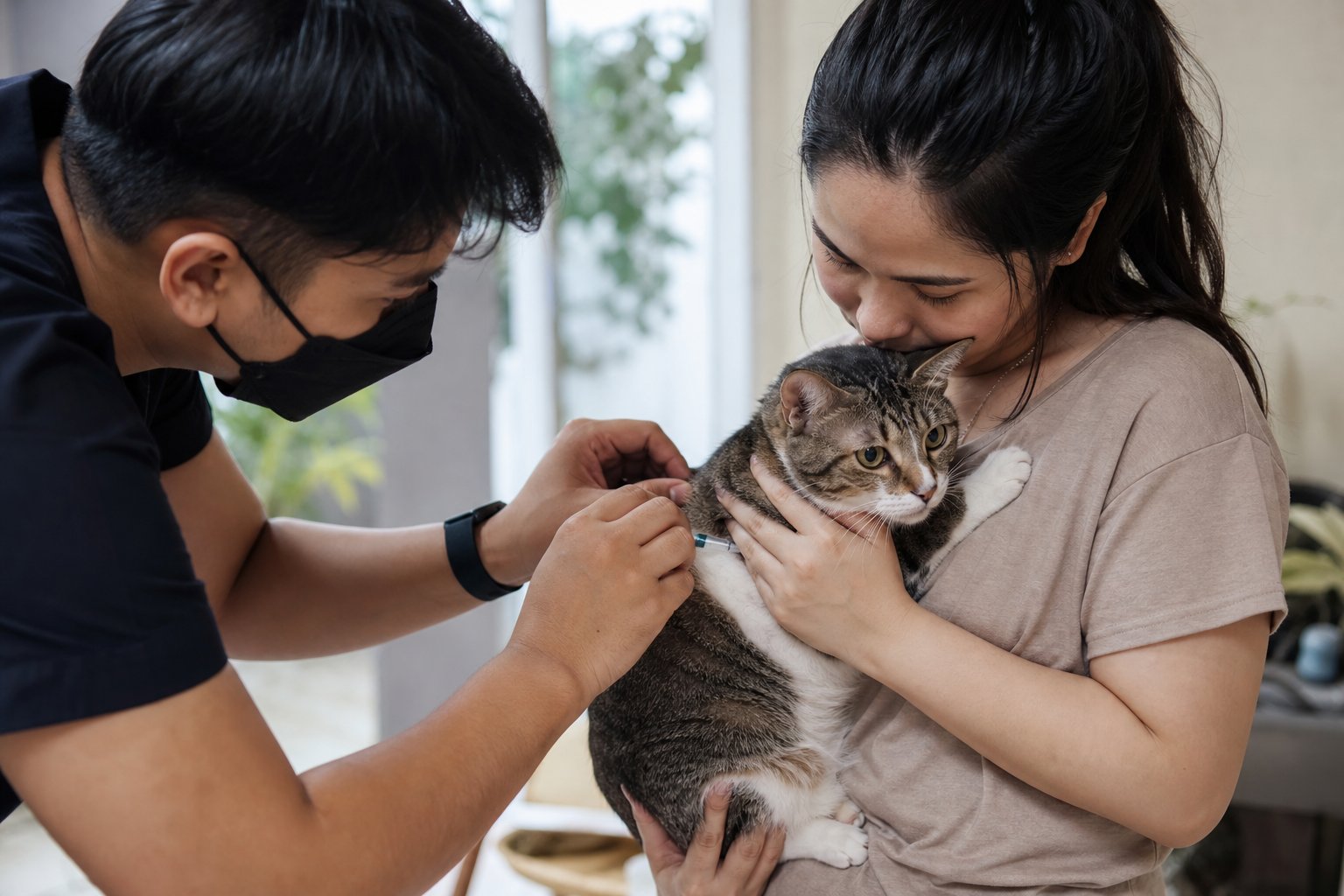
What to expect from a cat deworming schedule
Deworming is one of the simplest ways to protect your cat, but the schedule changes with age, lifestyle and risk. Expect kittens to start early and repeat often, adults to settle into a routine, and cats that hunt or eat raw food to need closer monitoring. You will also need to watch for mild side effects and know when to call a vet. This guide walks through the schedule, the worms involved, how to give treatment, and what is normal after a dose.
Why deworming matters and which worms you are targeting
Cats in Malaysia can pick up several internal parasites. The common ones are roundworms, hookworms, tapeworms and, less often, whipworms. Roundworms are especially common in kittens and can be passed from mother to kittens. Hookworms attach to the gut lining and can cause anaemia, especially in young or weak cats. Tapeworms are often linked to fleas or hunting. Some worms can also affect people, which is one reason routine deworming is recommended even for cats that stay indoors.
Dewormers are not all the same. Some target roundworms and hookworms, some add tapeworms, and some also cover lungworm or other parasites. That is why the product matters as much as the schedule. A cheap dewormer that only covers one worm type may leave gaps. Your vet can recommend a product based on your cat's age, weight and risk.

The core deworming schedule at a glance
The table below is a general guide. Your vet may adjust it for your cat's health, weight and lifestyle.
| Life stage | Typical schedule | What to expect |
|---|---|---|
| Kittens (2–12 weeks) | Start at 2–3 weeks, repeat every 2 weeks until 12 weeks | Small doses, weight checks, possible soft stool |
| Kittens (3–6 months) | Monthly until 6 months | Growing weight means dose changes |
| Adults (indoor, low risk) | Every 3 months | Routine, easy to remember |
| Adults (outdoor, hunting, raw-fed) | Every 1–2 months | More frequent checks, stool tests may help |
| Pregnant or nursing queens | Only under vet advice | Some products are not approved |
| Senior or unwell cats | Vet-guided | Health check before treatment |
What to expect with kittens
Kittens are the group most likely to carry roundworms, and they can be infected before birth or through their mother's milk. That is why deworming often starts when kittens are only 2–3 weeks old. At this age, doses are tiny and based on weight, so a vet or experienced breeder should guide you. Expect to repeat the dose every two weeks until about 12 weeks, then monthly until six months.
Kittens grow quickly, so the dose that was right at 4 weeks may be too low at 8 weeks. Weigh your kitten before each dose if possible. A kitchen scale works for small kittens. If you are unsure, ask your vet to check the weight and dose.
Some kittens have a mild tummy upset after deworming, such as soft stool or a day of reduced appetite. This usually settles. If a kitten vomits repeatedly, seems weak or stops eating, contact a vet.

What to expect with adult cats
Healthy adult indoor cats are often dewormed every three months. Cats that go outside, hunt, live with fleas or eat raw food may need treatment every one to two months. Your vet may also recommend a stool test to check for worms before choosing a product.
Expect the routine to be simple: weigh your cat, choose the right product, give the dose, and note the date. Some owners use a calendar reminder or a note in their phone. If you have multiple cats, treat them around the same time to reduce reinfection.
Choosing a dewormer: what to look for
Dewormers come as tablets, spot-on liquids, pastes and granules. Tablets are common and often inexpensive, but some cats are difficult to pill. Spot-on products are easier for some owners but can leave a wet patch on the fur. Pastes can be useful for kittens. The best choice is the one your cat will actually take and that covers the worms in your area.
Check the label for the active ingredient and the worms covered. A product that covers roundworms and hookworms is a basic choice; adding tapeworm coverage is common for cats with fleas or hunting habits. Never use a dog dewormer on a cat unless the label says it is safe for cats. Some dog products contain ingredients that are dangerous to cats.

How to give a dewormer and what to expect
Giving a tablet can be easier with a treat or a small amount of wet food, but check whether the product should be given with food. Some tablets can be crushed and mixed, but others must be swallowed whole. Spot-on products go on the skin at the back of the neck, where your cat cannot lick them off. Part the fur and apply directly to the skin.
After treatment, watch your cat for a day. Mild drooling can happen if a tablet tastes bitter. Soft stool or a small vomit can occur. Most cats return to normal quickly. If your cat has a known health problem, ask your vet before giving any dewormer.
Side effects and red flags
Most cats tolerate deworming well. Mild effects include:
- Drooling or lip smacking after a tablet
- Soft stool for a day
- A single vomit
- Slightly reduced appetite
- Tiredness
Contact a vet if you see:
- Repeated vomiting
- Vomiting that lasts more than 24 hours
- Refusing food for more than a day
- Weakness or collapse
- Swelling, rash or difficulty breathing after a spot-on product
- Blood in stool or vomit
These signs are uncommon, but they are worth acting on quickly.
When to see a vet
See a vet if your cat has ongoing diarrhoea, weight loss, a pot-bellied appearance, pale gums, or if you see worms in stool or vomit that do not clear after treatment. Kittens with diarrhoea or weakness should be seen promptly because they can dehydrate quickly. Pregnant cats, senior cats and cats with other illnesses should have a vet check before deworming. If you are unsure which product to use, a vet or veterinary pharmacist can help.
Practical examples for Malaysian homes
In a Kuala Lumpur apartment, an indoor cat may only need deworming every three months, but if the cat shares a lift lobby or visits a grooming salon, your vet may suggest closer monitoring. In a Johor terrace house with a garden, a cat that hunts lizards or eats raw food may need more frequent treatment and flea control. Penang's rainy season can bring more fleas and damp conditions, so check your cat's coat and stool more often during wet months.
Record keeping and reminders
Keep a simple record: date, product name, dose and your cat's weight. This helps your vet avoid double-dosing and spot gaps. If you have a multi-cat home, a shared calendar works well. Some owners set a phone reminder every three months. If you use a spot-on product, note the date so you do not apply the next dose too soon.
Deworming and flea control go together
Tapeworms are often linked to fleas. If your cat has fleas, deworming alone may not stop tapeworm reinfection. Use a flea treatment recommended for your cat and treat the environment. Wash bedding, vacuum regularly and check other pets. In Malaysia's warm climate, fleas can be active year-round, so flea control is often a year-round job.
Deworming during pregnancy and nursing
Pregnant and nursing queens can pass roundworms to kittens. Some dewormers are approved for use during pregnancy, but not all. Ask your vet before treating. Many vets recommend deworming the queen and starting kittens on a schedule early. Do not use a product unless the label or your vet confirms it is safe for pregnancy.
Common mistakes to avoid
- Guessing the dose instead of weighing your cat
- Using a dog product on a cat
- Stopping after one dose when repeats are needed
- Forgetting flea control
- Treating kittens with adult doses
- Ignoring mild symptoms that last more than a day
What to expect after treatment
You may see worms in the stool or vomit after the first dose. This can be unsettling but is often a sign the treatment is working. Some cats need a repeat dose to clear the infection. Expect your cat's appetite and energy to improve over the following days if worms were the cause of the problem. If nothing changes and symptoms continue, see your vet.
A simple checklist
- Weigh your cat
- Check the product label for cat safety and worms covered
- Give the correct dose
- Note the date
- Watch for side effects for 24 hours
- Repeat on schedule
- Keep flea control up to date
- See a vet if symptoms persist
Final word
Deworming is a routine part of cat care, but it is not one-size-fits-all. Kittens need early and frequent treatment, adults need a routine, and higher-risk cats need closer attention. When in doubt, ask your vet. They can tailor the schedule to your cat and your home.
This article is general information only and is not a substitute for veterinary advice. Always consult a licensed veterinarian for diagnosis and treatment.
Related reading
- Deworming Schedule for Cats: A Step-by-Step Plan for Malaysian Owners
- Ear Mites Prevention for Cats: A Practical Malaysian Guide
- How to Treat Diarrhea in Cats at Home: A Practical Malaysian Guide
- How to Treat Eye Infection in Cats at Home: Safe Steps for Malaysian Owners
- Pet Health Malaysia 2026: Common Cat and Dog Illnesses, Prevention Care and Vet Guidance
- Ultrasound for Cats Step by Step: What Happens, What It Costs, and How to Prepare
- Worms in Cats: Causes and Care (Malaysia Vet Guide)
- Worms Prevention for Cats in Malaysia: A Complete Guide
- Blood Test for Cats Step by Step: What Happens at the Clinic

