
PetChill Pet Encyclopedia
Cat Health

Sterilization for Cats Step by Step: A Malaysian Owner's Guide

Sterilization for cats step by step: from booking the appointment and fasting rules to post-surgery care, wound checks and recovery timelines, written for Malaysian cat owners.

Published: 2026-11-06Β·9 min readΒ·Author: PetChill Editorial
Sterilization for Cats Step by Step: A Malaysian Owner''s Guide

πŸ’‘ Quick Answer

Sterilization for cats step by step means booking a vet visit, confirming your cat is healthy enough for anaesthesia, fasting overnight, dropping your cat off for spay or neuter surgery, then managing a quiet recovery at home with a cone, restricted activity, wound checks and a follow-up visit about 7 to 10 days later.

The short answer first

Sterilization for cats step by step is simpler than many owners expect. You book a vet appointment, have your cat checked, fast her overnight, drop her off for surgery, then bring her home to a quiet room with a cone, restricted jumping and daily wound checks. A follow-up visit usually happens about 7 to 10 days later. The whole process takes planning, but most cats recover well.

This guide walks through each stage in order, with practical notes for Malaysian homes, apartments and multi-cat households.

Step 1: Understand what sterilization means for a cat

Sterilization is the general term for surgery that removes a cat's ability to reproduce. For females, the procedure is called spaying and involves removing the ovaries, and often the uterus. For males, it is called neutering and involves removing the testicles.

Both operations are routine in veterinary practice. They are performed under general anaesthesia, and most cats go home the same day. The main differences are the incision size, surgery time and recovery pace.

Feature Spay (female) Neuter (male)
What is removed Ovaries, usually with uterus Testicles
Incision Small abdominal incision Small scrotal incisions
Surgery time Usually longer Usually shorter
Home stay Often same day Often same day
Activity restriction Strict for about 10 to 14 days Strict for about 7 to 10 days
Cone or recovery suit Strongly recommended Usually recommended
Common risks Bleeding, infection, wound opening Swelling, licking, infection

Sterilization is not only about preventing litters. It also removes the heat cycle in females, reduces roaming and urine marking in males, and lowers the risk of some reproductive cancers and uterine infections later in life. Your vet can explain the health trade-offs for your individual cat.

Step 1: Understand what sterilization means for a cat

Step 2: Decide on timing and check your cat's health

Most vets will sterilize kittens from around four to six months old, before the first heat. Some prefer a slightly older or heavier cat, especially if there are health concerns. There is no single perfect age for every cat, so let your vet assess yours.

Before booking, your cat should be generally healthy. Your vet may check weight, listen to the heart and lungs, and review vaccination history. If your cat has a cold, diarrhoea, fever or is unwell, surgery is usually postponed until she recovers.

A useful pre-surgery checklist:

  • Confirm your cat's age and weight with your vet.
  • Update vaccinations as advised.
  • Ask about deworming and flea treatment.
  • Tell the vet about any previous illness or medication.
  • Ask whether blood tests are recommended for your cat.
  • Confirm the clinic's fasting instructions in writing or by message.

If you have a female cat who has already had a litter, she can usually still be spayed, but discuss timing with your vet. If you have a male cat with one or both testicles not descended, mention it at booking because that surgery can be more complex.

Step 3: Book the appointment and prepare your home

Call a few clinics and ask what their sterilization package includes. Some quote a single fee covering surgery, anaesthesia and basic medication; others charge separately. Prices vary by location, clinic, cat size and sex, so ask for the total estimate rather than assuming.

Once booked, prepare a recovery space before surgery day. A small room, bathroom or large cage works well. You will need:

  • A clean, soft bed or folded towels.
  • A litter box with low sides so your cat can step in easily.
  • Food and water bowls within easy reach.
  • A recovery cone or soft collar, or a cat recovery suit if your vet approves.
  • A carrier for the trip home.
  • A notebook or phone note for medication times and wound checks.

If you have other pets, plan to separate them for the first few days. Cats often want to sniff and groom a recovering cat, which can irritate the wound.

Step 3: Book the appointment and prepare your home

Step 4: Follow fasting and drop-off instructions exactly

Anaesthesia safety depends partly on an empty stomach. Your vet will usually ask you to stop food for about six to eight hours before surgery. Water instructions vary, so follow your clinic's advice rather than guessing.

On the morning of surgery:

  1. Keep your cat indoors and calm.
  2. Remove food at the instructed time.
  3. Do not give treats or milk.
  4. Place your cat in a secure carrier.
  5. Bring any requested records or medication.
  6. Arrive on time and confirm your phone number.

At drop-off, the vet or nurse will confirm consent, check your cat again and explain the expected pickup time. Ask who to call if you have concerns during the day.

Step 5: What happens during surgery

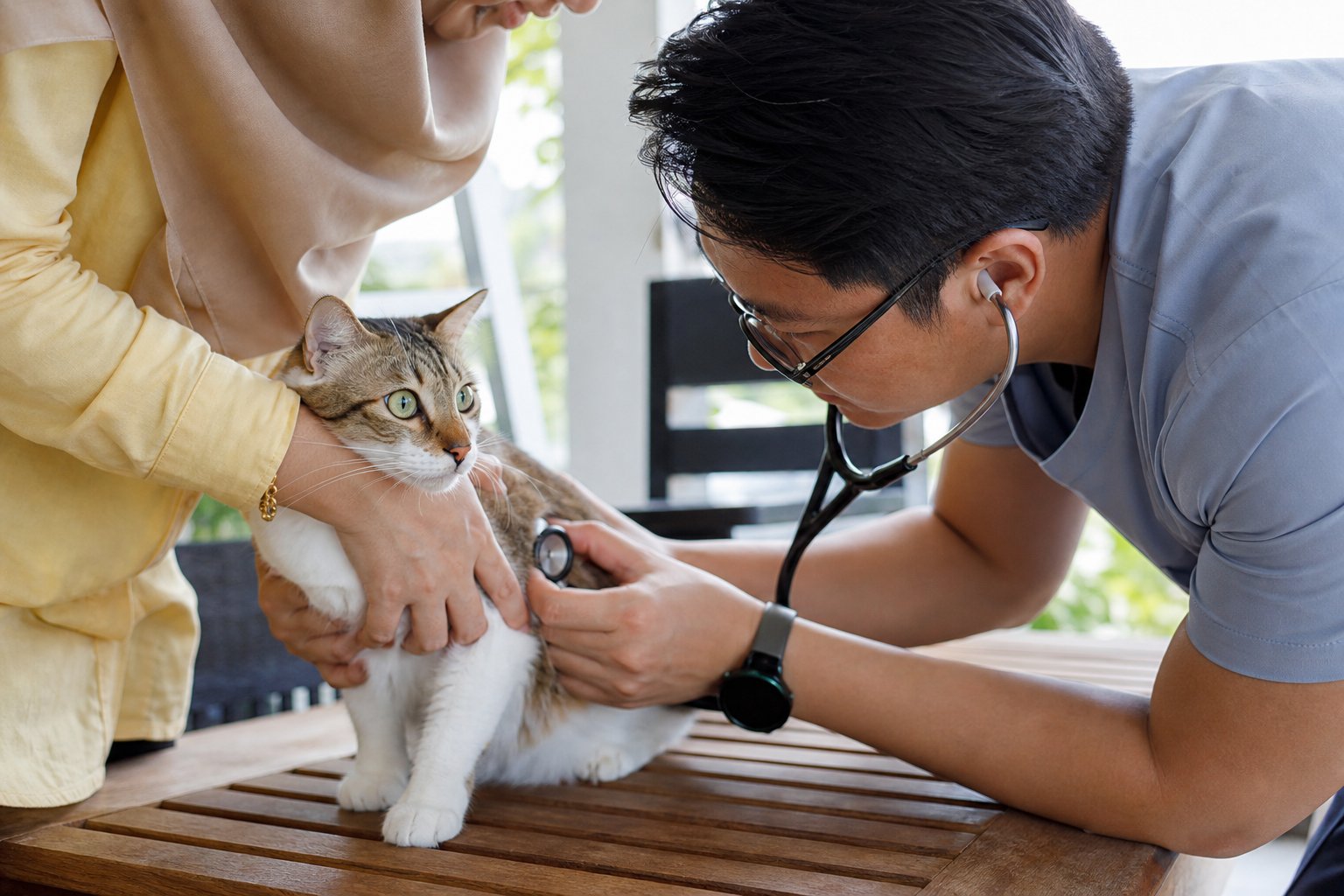
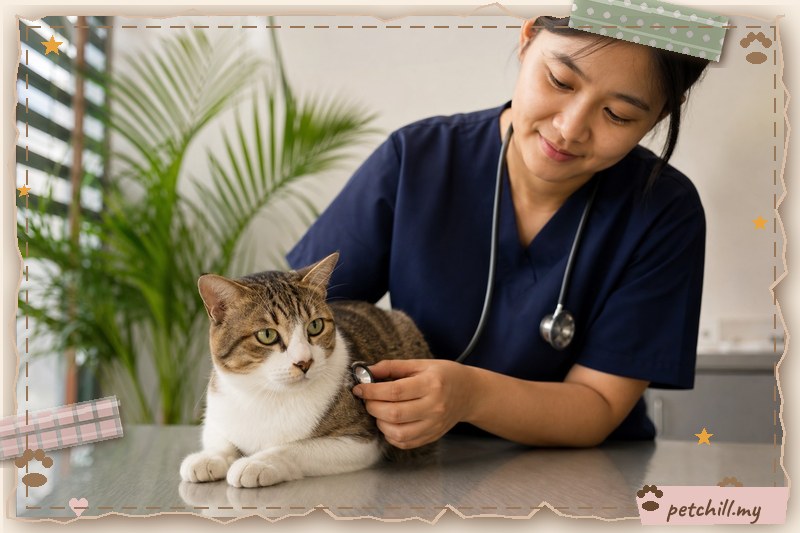
The clinic will usually place an intravenous catheter, give pain relief and induce anaesthesia. A veterinary nurse or vet monitors breathing, heart rate and temperature throughout. For a spay, the surgeon makes a small incision on the abdomen, removes the ovaries and usually the uterus, then closes the layers with sutures, staples or internal stitches. For a neuter, the surgeon removes the testicles through small scrotal incisions.

Many clinics use pain relief that lasts through the first day. Some also send home additional pain medication. Ask for clear written instructions on dosage and timing.
Step 5: What happens during surgery

Step 6: Pickup and the first night at home

When you collect your cat, she may be sleepy, wobbly or quiet. This is normal after anaesthesia. The vet will check that she is awake enough to go home and will explain wound care, medication and warning signs.

For the first night:

  • Keep your cat in the prepared recovery room.
  • Provide water and a small meal only when your vet says it is okay.
  • Keep the room warm and quiet.
  • Do not let her jump onto high surfaces.
  • Check the wound once, gently, without rubbing.
  • Note the time of any pain medication given.

Some cats vomit or refuse food on the first night. Offer small amounts and call your vet if vomiting continues or your cat seems very painful.

Step 7: Daily recovery care for 7 to 14 days

Recovery care is where owners make the biggest difference. The goal is to keep the wound clean, dry and undisturbed while your cat heals.

Daily routine:

  1. Check the incision each morning and evening. Look for redness, swelling, discharge, bleeding or an opening.
  2. Confirm the cone or recovery suit is secure and comfortable.
  3. Give medication exactly as prescribed.
  4. Keep activity restricted. No jumping, stairs or rough play.
  5. Keep the litter box clean and use low-dust litter if possible.
  6. Prevent licking and scratching. A cone is not cruel; it protects the wound.
  7. Offer small, frequent meals and fresh water.
  8. Note appetite, drinking, urination and bowel movements.

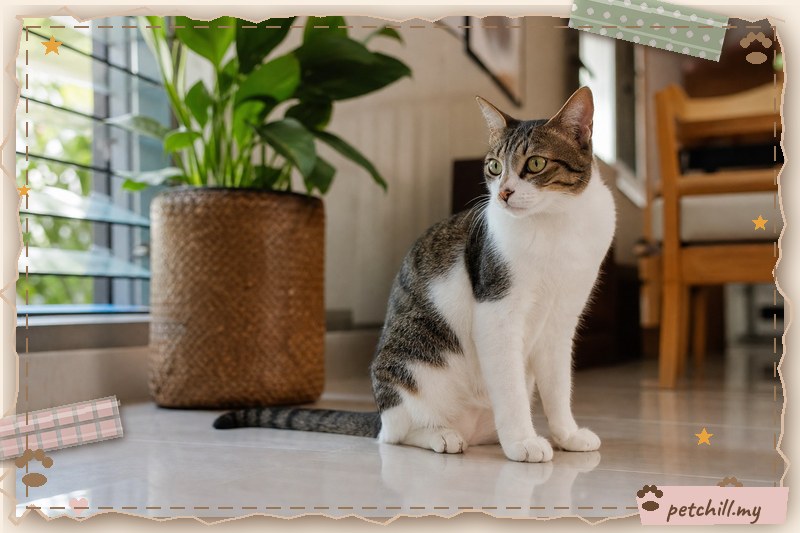
Most cats improve quickly. Females usually need closer monitoring for the first few days because their incision is on the abdomen. Males can develop some scrotal swelling, which often settles, but increasing swelling or discharge should be checked.
Step 7: Daily recovery care for 7 to 14 days

Step 8: The follow-up visit and returning to normal

Your vet will usually want to see your cat about 7 to 10 days after surgery, or sooner if stitches need removing. At this visit, the vet checks the wound, confirms healing and tells you when the cone can come off.

Do not remove the cone early just because your cat seems fine. Cats can lick a healing wound open very quickly. Wait for your vet's approval.

Once cleared, you can gradually return to normal activity. Keep an eye on the wound for another week. If your cat goes outdoors, keep her inside until healing is complete and she is fully alert.

Step 9: Manage behaviour and weight after sterilization

Sterilization changes hormones, and some cats become calmer or more affectionate. Others may gain weight because appetite increases while energy needs drop slightly. This is manageable with portion control and play.

Practical habits:

  • Measure food instead of free-feeding.
  • Use puzzle feeders or scatter feeding for enrichment.
  • Schedule short play sessions twice a day.
  • Weigh your cat monthly and adjust portions with your vet.
  • Choose a diet suited to your cat's age and activity level.

Male cats that previously sprayed urine may improve, but the habit can persist if it has been learned over a long time. Clean soiled areas thoroughly and ask your vet for advice.

Special situations Malaysian owners should plan for

Malaysian homes vary widely, and recovery plans should match your setup.

  • Kuala Lumpur apartment: Keep your cat in a small room away from balcony rails and open windows. High-rise cats may try to jump onto furniture, so clear low surfaces and provide a floor-level bed. If your building has a lift or lobby, use a secure carrier for the follow-up visit.
  • Johor terrace house: Other cats and free-roaming neighbourhood cats may gather at doors and windows. Keep the recovering cat in an indoor room and ask family members to close doors gently. If you have a multi-cat home, separate the recovering cat for at least the first few days.
  • Penang rainy season: Damp weather makes it harder to keep a wound dry if your cat goes outside. Keep her indoors, dry the fur around the incision if it gets wet, and change bedding promptly. Humidity can also make a cone uncomfortable, so check for rubbing and keep the room ventilated.

If you foster or feed community cats, talk to your vet about welfare group sterilization campaigns in your area. These can make the process more affordable, but availability varies.

Common myths and practical answers

Myth: My cat should have one litter first. There is no health need for a cat to have a litter before sterilization. Spaying before the first heat is generally simpler and lowers the risk of some reproductive problems.

Myth: Sterilization makes cats lazy. Hormonal changes can affect metabolism, but activity and feeding habits matter more. Play and portion control keep most cats fit.

Myth: Male cats do not need surgery. Neutering reduces roaming, fighting and urine marking, and prevents testicular problems. It is a routine procedure with a short recovery.

Myth: The cone is optional. For many cats, it is essential. Licking is the most common cause of wound complications. Ask your vet whether a recovery suit is suitable for your cat.

When to see a vet

Contact your vet promptly if you notice any of the following after sterilization:

  • Bleeding from the incision that does not stop.
  • Increasing redness, swelling, heat or pus.
  • The wound opening or stitches coming loose.
  • Persistent vomiting, diarrhoea or refusal to eat for more than 24 hours.
  • Difficulty urinating, especially in male cats.
  • Severe lethargy, collapse or breathing difficulty.
  • Pale gums, trembling or signs of pain that do not settle.
  • A bad smell from the surgical site.

When in doubt, call the clinic. It is better to ask than to wait.

A simple step-by-step summary

  1. Confirm your cat is healthy and old enough with your vet.
  2. Book the appointment and ask what the fee includes.
  3. Prepare a quiet recovery room and supplies.
  4. Follow fasting instructions exactly.
  5. Drop your cat off and confirm pickup time.
  6. Collect your cat and keep the first night calm.
  7. Check the wound daily and use the cone as directed.
  8. Attend the follow-up visit before removing the cone.
  9. Manage weight and activity after recovery.

Sterilization is a planned procedure, not an emergency. With clear instructions and a little preparation, most cats recover smoothly and return to their normal routines within two weeks.

This article is general information for Malaysian cat owners and does not replace veterinary advice. Always follow your own veterinarian's instructions for your cat's health and surgery.

Frequently Asked Questions

πŸ“Œ Key Takeaways

  • This article covers: The short answer first, Step 1: Understand what sterilization means for a cat, Step 2: Decide on timing and check your cat's health, Step 3: Book the appointment and prepare your home, Step 4: Follow fasting and drop-off instructions exactly, and more
  • Jump to any section via the table of contents for the key details
  • If in doubt, consult a registered veterinarian

Explore this topic cluster

This guide belongs to a Malaysia-focused topic cluster. Read the pillar guide and related articles.

View cluster β†’

πŸ“š Cat Health article index

This article is part of the Cat Health topic cluster. Explore related articles:

⭐ Pillar guide: Cat Health complete guideBlood Test for Cats in Malaysia: What It Checks, Costs and When You Need Oneβ†’ ReadBlood Test for Cats Step by Step: What Happens at the Clinicβ†’ ReadBlood Test for Cats: What to Expect (Malaysian Owner's Guide)β†’ ReadCat Constipation Treatment in Malaysia: A Practical Owner's Guideβ†’ ReadCat Dental Pain Treatment in Malaysia: A Practical Owner's Guideβ†’ ReadCat Diarrhea Treatment in Malaysia: A Practical Owner's Guideβ†’ ReadCat Ear Mites Treatment in Malaysia: A Complete Owner's Guideβ†’ ReadCat Eye Infection Treatment in Malaysia: A Practical Owner's Guideβ†’ ReadCat Fleas Treatment in Malaysia: A Practical Owner's Guideβ†’ ReadCat Hair Loss Treatment in Malaysia: A Practical Owner's Guideβ†’ ReadCat Licking Wounds: Why It Happens and How to Treat It in Malaysiaβ†’ ReadCat Poisoning Treatment in Malaysia: What to Do, What to Expect, and How to Prevent Itβ†’ ReadCat Ringworm Treatment in Malaysia: A Practical Owner's Guideβ†’ ReadCat Skin Fungus Treatment in Malaysia: A Practical Owner's Guideβ†’ ReadCat Sneezing Blood: Causes, Treatment and When to See a Vet in Malaysiaβ†’ ReadCat Vomiting Treatment in Malaysia: What to Do and When to See a Vetβ†’ ReadCat Weight Loss Treatment in Malaysia: A Practical Guide for Ownersβ†’ ReadCat Worms Treatment in Malaysia: A Practical Owner's Guideβ†’ ReadChocolate Poisoning and Cats in Malaysia: What Every Owner Should Knowβ†’ ReadConstipation in Cats: Causes, Care and When to See a Vet in Malaysiaβ†’ ReadConstipation in Cats in Malaysia: Causes, Signs and What to Doβ†’ ReadConstipation Prevention for Cats: A Practical Guide for Malaysian Ownersβ†’ ReadDental Pain in Cats: Causes, Signs and Care (Malaysia Guide)β†’ ReadDental Pain in Cats in Malaysia: Signs, Causes and What to Doβ†’ ReadDental Pain Prevention for Cats: A Practical Malaysian Guideβ†’ ReadDeworming Schedule for Cats in Malaysia: A Practical, Vet-Led Guideβ†’ ReadDeworming Schedule for Cats: A Step-by-Step Plan for Malaysian Ownersβ†’ ReadDeworming Schedule for Cats: What to Expect (Malaysia Guide)β†’ ReadDiarrhea in Cats: Causes and Care (Malaysian Owner's Guide)β†’ ReadDiarrhea in Cats in Malaysia: Causes, Home Care and When to See a Vetβ†’ ReadDiarrhea Prevention for Cats: A Practical Guide for Malaysian Ownersβ†’ ReadE-Collar Recovery for Cats in Malaysia: A Practical Guide for Ownersβ†’ ReadE-Collar Recovery for Cats Step by Step: A Practical Guide for Malaysian Ownersβ†’ ReadE-Collar Recovery for Cats: What to Expect (Malaysia Guide)β†’ ReadEar Mites in Cats: Causes and Care (Malaysia Guide)β†’ ReadEar Mites in Cats in Malaysia: Signs, Treatment and Preventionβ†’ ReadEar Mites Prevention for Cats: A Practical Malaysian Guideβ†’ ReadElectrical Cables and Cats in Malaysia: A Practical Safety Guideβ†’ ReadEye Infection in Cats: Causes and Care (Malaysia Guide)β†’ ReadEye Infection in Cats in Malaysia: Causes, Signs, Treatment & Preventionβ†’ ReadEye Infection Prevention for Cats: A Practical Malaysian Guideβ†’ ReadFans and Air Conditioning for Cats in Malaysia: A Practical Comfort Guideβ†’ ReadFlea Treatment for Cats in Malaysia: A Complete Guideβ†’ ReadFlea Treatment for Cats Step by Step: A Practical Malaysian Guideβ†’ ReadFlea Treatment for Cats: What to Expect (Malaysia Guide)β†’ ReadFleas in Cats: Causes and Care (Malaysia Guide)β†’ ReadFleas in Cats in Malaysia: Signs, Treatment and Preventionβ†’ ReadFleas Prevention for Cats in Malaysia: A Practical, Year-Round Planβ†’ ReadGiving Pills for Cats in Malaysia: A Stress-Free Step-by-Step Guideβ†’ ReadGiving Pills for Cats Step by Step: A Calm, Practical Guide for Malaysian Ownersβ†’ ReadGiving Pills for Cats: What to Expect (Malaysian Owner's Guide)β†’ ReadHair Loss in Cats: Causes and Care (Malaysian Owner's Guide)β†’ ReadHair Loss in Cats in Malaysia: Causes, Home Checks and When to See a Vetβ†’ ReadHair Loss Prevention for Cats: A Practical Grooming and Health Guideβ†’ ReadHousehold Cleaning Products and Cats in Malaysia: A Safety Guideβ†’ ReadHow to Prevent Chocolate Poisoning Around Cats: A Practical Guide for Malaysian Homesβ†’ ReadHow to Prevent Electrical Cables Around Cats: A Practical Safety Guide for Malaysian Homesβ†’ ReadHow to Prevent Fan and Aircond Problems Around Cats: A Malaysian Home Guideβ†’ ReadHow to Prevent Household Cleaning Products Around Cats: A Practical Safety Guide for Malaysian Homesβ†’ ReadHow to Prevent Lily Poisoning Around Cats: A Practical Safety Guide for Malaysian Homesβ†’ ReadHow to Prevent Open Windows Around Cats: A Practical Safety Guide for Malaysian Homesβ†’ ReadHow to Prevent Paracetamol Poisoning Around Cats: A Malaysian Safety Guideβ†’ ReadHow to Prevent Plastic Bags Around Cats: A Practical Safety Guide for Malaysian Homesβ†’ ReadHow to Treat Constipation in Cats at Home: A Practical Malaysian Guideβ†’ ReadHow to Treat Dental Pain in Cats at Home: Safe Relief and When to See a Vetβ†’ ReadHow to Treat Diarrhea in Cats at Home: A Practical Malaysian Guideβ†’ ReadHow to Treat Ear Mites in Cats at Home: A Practical Malaysian Guideβ†’ ReadHow to Treat Eye Infection in Cats at Home: Safe Steps for Malaysian Ownersβ†’ ReadHow to Treat Fleas in Cats at Home: A Practical Malaysian Guideβ†’ ReadHow to Treat Hair Loss in Cats at Home: A Practical Malaysian Guideβ†’ ReadHow to Treat Licking Wounds in Cats at Home: A Practical Guide for Malaysian Ownersβ†’ ReadHow to Treat Poisoning in Cats at Home: First Aid, Safe Steps and When to Rush to the Vetβ†’ ReadHow to Treat Ringworm in Cats at Home: A Practical Guide for Malaysian Ownersβ†’ ReadHow to Treat Skin Fungus in Cats at Home: A Practical Malaysian Guideβ†’ ReadHow to Treat Sneezing Blood in Cats at Home: Safe First Steps for Malaysian Ownersβ†’ ReadHow to Treat Vomiting in Cats at Home: A Practical Malaysian Guideβ†’ ReadHow to Treat Weight Loss in Cats at Home: A Practical Guide for Malaysian Ownersβ†’ ReadHow to Treat Worms in Cats at Home: A Practical, Safe Guide for Malaysian Ownersβ†’ ReadLicking Wounds in Cats: Causes and Care (Malaysian Vet Guide)β†’ ReadLicking Wounds in Cats Malaysia: When It's Normal and When to Stop Itβ†’ ReadLicking Wounds Prevention for Cats: How to Stop the Lick Cycle and Let Skin Healβ†’ ReadLily Poisoning and Cats in Malaysia: Why Every Petal Is an Emergencyβ†’ ReadOpen Windows and Cats in Malaysia: How to Keep Your Cat Safe Without Locking Up the Houseβ†’ ReadParacetamol Poisoning in Cats in Malaysia: Why Even One Tablet Can Be Deadlyβ†’ ReadPlastic Bags and Cats in Malaysia: Why They're Dangerous and How to Keep Your Cat Safeβ†’ ReadPoisoning in Cats: Causes, Symptoms and Care (Malaysia Guide)β†’ ReadPoisoning in Cats in Malaysia: Common Toxins, Signs and What to Doβ†’ ReadPoisoning Prevention for Cats in Malaysia: A Room-by-Room Safety Guideβ†’ ReadRingworm in Cats: Causes, Symptoms and Care (Malaysia Guide)β†’ ReadRingworm in Cats in Malaysia: Signs, Treatment and Preventionβ†’ ReadRingworm Prevention for Cats in Malaysia: A Practical, Vet-Informed Guideβ†’ ReadSigns of Constipation in Cats in Malaysia: What to Watch For and When to Actβ†’ ReadSigns of Dental Pain in Cats in Malaysia: What Owners Missβ†’ ReadSigns of Diarrhea in Cats in Malaysia: What's Normal, What's Notβ†’ ReadSigns of Ear Mites in Cats in Malaysia: How to Spot, Treat and Prevent Themβ†’ ReadSigns of Eye Infection in Cats in Malaysia: What Owners Should Look Forβ†’ ReadSigns of Fleas in Cats in Malaysia: How to Spot, Check and Actβ†’ ReadSigns of Hair Loss in Cats in Malaysia: What to Look For and When to Worryβ†’ ReadSigns of Licking Wounds in Cats Malaysia: How to Spot Problem Lickingβ†’ ReadSigns of Poisoning in Cats in Malaysia: What to Watch For and What to Doβ†’ ReadSigns of Ringworm in Cats in Malaysia: What Owners Should Look Forβ†’ ReadSigns of Skin Fungus in Cats in Malaysia: How to Spot Ringworm Earlyβ†’ ReadBlood in a Cat's Sneeze: Signs, Causes and What to Do in Malaysiaβ†’ ReadSigns of Vomiting in Cats in Malaysia: What's Normal, What's Not, and When to See a Vetβ†’ ReadSigns of Weight Loss in Cats in Malaysia: What to Watch For and When to Worryβ†’ ReadSigns of Worms in Cats in Malaysia: What Owners Should Look Forβ†’ ReadSkin Fungus in Cats: Causes, Signs and Care (Malaysia Guide)β†’ ReadSkin Fungus in Cats in Malaysia: Ringworm Signs, Treatment and Preventionβ†’ ReadSkin Fungus Prevention for Cats: A Practical Guide for Malaysian Homesβ†’ ReadSneezing Blood in Cats: Causes and Care (Malaysia Guide)β†’ ReadSneezing Blood in Cats in Malaysia: Causes, What to Do, and When to See a Vetβ†’ ReadSneezing Blood Prevention for Cats: Causes, Care and When to Worryβ†’ ReadSterilization for Cats in Malaysia: A Complete Guide for Ownersβ†’ ReadSterilisation for Cats: What to Expect (Malaysian Owner's Guide)β†’ ReadUltrasound for Cats in Malaysia: What It Is, When It's Needed, and What to Expectβ†’ ReadUltrasound for Cats Step by Step: What Happens, What It Costs, and How to Prepareβ†’ ReadUltrasound for Cats: What to Expect (Malaysian Owner's Guide)β†’ ReadVaccination Side Effects for Cats in Malaysia: What's Normal, What's Notβ†’ ReadVaccination Side Effects for Cats: A Step-by-Step Guide for Malaysian Ownersβ†’ ReadCat Vaccination Side Effects: What Malaysian Owners Should Expectβ†’ ReadVomiting in Cats: Causes and Care (Malaysia Guide)β†’ ReadVomiting in Cats in Malaysia: When It's Normal and When to Worryβ†’ ReadVomiting Prevention for Cats: A Practical Guide for Malaysian Ownersβ†’ ReadWeight Loss in Cats: Causes and Care (Malaysian Vet Guide)β†’ ReadWeight Loss in Cats in Malaysia: Causes, Warning Signs and What to Doβ†’ ReadWeight Loss Prevention for Cats: A Practical Malaysian Guideβ†’ ReadWorms in Cats: Causes and Care (Malaysia Vet Guide)β†’ ReadWorms in Cats in Malaysia: A Practical Owner's Guideβ†’ ReadWorms Prevention for Cats in Malaysia: A Complete Guideβ†’ ReadWound Care for Cats in Malaysia: A Practical Owner's Guideβ†’ ReadWound Care for Cats Step by Step: A Practical Malaysian Guideβ†’ ReadWound Care for Cats: What to Expect, Step by Stepβ†’ ReadX-Ray for Cats in Malaysia: What to Expect, Costs and Safetyβ†’ ReadX-Ray for Cats Step by Step: What Malaysian Owners Should Expectβ†’ ReadX-Ray for Cats: What to Expect (Malaysian Owner's Guide)β†’ ReadArthritis Pet Care in Malaysia: A Practical Guide for Cats and Dogsβ†’ ReadCat Arthritis in Malaysia: 5 Home Signs Your Cat Is in Pain β€” and What to Doβ†’ ReadEarly Signs of Chronic Disease in Cats: 7 Daily Checks and a 4-Week Record Sheetβ†’ ReadCat Chronic Kidney Disease in Malaysia: The Daily Care Routine That Actually Slows It Downβ†’ ReadCat Constipation in Malaysia: The 48-Hour Rule, Red Flags and What Actually Helpsβ†’ ReadCat Dehydration in Malaysia: Home Skin-Turgor Test, 7 Causes and Emergency Signsβ†’ ReadCat Heart Disease in Malaysia: Sleep Breathing Count, HCM Early Signs and When to Rush to the Vetβ†’ ReadCat Kidney Disease in Malaysia: Early Signs, Prevention and Everyday Careβ†’ ReadCat Pancreatitis in Malaysia: Symptoms, fPLI Testing, Treatment and Home Recoveryβ†’ ReadCat Ringworm in Malaysia: Signs, Treatment and Home Cleaning Guideβ†’ ReadCat Symptom Checker Malaysia: 12 Common Signs and a Green-Amber-Red Triage Tableβ†’ ReadPet Deworming in Malaysia: How Often to Worm Your Cat or Dogβ†’ ReadPet Gut Health in Malaysia: Probiotics, Food Transitions and Stool Troubles (Part 2)β†’ ReadCat Gut Health: Probiotics, Antibiotics and Food Transitions Explained (Malaysia)β†’ ReadPet Health Malaysia 2026: Common Cat and Dog Illnesses, Prevention Care and Vet Guidanceβ†’ ReadPet Insurance in Malaysia: How to Compare Plans Before You Signβ†’ ReadPet Poisoning at Home: Household Chemicals, Toxic Plants and When Not to Induce Vomiting (Malaysia)β†’ ReadPet Poisoning at Home: Household Chemicals, Insecticides and Toxic Plants (Malaysia, Part 1)β†’ ReadCat Chronic Disease Early Signs in Malaysia: 7 Daily Checks and a 4-Week Logβ†’ ReadCat Health Guide Malaysia: Symptom Check, Red-Flag Triage & When to See a Vetβ†’ ReadCat Ringworm in Malaysia: Symptoms, Treatment and Home Cleaning Guideβ†’ ReadGut Health, Probiotics & Food Transition Part 2: Practical Malaysia Guideβ†’ ReadPet Health in Malaysia: A Practical Prevention Guide for Cats and Dogsβ†’ Read

Related products at PetChill

