
Quick answer
Constipation in cats means stool is passing less often than normal, or the cat is passing hard, dry stools with difficulty. Most cases are linked to dehydration, low fibre, hairballs, obesity or an underlying medical problem. Mild cases may improve with more water, wet food and vet-approved fibre, but repeated straining, vomiting or no stool for over 48 hours needs a vet urgently.
What counts as normal litter box behaviour?
Healthy cats usually pass stool about once or twice a day, but normal varies with age, diet and individual habits. The stool should be firm but not rock-hard, formed like a sausage, and passed without obvious effort. A cat that visits the litter box frequently, squats for a long time, cries, or produces small hard pellets is showing signs of trouble.
It helps to know your cat's baseline. Keep a simple mental note of how often you scoop and what the stool looks like. In multi-cat homes, a litter box camera or separate boxes can help you work out which cat is affected. Changes in frequency, size or consistency are easier to spot when you know what is normal for your cat.
Constipation is not the same as obstipation or megacolon. Constipation is the occasional difficulty passing stool. Obstipation is severe, repeated constipation that does not resolve easily. Megacolon is a stretched, poorly functioning colon that can develop after long-standing constipation. These are stages on a spectrum, which is why early management matters.
Common causes of constipation in cats
Dehydration and low water intake
Cats evolved as desert hunters and often have a weak thirst drive. A cat eating mostly dry food may take in far less water than it needs, especially in hot or air-conditioned homes. Hard, dry stool is often the first visible result. Encouraging water intake is one of the most useful things you can do.
Diet and fibre
Both too little and too much fibre can contribute. A diet with no digestible fibre may produce small, hard stools, while sudden increases in fibre without enough water can make stool bulkier and harder to pass. Hairballs are another common contributor, particularly in long-haired cats and during shedding season.
Obesity and inactivity
Overweight cats are more prone to constipation because they are less active and their colon function can slow down. Indoor cats with limited exercise and free-fed dry food are a common combination. Gradual weight management and play that encourages movement can help.
Pain and litter box aversion
A cat with arthritis may find it painful to squat, and a cat that dislikes its litter, box position or cleanliness may hold stool in. Boxes that are too small, too high-sided, or placed near noisy appliances can all contribute. In multi-cat homes, competition for boxes is a frequent and overlooked cause.
Medical causes
Several conditions can cause or worsen constipation: kidney disease, hyperthyroidism, diabetes, pelvic injuries or narrowing, neurological problems, and medications such as some painkillers. Older cats are more likely to have an underlying disease, so persistent constipation in a senior cat deserves a proper check rather than repeated home remedies.
Foreign material and obstruction
Cats that chew on string, hair ties, bones or plant material can develop an obstruction. This is different from simple constipation and is an emergency. Vomiting, a painful abdomen and a cat that stops eating are warning signs.
Signs your cat may be constipated
Watch for these signs, especially if several appear together:
- Fewer bowel movements than usual, or none for a day or more
- Small, hard, dry pellets instead of formed stool
- Straining or squatting for a long time in the litter box
- Crying or vocalising while passing stool
- Small amounts of liquid or mucus around the stool
- Reduced appetite, lethargy or hiding
- Vomiting, especially after straining
- A bloated or painful abdomen
- Weight loss or poor coat condition in chronic cases
Straining is easy to misread. A cat straining to pass urine may look almost identical to one straining to pass stool. If your cat is a male and is going in and out of the box with little or no urine, treat it as an emergency. Urinary blockage can become life-threatening quickly.
How vets diagnose constipation
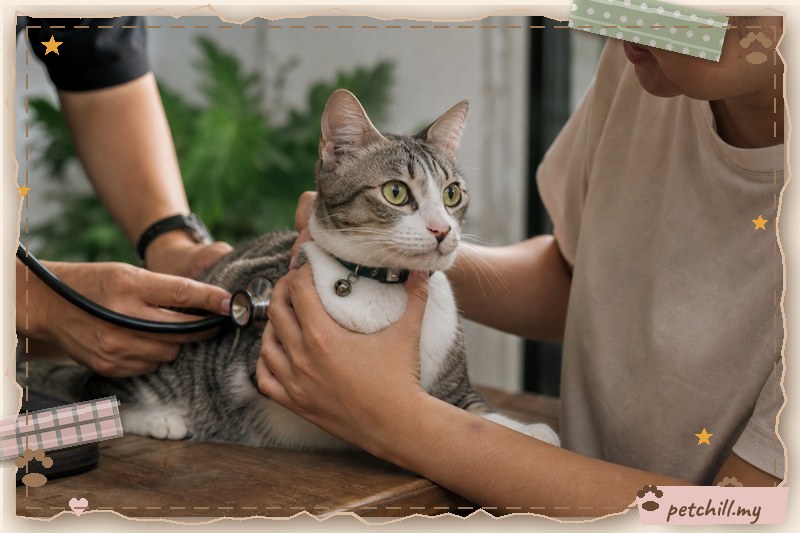
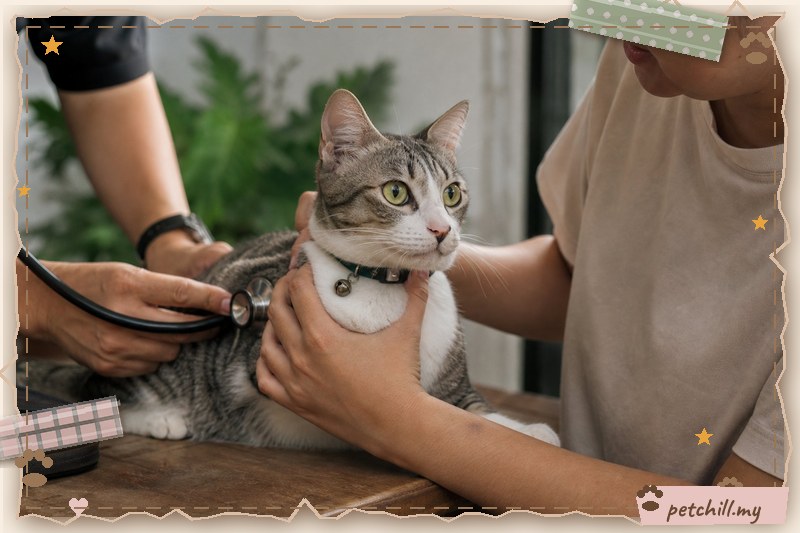
Your vet will start with a history: diet, water intake, litter box habits, medications, and how long the problem has been going on. A physical examination can often feel hard stool in the colon and assess whether the abdomen is painful. Weight and body condition are recorded because obesity is a common factor.
Depending on the findings, your vet may recommend blood tests to check kidney function, thyroid levels, electrolytes and blood sugar, and a urine test. X-rays or ultrasound can show how much stool is present, whether the colon is stretched, and whether there is an obstruction or pelvic problem. In some cases, further tests are needed to look for underlying disease.
It is worth asking your vet to explain what they found and what it means for long-term management. A cat with a single episode and a clear dietary cause has a different outlook from a cat with megacolon or kidney disease.
Home care for mild constipation
If your cat is otherwise well, eating, and passing some stool, these steps may help. They are not a substitute for veterinary advice, especially if the problem keeps returning.
Increase water intake
- Switch part or all of the diet to wet food, if your cat accepts it
- Offer fresh water in several places, away from food and litter
- Try a pet water fountain; some cats drink more from moving water
- Add a little warm water to wet food to make a loose, soupy texture
- Keep bowls clean and avoid plastic if your cat is sensitive
Review fibre carefully
Vet-approved fibre supplements can help some cats, but the type and amount matter. Psyllium-based products need plenty of water to work safely. Canned pumpkin is sometimes suggested, but it is not a balanced food and should not replace proper advice. Ask your vet before adding anything, particularly if your cat has kidney disease or diabetes.
Manage hairballs
Regular grooming reduces swallowed hair, especially in long-haired cats. During shedding season, brush more often and consider a vet-recommended hairball product. Do not rely on flavoured petroleum-based products long term without veterinary guidance.
Improve litter box setup
Provide at least one box per cat plus one extra, in quiet, accessible places. Use a litter your cat accepts, keep boxes clean, and choose a size that allows turning around. For older or arthritic cats, use a low-sided box so they can step in without pain.
Encourage activity
Short play sessions, food puzzles and gentle exercise help gut motility and weight control. Even a few minutes of chasing a wand toy can make a difference over time.
What not to do
- Do not give human laxatives, stool softeners or enemas. Some contain ingredients that are toxic or cause dangerous electrolyte shifts in cats.
- Do not use suppositories without veterinary advice.
- Do not force food, water or medication if your cat is vomiting or dull.
- Do not assume every straining cat is constipated; urinary blockage and obstruction are emergencies.
- Do not delay vet care because you are trying home remedies. Repeated constipation can progress to obstipation and megacolon.
Veterinary treatment options
Treatment depends on the cause and severity. For mild cases, your vet may recommend dietary changes, increased water intake, and a safe laxative or stool softener. These are prescription or vet-recommended products, not human medicines.
For more severe cases, your vet may give fluids under the skin or intravenously to rehydrate the cat, which can soften stool. Manual removal of impacted stool or an enema may be needed, but these procedures must be done carefully by a vet because of the risk of complications. Cats with obstipation or megacolon may need hospitalisation, repeated treatments, and long-term medication.
If an obstruction or foreign body is found, surgery may be required. Underlying diseases such as kidney disease or hyperthyroidism are managed alongside the constipation. Your vet will tailor the plan to your cat's age, weight and other health conditions.
Comparison: mild vs urgent signs
| Sign | Usually mild | Needs vet soon | Emergency |
|---|---|---|---|
| Stool frequency | Slightly less than usual | None for 24–48 hours | None for over 48 hours |
| Stool appearance | Small, hard pellets | Very dry, scant stool | No stool, bloated abdomen |
| Behaviour | Bright, eating normally | Reduced appetite, quieter | Vomiting, lethargy, pain |
| Straining | Brief, passes stool | Long straining, little result | Straining with no urine or stool |
| Other signs | None | Weight loss, poor coat | Collapse, pale gums, crying |
This table is a guide only. If you are unsure, contact your vet. It is better to have a cat checked than to wait.
Preventing constipation in cats
Prevention is largely about water, diet, weight and litter box comfort.
- Feed a moisture-rich diet where possible, or encourage drinking
- Keep your cat at a healthy weight with measured meals and play
- Brush regularly, especially long-haired cats
- Provide enough clean, quiet litter boxes
- Schedule regular vet checks, particularly for senior cats
- Mention any change in litter box habits at every check-up
- Avoid sudden diet changes; transition gradually over a week or more
In Malaysian homes, air-conditioning and hot weather can both affect water intake. Cats in air-conditioned rooms may drink less, while outdoor heat increases water loss. Always keep fresh water available and check that your cat is actually drinking, not just visiting the bowl.
When to see a vet
Contact your vet promptly if your cat has not passed stool for more than 48 hours, is straining repeatedly with little result, is vomiting, has a painful or swollen abdomen, is off food, or is lethargic. These signs can indicate obstruction, severe impaction or another serious condition. Male cats straining with little or no urine need emergency care. Do not wait to see if it resolves on its own.
Local context for Malaysian cat owners
Malaysian homes vary widely, and litter box setup should suit your space. In a Kuala Lumpur apartment, space is limited, so place boxes in quiet corners away from busy walkways and consider covered boxes only if your cat accepts them. In a Johor terrace house, cats may have more room but also more access to outdoor plants and foreign material, so watch for chewing and obstruction risks. During the Penang rainy season, cats may be less active and drink less, so check water bowls and litter box habits more often.
Vet disclaimer
This article is general information for Malaysian cat owners and is not a substitute for veterinary examination, diagnosis or treatment. Constipation can have serious underlying causes, and some signs are emergencies. Always consult a licensed veterinarian about your cat's health, diet and medication.
Frequently asked questions
How often should a cat poop normally? Most healthy adult cats pass stool roughly once or twice a day, though every cat is different. What matters more is consistency: firm but not hard, easy to pass, and no straining. A sudden drop in frequency or very hard, dry stools suggests constipation.
Can I give my cat human laxatives for constipation? No. Human laxatives, enemas and stool softeners can be dangerous or toxic to cats, and some enemas contain ingredients that cause serious electrolyte problems. Only use products prescribed by your vet for your cat's specific case.
Is straining in the litter box always constipation? No. Straining can also mean a urinary blockage, cystitis, diarrhoea or intestinal obstruction. A male cat straining with little or no urine is an emergency. If you are unsure whether your cat is passing stool or urine, see a vet promptly.
How much water should a cat drink? There is no single figure that fits every cat; needs vary with diet, weight and weather. Cats on dry food generally need more drinking water than cats on wet food. Encourage drinking with fountains, multiple bowls and wet food, and ask your vet if you are worried.
Can constipation in cats be cured permanently? Many cases are managed rather than cured. If the cause is diet, dehydration or hairballs, changes can resolve it. Cats with megacolon or chronic constipation often need lifelong management, including diet, medication and regular vet checks.
When is constipation an emergency? Seek urgent vet care if your cat has not passed stool for more than 48 hours, is vomiting, is lethargic, has a painful or bloated abdomen, or is straining with nothing coming out. These signs can indicate obstruction or a serious blockage.
Related reading
- Cat Constipation in Malaysia: The 48-Hour Rule, Red Flags and What Actually Helps
- Constipation in Cats: Causes, Care and When to See a Vet in Malaysia
- Constipation Prevention for Cats: A Practical Guide for Malaysian Owners
- How to Treat Constipation in Cats at Home: A Practical Malaysian Guide
- Signs of Constipation in Cats in Malaysia: What to Watch For and When to Act
- Cat Constipation Treatment in Malaysia: A Practical Owner's Guide
- Cat Dehydration in Malaysia: Home Skin-Turgor Test, 7 Causes and Emergency Signs
- Dental Pain in Cats: Causes, Signs and Care (Malaysia Guide)
- Diarrhea in Cats: Causes and Care (Malaysian Owner's Guide)
- Diarrhea in Cats in Malaysia: Causes, Home Care and When to See a Vet
- How to Treat Diarrhea in Cats at Home: A Practical Malaysian Guide

