
PetChill Pet Encyclopedia
Cat Health

Vomiting Prevention for Cats: A Practical Guide for Malaysian Owners

Most cat vomiting is not random. It usually traces back to how a cat eats, what it swallows, how hydrated it is, or a hidden health problem. This guide explains practical prevention steps for Malaysian owners, from meal scheduling and hairball control to safe plants and knowing when vomiting needs a vet.

Published: 2026-11-06Β·7 min readΒ·Author: PetChill Editorial
Vomiting Prevention for Cats: A Practical Guide for Malaysian Owners

πŸ’‘ Quick Answer

Prevent cat vomiting by feeding smaller frequent meals, slowing fast eaters, brushing regularly to reduce hairballs, keeping water available, avoiding sudden diet changes, and removing toxic plants and rubbish hazards. If vomiting repeats, comes with lethargy, weight loss or blood, see a vet promptly rather than waiting.

Start with the right question

Vomiting prevention for cats works best when you stop asking "how do I stop the vomit?" and start asking "what is the cat swallowing, eating, or feeling that leads to vomiting?" Most prevention is not a single product. It is a set of daily habits around food, grooming, water, play and household safety. This guide walks through those habits for Malaysian homes, from high-rise apartments to terrace houses with gardens, and explains when home prevention is not enough.

Understand what vomiting is telling you

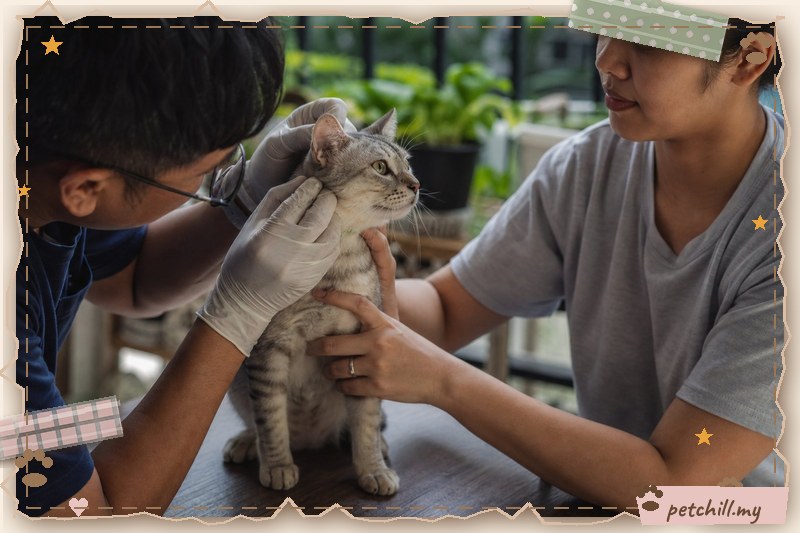
Vomiting is a reflex, not a diagnosis. A cat may vomit because it ate too fast, swallowed a large hairball, ate something irritating, has intestinal worms, or has a deeper problem such as kidney disease, thyroid disease, inflammatory bowel disease or a blockage. Prevention therefore has two layers: reducing everyday triggers, and making sure a hidden illness is not being mistaken for a harmless habit.

A useful distinction is between regurgitation and vomiting. Regurgitation is passive: food comes back up soon after eating, often in a tube shape, with little retching. Vomiting is active: the cat retches, the abdomen heaves, and the material may be digested or bile-stained. Regurgitation often points to fast eating or oesophageal problems, while true vomiting points more toward stomach or intestinal issues. Knowing which one you are seeing helps you choose the right prevention step and describe it accurately to a vet.

Also note the pattern. A single episode in a cat that immediately returns to eating and playing is very different from several episodes in a day, or vomiting that repeats every week. Frequency, timing and what the vomit looks like are the three details a vet will ask about first.
Understand what vomiting is telling you

Feed smaller, more frequent meals

Many cats vomit simply because their stomach is empty too long or overloaded too quickly. Cats are natural small-meal eaters. Instead of one large bowl left out all day, try two to four smaller portions spread across the day. This is especially useful for cats that vomit bile in the early morning after a long overnight fast.

Practical steps:

  • Split the daily ration into at least three meals, with the last one late in the evening.
  • Use a shallow, wide bowl so the cat does not gulp air or press its whiskers against the sides.
  • If you use dry food, measure portions rather than topping up the bowl.
  • Keep meal times consistent so the stomach is not left empty for long stretches.
  • For cats that vomit after breakfast only, try a small portion immediately after waking.

If your cat lives in a Kuala Lumpur apartment and is alone during working hours, a timed feeder can spread meals without relying on someone being home. The goal is a steady, predictable supply of small meals rather than a feast-and-famine pattern.

Slow down fast eaters

Some cats eat as if food will disappear, then bring it straight back up. This is common in multi-cat homes where competition exists, and in cats that were previously strays. Slowing eating is one of the most effective prevention measures.

Try these approaches:

  • Use a puzzle feeder or a shallow baking tray with food spread across it so the cat must work for each bite.
  • Place a clean, heavy object in the middle of the bowl so the cat has to eat around it.
  • Feed cats in separate rooms so no one feels rushed.
  • Offer a small portion first, wait ten minutes, then offer the rest.
  • Avoid sudden large meals after a long gap.

If your cat gulps water as well as food, a slow-feeder bowl can also reduce the amount of air swallowed.
Slow down fast eaters

Manage hairballs with grooming, not just products

Hairballs are a common reason owners search for vomiting prevention. Cats swallow loose fur while grooming, and most of it passes through the gut. When too much accumulates, it can be coughed up or vomited, or worse, cause a blockage.

Prevention is mostly grooming and hydration:

  • Brush your cat several times a week, daily during heavy shedding. Short-haired cats still need regular brushing.
  • Use a brush suited to your cat's coat and be gentle around the belly and hind legs.
  • Keep water available in several places and consider a fountain if your cat prefers running water.
  • Ask your vet whether a high-fibre or hairball-control diet suits your cat.
  • Treat hairball remedies as support, not a substitute for brushing.

In Malaysia's warm, humid climate, many cats shed steadily rather than in one short season, so grooming should be a year-round habit. A Penang rainy season often means more indoor time and more self-grooming, which can increase swallowed fur.

Keep water intake up

Good hydration supports digestion and helps fur and food move through the gut. Cats are descended from desert animals and often drink less than owners expect.

Ways to encourage drinking:

  • Place water bowls in several quiet spots, away from food and litter trays.
  • Wash bowls daily; cats often reject water that smells stale.
  • Try a wide ceramic or stainless steel bowl rather than narrow plastic.
  • Offer wet food as part of the diet, which adds moisture.
  • Add a little warm water to dry food if your cat accepts it.
  • Use a pet fountain if your cat is drawn to moving water.

Monitor urine clumps in the litter tray as a rough hydration check. Fewer, smaller clumps may mean your cat is drinking less and needs a vet check.
Keep water intake up

Change food gradually and keep a diary

Sudden diet changes are a classic cause of vomiting and diarrhoea. If you need to switch food, do it over seven to ten days, mixing a small amount of the new food into the old and increasing gradually. Stop and slow down if vomiting or loose stools appear.

Keep a simple diary for two to four weeks:

What to record Why it helps
Meal times and portion size Shows whether fasting or overeating is involved
Food brand and flavour Reveals a possible intolerance
Vomiting time and appearance Distinguishes bile, food, hair or blood
Hairball episodes Tracks whether grooming is working
Water and litter changes Flags hydration or urinary issues
New treats or table scraps Identifies a trigger

A diary turns vague worry into useful information. It also helps a vet decide which tests are worth doing.

Remove household hazards

Cats explore with their mouths, and many common household items cause vomiting. Prevention means thinking like a cat.

  • Plants: Many ornamental plants are toxic to cats. Keep lilies, and other known toxic plants, out of reach or out of the home. If you are unsure about a plant, check with a vet before bringing it indoors.
  • Rubbish and food scraps: Secure bins, especially around chicken bones, onion, garlic, chocolate, grapes and cooked fatty food.
  • Strings and small objects: Tinsel, ribbon, rubber bands, hair ties and sewing thread can cause serious blockages. Put them away.
  • Cleaning products: Store them in closed cupboards and wipe surfaces before cats walk on them.
  • Medicines: Keep human medicines, supplements and topical treatments locked away.
  • Pest control: Use only cat-safe products and follow label instructions carefully.

In a Johor terrace house with a garden, outdoor access raises the risk of eating grass, insects, lizards or rubbish. Supervise outdoor time or provide a secure enclosure, and check the garden for toxic plants and snail bait.
Remove household hazards

Parasite control and routine health checks

Intestinal worms and other parasites can cause vomiting, especially in cats that go outside or hunt. Follow a parasite-control plan recommended by your vet, and keep vaccinations and check-ups current. Routine checks are especially important for older cats, because kidney and thyroid disease often cause vomiting or weight loss before owners notice anything else.

Reduce stress and keep routines stable

Stress affects digestion. Moving house, a new pet, renovations, or a change in feeding routine can all trigger vomiting in sensitive cats. Keep meal times, litter tray positions and resting spots stable where possible. Provide hiding places and vertical space, and introduce new pets slowly. In multi-cat homes, ensure each cat has its own food, water and litter resources so no cat is bullied away from meals.

Build a simple prevention checklist

Use this as a weekly routine:

  • Brush your cat several times a week
  • Split food into at least three small meals
  • Use a slow feeder if your cat gulps
  • Refresh and wash water bowls daily
  • Check bins, strings and medicines are secured
  • Check indoor plants for toxicity
  • Keep parasite control up to date
  • Note any vomiting in a diary
  • Book a vet check if vomiting repeats

When to see a vet

Home prevention is for cats that are otherwise well. See a vet promptly if your cat:

  • vomits more than once in 24 hours, or vomits repeatedly over several days
  • stops eating or drinking
  • seems painful, hides, or has a tense abdomen
  • has blood in the vomit or stool
  • has diarrhoea along with vomiting
  • is lethargic, weak or dehydrated
  • is very young, elderly, pregnant or has a chronic illness
  • has a known habit of eating string, plastic or other foreign objects

Persistent vomiting can cause dehydration and electrolyte problems quickly, especially in small or older cats. Do not wait for a week of home remedies before seeking help.

Prevention is a habit, not a product

The most reliable way to reduce vomiting in cats is to make small, consistent changes: smaller meals, slower eating, regular grooming, good hydration, safe surroundings and routine vet care. No single supplement or food replaces those basics. If vomiting continues despite good prevention, the next step is a proper veterinary examination, not another product.

This article is general information for Malaysian cat owners and is not a substitute for veterinary advice. Always consult a licensed veterinarian about your cat's health, diet and treatment.

Frequently Asked Questions

πŸ“Œ Key Takeaways

  • This article covers: Start with the right question, Understand what vomiting is telling you, Feed smaller, more frequent meals, Slow down fast eaters, Manage hairballs with grooming, not just products, and more
  • Jump to any section via the table of contents for the key details
  • If in doubt, consult a registered veterinarian

Explore this topic cluster

This guide belongs to a Malaysia-focused topic cluster. Read the pillar guide and related articles.

View cluster β†’

πŸ“š Cat Health article index

This article is part of the Cat Health topic cluster. Explore related articles:

⭐ Pillar guide: Cat Health complete guideBlood Test for Cats in Malaysia: What It Checks, Costs and When You Need Oneβ†’ ReadBlood Test for Cats Step by Step: What Happens at the Clinicβ†’ ReadBlood Test for Cats: What to Expect (Malaysian Owner's Guide)β†’ ReadCat Constipation Treatment in Malaysia: A Practical Owner's Guideβ†’ ReadCat Dental Pain Treatment in Malaysia: A Practical Owner's Guideβ†’ ReadCat Diarrhea Treatment in Malaysia: A Practical Owner's Guideβ†’ ReadCat Ear Mites Treatment in Malaysia: A Complete Owner's Guideβ†’ ReadCat Eye Infection Treatment in Malaysia: A Practical Owner's Guideβ†’ ReadCat Fleas Treatment in Malaysia: A Practical Owner's Guideβ†’ ReadCat Hair Loss Treatment in Malaysia: A Practical Owner's Guideβ†’ ReadCat Licking Wounds: Why It Happens and How to Treat It in Malaysiaβ†’ ReadCat Poisoning Treatment in Malaysia: What to Do, What to Expect, and How to Prevent Itβ†’ ReadCat Ringworm Treatment in Malaysia: A Practical Owner's Guideβ†’ ReadCat Skin Fungus Treatment in Malaysia: A Practical Owner's Guideβ†’ ReadCat Sneezing Blood: Causes, Treatment and When to See a Vet in Malaysiaβ†’ ReadCat Vomiting Treatment in Malaysia: What to Do and When to See a Vetβ†’ ReadCat Weight Loss Treatment in Malaysia: A Practical Guide for Ownersβ†’ ReadCat Worms Treatment in Malaysia: A Practical Owner's Guideβ†’ ReadChocolate Poisoning and Cats in Malaysia: What Every Owner Should Knowβ†’ ReadConstipation in Cats: Causes, Care and When to See a Vet in Malaysiaβ†’ ReadConstipation in Cats in Malaysia: Causes, Signs and What to Doβ†’ ReadConstipation Prevention for Cats: A Practical Guide for Malaysian Ownersβ†’ ReadDental Pain in Cats: Causes, Signs and Care (Malaysia Guide)β†’ ReadDental Pain in Cats in Malaysia: Signs, Causes and What to Doβ†’ ReadDental Pain Prevention for Cats: A Practical Malaysian Guideβ†’ ReadDeworming Schedule for Cats in Malaysia: A Practical, Vet-Led Guideβ†’ ReadDeworming Schedule for Cats: A Step-by-Step Plan for Malaysian Ownersβ†’ ReadDeworming Schedule for Cats: What to Expect (Malaysia Guide)β†’ ReadDiarrhea in Cats: Causes and Care (Malaysian Owner's Guide)β†’ ReadDiarrhea in Cats in Malaysia: Causes, Home Care and When to See a Vetβ†’ ReadDiarrhea Prevention for Cats: A Practical Guide for Malaysian Ownersβ†’ ReadE-Collar Recovery for Cats in Malaysia: A Practical Guide for Ownersβ†’ ReadE-Collar Recovery for Cats Step by Step: A Practical Guide for Malaysian Ownersβ†’ ReadE-Collar Recovery for Cats: What to Expect (Malaysia Guide)β†’ ReadEar Mites in Cats: Causes and Care (Malaysia Guide)β†’ ReadEar Mites in Cats in Malaysia: Signs, Treatment and Preventionβ†’ ReadEar Mites Prevention for Cats: A Practical Malaysian Guideβ†’ ReadElectrical Cables and Cats in Malaysia: A Practical Safety Guideβ†’ ReadEye Infection in Cats: Causes and Care (Malaysia Guide)β†’ ReadEye Infection in Cats in Malaysia: Causes, Signs, Treatment & Preventionβ†’ ReadEye Infection Prevention for Cats: A Practical Malaysian Guideβ†’ ReadFans and Air Conditioning for Cats in Malaysia: A Practical Comfort Guideβ†’ ReadFlea Treatment for Cats in Malaysia: A Complete Guideβ†’ ReadFlea Treatment for Cats Step by Step: A Practical Malaysian Guideβ†’ ReadFlea Treatment for Cats: What to Expect (Malaysia Guide)β†’ ReadFleas in Cats: Causes and Care (Malaysia Guide)β†’ ReadFleas in Cats in Malaysia: Signs, Treatment and Preventionβ†’ ReadFleas Prevention for Cats in Malaysia: A Practical, Year-Round Planβ†’ ReadGiving Pills for Cats in Malaysia: A Stress-Free Step-by-Step Guideβ†’ ReadGiving Pills for Cats Step by Step: A Calm, Practical Guide for Malaysian Ownersβ†’ ReadGiving Pills for Cats: What to Expect (Malaysian Owner's Guide)β†’ ReadHair Loss in Cats: Causes and Care (Malaysian Owner's Guide)β†’ ReadHair Loss in Cats in Malaysia: Causes, Home Checks and When to See a Vetβ†’ ReadHair Loss Prevention for Cats: A Practical Grooming and Health Guideβ†’ ReadHousehold Cleaning Products and Cats in Malaysia: A Safety Guideβ†’ ReadHow to Prevent Chocolate Poisoning Around Cats: A Practical Guide for Malaysian Homesβ†’ ReadHow to Prevent Electrical Cables Around Cats: A Practical Safety Guide for Malaysian Homesβ†’ ReadHow to Prevent Fan and Aircond Problems Around Cats: A Malaysian Home Guideβ†’ ReadHow to Prevent Household Cleaning Products Around Cats: A Practical Safety Guide for Malaysian Homesβ†’ ReadHow to Prevent Lily Poisoning Around Cats: A Practical Safety Guide for Malaysian Homesβ†’ ReadHow to Prevent Open Windows Around Cats: A Practical Safety Guide for Malaysian Homesβ†’ ReadHow to Prevent Paracetamol Poisoning Around Cats: A Malaysian Safety Guideβ†’ ReadHow to Prevent Plastic Bags Around Cats: A Practical Safety Guide for Malaysian Homesβ†’ ReadHow to Treat Constipation in Cats at Home: A Practical Malaysian Guideβ†’ ReadHow to Treat Dental Pain in Cats at Home: Safe Relief and When to See a Vetβ†’ ReadHow to Treat Diarrhea in Cats at Home: A Practical Malaysian Guideβ†’ ReadHow to Treat Ear Mites in Cats at Home: A Practical Malaysian Guideβ†’ ReadHow to Treat Eye Infection in Cats at Home: Safe Steps for Malaysian Ownersβ†’ ReadHow to Treat Fleas in Cats at Home: A Practical Malaysian Guideβ†’ ReadHow to Treat Hair Loss in Cats at Home: A Practical Malaysian Guideβ†’ ReadHow to Treat Licking Wounds in Cats at Home: A Practical Guide for Malaysian Ownersβ†’ ReadHow to Treat Poisoning in Cats at Home: First Aid, Safe Steps and When to Rush to the Vetβ†’ ReadHow to Treat Ringworm in Cats at Home: A Practical Guide for Malaysian Ownersβ†’ ReadHow to Treat Skin Fungus in Cats at Home: A Practical Malaysian Guideβ†’ ReadHow to Treat Sneezing Blood in Cats at Home: Safe First Steps for Malaysian Ownersβ†’ ReadHow to Treat Vomiting in Cats at Home: A Practical Malaysian Guideβ†’ ReadHow to Treat Weight Loss in Cats at Home: A Practical Guide for Malaysian Ownersβ†’ ReadHow to Treat Worms in Cats at Home: A Practical, Safe Guide for Malaysian Ownersβ†’ ReadLicking Wounds in Cats: Causes and Care (Malaysian Vet Guide)β†’ ReadLicking Wounds in Cats Malaysia: When It's Normal and When to Stop Itβ†’ ReadLicking Wounds Prevention for Cats: How to Stop the Lick Cycle and Let Skin Healβ†’ ReadLily Poisoning and Cats in Malaysia: Why Every Petal Is an Emergencyβ†’ ReadOpen Windows and Cats in Malaysia: How to Keep Your Cat Safe Without Locking Up the Houseβ†’ ReadParacetamol Poisoning in Cats in Malaysia: Why Even One Tablet Can Be Deadlyβ†’ ReadPlastic Bags and Cats in Malaysia: Why They're Dangerous and How to Keep Your Cat Safeβ†’ ReadPoisoning in Cats: Causes, Symptoms and Care (Malaysia Guide)β†’ ReadPoisoning in Cats in Malaysia: Common Toxins, Signs and What to Doβ†’ ReadPoisoning Prevention for Cats in Malaysia: A Room-by-Room Safety Guideβ†’ ReadRingworm in Cats: Causes, Symptoms and Care (Malaysia Guide)β†’ ReadRingworm in Cats in Malaysia: Signs, Treatment and Preventionβ†’ ReadRingworm Prevention for Cats in Malaysia: A Practical, Vet-Informed Guideβ†’ ReadSigns of Constipation in Cats in Malaysia: What to Watch For and When to Actβ†’ ReadSigns of Dental Pain in Cats in Malaysia: What Owners Missβ†’ ReadSigns of Diarrhea in Cats in Malaysia: What's Normal, What's Notβ†’ ReadSigns of Ear Mites in Cats in Malaysia: How to Spot, Treat and Prevent Themβ†’ ReadSigns of Eye Infection in Cats in Malaysia: What Owners Should Look Forβ†’ ReadSigns of Fleas in Cats in Malaysia: How to Spot, Check and Actβ†’ ReadSigns of Hair Loss in Cats in Malaysia: What to Look For and When to Worryβ†’ ReadSigns of Licking Wounds in Cats Malaysia: How to Spot Problem Lickingβ†’ ReadSigns of Poisoning in Cats in Malaysia: What to Watch For and What to Doβ†’ ReadSigns of Ringworm in Cats in Malaysia: What Owners Should Look Forβ†’ ReadSigns of Skin Fungus in Cats in Malaysia: How to Spot Ringworm Earlyβ†’ ReadBlood in a Cat's Sneeze: Signs, Causes and What to Do in Malaysiaβ†’ ReadSigns of Vomiting in Cats in Malaysia: What's Normal, What's Not, and When to See a Vetβ†’ ReadSigns of Weight Loss in Cats in Malaysia: What to Watch For and When to Worryβ†’ ReadSigns of Worms in Cats in Malaysia: What Owners Should Look Forβ†’ ReadSkin Fungus in Cats: Causes, Signs and Care (Malaysia Guide)β†’ ReadSkin Fungus in Cats in Malaysia: Ringworm Signs, Treatment and Preventionβ†’ ReadSkin Fungus Prevention for Cats: A Practical Guide for Malaysian Homesβ†’ ReadSneezing Blood in Cats: Causes and Care (Malaysia Guide)β†’ ReadSneezing Blood in Cats in Malaysia: Causes, What to Do, and When to See a Vetβ†’ ReadSneezing Blood Prevention for Cats: Causes, Care and When to Worryβ†’ ReadSterilization for Cats in Malaysia: A Complete Guide for Ownersβ†’ ReadSterilization for Cats Step by Step: A Malaysian Owner's Guideβ†’ ReadSterilisation for Cats: What to Expect (Malaysian Owner's Guide)β†’ ReadUltrasound for Cats in Malaysia: What It Is, When It's Needed, and What to Expectβ†’ ReadUltrasound for Cats Step by Step: What Happens, What It Costs, and How to Prepareβ†’ ReadUltrasound for Cats: What to Expect (Malaysian Owner's Guide)β†’ ReadVaccination Side Effects for Cats in Malaysia: What's Normal, What's Notβ†’ ReadVaccination Side Effects for Cats: A Step-by-Step Guide for Malaysian Ownersβ†’ ReadCat Vaccination Side Effects: What Malaysian Owners Should Expectβ†’ ReadVomiting in Cats: Causes and Care (Malaysia Guide)β†’ ReadVomiting in Cats in Malaysia: When It's Normal and When to Worryβ†’ ReadWeight Loss in Cats: Causes and Care (Malaysian Vet Guide)β†’ ReadWeight Loss in Cats in Malaysia: Causes, Warning Signs and What to Doβ†’ ReadWeight Loss Prevention for Cats: A Practical Malaysian Guideβ†’ ReadWorms in Cats: Causes and Care (Malaysia Vet Guide)β†’ ReadWorms in Cats in Malaysia: A Practical Owner's Guideβ†’ ReadWorms Prevention for Cats in Malaysia: A Complete Guideβ†’ ReadWound Care for Cats in Malaysia: A Practical Owner's Guideβ†’ ReadWound Care for Cats Step by Step: A Practical Malaysian Guideβ†’ ReadWound Care for Cats: What to Expect, Step by Stepβ†’ ReadX-Ray for Cats in Malaysia: What to Expect, Costs and Safetyβ†’ ReadX-Ray for Cats Step by Step: What Malaysian Owners Should Expectβ†’ ReadX-Ray for Cats: What to Expect (Malaysian Owner's Guide)β†’ ReadArthritis Pet Care in Malaysia: A Practical Guide for Cats and Dogsβ†’ ReadCat Arthritis in Malaysia: 5 Home Signs Your Cat Is in Pain β€” and What to Doβ†’ ReadEarly Signs of Chronic Disease in Cats: 7 Daily Checks and a 4-Week Record Sheetβ†’ ReadCat Chronic Kidney Disease in Malaysia: The Daily Care Routine That Actually Slows It Downβ†’ ReadCat Constipation in Malaysia: The 48-Hour Rule, Red Flags and What Actually Helpsβ†’ ReadCat Dehydration in Malaysia: Home Skin-Turgor Test, 7 Causes and Emergency Signsβ†’ ReadCat Heart Disease in Malaysia: Sleep Breathing Count, HCM Early Signs and When to Rush to the Vetβ†’ ReadCat Kidney Disease in Malaysia: Early Signs, Prevention and Everyday Careβ†’ ReadCat Pancreatitis in Malaysia: Symptoms, fPLI Testing, Treatment and Home Recoveryβ†’ ReadCat Ringworm in Malaysia: Signs, Treatment and Home Cleaning Guideβ†’ ReadCat Symptom Checker Malaysia: 12 Common Signs and a Green-Amber-Red Triage Tableβ†’ ReadPet Deworming in Malaysia: How Often to Worm Your Cat or Dogβ†’ ReadPet Gut Health in Malaysia: Probiotics, Food Transitions and Stool Troubles (Part 2)β†’ ReadCat Gut Health: Probiotics, Antibiotics and Food Transitions Explained (Malaysia)β†’ ReadPet Health Malaysia 2026: Common Cat and Dog Illnesses, Prevention Care and Vet Guidanceβ†’ ReadPet Insurance in Malaysia: How to Compare Plans Before You Signβ†’ ReadPet Poisoning at Home: Household Chemicals, Toxic Plants and When Not to Induce Vomiting (Malaysia)β†’ ReadPet Poisoning at Home: Household Chemicals, Insecticides and Toxic Plants (Malaysia, Part 1)β†’ ReadCat Chronic Disease Early Signs in Malaysia: 7 Daily Checks and a 4-Week Logβ†’ ReadCat Health Guide Malaysia: Symptom Check, Red-Flag Triage & When to See a Vetβ†’ ReadCat Ringworm in Malaysia: Symptoms, Treatment and Home Cleaning Guideβ†’ ReadGut Health, Probiotics & Food Transition Part 2: Practical Malaysia Guideβ†’ ReadPet Health in Malaysia: A Practical Prevention Guide for Cats and Dogsβ†’ Read

Related products at PetChill

