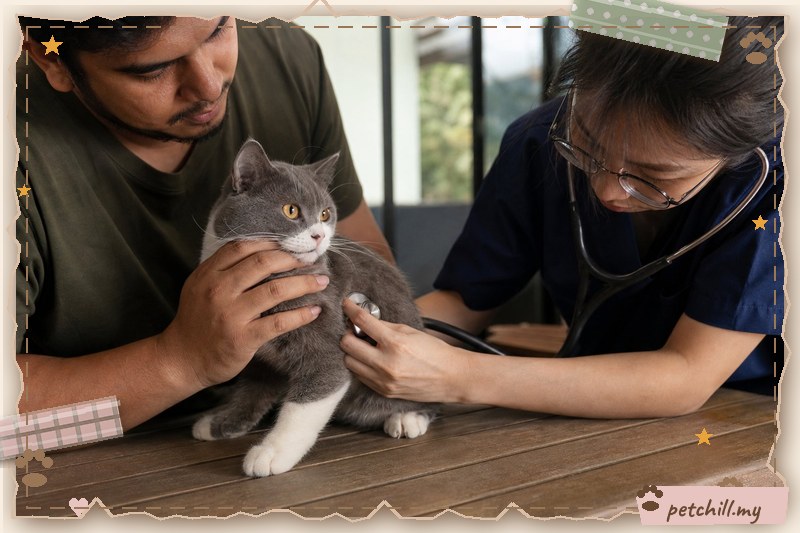
PetChill Pet Encyclopedia
Cat Health

Hair Loss in Cats in Malaysia: Causes, Home Checks and When to See a Vet

Hair loss in cats is usually a sign, not a disease on its own. In Malaysia's warm, humid climate, parasites, allergies, stress and skin infections are common culprits. This guide explains how to check your cat at home, what your vet may investigate, and when to book an appointment.

Published: 2026-11-06Β·7 min readΒ·Author: PetChill Editorial
Hair Loss in Cats in Malaysia: Causes, Home Checks and When to See a Vet

πŸ’‘ Quick Answer

Hair loss in cats in Malaysia is most often caused by fleas, allergies, ringworm, stress over-grooming or skin infections. Check for itching, bald patches and skin changes, keep your cat indoors where possible, and see a vet if the skin is red, broken or the loss is spreading.

Hair loss in cats is a symptom, not a diagnosis. In Malaysia's warm, humid climate, cats can lose fur for many reasons, from fleas and allergies to stress and skin infections. This guide explains what to look for at home, what your vet may check, and when thinning fur becomes a reason to book an appointment.

What counts as hair loss in cats?

Cats shed fur naturally, especially when the weather is hot. Normal shedding is spread over the body and does not leave bare skin. Hair loss, or alopecia, is different: you may see bald patches, thinning along the flanks or belly, broken hairs, or a coat that looks patchy and dull.

Some cats over-groom to the point of baldness, while others lose fur because of inflammation, infection or parasites. The pattern matters. Loss around the tail base often points to fleas. Loss on the face, ears or paws can suggest ringworm or allergies. Symmetrical thinning on the flanks may be linked to hormonal or stress-related grooming. Your vet will look at the pattern, the skin underneath and your cat's general health.

Common causes of hair loss in cats in Malaysia

1. Fleas and other parasites

Fleas are common in warm, humid places and can cause intense itching, especially around the tail base, back and neck. Some cats are allergic to flea saliva, so a single bite can trigger widespread scratching and fur loss. Mites, such as those causing mange, can also lead to crusty, hairless patches.

2. Ringworm (dermatophytosis)

Ringworm is a fungal infection, not a worm. It often causes circular bald patches with scaly or crusty edges, commonly on the head, ears and limbs. It can spread to other pets and to people, so early diagnosis matters. In Malaysia's humidity, fungal skin problems can persist if the coat stays damp.

3. Allergies

Cats can be allergic to flea bites, certain foods, or environmental allergens such as dust mites and pollen. Allergic skin disease often causes itching, redness and fur loss, especially on the face, ears, belly and legs. Food allergies may also cause digestive signs, but not always.

4. Stress and over-grooming

Stress can lead to compulsive grooming. Cats may lick or chew a patch of fur until it is bald, often on the belly, inner thighs or forearms. Common triggers include changes at home, new pets, overcrowding, or being kept in a small space without enrichment. In Malaysian apartments, indoor cats may need extra play and climbing opportunities to reduce boredom and stress.

5. Skin infections

Bacterial infections can develop when the skin barrier is damaged by scratching or allergies. You may see redness, pus, scabs or a bad smell. These infections need veterinary treatment and often recur if the underlying cause is not addressed.

6. Hormonal and nutritional problems

Less commonly, hair loss can be linked to thyroid disease, hormonal imbalances or poor nutrition. A cat with a dull coat, weight change or low energy should be checked by a vet. Do not assume hair loss is just seasonal shedding.
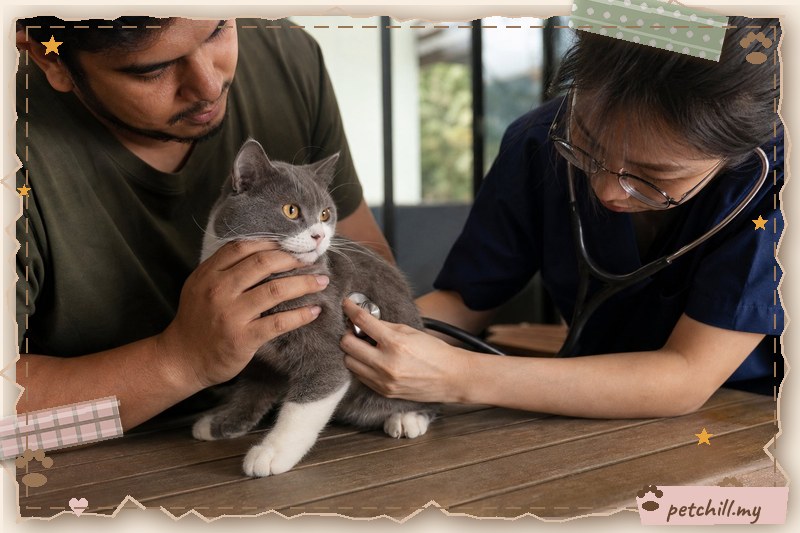
Common causes of hair loss in cats in Malaysia

How to check your cat at home

A simple home check can help you describe the problem to your vet. Work in good light and be gentle.

  1. Look at the pattern. Note where the fur is thin or missing. Is it symmetrical? Is it around the tail, face, ears or belly?
  2. Check the skin. Is it red, scaly, crusty, oozing or broken? Are there black specks that could be flea dirt?
  3. Watch for itching. Does your cat scratch, chew or lick more than usual? Over-grooming can happen when you are not looking.
  4. Look for other signs. Weight loss, appetite changes, vomiting, diarrhoea, lethargy or behaviour changes matter.
  5. Check for fleas. Part the fur and look for live fleas or flea dirt. Flea dirt turns reddish-brown when placed on a damp tissue.
  6. Note recent changes. New food, new pet, moving house, renovations or a new family member can all affect stress levels.
  7. Take photos. Photos help your vet track progress and compare changes over time.

Do not apply human creams, medicated shampoos or essential oils without veterinary advice. Some products are toxic to cats, and the wrong treatment can make the skin worse.

What your vet may do

Your vet will start with a history and a physical exam. They may ask about diet, flea control, grooming habits, stress and any recent changes. They may then use simple tests:

  • Skin scraping or tape preparation to look for mites or yeast.
  • Fungal culture or a Wood's lamp to check for ringworm.
  • Flea combing and inspection for flea dirt.
  • Blood tests if hormonal or systemic disease is suspected.
  • Diet trials for suspected food allergy, done under veterinary guidance.
  • Biopsy in unusual or persistent cases.

Not every cat needs every test. Your vet will choose based on the pattern and your cat's health. Ask for an estimate before agreeing to tests, as costs vary by clinic and location in Malaysia.
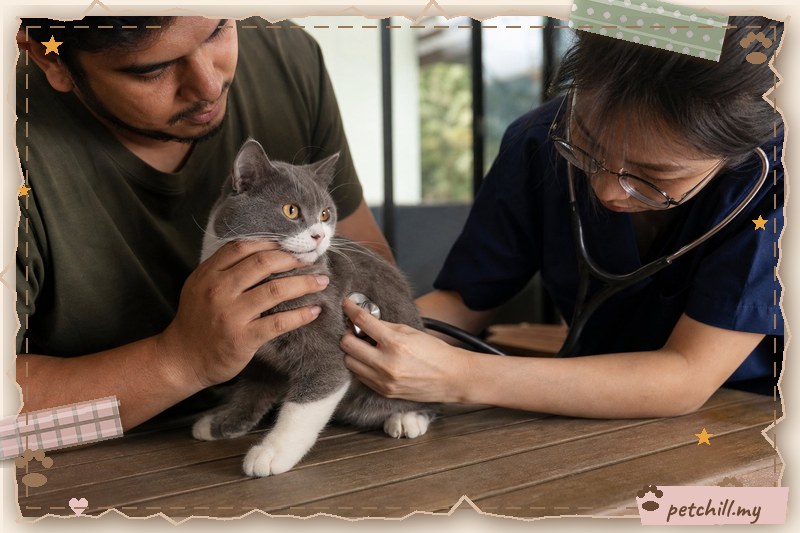
What your vet may do

Treatment and home care

Treatment depends on the cause. Flea control, antifungal medication, antibiotics, allergy management, stress reduction or dietary changes may be needed. Some conditions take weeks to improve, and fur regrowth can be slow.

At home, focus on consistency:

  • Use flea prevention recommended by your vet and apply it correctly.
  • Keep your cat's bedding clean and dry.
  • Reduce stress with routine, play and safe hiding places.
  • Provide scratching posts and climbing space, especially in apartments.
  • Feed a complete and balanced diet; avoid random supplements unless advised.
  • Groom gently and check the skin regularly.
  • Keep up with follow-up visits if your vet recommends them.

Comparison table: common causes at a glance

Cause Typical pattern Common signs What helps
Fleas Tail base, back, neck Itching, flea dirt, scabs Vet-recommended flea control
Ringworm Circular patches on head, ears, limbs Scaly edges, crusts Antifungal treatment, hygiene
Allergies Face, ears, belly, legs Itching, redness, licking Allergy plan, flea control, diet trial
Stress over-grooming Belly, inner thighs, forearms Bald patches, excessive licking Enrichment, routine, vet advice
Bacterial infection Any area, often moist Redness, pus, smell Antibiotics, treat underlying cause
Hormonal/nutritional Symmetrical thinning Dull coat, weight change Blood tests, diet review

Comparison table: common causes at a glance

When to see a vet

Book a vet appointment if:

  • The bald area is red, oozing, bleeding or smells.
  • Your cat is scratching, chewing or licking constantly.
  • The hair loss is spreading quickly or affecting large areas.
  • There are scabs, crusts or circular patches that could be ringworm.
  • Your cat is eating less, losing weight or seems unwell.
  • You have other pets or children, as some causes are contagious.
  • Home care has not helped after a week or two.

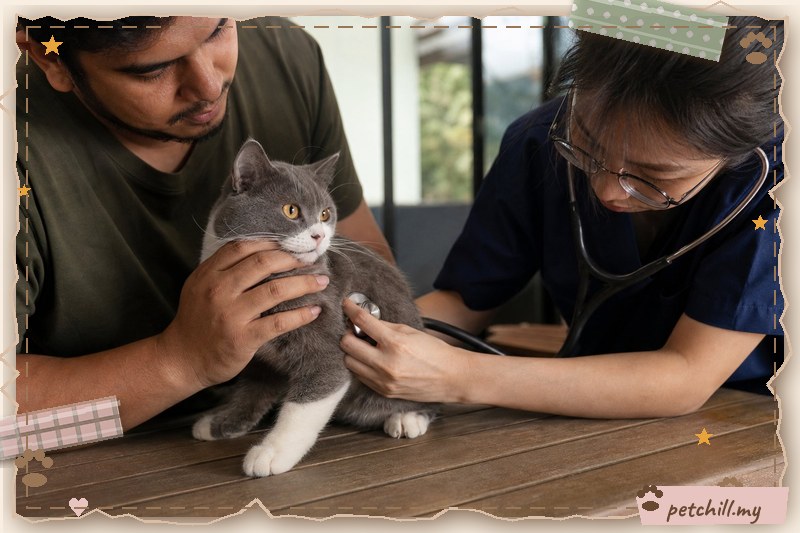
If your cat is in pain, lethargic or not eating, seek veterinary care promptly. Do not wait for the fur to grow back on its own if the skin looks unhealthy.

Prevention tips for Malaysian homes

Malaysia's humidity means skin problems can linger. Keep your cat's coat dry, especially after baths or rainy walks if your cat goes outside. Wash bedding regularly and dry it fully. Use vet-approved flea prevention year-round, as fleas can survive indoors. For indoor cats in apartments, provide daily play and vertical space to reduce stress. If you live in a terrace house, check your cat for fleas after time in the garden. Regular grooming helps you spot problems early.
Prevention tips for Malaysian homes

Vet disclaimer

This article is for general information only and is not a substitute for veterinary advice. Every cat is different. If your cat has hair loss, skin changes or other signs of illness, consult a licensed veterinarian in Malaysia for diagnosis and treatment.


Frequently Asked Questions

πŸ“Œ Key Takeaways

  • This article covers: What counts as hair loss in cats?, Common causes of hair loss in cats in Malaysia, How to check your cat at home, What your vet may do, Treatment and home care, and more
  • Jump to any section via the table of contents for the key details
  • If in doubt, consult a registered veterinarian

Explore this topic cluster

This guide belongs to a Malaysia-focused topic cluster. Read the pillar guide and related articles.

View cluster β†’

πŸ“š Cat Health article index

This article is part of the Cat Health topic cluster. Explore related articles:

⭐ Pillar guide: Cat Health complete guideBlood Test for Cats in Malaysia: What It Checks, Costs and When You Need Oneβ†’ ReadBlood Test for Cats Step by Step: What Happens at the Clinicβ†’ ReadBlood Test for Cats: What to Expect (Malaysian Owner's Guide)β†’ ReadCat Constipation Treatment in Malaysia: A Practical Owner's Guideβ†’ ReadCat Dental Pain Treatment in Malaysia: A Practical Owner's Guideβ†’ ReadCat Diarrhea Treatment in Malaysia: A Practical Owner's Guideβ†’ ReadCat Ear Mites Treatment in Malaysia: A Complete Owner's Guideβ†’ ReadCat Eye Infection Treatment in Malaysia: A Practical Owner's Guideβ†’ ReadCat Fleas Treatment in Malaysia: A Practical Owner's Guideβ†’ ReadCat Hair Loss Treatment in Malaysia: A Practical Owner's Guideβ†’ ReadCat Licking Wounds: Why It Happens and How to Treat It in Malaysiaβ†’ ReadCat Poisoning Treatment in Malaysia: What to Do, What to Expect, and How to Prevent Itβ†’ ReadCat Ringworm Treatment in Malaysia: A Practical Owner's Guideβ†’ ReadCat Skin Fungus Treatment in Malaysia: A Practical Owner's Guideβ†’ ReadCat Sneezing Blood: Causes, Treatment and When to See a Vet in Malaysiaβ†’ ReadCat Vomiting Treatment in Malaysia: What to Do and When to See a Vetβ†’ ReadCat Weight Loss Treatment in Malaysia: A Practical Guide for Ownersβ†’ ReadCat Worms Treatment in Malaysia: A Practical Owner's Guideβ†’ ReadChocolate Poisoning and Cats in Malaysia: What Every Owner Should Knowβ†’ ReadConstipation in Cats: Causes, Care and When to See a Vet in Malaysiaβ†’ ReadConstipation in Cats in Malaysia: Causes, Signs and What to Doβ†’ ReadConstipation Prevention for Cats: A Practical Guide for Malaysian Ownersβ†’ ReadDental Pain in Cats: Causes, Signs and Care (Malaysia Guide)β†’ ReadDental Pain in Cats in Malaysia: Signs, Causes and What to Doβ†’ ReadDental Pain Prevention for Cats: A Practical Malaysian Guideβ†’ ReadDeworming Schedule for Cats in Malaysia: A Practical, Vet-Led Guideβ†’ ReadDeworming Schedule for Cats: A Step-by-Step Plan for Malaysian Ownersβ†’ ReadDeworming Schedule for Cats: What to Expect (Malaysia Guide)β†’ ReadDiarrhea in Cats: Causes and Care (Malaysian Owner's Guide)β†’ ReadDiarrhea in Cats in Malaysia: Causes, Home Care and When to See a Vetβ†’ ReadDiarrhea Prevention for Cats: A Practical Guide for Malaysian Ownersβ†’ ReadE-Collar Recovery for Cats in Malaysia: A Practical Guide for Ownersβ†’ ReadE-Collar Recovery for Cats Step by Step: A Practical Guide for Malaysian Ownersβ†’ ReadE-Collar Recovery for Cats: What to Expect (Malaysia Guide)β†’ ReadEar Mites in Cats: Causes and Care (Malaysia Guide)β†’ ReadEar Mites in Cats in Malaysia: Signs, Treatment and Preventionβ†’ ReadEar Mites Prevention for Cats: A Practical Malaysian Guideβ†’ ReadElectrical Cables and Cats in Malaysia: A Practical Safety Guideβ†’ ReadEye Infection in Cats: Causes and Care (Malaysia Guide)β†’ ReadEye Infection in Cats in Malaysia: Causes, Signs, Treatment & Preventionβ†’ ReadEye Infection Prevention for Cats: A Practical Malaysian Guideβ†’ ReadFans and Air Conditioning for Cats in Malaysia: A Practical Comfort Guideβ†’ ReadFlea Treatment for Cats in Malaysia: A Complete Guideβ†’ ReadFlea Treatment for Cats Step by Step: A Practical Malaysian Guideβ†’ ReadFlea Treatment for Cats: What to Expect (Malaysia Guide)β†’ ReadFleas in Cats: Causes and Care (Malaysia Guide)β†’ ReadFleas in Cats in Malaysia: Signs, Treatment and Preventionβ†’ ReadFleas Prevention for Cats in Malaysia: A Practical, Year-Round Planβ†’ ReadGiving Pills for Cats in Malaysia: A Stress-Free Step-by-Step Guideβ†’ ReadGiving Pills for Cats Step by Step: A Calm, Practical Guide for Malaysian Ownersβ†’ ReadGiving Pills for Cats: What to Expect (Malaysian Owner's Guide)β†’ ReadHair Loss in Cats: Causes and Care (Malaysian Owner's Guide)β†’ ReadHair Loss Prevention for Cats: A Practical Grooming and Health Guideβ†’ ReadHousehold Cleaning Products and Cats in Malaysia: A Safety Guideβ†’ ReadHow to Prevent Chocolate Poisoning Around Cats: A Practical Guide for Malaysian Homesβ†’ ReadHow to Prevent Electrical Cables Around Cats: A Practical Safety Guide for Malaysian Homesβ†’ ReadHow to Prevent Fan and Aircond Problems Around Cats: A Malaysian Home Guideβ†’ ReadHow to Prevent Household Cleaning Products Around Cats: A Practical Safety Guide for Malaysian Homesβ†’ ReadHow to Prevent Lily Poisoning Around Cats: A Practical Safety Guide for Malaysian Homesβ†’ ReadHow to Prevent Open Windows Around Cats: A Practical Safety Guide for Malaysian Homesβ†’ ReadHow to Prevent Paracetamol Poisoning Around Cats: A Malaysian Safety Guideβ†’ ReadHow to Prevent Plastic Bags Around Cats: A Practical Safety Guide for Malaysian Homesβ†’ ReadHow to Treat Constipation in Cats at Home: A Practical Malaysian Guideβ†’ ReadHow to Treat Dental Pain in Cats at Home: Safe Relief and When to See a Vetβ†’ ReadHow to Treat Diarrhea in Cats at Home: A Practical Malaysian Guideβ†’ ReadHow to Treat Ear Mites in Cats at Home: A Practical Malaysian Guideβ†’ ReadHow to Treat Eye Infection in Cats at Home: Safe Steps for Malaysian Ownersβ†’ ReadHow to Treat Fleas in Cats at Home: A Practical Malaysian Guideβ†’ ReadHow to Treat Hair Loss in Cats at Home: A Practical Malaysian Guideβ†’ ReadHow to Treat Licking Wounds in Cats at Home: A Practical Guide for Malaysian Ownersβ†’ ReadHow to Treat Poisoning in Cats at Home: First Aid, Safe Steps and When to Rush to the Vetβ†’ ReadHow to Treat Ringworm in Cats at Home: A Practical Guide for Malaysian Ownersβ†’ ReadHow to Treat Skin Fungus in Cats at Home: A Practical Malaysian Guideβ†’ ReadHow to Treat Sneezing Blood in Cats at Home: Safe First Steps for Malaysian Ownersβ†’ ReadHow to Treat Vomiting in Cats at Home: A Practical Malaysian Guideβ†’ ReadHow to Treat Weight Loss in Cats at Home: A Practical Guide for Malaysian Ownersβ†’ ReadHow to Treat Worms in Cats at Home: A Practical, Safe Guide for Malaysian Ownersβ†’ ReadLicking Wounds in Cats: Causes and Care (Malaysian Vet Guide)β†’ ReadLicking Wounds in Cats Malaysia: When It's Normal and When to Stop Itβ†’ ReadLicking Wounds Prevention for Cats: How to Stop the Lick Cycle and Let Skin Healβ†’ ReadLily Poisoning and Cats in Malaysia: Why Every Petal Is an Emergencyβ†’ ReadOpen Windows and Cats in Malaysia: How to Keep Your Cat Safe Without Locking Up the Houseβ†’ ReadParacetamol Poisoning in Cats in Malaysia: Why Even One Tablet Can Be Deadlyβ†’ ReadPlastic Bags and Cats in Malaysia: Why They're Dangerous and How to Keep Your Cat Safeβ†’ ReadPoisoning in Cats: Causes, Symptoms and Care (Malaysia Guide)β†’ ReadPoisoning in Cats in Malaysia: Common Toxins, Signs and What to Doβ†’ ReadPoisoning Prevention for Cats in Malaysia: A Room-by-Room Safety Guideβ†’ ReadRingworm in Cats: Causes, Symptoms and Care (Malaysia Guide)β†’ ReadRingworm in Cats in Malaysia: Signs, Treatment and Preventionβ†’ ReadRingworm Prevention for Cats in Malaysia: A Practical, Vet-Informed Guideβ†’ ReadSigns of Constipation in Cats in Malaysia: What to Watch For and When to Actβ†’ ReadSigns of Dental Pain in Cats in Malaysia: What Owners Missβ†’ ReadSigns of Diarrhea in Cats in Malaysia: What's Normal, What's Notβ†’ ReadSigns of Ear Mites in Cats in Malaysia: How to Spot, Treat and Prevent Themβ†’ ReadSigns of Eye Infection in Cats in Malaysia: What Owners Should Look Forβ†’ ReadSigns of Fleas in Cats in Malaysia: How to Spot, Check and Actβ†’ ReadSigns of Hair Loss in Cats in Malaysia: What to Look For and When to Worryβ†’ ReadSigns of Licking Wounds in Cats Malaysia: How to Spot Problem Lickingβ†’ ReadSigns of Poisoning in Cats in Malaysia: What to Watch For and What to Doβ†’ ReadSigns of Ringworm in Cats in Malaysia: What Owners Should Look Forβ†’ ReadSigns of Skin Fungus in Cats in Malaysia: How to Spot Ringworm Earlyβ†’ ReadBlood in a Cat's Sneeze: Signs, Causes and What to Do in Malaysiaβ†’ ReadSigns of Vomiting in Cats in Malaysia: What's Normal, What's Not, and When to See a Vetβ†’ ReadSigns of Weight Loss in Cats in Malaysia: What to Watch For and When to Worryβ†’ ReadSigns of Worms in Cats in Malaysia: What Owners Should Look Forβ†’ ReadSkin Fungus in Cats: Causes, Signs and Care (Malaysia Guide)β†’ ReadSkin Fungus in Cats in Malaysia: Ringworm Signs, Treatment and Preventionβ†’ ReadSkin Fungus Prevention for Cats: A Practical Guide for Malaysian Homesβ†’ ReadSneezing Blood in Cats: Causes and Care (Malaysia Guide)β†’ ReadSneezing Blood in Cats in Malaysia: Causes, What to Do, and When to See a Vetβ†’ ReadSneezing Blood Prevention for Cats: Causes, Care and When to Worryβ†’ ReadSterilization for Cats in Malaysia: A Complete Guide for Ownersβ†’ ReadSterilization for Cats Step by Step: A Malaysian Owner's Guideβ†’ ReadSterilisation for Cats: What to Expect (Malaysian Owner's Guide)β†’ ReadUltrasound for Cats in Malaysia: What It Is, When It's Needed, and What to Expectβ†’ ReadUltrasound for Cats Step by Step: What Happens, What It Costs, and How to Prepareβ†’ ReadUltrasound for Cats: What to Expect (Malaysian Owner's Guide)β†’ ReadVaccination Side Effects for Cats in Malaysia: What's Normal, What's Notβ†’ ReadVaccination Side Effects for Cats: A Step-by-Step Guide for Malaysian Ownersβ†’ ReadCat Vaccination Side Effects: What Malaysian Owners Should Expectβ†’ ReadVomiting in Cats: Causes and Care (Malaysia Guide)β†’ ReadVomiting in Cats in Malaysia: When It's Normal and When to Worryβ†’ ReadVomiting Prevention for Cats: A Practical Guide for Malaysian Ownersβ†’ ReadWeight Loss in Cats: Causes and Care (Malaysian Vet Guide)β†’ ReadWeight Loss in Cats in Malaysia: Causes, Warning Signs and What to Doβ†’ ReadWeight Loss Prevention for Cats: A Practical Malaysian Guideβ†’ ReadWorms in Cats: Causes and Care (Malaysia Vet Guide)β†’ ReadWorms in Cats in Malaysia: A Practical Owner's Guideβ†’ ReadWorms Prevention for Cats in Malaysia: A Complete Guideβ†’ ReadWound Care for Cats in Malaysia: A Practical Owner's Guideβ†’ ReadWound Care for Cats Step by Step: A Practical Malaysian Guideβ†’ ReadWound Care for Cats: What to Expect, Step by Stepβ†’ ReadX-Ray for Cats in Malaysia: What to Expect, Costs and Safetyβ†’ ReadX-Ray for Cats Step by Step: What Malaysian Owners Should Expectβ†’ ReadX-Ray for Cats: What to Expect (Malaysian Owner's Guide)β†’ ReadArthritis Pet Care in Malaysia: A Practical Guide for Cats and Dogsβ†’ ReadCat Arthritis in Malaysia: 5 Home Signs Your Cat Is in Pain β€” and What to Doβ†’ ReadEarly Signs of Chronic Disease in Cats: 7 Daily Checks and a 4-Week Record Sheetβ†’ ReadCat Chronic Kidney Disease in Malaysia: The Daily Care Routine That Actually Slows It Downβ†’ ReadCat Constipation in Malaysia: The 48-Hour Rule, Red Flags and What Actually Helpsβ†’ ReadCat Dehydration in Malaysia: Home Skin-Turgor Test, 7 Causes and Emergency Signsβ†’ ReadCat Heart Disease in Malaysia: Sleep Breathing Count, HCM Early Signs and When to Rush to the Vetβ†’ ReadCat Kidney Disease in Malaysia: Early Signs, Prevention and Everyday Careβ†’ ReadCat Pancreatitis in Malaysia: Symptoms, fPLI Testing, Treatment and Home Recoveryβ†’ ReadCat Ringworm in Malaysia: Signs, Treatment and Home Cleaning Guideβ†’ ReadCat Symptom Checker Malaysia: 12 Common Signs and a Green-Amber-Red Triage Tableβ†’ ReadPet Deworming in Malaysia: How Often to Worm Your Cat or Dogβ†’ ReadPet Gut Health in Malaysia: Probiotics, Food Transitions and Stool Troubles (Part 2)β†’ ReadCat Gut Health: Probiotics, Antibiotics and Food Transitions Explained (Malaysia)β†’ ReadPet Health Malaysia 2026: Common Cat and Dog Illnesses, Prevention Care and Vet Guidanceβ†’ ReadPet Insurance in Malaysia: How to Compare Plans Before You Signβ†’ ReadPet Poisoning at Home: Household Chemicals, Toxic Plants and When Not to Induce Vomiting (Malaysia)β†’ ReadPet Poisoning at Home: Household Chemicals, Insecticides and Toxic Plants (Malaysia, Part 1)β†’ ReadCat Chronic Disease Early Signs in Malaysia: 7 Daily Checks and a 4-Week Logβ†’ ReadCat Health Guide Malaysia: Symptom Check, Red-Flag Triage & When to See a Vetβ†’ ReadCat Ringworm in Malaysia: Symptoms, Treatment and Home Cleaning Guideβ†’ ReadGut Health, Probiotics & Food Transition Part 2: Practical Malaysia Guideβ†’ ReadPet Health in Malaysia: A Practical Prevention Guide for Cats and Dogsβ†’ Read

Related products at PetChill