
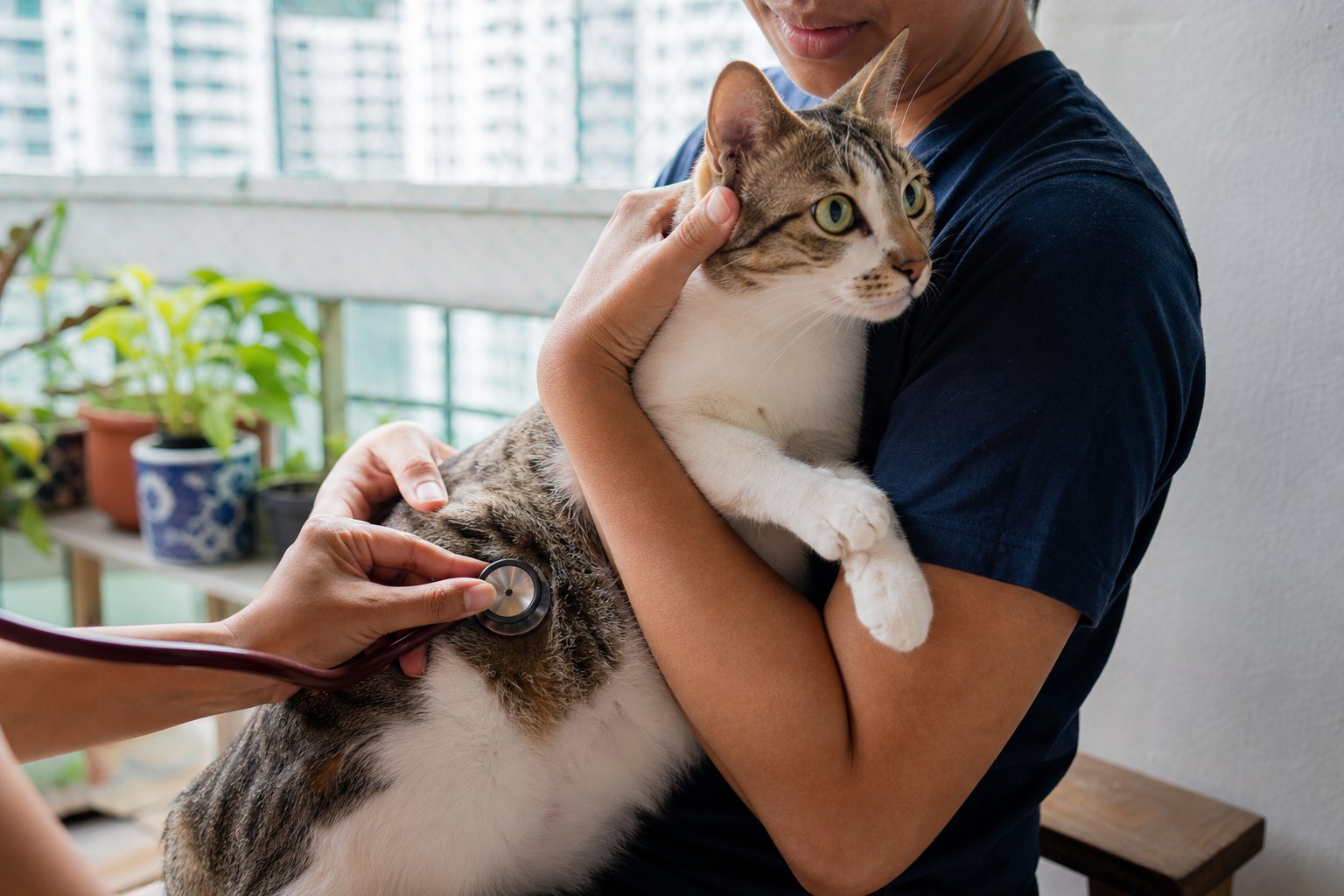
The short answer
Paracetamol (also called acetaminophen) is one of the most dangerous household medicines for cats. A single tablet can kill an adult cat, and even a small fragment can cause severe liver damage. Prevention is simple but must be deliberate: never give human painkillers to cats, store all paracetamol products out of reach, count tablets, dispose of leftovers safely, and keep cats away from dropped pills, handbags, bins and guests who may not know the risk.
If you suspect your cat has swallowed paracetamol, call a veterinarian immediately — do not wait for symptoms.
Why paracetamol is so dangerous to cats
Cats are not small dogs. Their liver handles drugs differently. Paracetamol is normally broken down in the liver through a pathway called glucuronidation. Cats have very limited ability to do this, so the drug builds up and is converted into a toxic by-product that destroys red blood cells and damages the liver.
This means there is no safe home dose. A 500 mg tablet — a common strength in Malaysian households — is far more than a cat can tolerate. Even a quarter tablet can be serious. Kittens, elderly cats, and cats with existing liver or kidney disease are at even higher risk.
The toxic effects typically begin within a few hours. Early signs may be subtle: vomiting, drooling, lethargy, or paw and face swelling. Later, gums may turn brown or blue, breathing becomes difficult, and the cat may collapse. By the time these signs appear, damage may already be severe, which is why early veterinary care is critical.
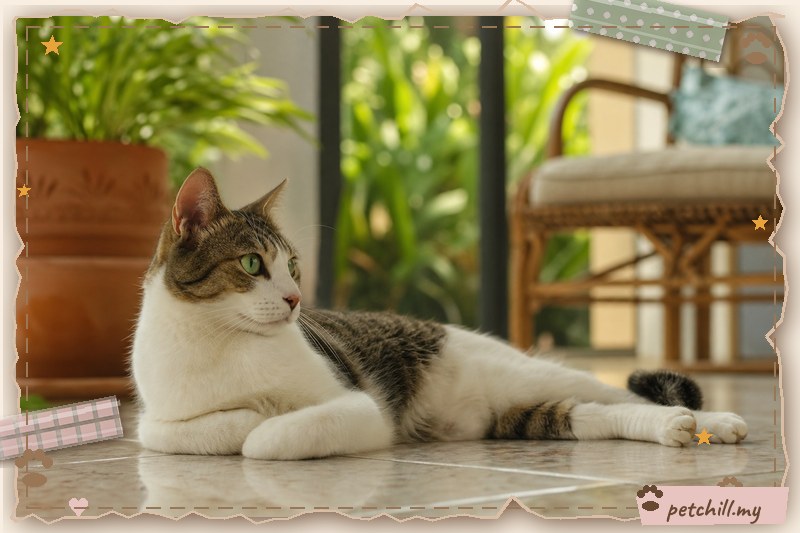
Where paracetamol hides in a Malaysian home
Paracetamol is not only in obvious painkiller boxes. It is found in many combination products, and cats can be exposed through surprising routes.
| Product type | Examples | Risk to cats |
|---|---|---|
| Plain painkillers | Paracetamol tablets, caplets, syrups | High — direct ingestion |
| Cold and flu medicines | Combination tablets, sachets, hot drinks | High — often contain paracetamol |
| Headache powders | Sachets of soluble paracetamol | High — easy to spill |
| Medicated creams and gels | Some topical pain relief products | Moderate — absorbed through skin or licked off |
| Veterinary products | Some dog-only formulations | High — never use dog medicine on cats |
| Guests' bags and pockets | Loose tablets, blister packs | High — curious cats investigate |
Always read the label. If a product contains paracetamol or acetaminophen, treat it as a cat hazard.
A room-by-room prevention checklist
Use this checklist to make your home safer. Adapt it to your living space — a Kuala Lumpur apartment with a curious kitten needs the same precautions as a Johor terrace house with several cats.
Kitchen and dining area
- Store all medicines in a closed cabinet, ideally a locked box, not on counters or open shelves.
- Never leave tablets on the dining table, kitchen counter, or bedside table.
- Keep handbags, backpacks, and shopping bags off the floor and out of cat reach.
- Wipe up dropped pills immediately; count tablets before and after use.
- Keep bins closed and empty them regularly, especially in the kitchen.
Bedroom and bathroom
- Keep bedside drawers closed; cats can open sliding drawers.
- Store medicated creams and gels in a closed container.
- Do not leave paracetamol syrup or liquid medicines on bathroom counters.
- Wash your hands after applying any medicated cream, and do not let your cat lick your skin.
Living room and entryway
- Check guests' bags and coats; ask visitors to keep medicines in closed bags.
- Keep handbags on hooks or in closed cupboards.
- Do not leave pills on coffee tables or sofa cushions.
- Check under furniture for dropped tablets after anyone takes medicine.
Outdoor areas and balconies
- Do not leave medicines outside or in open sheds.
- Keep cats indoors or in secure enclosures, especially during rainy seasons when cats may seek shelter in garages or store rooms.
- Check garages and carports for dropped pills after unloading shopping.
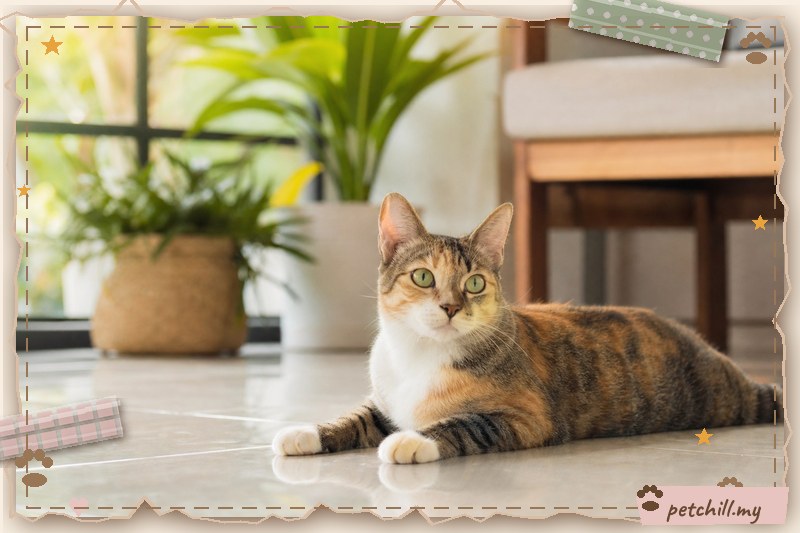
Safe storage and handling rules
Storage is the first line of defence. Follow these rules:
- Keep paracetamol in its original packaging. Blister packs are safer than loose tablets because they are harder to spill.
- Use a locked medicine box. A simple cash box or toolbox with a latch works well. Store it high and out of sight.
- Count tablets. If you take a tablet, count the remaining tablets before putting the pack away. This helps you notice if one is missing.
- Never decant pills into unlabelled containers. Cats can knock over small containers, and unlabelled pills are hard to identify in an emergency.
- Keep medicines away from pet food and water bowls. Cross-contamination is possible if tablets are crushed near food preparation areas.
- Wash hands after handling. This is especially important if you have applied a medicated cream or handled a broken tablet.
- Do not store medicines in the bathroom. Heat and moisture degrade them, and cats often explore bathroom shelves.
What to do if a cat is exposed
Act fast. Time matters.
- Remove the cat from the source. Move the cat away from the tablets, cream, or spilled liquid.
- Call a veterinarian or emergency clinic immediately. Explain what the product was, how much may have been eaten, and when it happened.
- Do not induce vomiting unless instructed. Some exposures are better managed without vomiting, and forcing it can cause harm.
- Bring the packaging. Take the box, blister pack, or tube with you so the vet knows the exact product and strength.
- Do not give home remedies. Milk, oil, or other home treatments do not help and may delay proper care.
- Watch for signs during transport. Note vomiting, drooling, weakness, or changes in gum colour.
Treatment is most effective when started early. Veterinary care may include blood tests, liver support, and an antidote. Do not wait for symptoms to appear before seeking help.
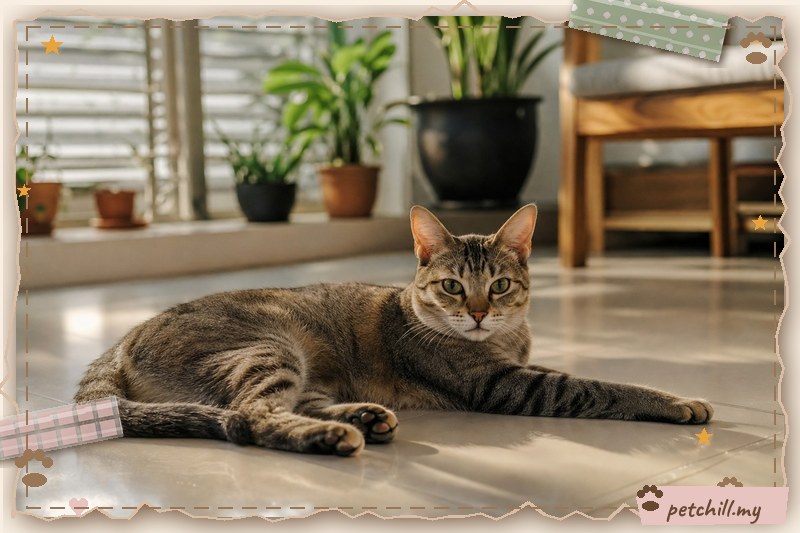
Protecting cats from guests and visitors
Many poisonings happen when visitors are present. Guests may leave bags open, drop pills, or not realise that cats investigate everything.
- Ask guests to keep medicines in closed bags and out of reach.
- Provide a safe room for cats when visitors are around, especially if guests are elderly or take multiple medicines.
- Check the floor and furniture after guests leave.
- If you have children, teach them never to leave tablets around and to tell an adult if a pill falls.
- During festive seasons, when homes are busy and bags are everywhere, do an extra floor check before letting cats roam.
Disposing of paracetamol safely
Expired or unwanted paracetamol should not end up where cats can find it.
- Do not flush tablets down the toilet. This harms the environment and does not remove the risk if a cat is nearby.
- Use pharmacy take-back programmes where available. Ask your local pharmacy whether they accept unwanted medicines.
- If no take-back is available, seal tablets in a container, wrap it, and place it in a closed bin that cats cannot access.
- Never leave medicines in open bins or plastic bags where cats can paw through them.
- Dispose of medicated creams and tubes in the same way — sealed and out of reach.
What about other human medicines?
Paracetamol is not the only danger. Many human medicines are toxic to cats, including ibuprofen, aspirin, some antidepressants, and certain cold and flu products. The safest rule is simple: never give any human medicine to a cat unless a veterinarian has prescribed it specifically for that cat.
If you are unsure whether a product is safe, call your vet before giving anything. It is always better to ask than to risk your cat's life.
When to see a vet
Seek veterinary care immediately if you suspect your cat has eaten paracetamol, even if the cat seems fine. Also seek urgent care if you notice:
- Vomiting or drooling
- Lethargy or weakness
- Swelling of the face, paws, or limbs
- Brown or blue gums
- Difficulty breathing
- Collapse or seizures
Do not wait for symptoms to worsen. Early treatment saves lives.
A simple household safety plan
Create a routine that reduces risk every day:
- Morning: Check floors and counters for dropped pills after taking your own medicine.
- Evening: Close medicine boxes and put bags away before cats settle for the night.
- Weekly: Check expiry dates and set aside unwanted medicines for safe disposal.
- Monthly: Review your storage — is the medicine box still locked and out of reach?
- When guests visit: Do a quick floor check before and after.
Final thoughts
Paracetamol poisoning is entirely preventable. The key is to treat every tablet as a potential hazard, store medicines securely, and act fast if exposure happens. Cats are curious and quick; a moment of carelessness can have devastating consequences. By following the steps in this guide, you can protect your cat and give yourself peace of mind.
This article is for general information only and is not a substitute for veterinary advice. If you suspect your cat has been exposed to paracetamol or any other poison, contact a veterinarian immediately.
Related reading
- Cat Health Guide Malaysia: Symptom Check, Red-Flag Triage & When to See a Vet
- Cat Poisoning Treatment in Malaysia: What to Do, What to Expect, and How to Prevent It
- Lily Poisoning and Cats in Malaysia: Why Every Petal Is an Emergency
- Poisoning in Cats: Causes, Symptoms and Care (Malaysia Guide)
- Poisoning in Cats in Malaysia: Common Toxins, Signs and What to Do
- Signs of Poisoning in Cats in Malaysia: What to Watch For and What to Do
- Wound Care for Cats Step by Step: A Practical Malaysian Guide
- Blood Test for Cats in Malaysia: What It Checks, Costs and When You Need One
- Blood Test for Cats: What to Expect (Malaysian Owner's Guide)
- Cat Dental Pain Treatment in Malaysia: A Practical Owner's Guide
- Cat Ear Mites Treatment in Malaysia: A Complete Owner's Guide