
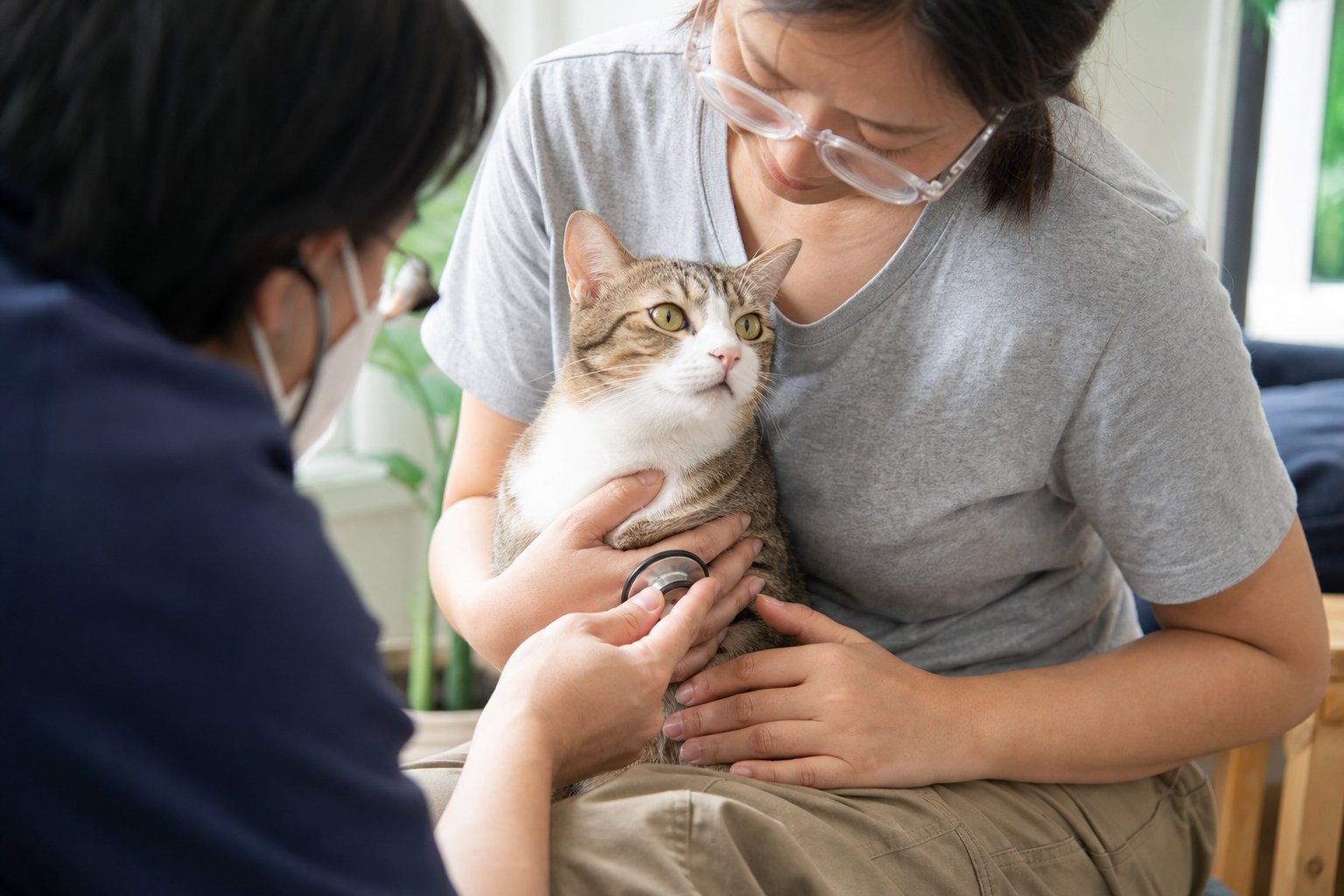
PetChill Pet Encyclopedia
Cat Health

Ringworm Prevention for Cats in Malaysia: A Practical, Vet-Informed Guide

Ringworm prevention for cats is mostly about reducing exposure, strengthening skin health, and catching infections early. In Malaysia's warm, humid homes, a consistent routine of cleaning, grooming, and vet checks makes the biggest difference.

Published: 2026-11-06Β·7 min readΒ·Author: PetChill Editorial
Ringworm Prevention for Cats in Malaysia: A Practical, Vet-Informed Guide

πŸ’‘ Quick Answer

Prevent cat ringworm by keeping your cat indoors, isolating new or infected pets, cleaning bedding and surfaces regularly, grooming to spot early lesions, feeding a balanced diet, and seeing a vet promptly for any bald, scaly patches. In Malaysia's humid climate, daily quick checks and good ventilation matter.

What ringworm prevention for cats really means

Ringworm prevention for cats is not about one magic product. It is a routine: lower the chance your cat meets the fungus, keep skin and coat healthy, and spot problems early. Ringworm (dermatophytosis) is a fungal skin infection, not a worm. It can affect cats of any age and can spread to people and other pets. In Malaysia's warm, humid climate, fungal spores can linger in the environment, so prevention focuses on dryness, cleanliness, and quick action.

This guide explains practical steps you can take at home, how to screen new cats, what to clean and how often, and when a vet visit is needed. It is general information, not a diagnosis. If your cat has skin lesions, see a veterinarian.

How ringworm spreads and why prevention matters

Ringworm spreads through direct contact with an infected animal or with contaminated objects such as bedding, brushes, furniture, and carriers. Spores can survive in the environment for months under the right conditions. That is why cleaning and drying matter as much as treating the cat.

Cats with ringworm may have circular bald patches, scaly skin, broken hairs, or mild redness. Some cats carry the fungus without obvious signs, especially long-haired cats. Because ringworm can pass to humans, prevention protects the whole household.

Key risk factors include:

  • Close contact with an infected cat or dog.
  • New pets of unknown health status.
  • Crowded or multi-cat households.
  • Damp bedding and poor ventilation.
  • Kittens, senior cats, and cats with weakened immunity.
  • Skin damage from scratching or parasites.
How ringworm spreads and why prevention matters

Step-by-step prevention plan for Malaysian homes

A practical prevention plan works best when it becomes part of daily and weekly routines. The table below summarises the main actions and how often to do them.

Task How often Why it helps
Quick coat and skin check Daily Spots early lesions and hair loss
Brush and remove loose hair 2–3 times weekly (daily for long-haired cats) Reduces spore spread and matting
Wash bedding and soft toys Weekly Removes spores and keeps bedding dry
Wipe hard surfaces and floors Weekly, more often in multi-pet homes Reduces environmental contamination
Vacuum carpets and soft furniture Weekly Removes hair and debris that carry spores
Clean litter tray Daily Supports hygiene and reduces stress
Vet check for new cats Before introduction Screens for ringworm and other issues
Full vet wellness check At least yearly Monitors skin and general health

1. Keep cats indoors where possible

Indoor cats have far less contact with stray or unknown animals. If your cat goes outside, supervise outdoor time and avoid areas where stray cats gather. In Malaysia, many cats live in apartments and terraced houses; even a balcony can be a risk if stray cats visit. Keep screens secure and discourage strays from sleeping near your home.

2. Quarantine and screen new cats

Before bringing a new cat home, ask about its health history and arrange a vet check. If possible, keep the new cat in a separate room for a short period and watch for hair loss or scaly patches. Wash your hands after handling the new cat and avoid sharing brushes or bedding until a vet confirms it is healthy. This is especially important in multi-cat homes.

3. Groom and check the coat regularly

Daily handling helps you notice small changes. Run your hands over the body, look at the ears, face, paws, and tail base. Part the fur to check the skin. Long-haired cats need extra attention because lesions can hide under the coat. Use a separate brush for each cat if possible, and clean brushes regularly.

4. Clean and dry the environment

Spores like damp, dark places. Wash bedding in hot water with detergent and dry it completely. In Malaysia's rainy season, a dryer or a well-ventilated sunny spot helps. Wipe hard floors and surfaces with a pet-safe cleaner. Vacuum carpets and soft furniture, then empty the vacuum outside or into a sealed bag. Clean carriers and litter trays regularly.

5. Support skin and immune health

Feed a complete and balanced diet suitable for your cat's life stage. Fresh water should always be available. Avoid sudden diet changes. Keep up with parasite control as advised by your vet, because fleas and mites can damage skin and make infections more likely. Reduce stress where possible; stress can affect immunity and grooming behaviour.

6. Practise good household hygiene

Wash hands after handling cats, especially before eating. Do not let cats sleep on human beds if someone in the home has a weakened immune system. Keep children from putting their faces close to a cat with skin lesions. If a family member develops a ring-shaped rash, see a doctor.

A prevention checklist you can stick to

Use this checklist as a weekly review. Tick each item when done.

  • Checked each cat's skin and coat for bald patches or scales.
  • Brushed cats and cleaned brushes.
  • Washed bedding and soft toys in hot water; dried fully.
  • Wiped floors and hard surfaces with a pet-safe cleaner.
  • Vacuumed carpets and soft furniture.
  • Cleaned litter trays and refreshed litter.
  • Washed food and water bowls.
  • Checked parasite control is up to date.
  • Kept new or unwell cats separate from others.
  • Washed hands after handling cats and cleaning.
A prevention checklist you can stick to

Special situations: kittens, seniors, and multi-cat homes

Kittens and senior cats need extra care. Kittens have developing immune systems, and senior cats may have age-related health issues. Keep them warm and dry, and avoid overcrowding. In multi-cat homes, have enough resources: litter trays, bowls, scratching posts, and resting places. This reduces stress and close-contact competition.

If one cat is diagnosed with ringworm, ask your vet about isolating it and cleaning the environment thoroughly. Do not share grooming tools. Wash your hands after contact. Other cats may need checking even if they look healthy.

What to do if you suspect ringworm

If you see a circular bald patch, scaly skin, or broken hairs, do not apply human antifungal creams or home remedies without veterinary advice. Some human products are not suitable for cats. Instead:

  1. Separate the cat from other pets and keep it indoors.
  2. Wash your hands after handling.
  3. Clean bedding and surfaces it used.
  4. Book a vet visit for diagnosis.

Your vet may use a Wood's lamp, fungal culture, or microscopic examination to confirm ringworm. Treatment often involves topical therapy and sometimes oral medication. Follow your vet's instructions and complete the course.
What to do if you suspect ringworm

When to see a vet

See a vet if your cat has any of the following:

  • Bald patches, scaly skin, or broken hairs.
  • Persistent scratching or licking.
  • Redness, crusting, or sores.
  • Hair loss that spreads.
  • Signs in other pets or family members.
  • A new cat with an unknown health history.
  • No improvement after home cleaning and monitoring.

Ringworm can look like other skin diseases, including allergies and parasitic infections. A vet can confirm the cause and recommend safe treatment.

Living with cats in Malaysian homes

Malaysia's humidity means drying is important. In a Kuala Lumpur apartment, bedding washed on a balcony may stay damp if the weather is rainy; use a dryer or a well-ventilated indoor rack. In a Johor terrace house, cats may have access to a car porch or garden where stray cats pass; keep screens closed and discourage strays. Penang's rainy season can make floors and soft furnishings damp, so wipe and dry surfaces more often. These are general examples; every home is different.

Living with cats in Malaysian homes

Prevention is a habit, not a one-off

Ringworm prevention for cats works best when it is built into daily life. Check the coat, clean bedding, keep the environment dry, and act quickly if something looks wrong. You do not need expensive equipment; consistency matters more. If you are unsure, ask your vet for advice tailored to your cat.

Frequently asked questions

Can I prevent ringworm in my cat? Yes. Reduce exposure by keeping cats indoors, quarantining new pets, cleaning bedding and surfaces, grooming regularly, and maintaining good nutrition. No vaccine exists, so hygiene and early detection are key.

Is ringworm contagious to humans? Yes, ringworm is zoonotic. People can catch it through direct contact with an infected cat or contaminated items. Wash hands after handling, avoid sharing bedding, and see a doctor for human lesions.

How often should I clean my cat's bedding? Wash bedding weekly in hot water with detergent, and dry it thoroughly. In humid weather, dry bedding completely to avoid dampness that helps fungi survive.

Does indoor living prevent ringworm? Indoor living greatly reduces exposure but does not guarantee prevention. Spores can enter on shoes, clothing, or new pets, so hygiene and screening still matter.

What should I do if I see a bald patch on my cat? Do not apply human creams. Isolate the cat from other pets and people, then see a vet for diagnosis. Ringworm can look like other skin conditions, so testing guides treatment.

Are some cats more prone to ringworm? Yes. Kittens, senior cats, long-haired breeds, and cats with weakened immunity or skin damage are more susceptible. Extra vigilance helps for these groups.

Vet disclaimer

This article is general information and does not replace veterinary advice. Ringworm and other skin conditions can look similar. Always consult a licensed veterinarian for diagnosis and treatment. Do not use human medications on cats without veterinary guidance.

Frequently Asked Questions

πŸ“Œ Key Takeaways

  • This article covers: What ringworm prevention for cats really means, How ringworm spreads and why prevention matters, Step-by-step prevention plan for Malaysian homes, A prevention checklist you can stick to, Special situations: kittens, seniors, and multi-cat homes, and more
  • Jump to any section via the table of contents for the key details
  • If in doubt, consult a registered veterinarian

Explore this topic cluster

This guide belongs to a Malaysia-focused topic cluster. Read the pillar guide and related articles.

View cluster β†’

πŸ“š Cat Health article index

This article is part of the Cat Health topic cluster. Explore related articles:

⭐ Pillar guide: Cat Health complete guideBlood Test for Cats in Malaysia: What It Checks, Costs and When You Need Oneβ†’ ReadBlood Test for Cats Step by Step: What Happens at the Clinicβ†’ ReadBlood Test for Cats: What to Expect (Malaysian Owner's Guide)β†’ ReadCat Constipation Treatment in Malaysia: A Practical Owner's Guideβ†’ ReadCat Dental Pain Treatment in Malaysia: A Practical Owner's Guideβ†’ ReadCat Diarrhea Treatment in Malaysia: A Practical Owner's Guideβ†’ ReadCat Ear Mites Treatment in Malaysia: A Complete Owner's Guideβ†’ ReadCat Eye Infection Treatment in Malaysia: A Practical Owner's Guideβ†’ ReadCat Fleas Treatment in Malaysia: A Practical Owner's Guideβ†’ ReadCat Hair Loss Treatment in Malaysia: A Practical Owner's Guideβ†’ ReadCat Licking Wounds: Why It Happens and How to Treat It in Malaysiaβ†’ ReadCat Poisoning Treatment in Malaysia: What to Do, What to Expect, and How to Prevent Itβ†’ ReadCat Ringworm Treatment in Malaysia: A Practical Owner's Guideβ†’ ReadCat Skin Fungus Treatment in Malaysia: A Practical Owner's Guideβ†’ ReadCat Sneezing Blood: Causes, Treatment and When to See a Vet in Malaysiaβ†’ ReadCat Vomiting Treatment in Malaysia: What to Do and When to See a Vetβ†’ ReadCat Weight Loss Treatment in Malaysia: A Practical Guide for Ownersβ†’ ReadCat Worms Treatment in Malaysia: A Practical Owner's Guideβ†’ ReadChocolate Poisoning and Cats in Malaysia: What Every Owner Should Knowβ†’ ReadConstipation in Cats: Causes, Care and When to See a Vet in Malaysiaβ†’ ReadConstipation in Cats in Malaysia: Causes, Signs and What to Doβ†’ ReadConstipation Prevention for Cats: A Practical Guide for Malaysian Ownersβ†’ ReadDental Pain in Cats: Causes, Signs and Care (Malaysia Guide)β†’ ReadDental Pain in Cats in Malaysia: Signs, Causes and What to Doβ†’ ReadDental Pain Prevention for Cats: A Practical Malaysian Guideβ†’ ReadDeworming Schedule for Cats in Malaysia: A Practical, Vet-Led Guideβ†’ ReadDeworming Schedule for Cats: A Step-by-Step Plan for Malaysian Ownersβ†’ ReadDeworming Schedule for Cats: What to Expect (Malaysia Guide)β†’ ReadDiarrhea in Cats: Causes and Care (Malaysian Owner's Guide)β†’ ReadDiarrhea in Cats in Malaysia: Causes, Home Care and When to See a Vetβ†’ ReadDiarrhea Prevention for Cats: A Practical Guide for Malaysian Ownersβ†’ ReadE-Collar Recovery for Cats in Malaysia: A Practical Guide for Ownersβ†’ ReadE-Collar Recovery for Cats Step by Step: A Practical Guide for Malaysian Ownersβ†’ ReadE-Collar Recovery for Cats: What to Expect (Malaysia Guide)β†’ ReadEar Mites in Cats: Causes and Care (Malaysia Guide)β†’ ReadEar Mites in Cats in Malaysia: Signs, Treatment and Preventionβ†’ ReadEar Mites Prevention for Cats: A Practical Malaysian Guideβ†’ ReadElectrical Cables and Cats in Malaysia: A Practical Safety Guideβ†’ ReadEye Infection in Cats: Causes and Care (Malaysia Guide)β†’ ReadEye Infection in Cats in Malaysia: Causes, Signs, Treatment & Preventionβ†’ ReadEye Infection Prevention for Cats: A Practical Malaysian Guideβ†’ ReadFans and Air Conditioning for Cats in Malaysia: A Practical Comfort Guideβ†’ ReadFlea Treatment for Cats in Malaysia: A Complete Guideβ†’ ReadFlea Treatment for Cats Step by Step: A Practical Malaysian Guideβ†’ ReadFlea Treatment for Cats: What to Expect (Malaysia Guide)β†’ ReadFleas in Cats: Causes and Care (Malaysia Guide)β†’ ReadFleas in Cats in Malaysia: Signs, Treatment and Preventionβ†’ ReadFleas Prevention for Cats in Malaysia: A Practical, Year-Round Planβ†’ ReadGiving Pills for Cats in Malaysia: A Stress-Free Step-by-Step Guideβ†’ ReadGiving Pills for Cats Step by Step: A Calm, Practical Guide for Malaysian Ownersβ†’ ReadGiving Pills for Cats: What to Expect (Malaysian Owner's Guide)β†’ ReadHair Loss in Cats: Causes and Care (Malaysian Owner's Guide)β†’ ReadHair Loss in Cats in Malaysia: Causes, Home Checks and When to See a Vetβ†’ ReadHair Loss Prevention for Cats: A Practical Grooming and Health Guideβ†’ ReadHousehold Cleaning Products and Cats in Malaysia: A Safety Guideβ†’ ReadHow to Prevent Chocolate Poisoning Around Cats: A Practical Guide for Malaysian Homesβ†’ ReadHow to Prevent Electrical Cables Around Cats: A Practical Safety Guide for Malaysian Homesβ†’ ReadHow to Prevent Fan and Aircond Problems Around Cats: A Malaysian Home Guideβ†’ ReadHow to Prevent Household Cleaning Products Around Cats: A Practical Safety Guide for Malaysian Homesβ†’ ReadHow to Prevent Lily Poisoning Around Cats: A Practical Safety Guide for Malaysian Homesβ†’ ReadHow to Prevent Open Windows Around Cats: A Practical Safety Guide for Malaysian Homesβ†’ ReadHow to Prevent Paracetamol Poisoning Around Cats: A Malaysian Safety Guideβ†’ ReadHow to Prevent Plastic Bags Around Cats: A Practical Safety Guide for Malaysian Homesβ†’ ReadHow to Treat Constipation in Cats at Home: A Practical Malaysian Guideβ†’ ReadHow to Treat Dental Pain in Cats at Home: Safe Relief and When to See a Vetβ†’ ReadHow to Treat Diarrhea in Cats at Home: A Practical Malaysian Guideβ†’ ReadHow to Treat Ear Mites in Cats at Home: A Practical Malaysian Guideβ†’ ReadHow to Treat Eye Infection in Cats at Home: Safe Steps for Malaysian Ownersβ†’ ReadHow to Treat Fleas in Cats at Home: A Practical Malaysian Guideβ†’ ReadHow to Treat Hair Loss in Cats at Home: A Practical Malaysian Guideβ†’ ReadHow to Treat Licking Wounds in Cats at Home: A Practical Guide for Malaysian Ownersβ†’ ReadHow to Treat Poisoning in Cats at Home: First Aid, Safe Steps and When to Rush to the Vetβ†’ ReadHow to Treat Ringworm in Cats at Home: A Practical Guide for Malaysian Ownersβ†’ ReadHow to Treat Skin Fungus in Cats at Home: A Practical Malaysian Guideβ†’ ReadHow to Treat Sneezing Blood in Cats at Home: Safe First Steps for Malaysian Ownersβ†’ ReadHow to Treat Vomiting in Cats at Home: A Practical Malaysian Guideβ†’ ReadHow to Treat Weight Loss in Cats at Home: A Practical Guide for Malaysian Ownersβ†’ ReadHow to Treat Worms in Cats at Home: A Practical, Safe Guide for Malaysian Ownersβ†’ ReadLicking Wounds in Cats: Causes and Care (Malaysian Vet Guide)β†’ ReadLicking Wounds in Cats Malaysia: When It's Normal and When to Stop Itβ†’ ReadLicking Wounds Prevention for Cats: How to Stop the Lick Cycle and Let Skin Healβ†’ ReadLily Poisoning and Cats in Malaysia: Why Every Petal Is an Emergencyβ†’ ReadOpen Windows and Cats in Malaysia: How to Keep Your Cat Safe Without Locking Up the Houseβ†’ ReadParacetamol Poisoning in Cats in Malaysia: Why Even One Tablet Can Be Deadlyβ†’ ReadPlastic Bags and Cats in Malaysia: Why They're Dangerous and How to Keep Your Cat Safeβ†’ ReadPoisoning in Cats: Causes, Symptoms and Care (Malaysia Guide)β†’ ReadPoisoning in Cats in Malaysia: Common Toxins, Signs and What to Doβ†’ ReadPoisoning Prevention for Cats in Malaysia: A Room-by-Room Safety Guideβ†’ ReadRingworm in Cats: Causes, Symptoms and Care (Malaysia Guide)β†’ ReadRingworm in Cats in Malaysia: Signs, Treatment and Preventionβ†’ ReadSigns of Constipation in Cats in Malaysia: What to Watch For and When to Actβ†’ ReadSigns of Dental Pain in Cats in Malaysia: What Owners Missβ†’ ReadSigns of Diarrhea in Cats in Malaysia: What's Normal, What's Notβ†’ ReadSigns of Ear Mites in Cats in Malaysia: How to Spot, Treat and Prevent Themβ†’ ReadSigns of Eye Infection in Cats in Malaysia: What Owners Should Look Forβ†’ ReadSigns of Fleas in Cats in Malaysia: How to Spot, Check and Actβ†’ ReadSigns of Hair Loss in Cats in Malaysia: What to Look For and When to Worryβ†’ ReadSigns of Licking Wounds in Cats Malaysia: How to Spot Problem Lickingβ†’ ReadSigns of Poisoning in Cats in Malaysia: What to Watch For and What to Doβ†’ ReadSigns of Ringworm in Cats in Malaysia: What Owners Should Look Forβ†’ ReadSigns of Skin Fungus in Cats in Malaysia: How to Spot Ringworm Earlyβ†’ ReadBlood in a Cat's Sneeze: Signs, Causes and What to Do in Malaysiaβ†’ ReadSigns of Vomiting in Cats in Malaysia: What's Normal, What's Not, and When to See a Vetβ†’ ReadSigns of Weight Loss in Cats in Malaysia: What to Watch For and When to Worryβ†’ ReadSigns of Worms in Cats in Malaysia: What Owners Should Look Forβ†’ ReadSkin Fungus in Cats: Causes, Signs and Care (Malaysia Guide)β†’ ReadSkin Fungus in Cats in Malaysia: Ringworm Signs, Treatment and Preventionβ†’ ReadSkin Fungus Prevention for Cats: A Practical Guide for Malaysian Homesβ†’ ReadSneezing Blood in Cats: Causes and Care (Malaysia Guide)β†’ ReadSneezing Blood in Cats in Malaysia: Causes, What to Do, and When to See a Vetβ†’ ReadSneezing Blood Prevention for Cats: Causes, Care and When to Worryβ†’ ReadSterilization for Cats in Malaysia: A Complete Guide for Ownersβ†’ ReadSterilization for Cats Step by Step: A Malaysian Owner's Guideβ†’ ReadSterilisation for Cats: What to Expect (Malaysian Owner's Guide)β†’ ReadUltrasound for Cats in Malaysia: What It Is, When It's Needed, and What to Expectβ†’ ReadUltrasound for Cats Step by Step: What Happens, What It Costs, and How to Prepareβ†’ ReadUltrasound for Cats: What to Expect (Malaysian Owner's Guide)β†’ ReadVaccination Side Effects for Cats in Malaysia: What's Normal, What's Notβ†’ ReadVaccination Side Effects for Cats: A Step-by-Step Guide for Malaysian Ownersβ†’ ReadCat Vaccination Side Effects: What Malaysian Owners Should Expectβ†’ ReadVomiting in Cats: Causes and Care (Malaysia Guide)β†’ ReadVomiting in Cats in Malaysia: When It's Normal and When to Worryβ†’ ReadVomiting Prevention for Cats: A Practical Guide for Malaysian Ownersβ†’ ReadWeight Loss in Cats: Causes and Care (Malaysian Vet Guide)β†’ ReadWeight Loss in Cats in Malaysia: Causes, Warning Signs and What to Doβ†’ ReadWeight Loss Prevention for Cats: A Practical Malaysian Guideβ†’ ReadWorms in Cats: Causes and Care (Malaysia Vet Guide)β†’ ReadWorms in Cats in Malaysia: A Practical Owner's Guideβ†’ ReadWorms Prevention for Cats in Malaysia: A Complete Guideβ†’ ReadWound Care for Cats in Malaysia: A Practical Owner's Guideβ†’ ReadWound Care for Cats Step by Step: A Practical Malaysian Guideβ†’ ReadWound Care for Cats: What to Expect, Step by Stepβ†’ ReadX-Ray for Cats in Malaysia: What to Expect, Costs and Safetyβ†’ ReadX-Ray for Cats Step by Step: What Malaysian Owners Should Expectβ†’ ReadX-Ray for Cats: What to Expect (Malaysian Owner's Guide)β†’ ReadArthritis Pet Care in Malaysia: A Practical Guide for Cats and Dogsβ†’ ReadCat Arthritis in Malaysia: 5 Home Signs Your Cat Is in Pain β€” and What to Doβ†’ ReadEarly Signs of Chronic Disease in Cats: 7 Daily Checks and a 4-Week Record Sheetβ†’ ReadCat Chronic Kidney Disease in Malaysia: The Daily Care Routine That Actually Slows It Downβ†’ ReadCat Constipation in Malaysia: The 48-Hour Rule, Red Flags and What Actually Helpsβ†’ ReadCat Dehydration in Malaysia: Home Skin-Turgor Test, 7 Causes and Emergency Signsβ†’ ReadCat Heart Disease in Malaysia: Sleep Breathing Count, HCM Early Signs and When to Rush to the Vetβ†’ ReadCat Kidney Disease in Malaysia: Early Signs, Prevention and Everyday Careβ†’ ReadCat Pancreatitis in Malaysia: Symptoms, fPLI Testing, Treatment and Home Recoveryβ†’ ReadCat Ringworm in Malaysia: Signs, Treatment and Home Cleaning Guideβ†’ ReadCat Symptom Checker Malaysia: 12 Common Signs and a Green-Amber-Red Triage Tableβ†’ ReadPet Deworming in Malaysia: How Often to Worm Your Cat or Dogβ†’ ReadPet Gut Health in Malaysia: Probiotics, Food Transitions and Stool Troubles (Part 2)β†’ ReadCat Gut Health: Probiotics, Antibiotics and Food Transitions Explained (Malaysia)β†’ ReadPet Health Malaysia 2026: Common Cat and Dog Illnesses, Prevention Care and Vet Guidanceβ†’ ReadPet Insurance in Malaysia: How to Compare Plans Before You Signβ†’ ReadPet Poisoning at Home: Household Chemicals, Toxic Plants and When Not to Induce Vomiting (Malaysia)β†’ ReadPet Poisoning at Home: Household Chemicals, Insecticides and Toxic Plants (Malaysia, Part 1)β†’ ReadCat Chronic Disease Early Signs in Malaysia: 7 Daily Checks and a 4-Week Logβ†’ ReadCat Health Guide Malaysia: Symptom Check, Red-Flag Triage & When to See a Vetβ†’ ReadCat Ringworm in Malaysia: Symptoms, Treatment and Home Cleaning Guideβ†’ ReadGut Health, Probiotics & Food Transition Part 2: Practical Malaysia Guideβ†’ ReadPet Health in Malaysia: A Practical Prevention Guide for Cats and Dogsβ†’ Read

Related products at PetChill

